Artwork
Beschneidungsaltar: Die hll. Hieronymus, Petrus und Joseph
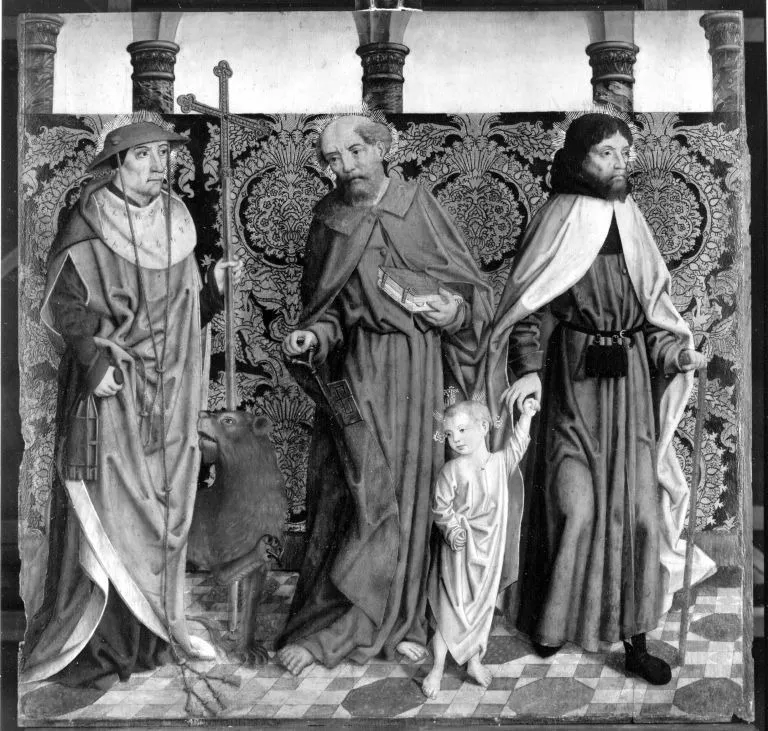
Beschneidungsaltar: Die hll. Hieronymus, Petrus und Joseph is an unspecified painting by Master of the Holy Kinship the Elder. It is held in the collection of the Bavarian State Painting Collections. The work, titled *Beschneidungsaltar: Die hll.
About this work
Overview
The work, titled *Beschneidungsaltar: Die hll. Hieronymus, Petrus und Joseph*, is a panel painting attributed to the Master of the Holy Kinship the Elder. Executed in a devotional format, it presents a small group of saints within an interior setting. The piece is part of the collection of the Alte Pinakothek in Munich, where it is displayed among other late medieval religious works.
Subject & Meaning
The central figure is Saint Jerome, identifiable by his scholarly bearing and the small book he holds. Flanking him are two other holy men, traditionally interpreted as Saint Peter and Saint Joseph, each dressed in flowing robes and bearing staffs. A barefoot child in a simple tunic stands between them, receiving a gesture of blessing that underscores themes of baptism and spiritual lineage.
Technique & Style
Rendered in tempera on wood, the painting employs a gilded background that creates a luminous, otherworldly atmosphere.
Rendered in tempera on wood, the painting employs a gilded background that creates a luminous, otherworldly atmosphere. The patterned floor tiles and richly detailed garments reveal the artist’s attention to decorative surface treatment, while the restrained palette of muted earth tones contrasts with the bright gold leaf. Figures are rendered with linear precision, characteristic of the late Gothic style of the early 16th century.
History & Provenance
The panel was created in the early 1500s, a period when the Master of the Holy Kinship the Elder was active in southern Germany. It entered the Alte Pinakothek’s holdings in the early 20th century as part of a larger acquisition of Bavarian religious art, and has remained in the museum’s collection since, serving as a representative example of devotional panel painting.
Context
The composition reflects the devotional practices of the time, where altarpieces often depicted saints associated with the sacraments. The inclusion of Saint Jerome, a scholar of the Bible, alongside Peter, the apostolic founder, and Joseph, the foster father of Christ, emphasizes the continuity of ecclesiastical authority and the sanctity of baptismal rites within the Christian tradition.
Artist & collection
Artist
Master of the Holy Kinship the Elder
This late medieval painter made small devotional panels, usually on oak, filled with saints and family scenes.

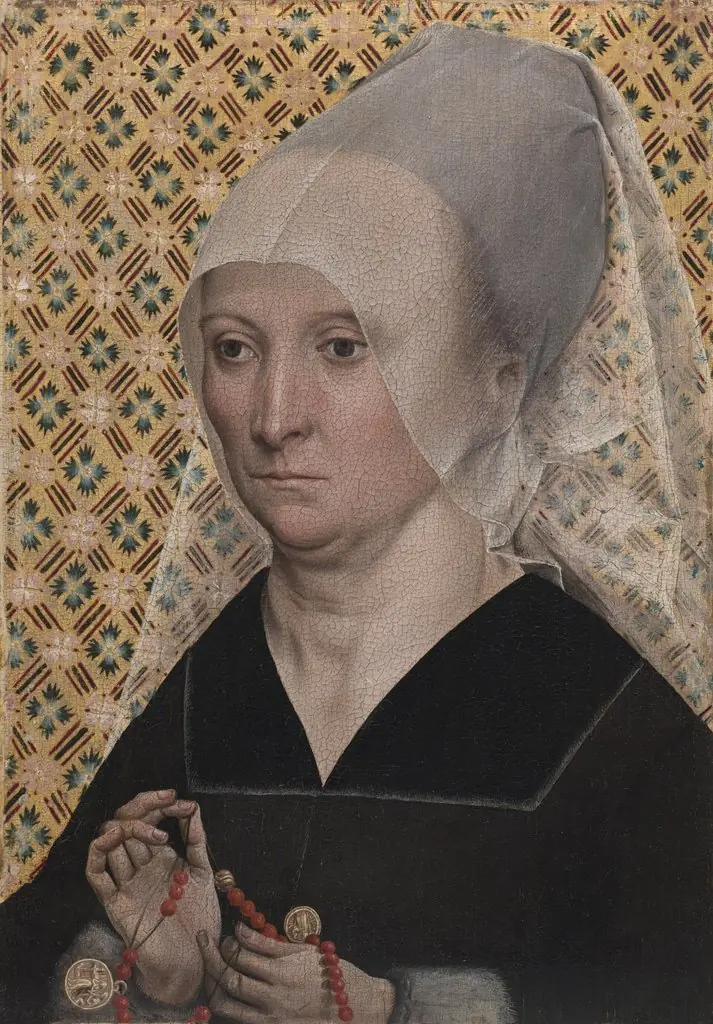 Portrait of a Woman
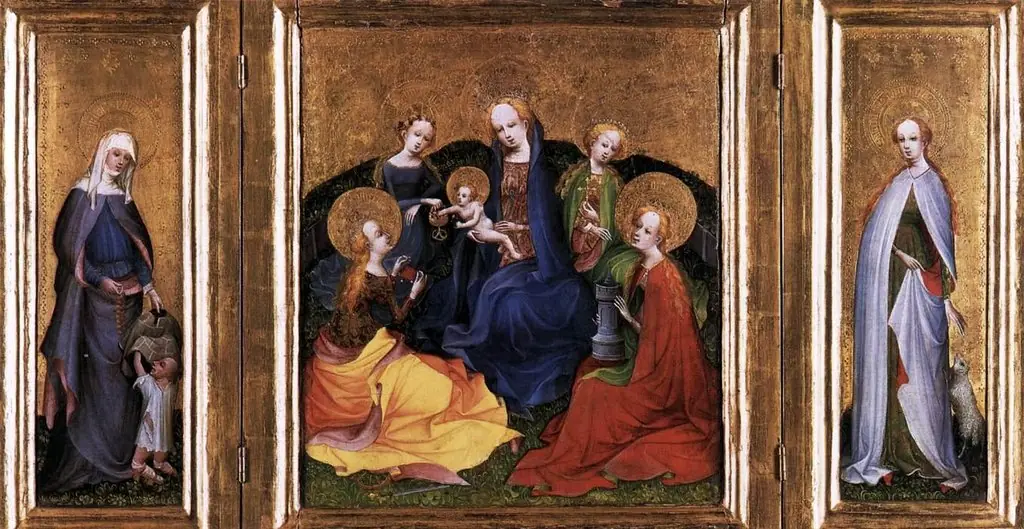 Triptych: Madonna and Child with Saints
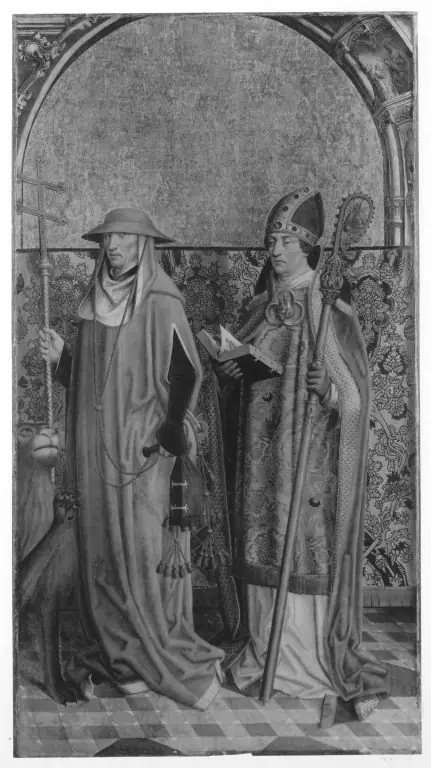 St. Jerome and a bishop
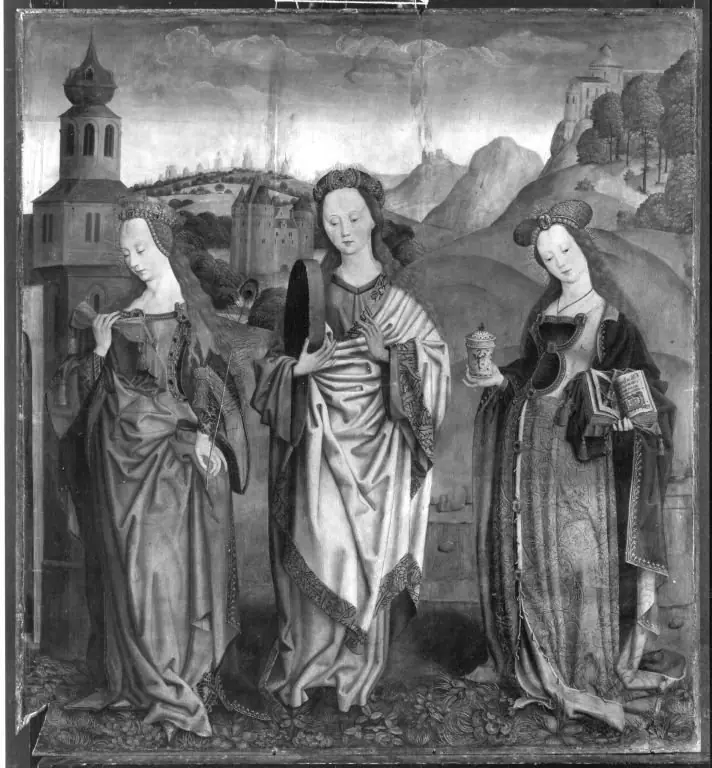 Beschneidungsaltar: Die hll. Barbara(?), Christina und Maria Magdalena
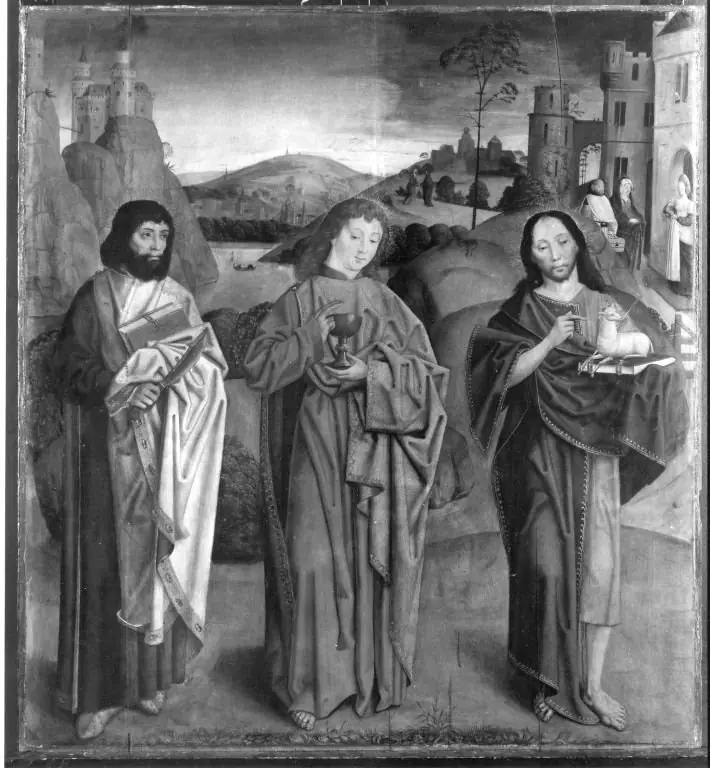 Beschneidungsaltar: Die hll. Bartholomäus, Johannes Ev. und Johannes d. T.
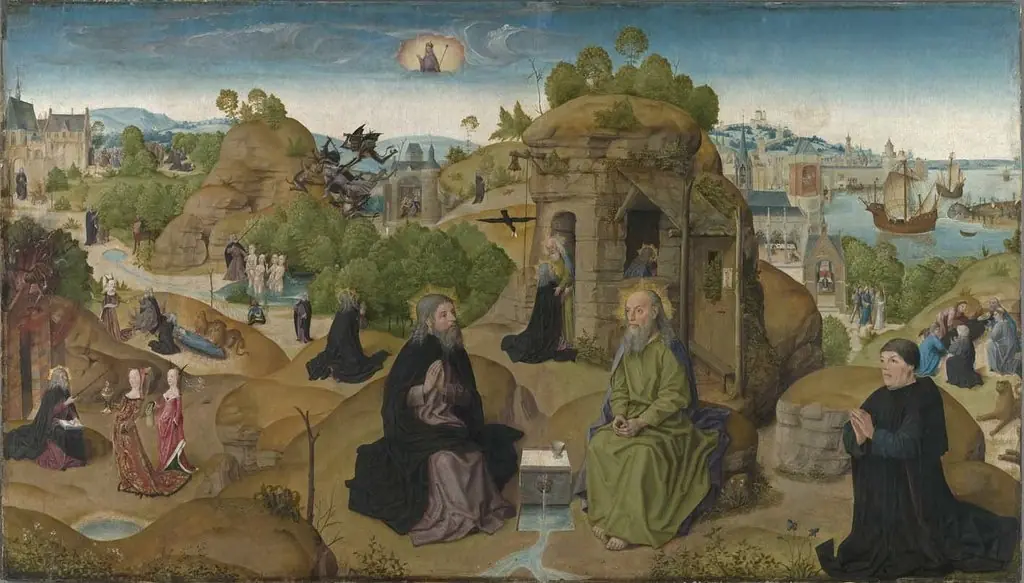 Legend of the Holy Ermite Anthony
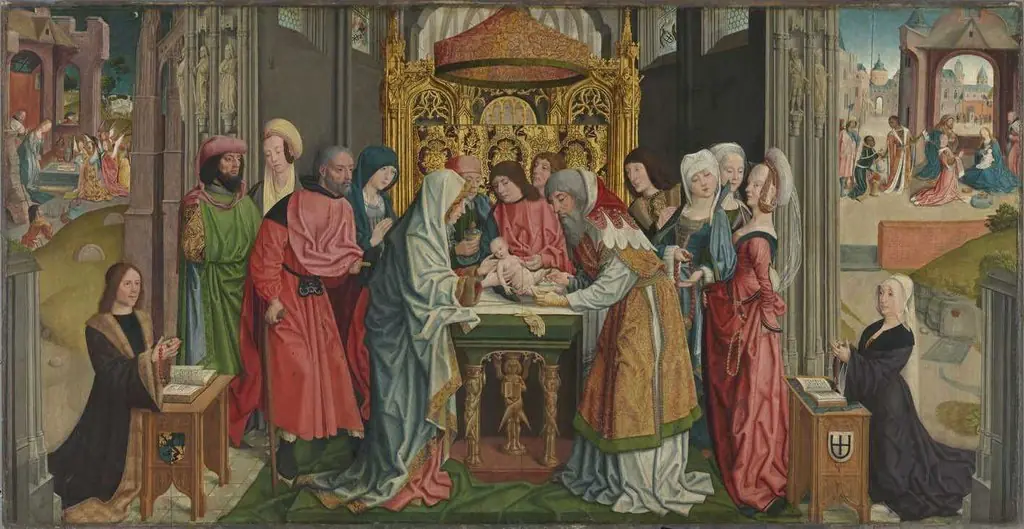 Circumcision of Christ
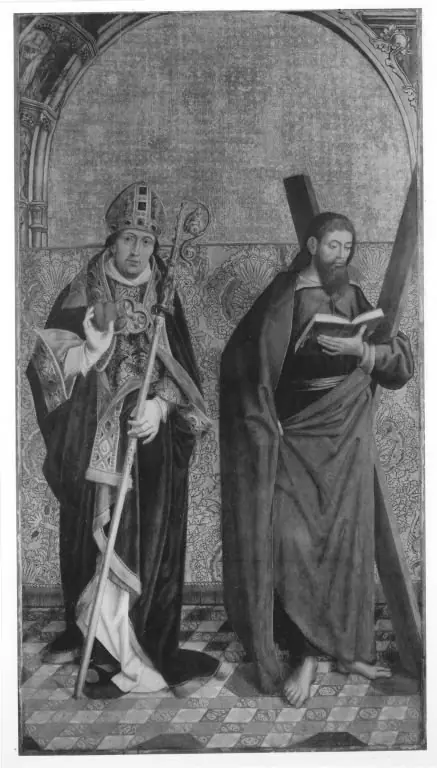 Die hll. Augustinus und Andreas Außenseite: Buße des hl. Hieronymus und kniende Nonne
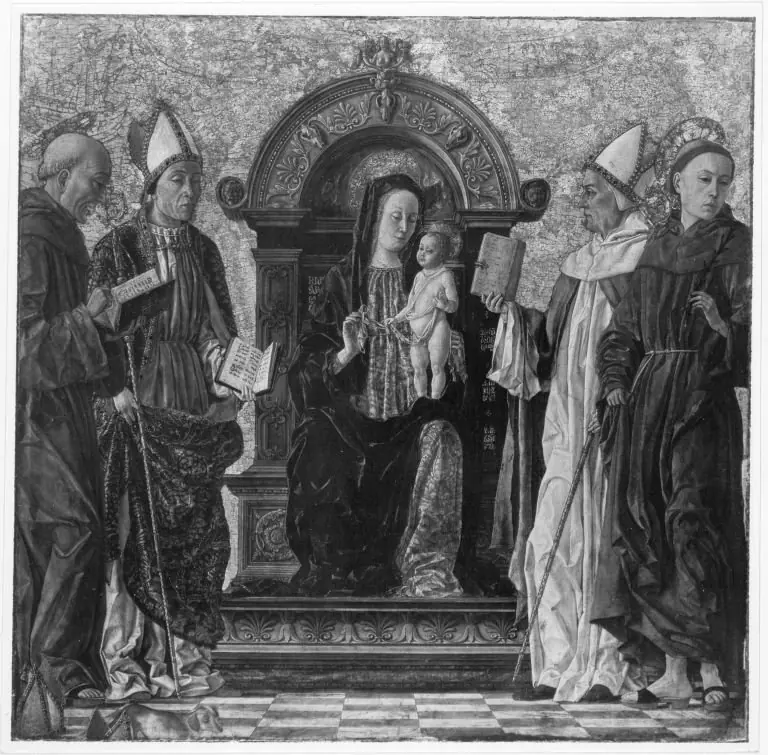 Thronende Madonna mit vier Heiligen
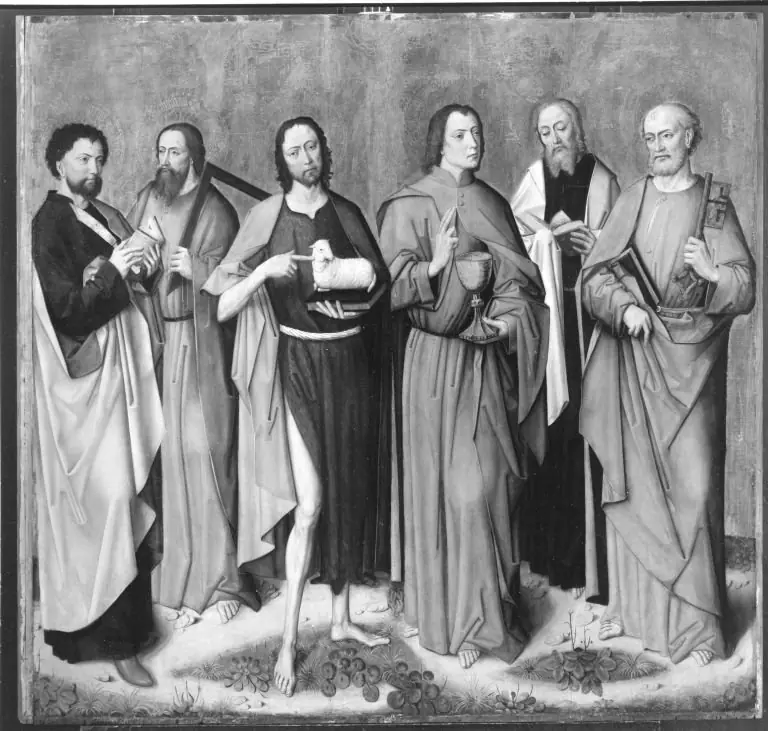 De apostelen Bartholomeus, Thomas, Johannes de Doper, Johannes de Evangelist, Mattheus en Petrus
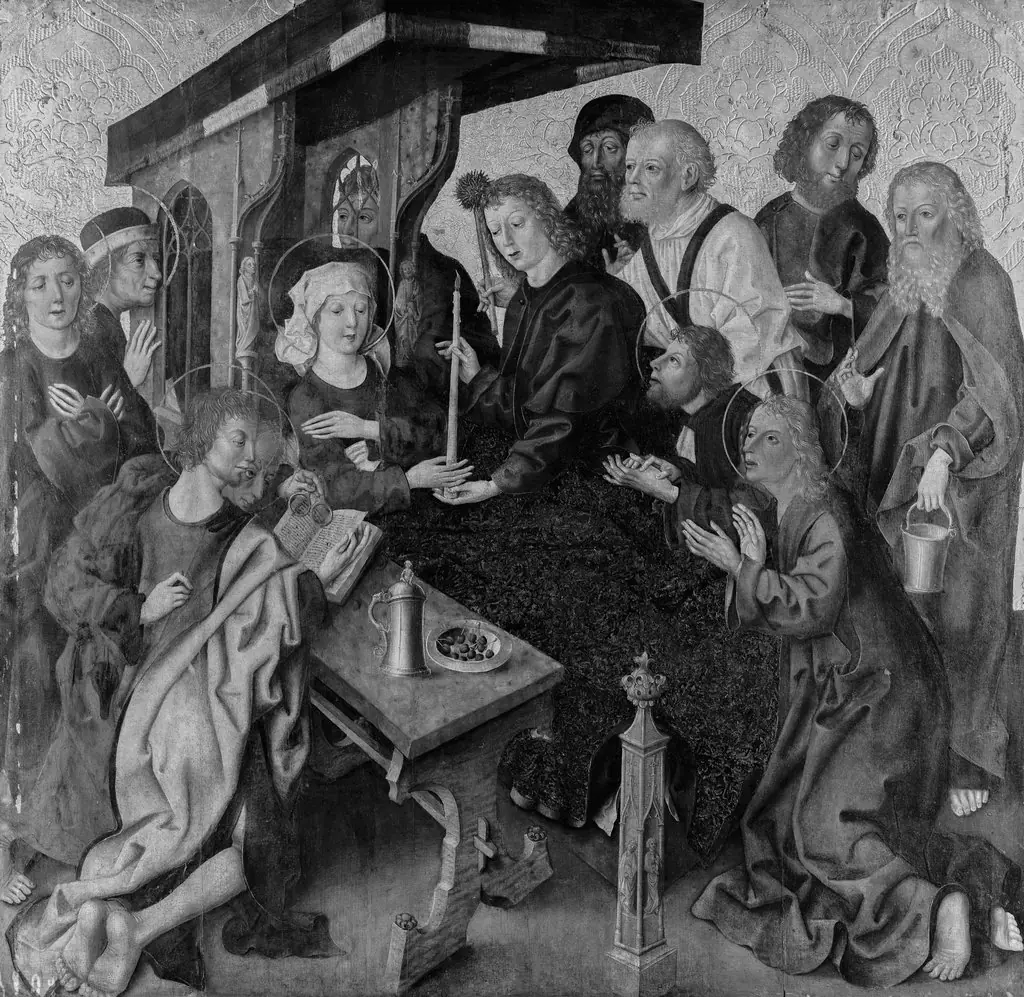 Death of Mary
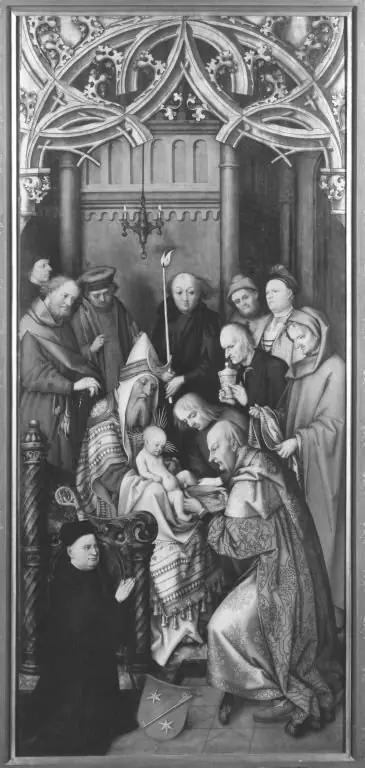 Kaisheimer Altar: Beschneidung Christi
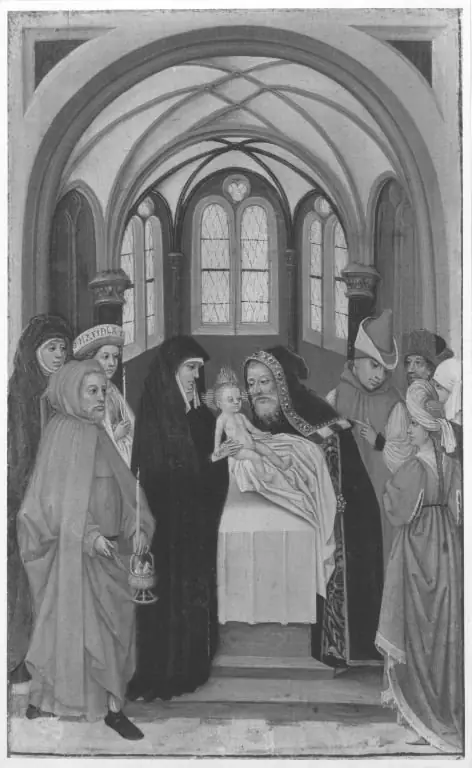 Darbringung im Tempel
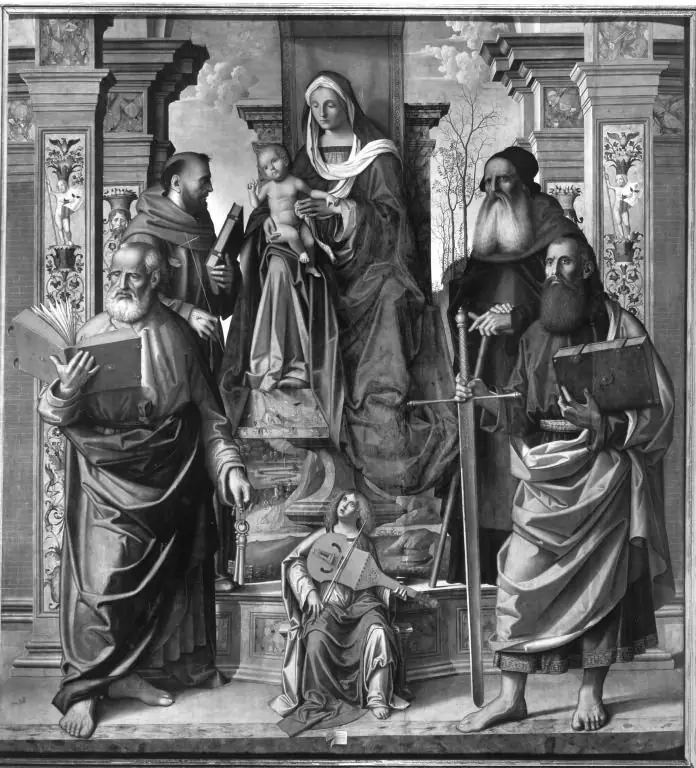 Maria mit Kind und vier Heiligen
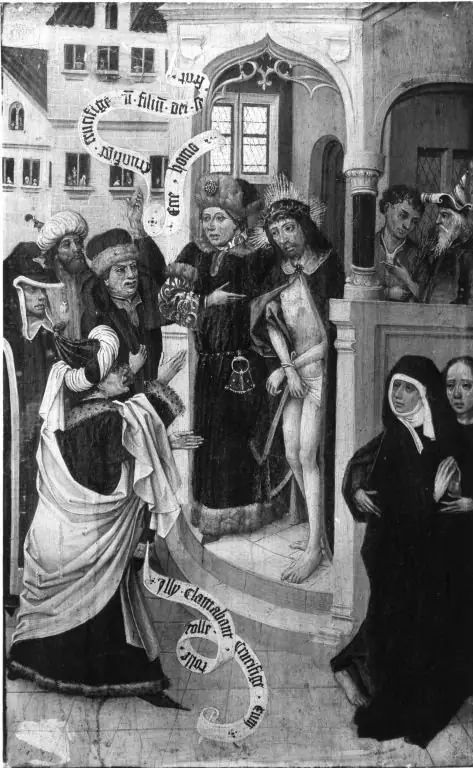 Ecce homo
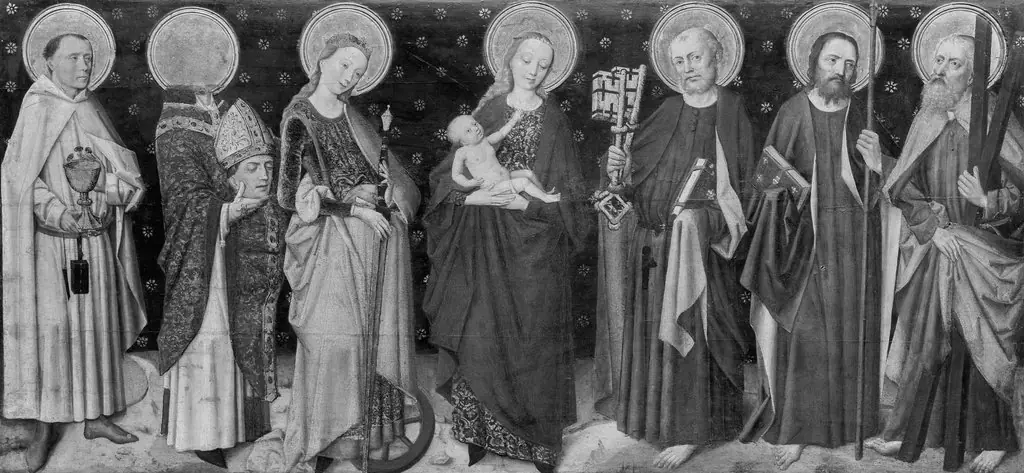 Mary with the child flanked by six saints
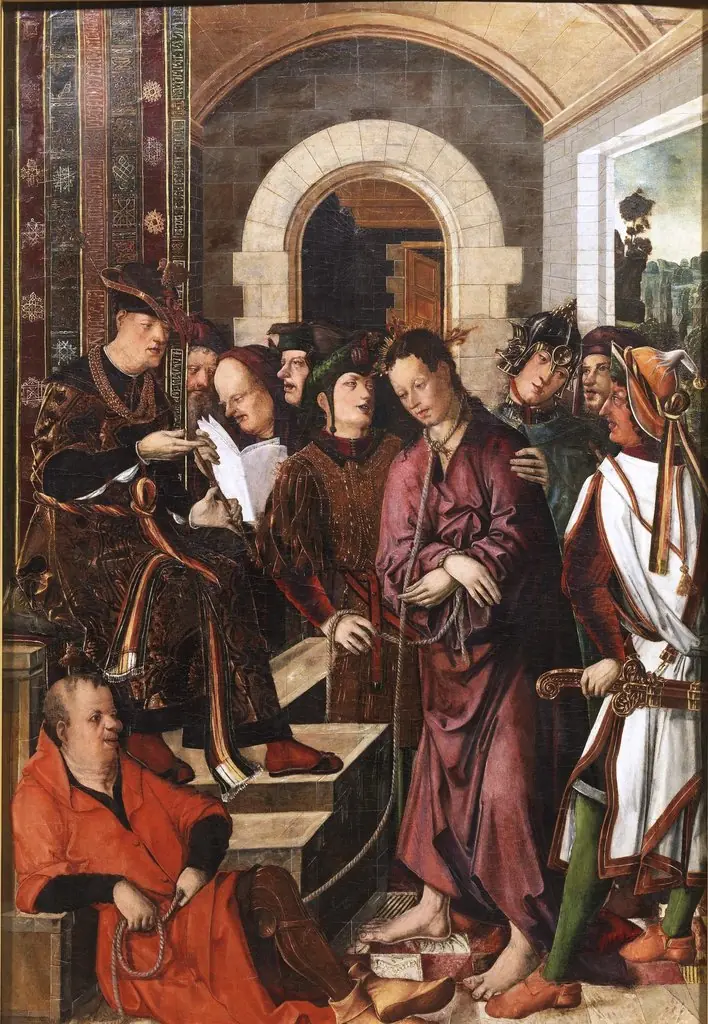 Christ before Pilate
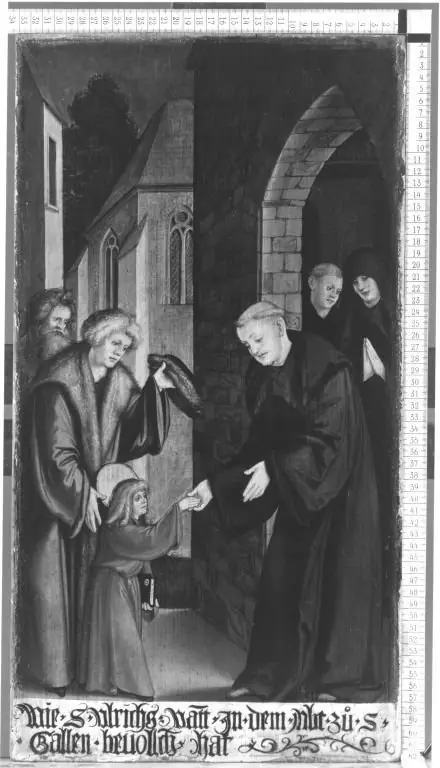 Der hl. Ulrich vor dem Abt von St. Gallen