Artwork
Colossal Head of the Sphinx of Giza
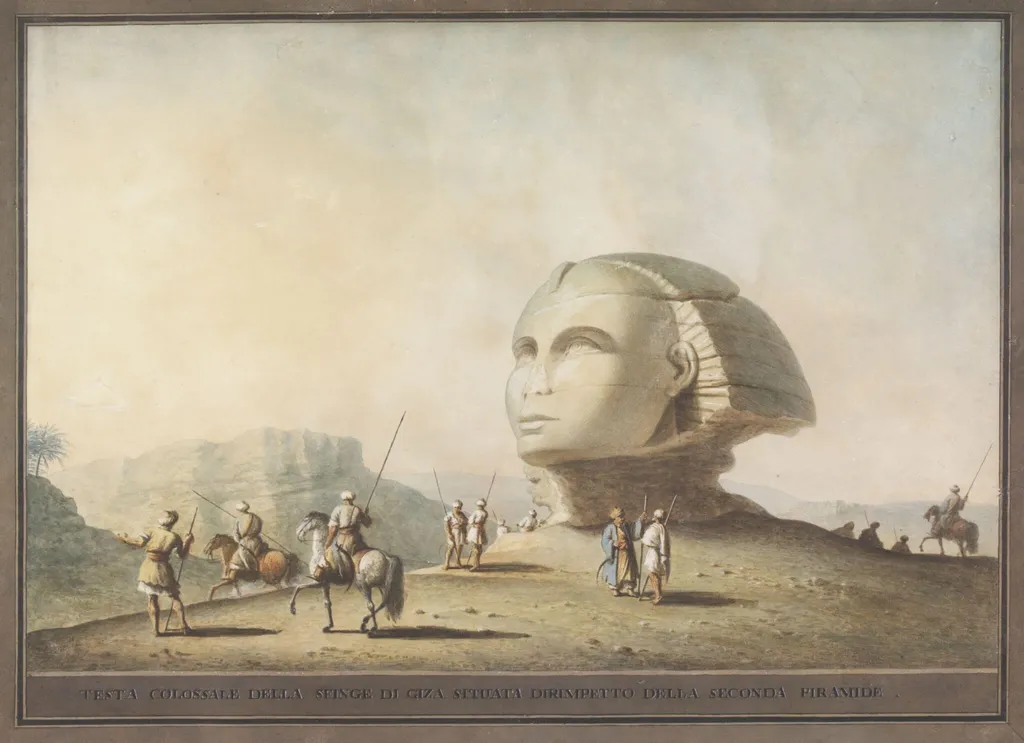
Colossal Head of the Sphinx of Giza is a watercolor work on paper by the Romanticist artist Luigi Mayer. It dates from 1800 and is held in the collection of the Victoria and Albert Museum.
About this work
Overview
Luigi Mayer's circa 1800 watercolour, *Colossal Head of the Sphinx of Giza*, captures the monumental stone head of the Sphinx set against a desert landscape, contrasting its grandeur with the small figures of observers.
Subject & Meaning
The artwork depicts the Sphinx's smooth, rounded face and striped headdress, emphasizing its imposing presence. The juxtaposition of the colossal head with diminutive onlookers on horseback and foot underscores the ancient monument's awe-inspiring scale and mystique.
Technique & Style
Mayer employed watercolour to achieve a sense of grandeur and mystery, characterized by a pale sky, varied earth tones, and meticulous rendering of the Sphinx's details against a more suggestively drawn landscape.
History & Provenance
Originally part of Mayer's *Egypt* (1801–04), published as an aquatint titled *Head of the Colossal Sphinx*, the watercolour was owned by P. Mullins before its 1969 acquisition by the current collection.
Context
Created during a period of heightened European interest in Egyptian antiquities, Mayer's work reflects the era's blend of historical documentation and romantic imagination regarding the Orient.
Artist & collection

Artist
Luigi Mayer (1755–1803) was an Italian-German artist and one of the earliest and most important late 18th-century European painters of the Ottoman Empire.

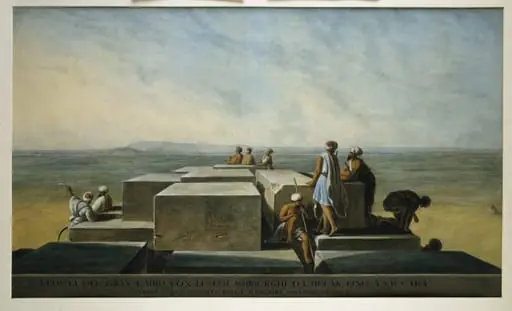 View of Grand Cairo from the Summit of the Great Pyramid of Giza
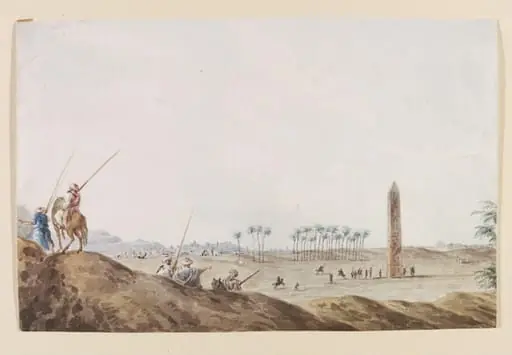 An Ancient Obelisk At Matarea, Formerly Heliopolis
 Portrait of Clara Mayer
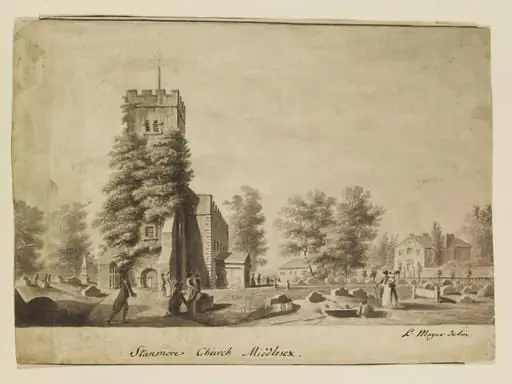 Stanmore Church Middlesex
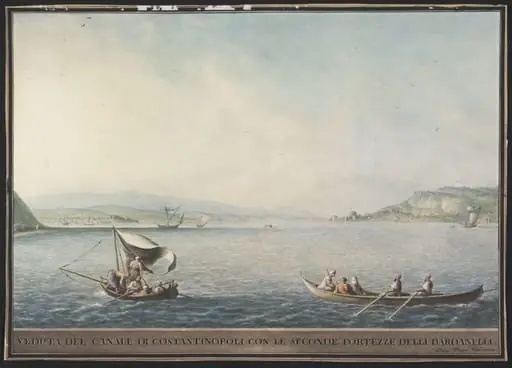 View of the Straits with the Second Fortress of the Dardanelles
![Dance of Peasants [possibly in Belgrade near Constantinople], by Luigi Mayer](https://artifactworldgallery.com/img/luigi-mayer--dance-of-peasants-possibly-in-belgrade-near-constantinople--e0530a0b87d5c4c1-w320.webp) Dance of Peasants [possibly in Belgrade near Constantinople]
Dance of Peasants [possibly in Belgrade near Constantinople]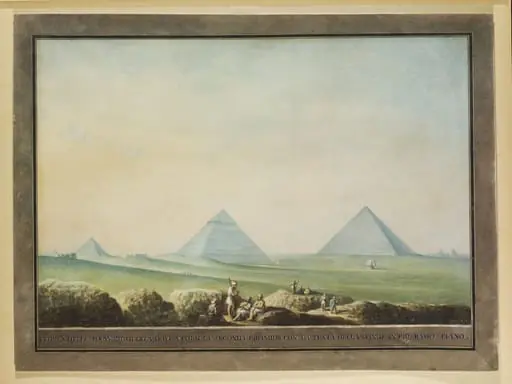 The Pyramids of Giza
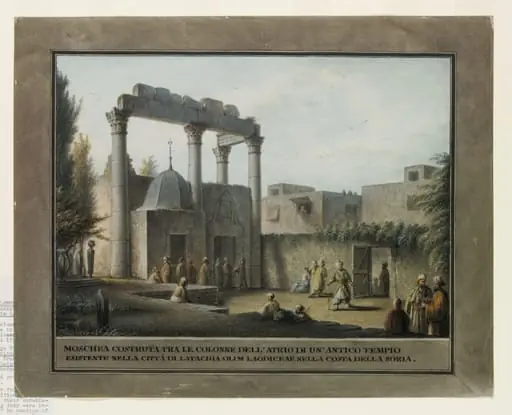 Mosque built between the columns of an ancient temple in Latakia on the coast of Syria, about 1800
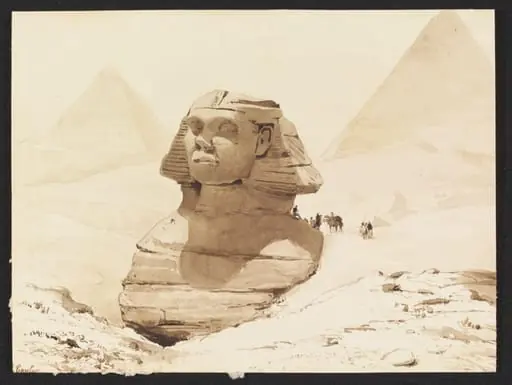 Le Sphinx
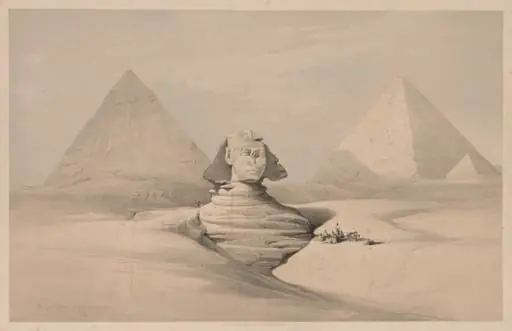 Egypt and Nubia: Volume I - No. 18, The Great Sphinx, Pyramids of Gizeh, Front View
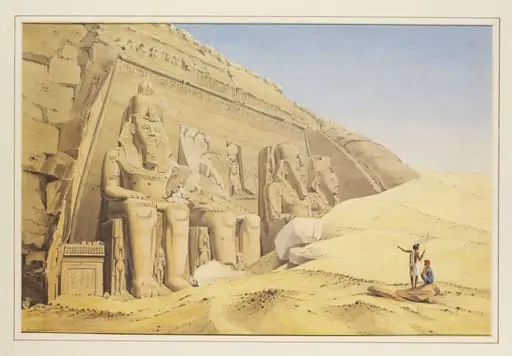 Temple de Ipsamboul
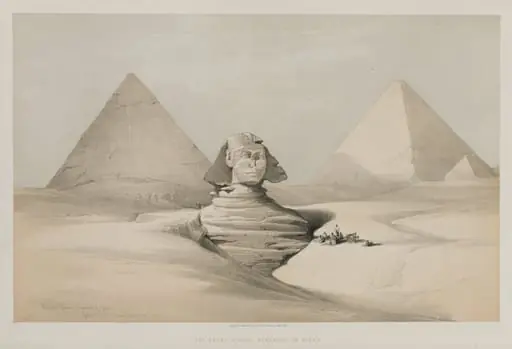 Egypt and Nubia, Volume I: The Great Sphinx, Pyramids of Gezeeh
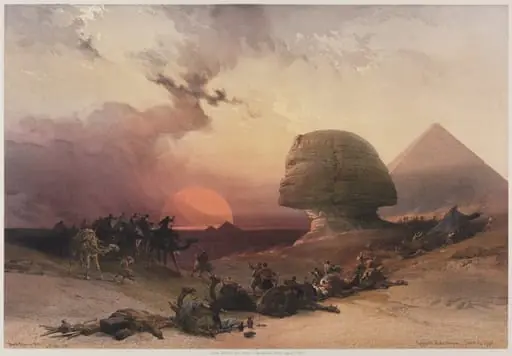 Egypt and Nubia, Volume III: Approach of the Simoon-Desert at Gizeh
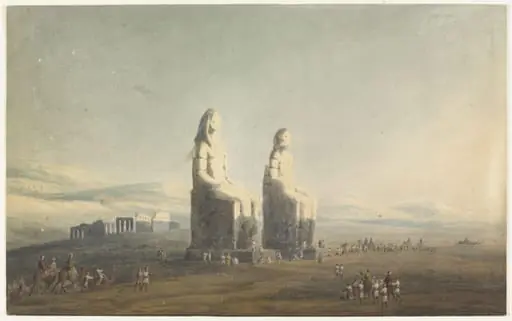 In the Plain of Thebes - Egypt
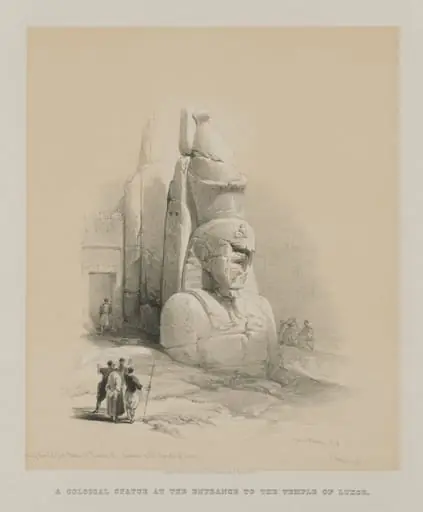 Egypt and Nubia, Volume I: One of Two Colossal Statues of Rameses II. Entrance to the Temple of Luxor