Artwork
Henrietta Maria, Queen of Charles I
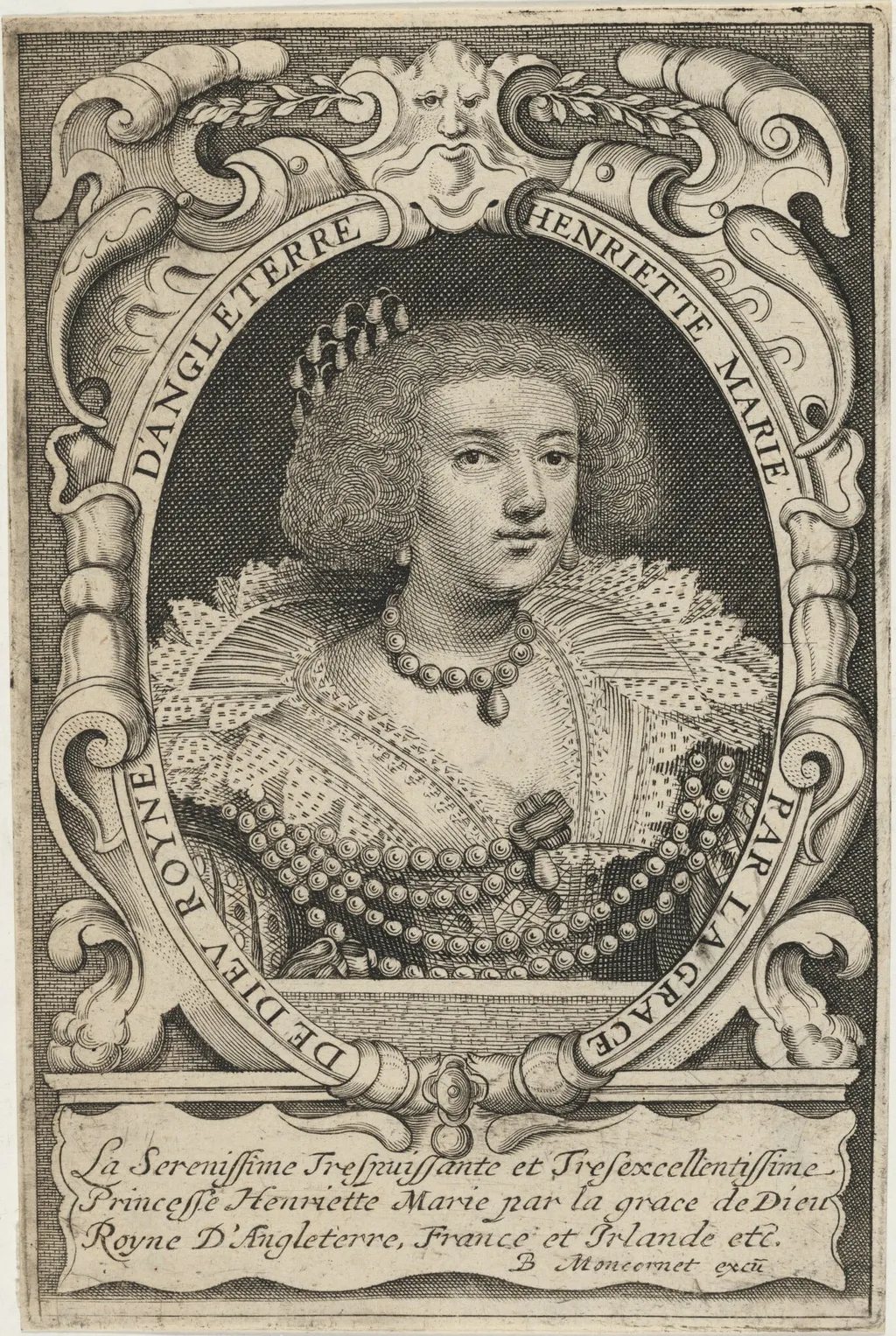
Henrietta Maria, Queen of Charles I is an ink print by the Baroque artist Balthasar Moncornet. It dates from 1634 and is held in the collection of the National Gallery of Art.
About this work
Overview
Executed in black and white using etching techniques, the portrait emphasizes formal dignity through precise linework and restrained composition.
This 1634 engraving by French artist Balthasar Moncornet portrays Henrietta Maria, queen consort to Charles I of England. Executed in black and white using etching techniques, the portrait emphasizes formal dignity through precise linework and restrained composition. The image was produced as a reproductive print, intended for circulation among elite audiences across Europe to reinforce royal visibility.
Subject & Meaning
Henrietta Maria is depicted with a composed, solemn expression, dressed in a high-collared gown adorned with a pearl necklace and holding a fan. Her attire and posture reflect courtly decorum, while the inscriptions around her—identifying her as Queen of England, France, and Ireland—assert her dynastic status. The imagery serves not as a personal likeness but as a political statement of legitimacy and sovereignty.
Technique & Style
Moncornet employed etching to achieve fine, controlled lines characteristic of 17th-century reproductive prints. The background is minimal, drawing focus to the figure, while ornamental scrollwork frames the composition. The precision of the engraving reflects the technical standards of the time, where clarity and detail were prioritized for wide dissemination and enduring reproduction.
History & Provenance
Created in Paris during Henrietta Maria’s years in exile, the print likely circulated among French and English royalist circles. Moncornet, known for documenting European nobility, produced this image as part of a broader effort to record prominent figures of the era. Its survival suggests it was valued as both art and historical record, possibly collected by courtiers or diplomats.
Context
In the early 1630s, Henrietta Maria’s position as a Catholic queen in Protestant England made her a symbol of religious and political tension. Her image, circulated in neutral France, served to affirm her status abroad. Such engravings were tools of soft power, reinforcing royal authority when direct representation at home was politically fraught.
Legacy
The engraving remains a documented example of how royal imagery was mechanically reproduced in early modern Europe. It reflects the role of print culture in shaping public perception of monarchy beyond the confines of court portraiture. Moncornet’s work contributes to a broader archive of visual diplomacy from the period.
Artist & collection
Artist
Balthasar Moncornet (1600, Rouen – 1668, Paris) was a French painter, engraver, and tapissier revered for his depictions of around 45 different prominent figures of the 17th century.

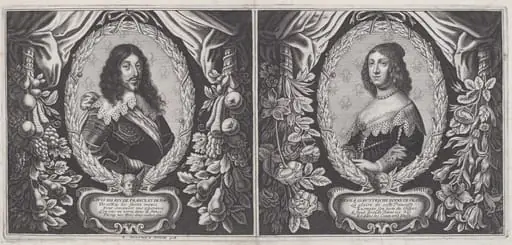
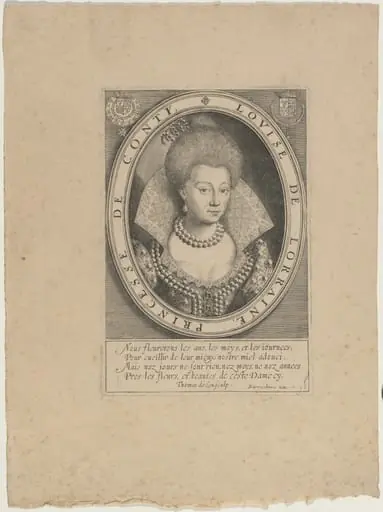 Louise Marguerite de Lorraine, Second Wife ofFrancois, Prince of Conti
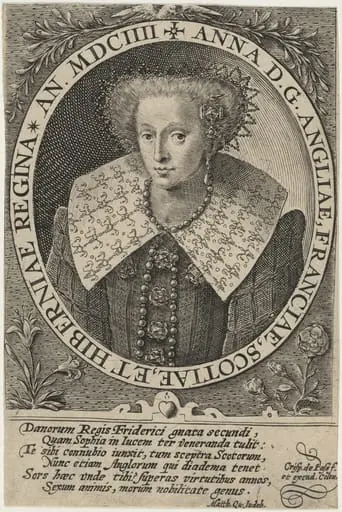 Anne of England
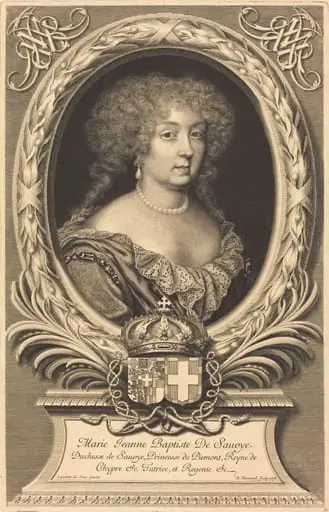 Marie-Jeanne-Baptiste, Duchesse de Savoie
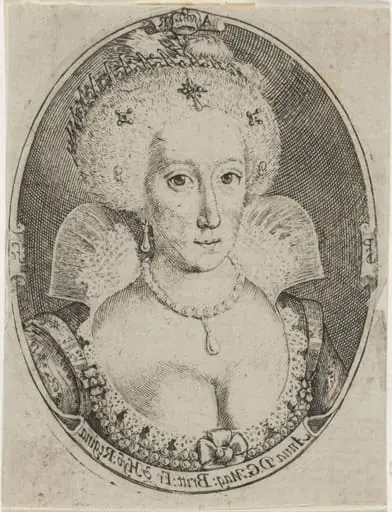 Anne of Denmark
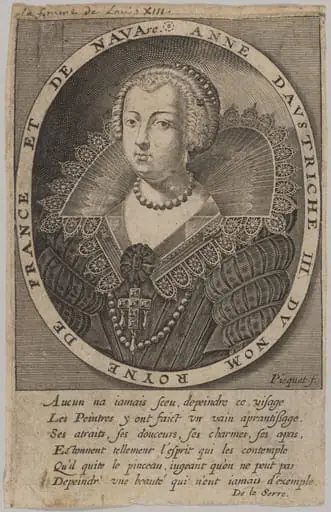 Anne of Austria, Wife of Louis XIII
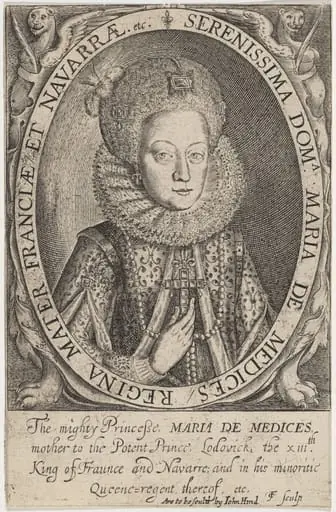 Marie de Medici, Wife of Henry IV of France
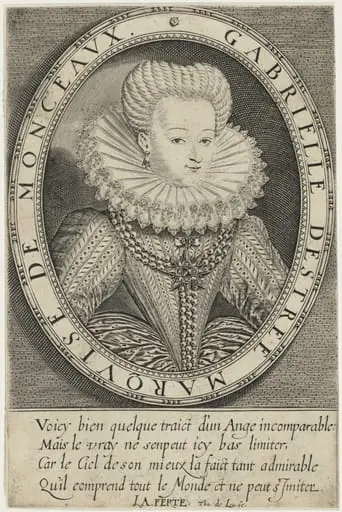 Gabrielle D'Estrees, Marquise de Monceaux
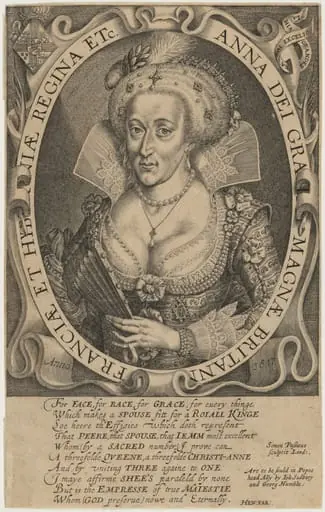 Anne of Denmark
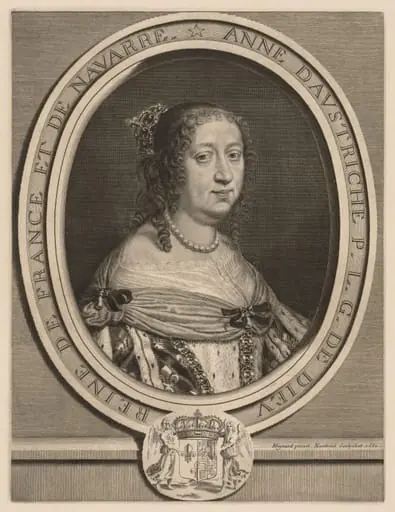 Anne of Austria, Queen of France
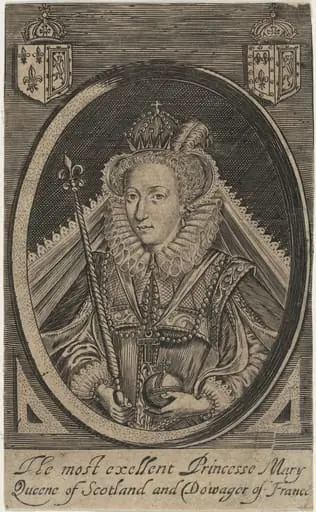 Mary, Queen of Scots