Artwork
Saint Charles, Cardinal Borromeo
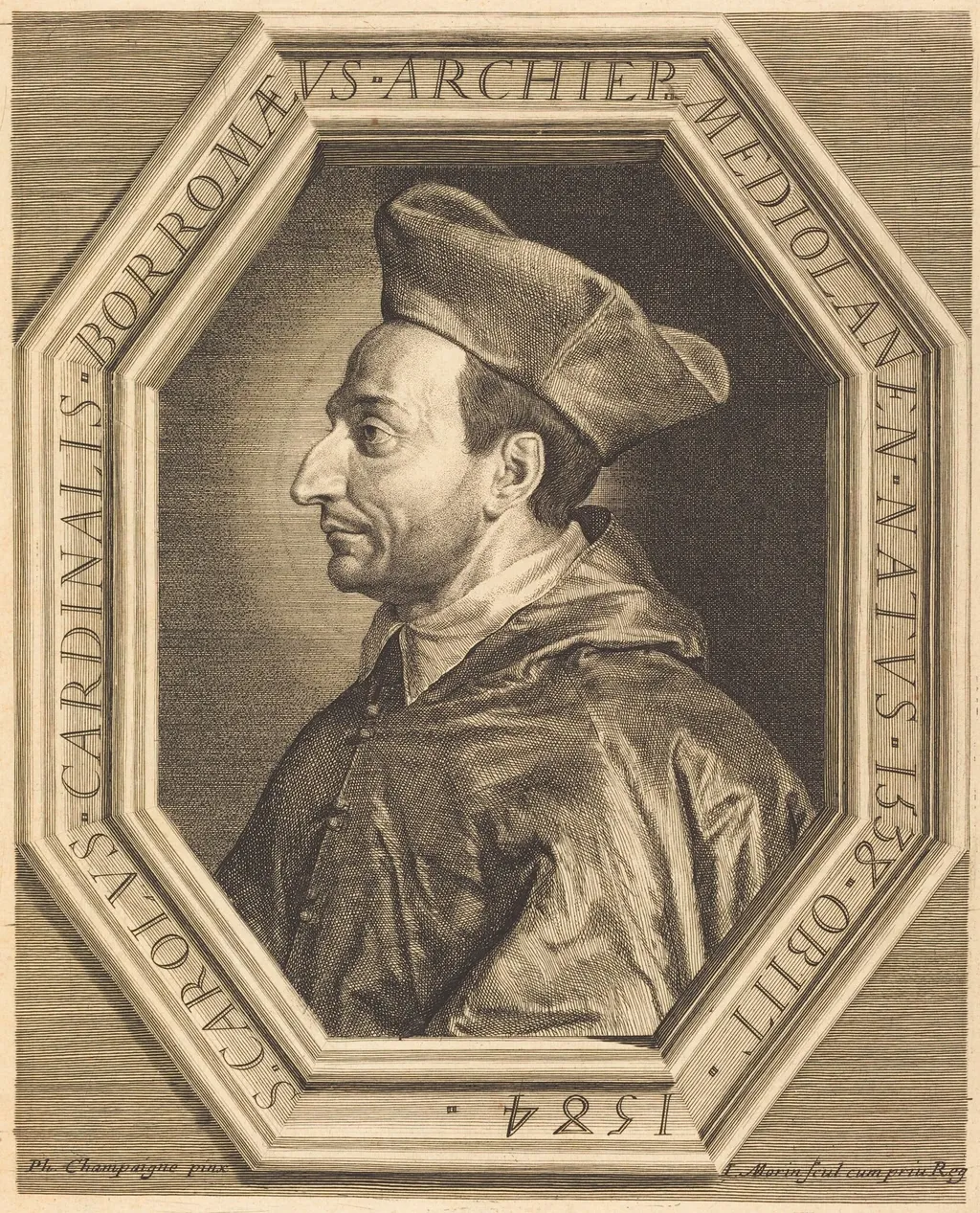
Saint Charles, Cardinal Borromeo is an ink print by the Baroque artist Jean Morin. It dates from 1625 and is held in the collection of the National Gallery of Art.
About this work
Overview
This work is one of several religious portraits he created, reflecting his dual role as both printmaker and publisher in Parisian artistic circles.
Jean Morin produced this print in 1625, combining etching, engraving, and stippling on laid paper. As a French artist active in the early Baroque era, Morin was known for his technical innovation in printmaking, blending multiple methods to achieve nuanced tonal effects. This work is one of several religious portraits he created, reflecting his dual role as both printmaker and publisher in Parisian artistic circles.
Subject & Meaning
The portrait depicts Saint Charles Borromeo, a 16th-century Italian cardinal renowned for his reformist leadership during the Counter-Reformation. Morin presents him in full ecclesiastical regalia—miter, cope, and rochet—emphasizing his authority and piety. The solemn expression and upright posture convey moral gravitas, aligning with the Church’s desire to project spiritual discipline and institutional strength during a period of religious upheaval.
Technique & Style
Morin employed fine, controlled lines from engraving to define contours and folds, while etching allowed for softer, fluid shading. Stippling added subtle gradations of tone, particularly in the fabric and facial modeling. The layered techniques created a sense of depth and texture uncommon in earlier prints, demonstrating Morin’s mastery in translating painterly effects into the medium of print.
History & Provenance
The print was made during Morin’s most active period in Paris, where he published works by other artists alongside his own. Though no early ownership records are widely documented, the print likely circulated among clergy and collectors interested in Counter-Reformation imagery. Its survival in multiple institutional collections suggests it was reproduced and valued for its technical precision and devotional subject.
Context
In early 17th-century France, religious imagery in print served both devotional and propagandistic ends. Morin’s portrayal of Borromeo aligned with broader efforts to promote model bishops as exemplars of reform. The print’s detailed execution mirrored the era’s fascination with technical virtuosity, while its subject reinforced Catholic orthodoxy amid Protestant challenges across Europe.
Legacy
Morin’s synthesis of etching and engraving influenced later French printmakers seeking greater tonal range. While not widely known today, his technical approach helped bridge the gap between Renaissance draftsmanship and Baroque graphic expression. This print remains a representative example of how religious iconography was refined through print technology in the early modern period.
Artist & collection
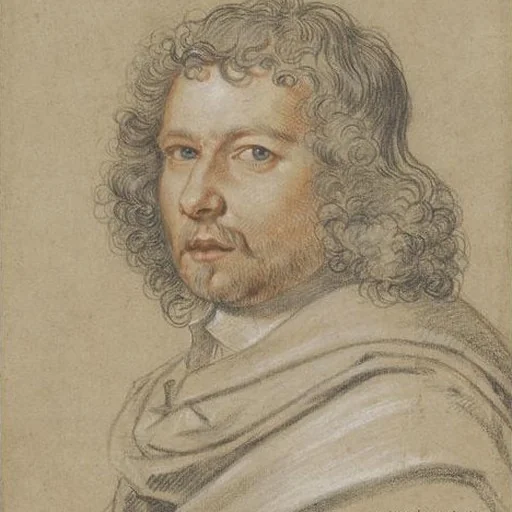
Artist
Jean Morin (c.1595 or 1605 – 1650) was a French baroque painter, printmaker, painter, etcher, engraver and publisher.