Artwork
Hercules Killing the Hydra
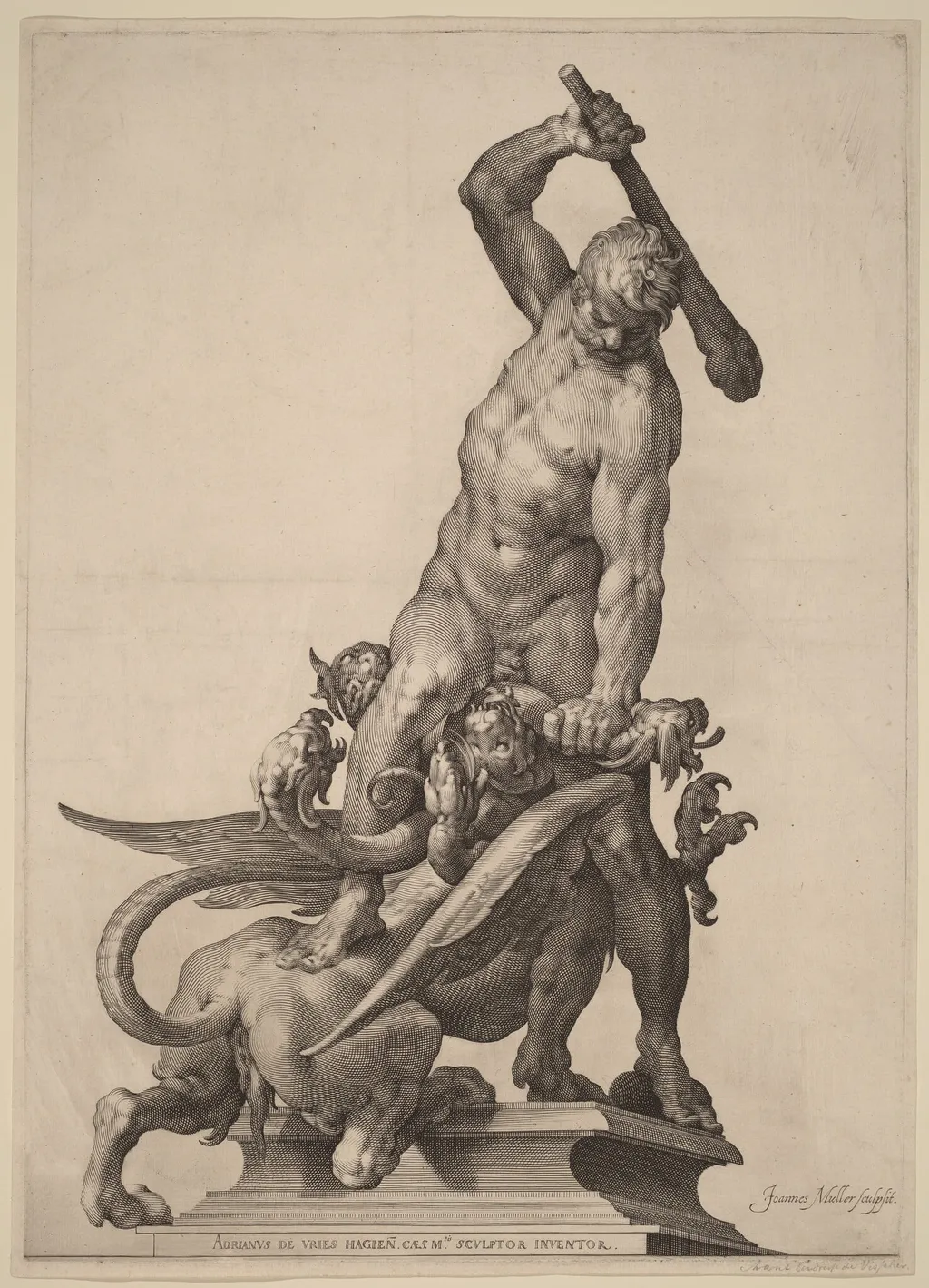
Hercules Killing the Hydra is an ink print by the Baroque artist Jan Muller. It dates from 1602 and is held in the collection of the National Gallery of Art. Created around 1602 by Jan Harmensz.
About this work
Overview
As a Dutch artist trained in his father’s printmaking business, Muller brought technical precision to the scene after studying in Italy.
Created around 1602 by Jan Harmensz. Muller, this black-and-white engraving illustrates the mythic battle between Hercules and the Lernaean Hydra. As a Dutch artist trained in his father’s printmaking business, Muller brought technical precision to the scene after studying in Italy. The work belongs to a broader tradition of Northern European printmaking that translated classical narratives into detailed monochrome compositions for wider circulation.
Subject & Meaning
The scene captures Hercules in the midst of his second labor, overpowering the nine-headed serpent whose heads regenerate when cut. The engraving emphasizes physical struggle and divine heroism, aligning with Renaissance ideals of strength and perseverance. The tangled bodies of the Hydra and Hercules’ strained posture convey a moment of intense effort, reinforcing the myth’s theme of overcoming seemingly endless challenges.
Technique & Style
Muller employed fine, controlled lines to model form and depth, using cross-hatching and varied line density to suggest shadow and texture. The muscular anatomy of Hercules and the sinuous coils of the Hydra are rendered with meticulous attention to volume, creating a sense of three-dimensionality despite the medium’s flat surface. This approach reflects the influence of Italian Renaissance draftsmanship on Northern engravers of the period.
History & Provenance
Jan Harmensz. Muller inherited his father’s Amsterdam print shop and maintained its operations while producing original engravings. This work likely circulated as part of a series of mythological subjects, popular among collectors and scholars. Though specific early ownership records are sparse, its technical quality suggests it was produced for an educated, urban audience familiar with classical mythology.
Context
In early 17th-century Northern Europe, mythological themes were frequently adapted for prints, serving both decorative and intellectual purposes. Engravings like this one bridged the gap between high art and accessible imagery, allowing patrons to engage with classical stories without commissioning costly paintings. Muller’s training in Italy positioned him to synthesize Italian compositional ideals with Dutch technical rigor.
Legacy
Muller’s engraving contributed to the dissemination of classical narratives in print form across Europe. His precise line work influenced later generations of engravers, particularly in the Netherlands, where printmaking remained a vital artistic medium. While not widely reproduced today, the work remains a representative example of how mythological subjects were interpreted through the disciplined craft of engraving in the early Baroque era.
Artist & collection

Artist
Jan Harmensz. Muller (1571–1628) was a Dutch engraver and painter. Muller was born in Amsterdam. His father was a book printer, engraver and publisher. He learned the engraving trade while working in the family…

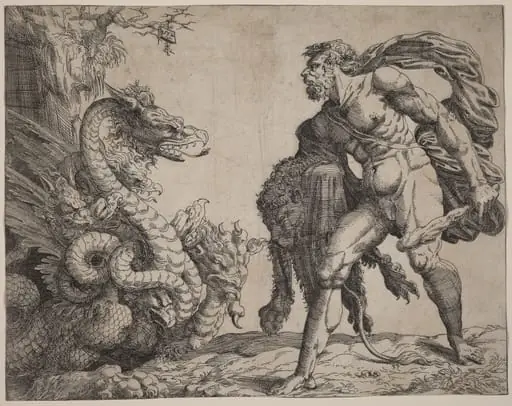 Hercules and the Hydra
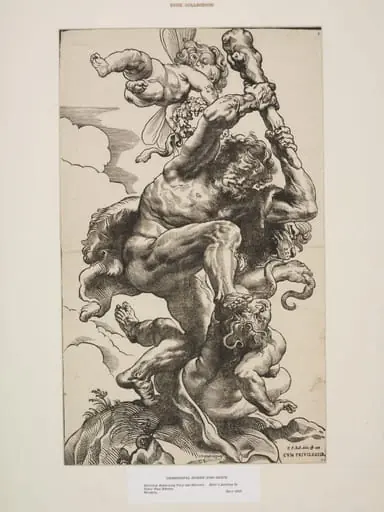 Hercules Exterminating Fury and Dischord
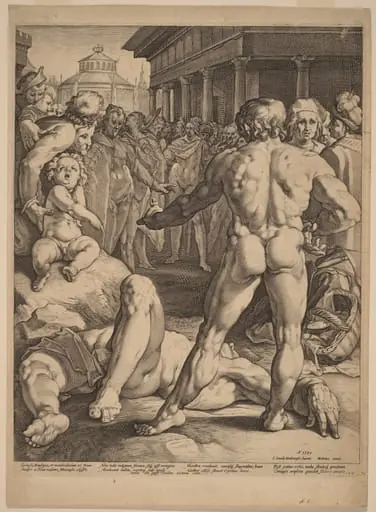
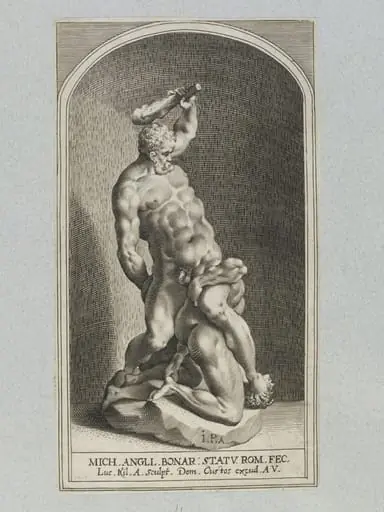 Hercules Killing Cacus
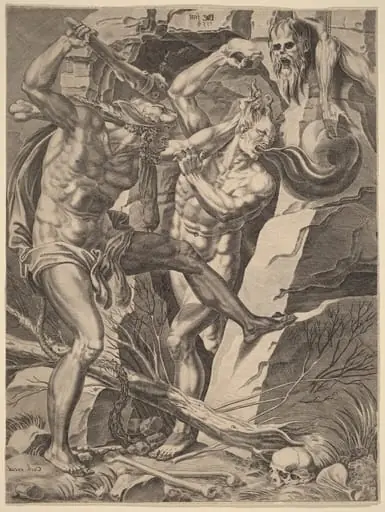 Hercules Killing Cacus
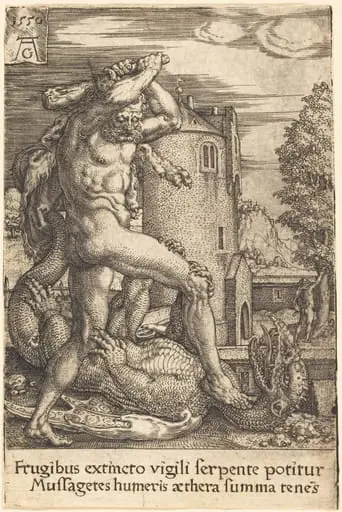 Hercules Slaying the Dragon
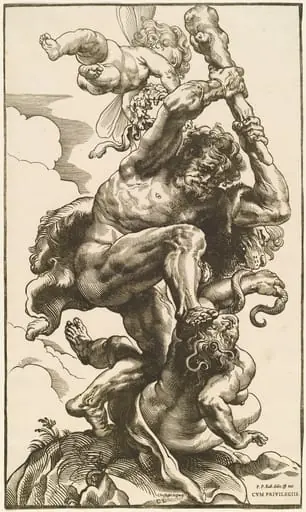 Hercules Fighting the Fury and the Discord
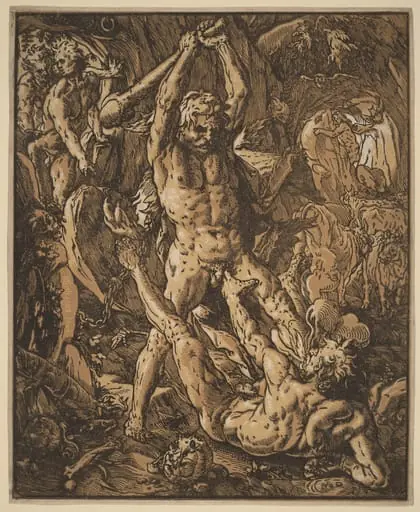 Hercules Killing Cacus
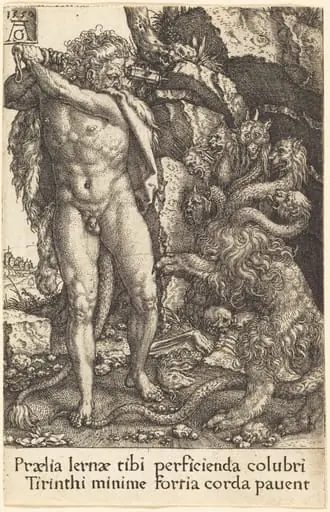 Hercules Fighting with the Hydra of Lernea
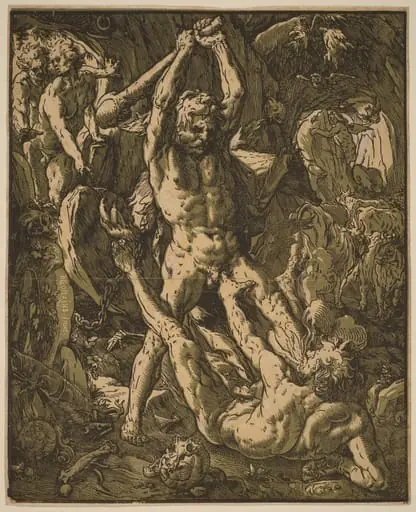 Hercules Killing Cacus
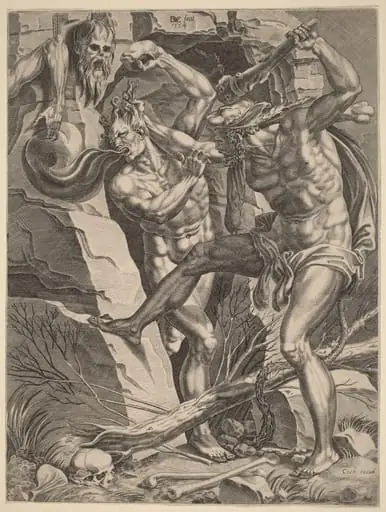 Hercules Killing Cacus
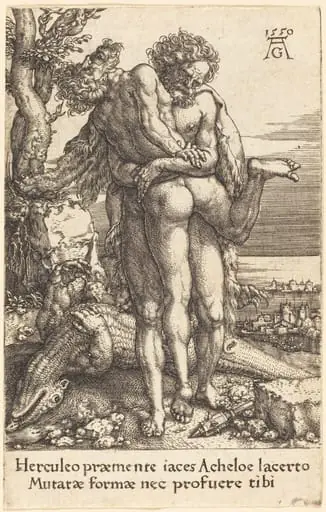 Hercules Fighting the Rivergod Achelus