Artwork
Harpocrates
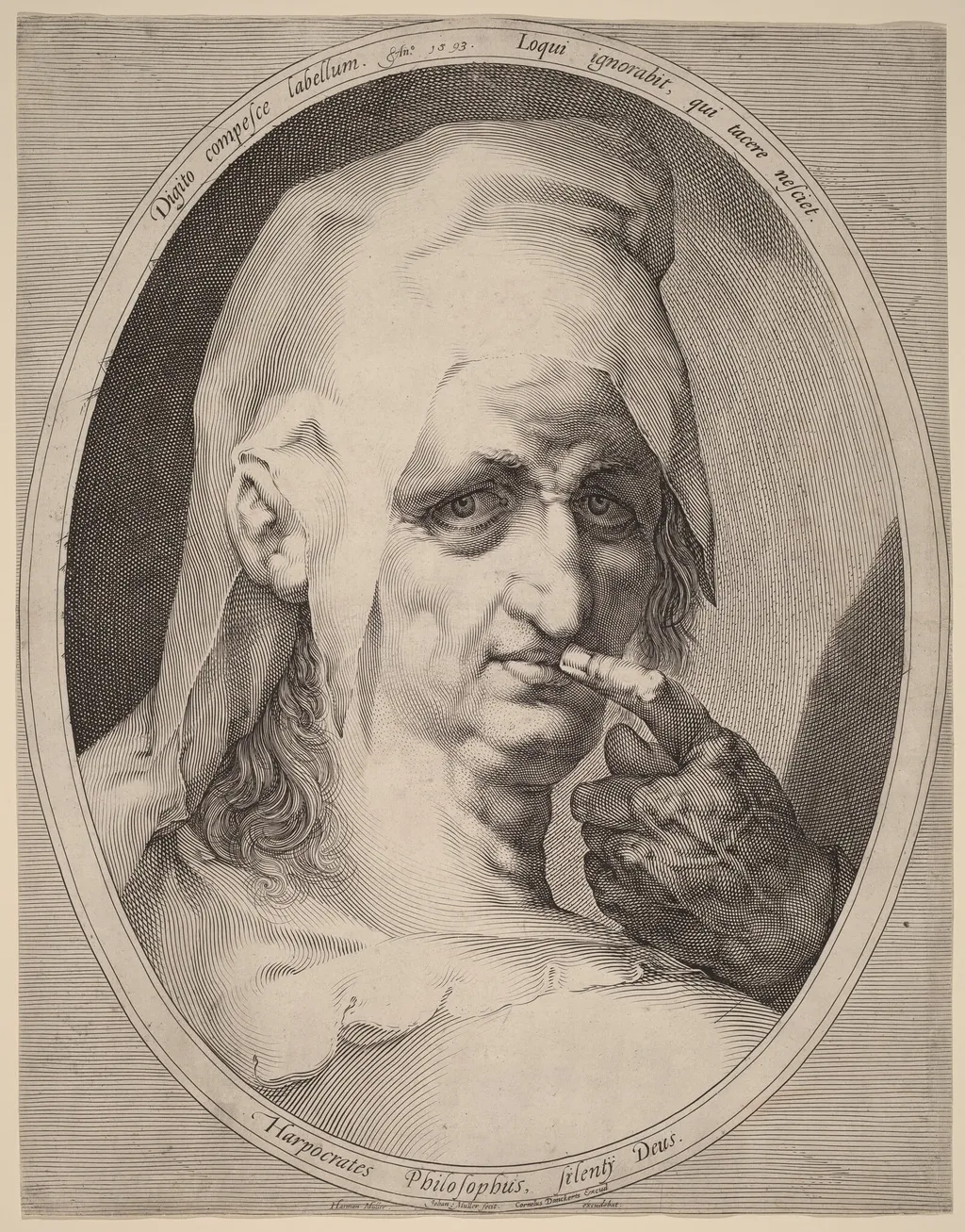
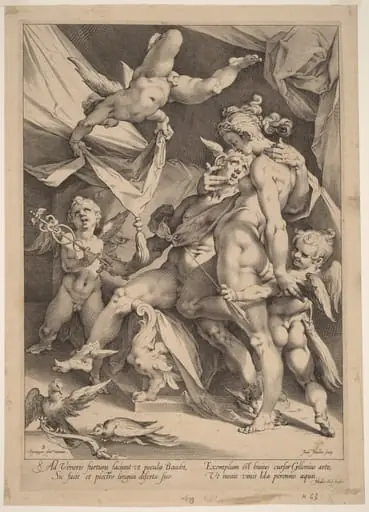
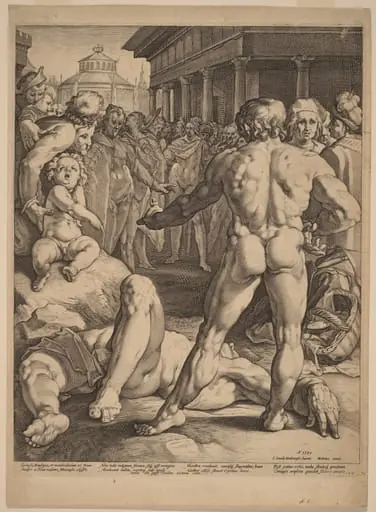
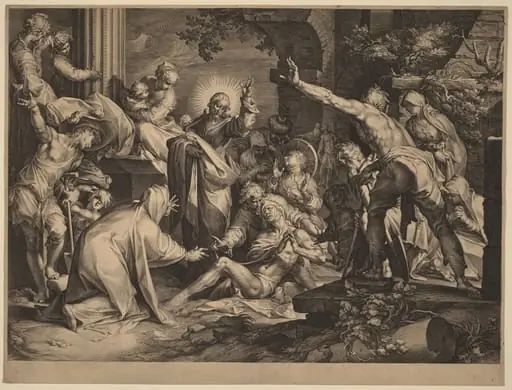
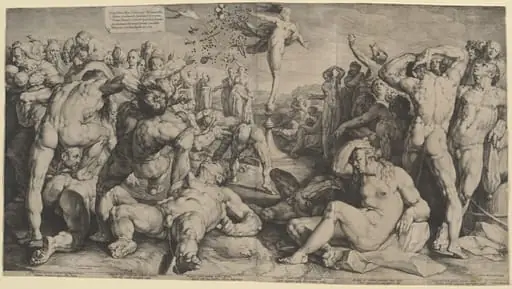
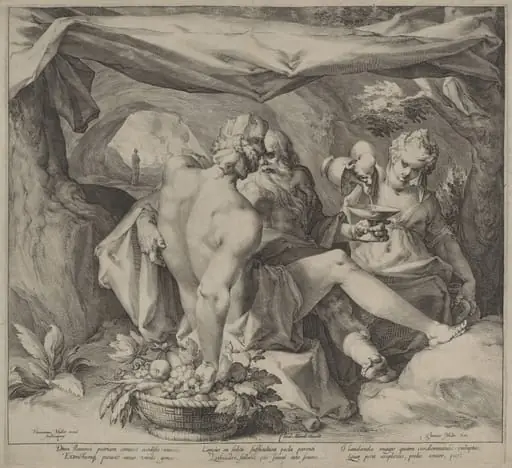
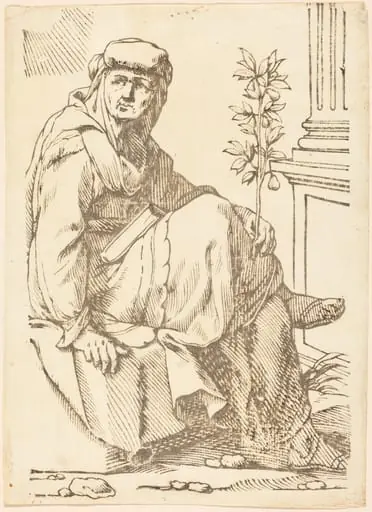
Harpocrates is an ink print by the Renaissance artist Jan Muller. It dates from 1593 and is held in the collection of the National Gallery of Art. Jan Harmensz.
About this work
Overview
The work exemplifies the Northern European print tradition of the late sixteenth century, combining classical subject matter with meticulous draftsmanship.
Jan Harmensz. Muller’s 1593 engraving titled Harpocrates presents a youthful figure with a finger pressed to his mouth, a conventional sign of silence. The composition is rendered in delicate black lines on paper, showing the child‑like deity against a plain background. The work exemplifies the Northern European print tradition of the late sixteenth century, combining classical subject matter with meticulous draftsmanship.
Subject & Meaning
The image portrays Harpocrates, originally an Egyptian child god later identified with the Greek concept of silence. He is shown with a calm, solemn expression, his hand covering his lips to signal secrecy. A serpent coils around his forearm, an uncommon attribute that may allude to protection or the hidden nature of spoken words, reinforcing the theme of quietude.
Technique & Style
Muller employed fine cross‑hatching to model form and suggest volume, layering intersecting lines to achieve subtle tonal gradations. The engraving’s precise incisions into a copper plate allow for intricate detailing, especially in the folds of the garment and the texture of the snake’s scales, creating a convincing sense of three‑dimensionality within the flat medium.
History & Provenance
Born in Amsterdam in 1571 to a family of printers and engravers, Muller trained in his father’s workshop before a period of study in Italy, where he absorbed contemporary artistic currents. After returning to the Netherlands he assumed control of the family business, continuing its reputation for high‑quality prints. The Harpocrates plate was likely produced for the commercial market of the 1590s.
Context
During the Renaissance, classical and Egyptian motifs were revived across Europe, and Harpocrates became a popular emblem of secrecy in decorative arts. Muller's print reflects this fascination, translating an ancient deity into a format accessible to collectors and scholars through the reproducible medium of engraving, thereby disseminating the iconography beyond elite circles.
Artist & collection

Artist
Jan Harmensz. Muller (1571–1628) was a Dutch engraver and painter. Muller was born in Amsterdam. His father was a book printer, engraver and publisher. He learned the engraving trade while working in the family…