Artwork
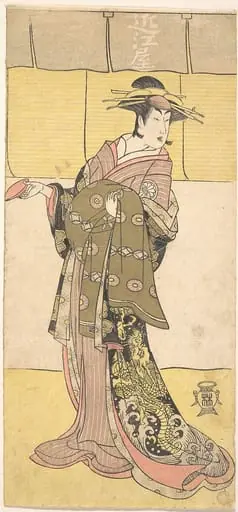
The Actor Sanogawa Mangiku as a woman walking in the snow
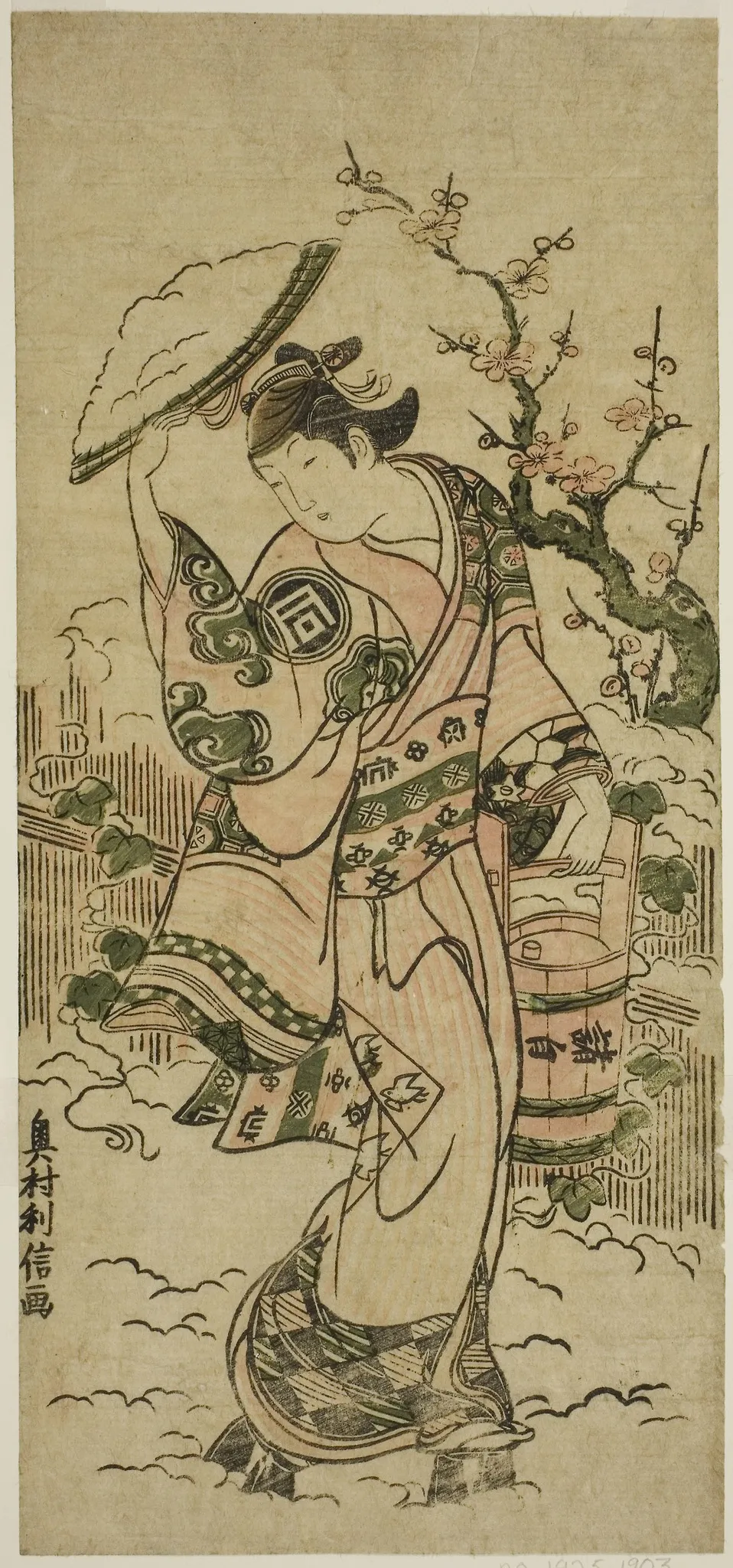
The Actor Sanogawa Mangiku as a woman walking in the snow is an unspecified painting by the Ukiyo-e artist Okumura Toshinobu. It dates from 1742 and is held in the collection of the Art Institute of Chicago.
About this work
Overview
Painted in 1742 by Okumura Toshinobu, this work depicts the kabuki actor Sanogawa Mangiku in a female role, traversing a snowy landscape. Executed in ink and color on paper, it belongs to the ukiyo-e tradition of Japanese printmaking and painting. The piece is currently housed in the Art Institute of Chicago, where it represents the intersection of theater and visual art in Edo-period Japan.
Subject & Meaning
The image reflects the cultural fascination with role reversal and emotional nuance in Edo-era performance.
Sanogawa Mangiku, a renowned male actor, portrays a woman navigating winter’s quiet solitude. The scene evokes the transient beauty of nature and the performative nature of gender in kabuki theater. Snow symbolizes purity and impermanence, while the figure’s poised movement suggests grace under hardship. The image reflects the cultural fascination with role reversal and emotional nuance in Edo-era performance.
Technique & Style
Toshinobu employed delicate ink lines and soft washes of color to render the figure and environment. The composition emphasizes asymmetry and negative space, typical of ukiyo-e aesthetics. Facial features are subtly modeled, and the snowfall is suggested through faint, scattered strokes rather than detailed depiction. The use of paper as support allows for a light, atmospheric quality that enhances the scene’s quiet mood.
History & Provenance
Created during the early decades of the 18th century, the painting likely originated as a single-sheet work for private collectors or theater patrons. It entered the Art Institute of Chicago’s collection in the 20th century, following the broader Western interest in Japanese prints and paintings. Its survival in good condition is uncommon, as many such works were fragile and frequently handled.
Context
In Edo-period Japan, kabuki actors were celebrated cultural figures, and depictions of them in role were popular subjects. Artists like Toshinobu catered to audiences who admired both theatrical performance and visual art. This painting reflects the blending of stage identity with everyday imagery, a hallmark of ukiyo-e’s engagement with urban life and popular entertainment.
Legacy
The work contributes to the understanding of how Japanese artists translated live performance into static imagery. It preserves a specific actor’s persona and the aesthetic conventions of his time. While not widely reproduced, it remains a significant example of early 18th-century actor portraiture and the nuanced representation of gender in Japanese visual culture.
Artist & collection


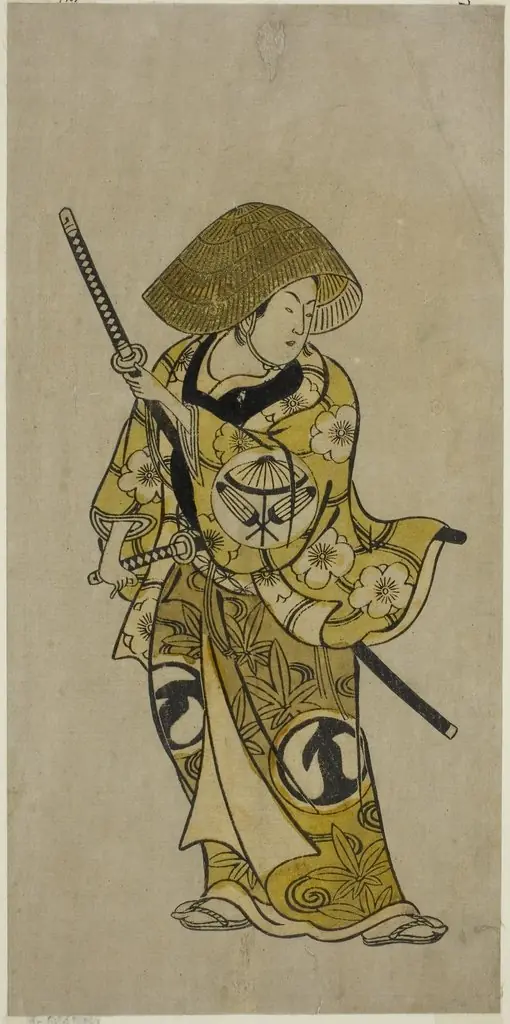
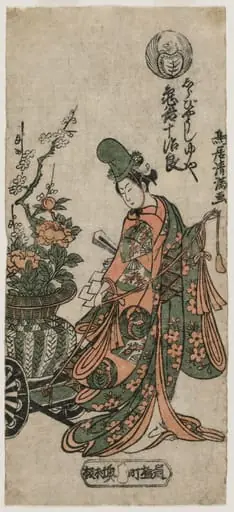 Kametani Jujiro as the Shirabyoshi Dancer Yuya
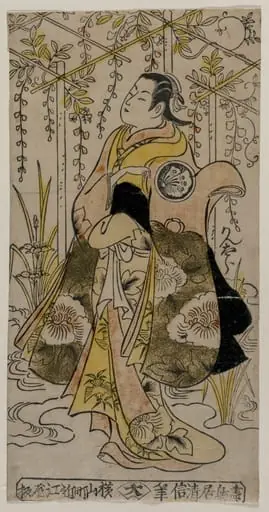 Sanjo Kantaro as a Young Woman Standing in a Wisteria Arbor
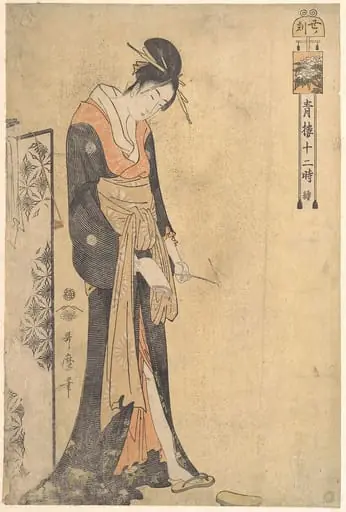 Ushi no Koku|青楼十二時 続 丑の刻|The Hour of the Ox (1 A.M.–3 A.M.)
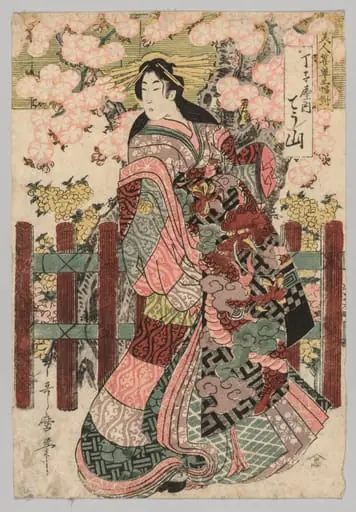 Chōzan of Chōjiya from the series Triptych of Beauties Before Blinds
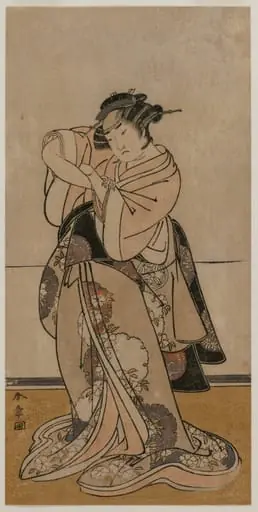 Actor Yamashita Yaozo
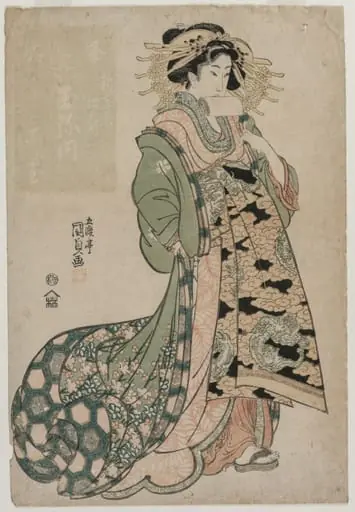 The Courtesan Shiratama of the Tamaya
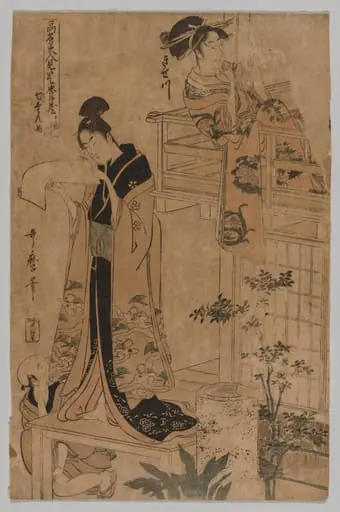 Act VII from the series The Storehouse of Loyal Retainers As Portrayed by Famous Beauties in Twelve Leaves
 The Salt Maidens, Murasame with Yukihira's Hat
 Untitled
 Untitled
 Woman Standing Beside a Plum Tree
 三代目瀬川菊之丞の近江屋の遊女|The Actor Segawa Kikunojō as a Courtesan of the Ōmiya Brothel