Artwork
Untitled
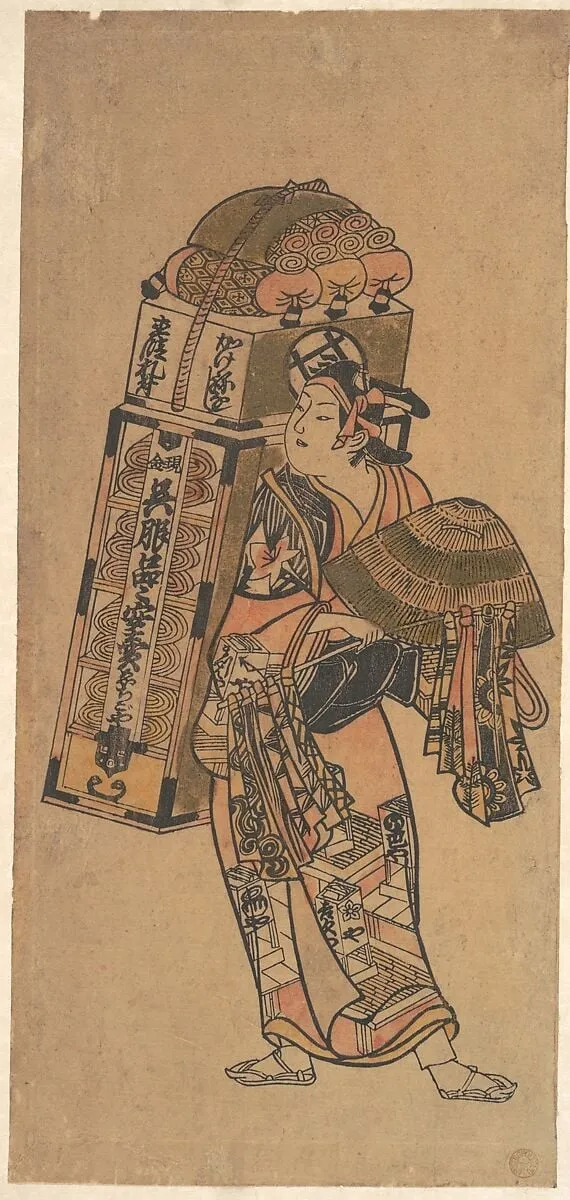
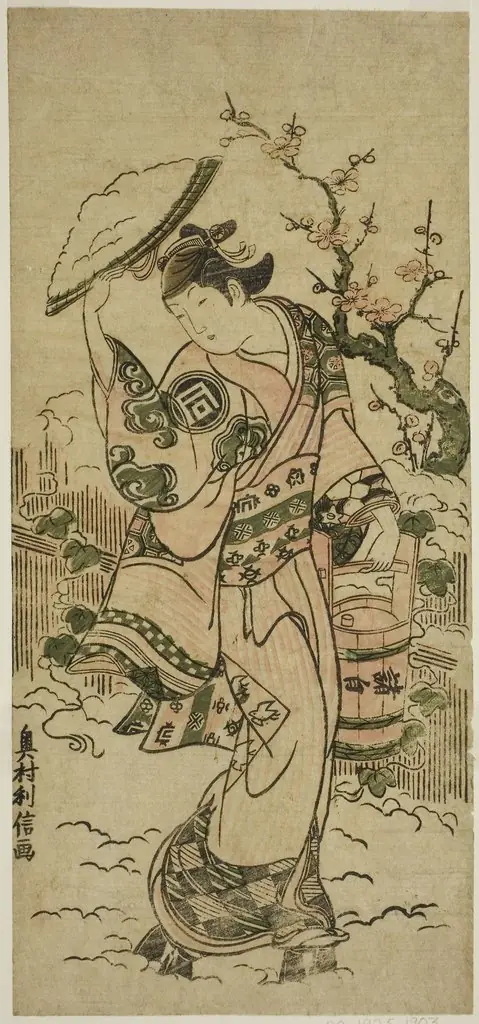
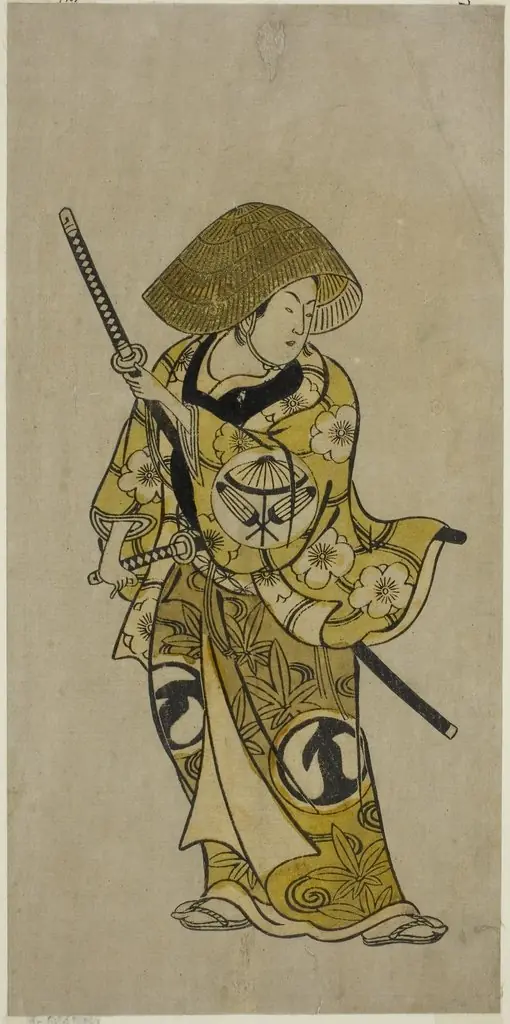
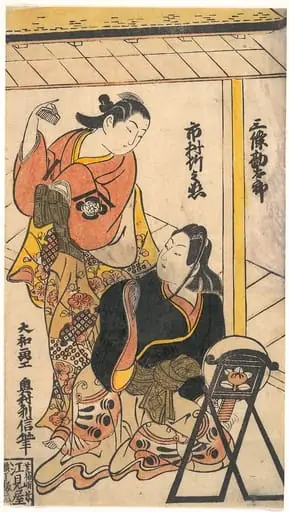
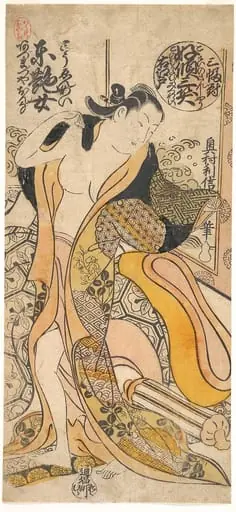
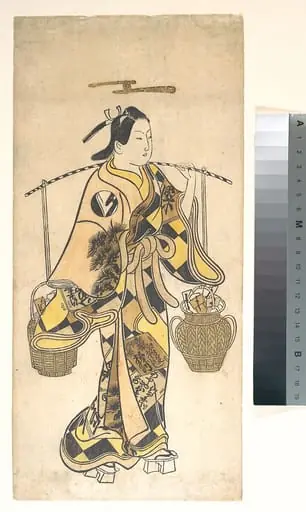
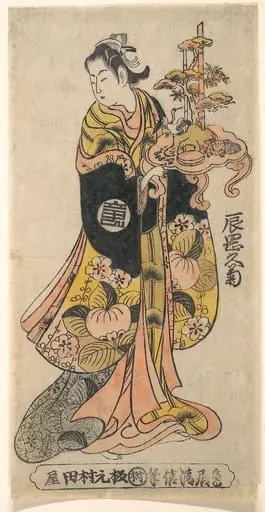
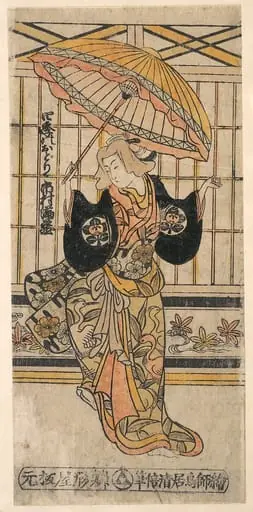
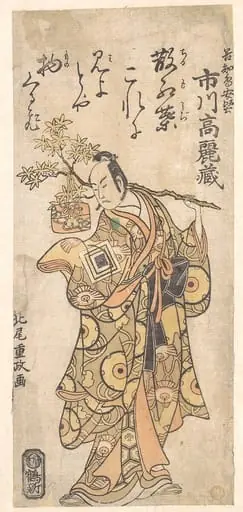
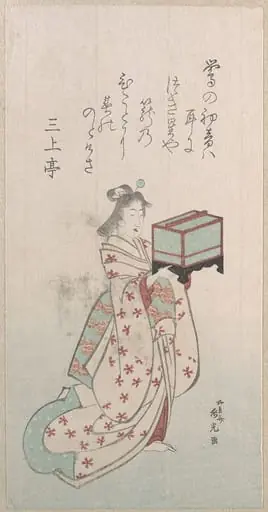
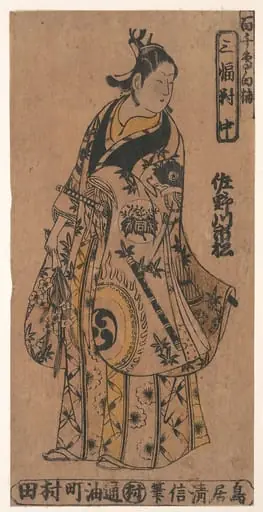
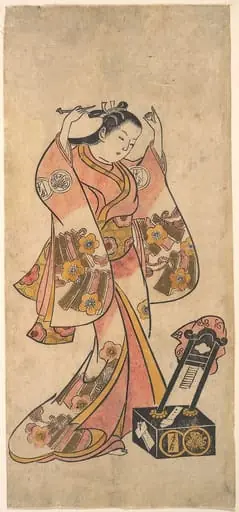
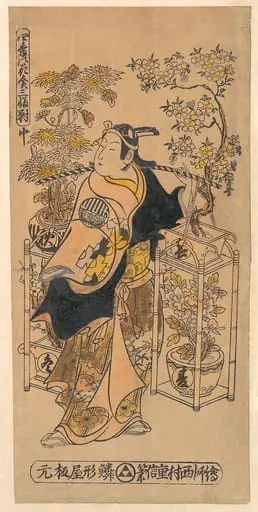
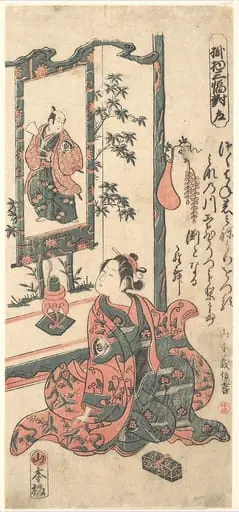
Untitled is an ink print by the Baroque artist Okumura Toshinobu. It dates from 1728 and is held in the collection of the Metropolitan Museum of Art.
About this work
Overview
The work is part of the collection at The Metropolitan Museum of Art, where it represents the aesthetic and commercial print culture of Edo-period Japan.
This woodblock print, dated around 1728, is attributed to Okumura Toshinobu and executed in the urushi-e technique, which employs lacquer-like ink to enhance details. Rendered in ink and color on paper, it exemplifies early 18th-century Japanese printmaking. The work is part of the collection at The Metropolitan Museum of Art, where it represents the aesthetic and commercial print culture of Edo-period Japan.
Subject & Meaning
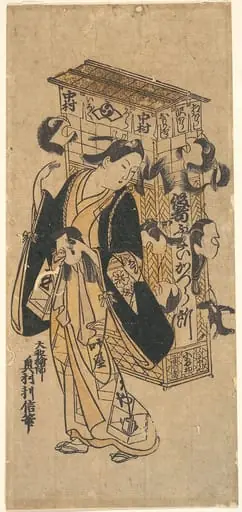
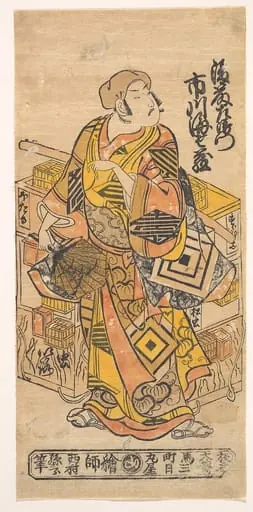
The figure depicted is dressed in elaborate attire, carrying a large, ornately labeled box, likely a ceremonial or luxury item. A round fan is held in one hand, suggesting status or ritual context. The composition emphasizes the weight and formality of the object, possibly indicating a messenger or attendant in a wealthy household. The scene reflects social customs around the transport of valuable goods during the Edo period.
Technique & Style
The print uses the urushi-e method, applying thick, glossy black ink to create sharp, luminous outlines and rich textures. Bold patterns on the robe are rendered with precision, contrasting against vibrant color fields. The artist’s controlled lines define both fabric and box decoration, enhancing tactile presence. This technique, rare in color prints, was reserved for high-quality productions and highlights the artisan’s technical skill.
History & Provenance
Created in the early 1720s, the print emerged during a period of flourishing urban print culture in Edo. Okumura Toshinobu was active in the city’s commercial print industry, producing works for a broad audience. The piece entered The Metropolitan Museum of Art’s collection through documented acquisitions, though its earlier ownership history remains largely unrecorded beyond its artistic milieu.
Context
This print belongs to a genre of ukiyo-e that depicted everyday life among the urban elite, often focusing on fashion, commerce, and ceremony. The use of urushi-e was a brief but distinctive trend, favored for its luxurious appearance. Such prints catered to middle-class tastes, blending artistic innovation with the visual language of status and material culture in Edo society.
Legacy
Though Okumura Toshinobu’s output was modest compared to contemporaries, his use of urushi-e contributed to the technical evolution of Japanese woodblock printing. This work stands as a rare surviving example of the technique’s application in color prints, offering insight into the period’s material aesthetics and the intersection of craft and commerce in early modern Japan.
Artist & collection