Artwork
Untitled
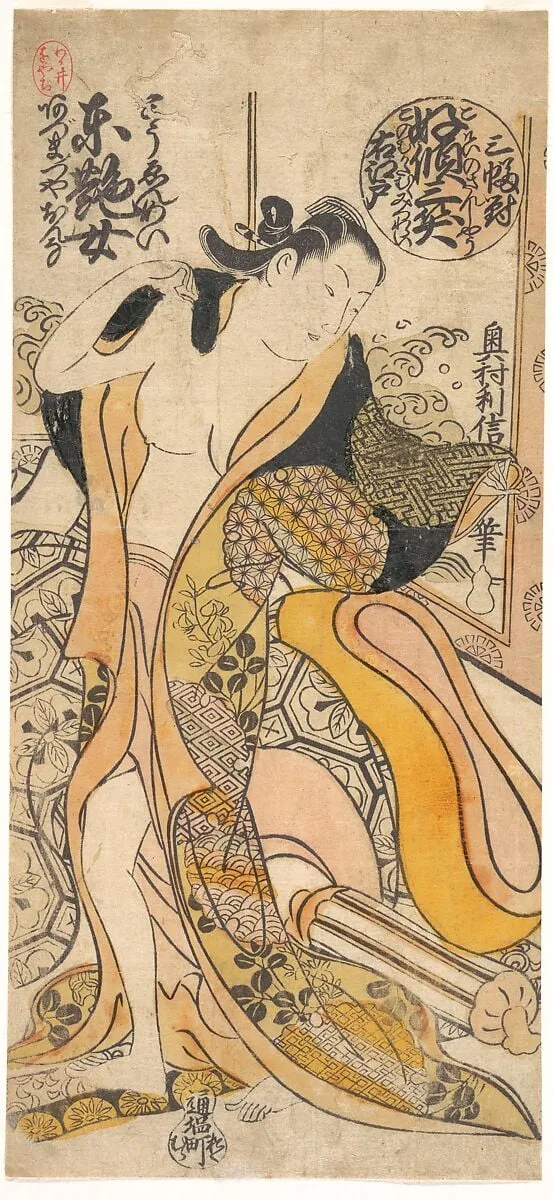
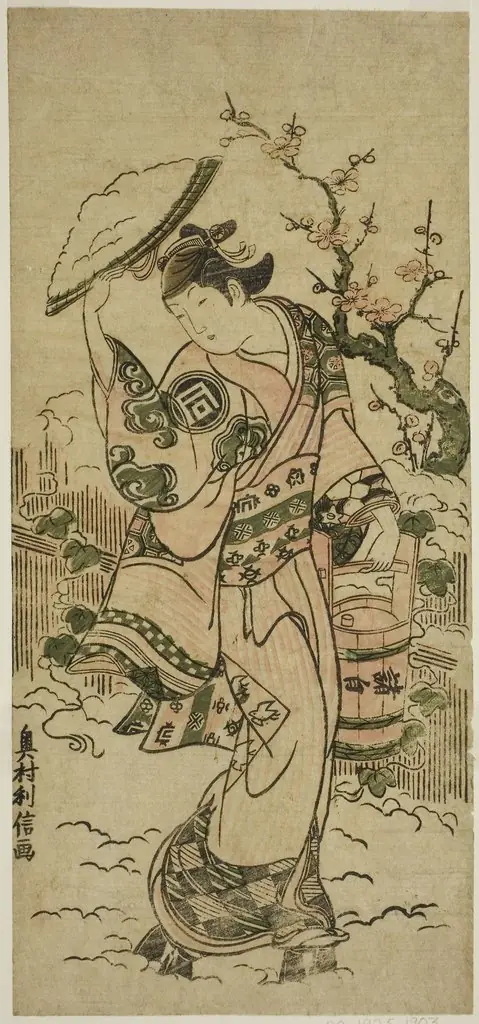
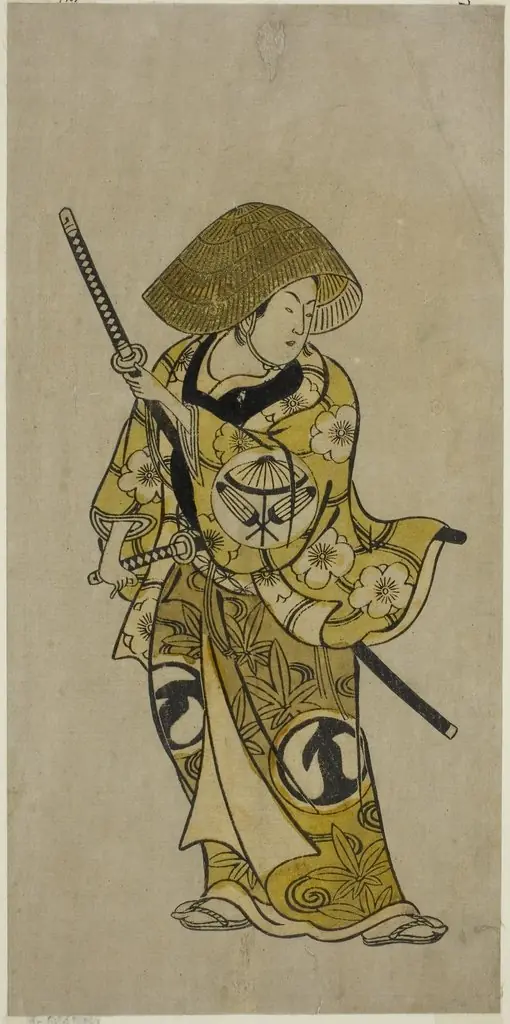
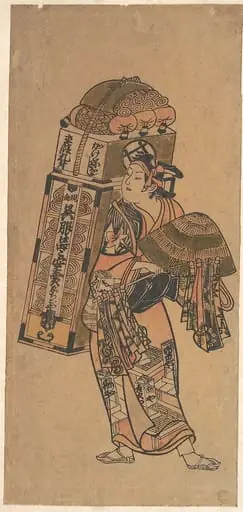
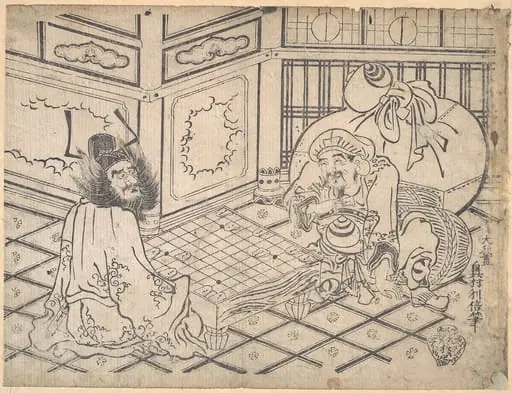
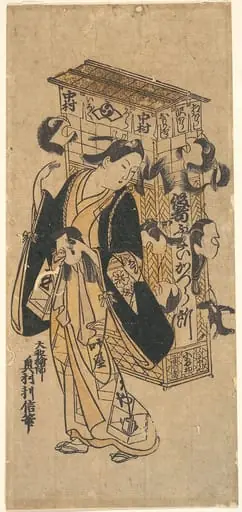
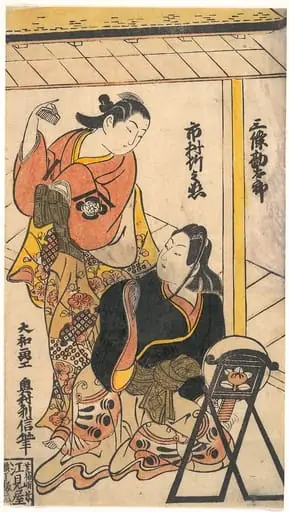
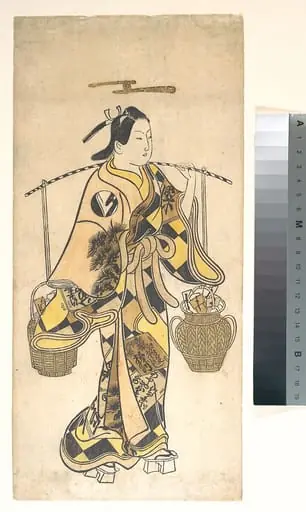
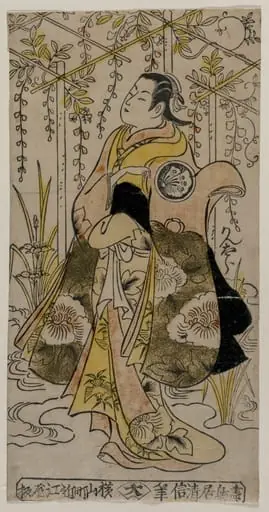
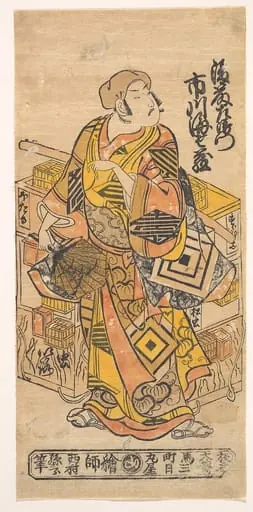
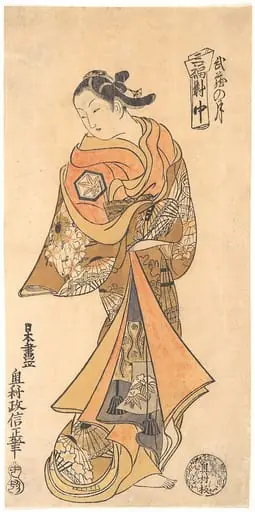
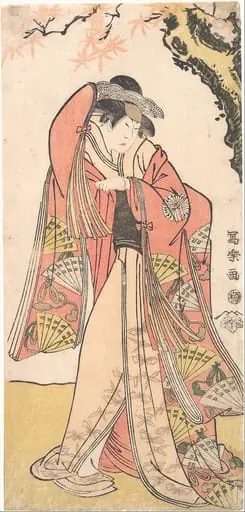
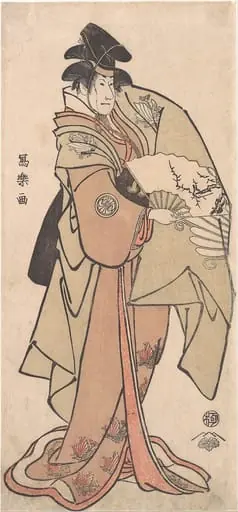
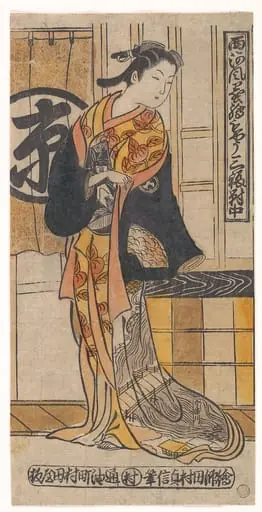
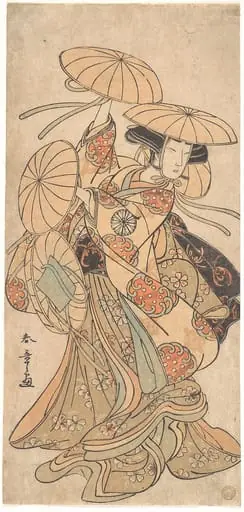
Untitled is an ink print by the Baroque artist Okumura Toshinobu. It dates from 1738 and is held in the collection of the Metropolitan Museum of Art.
About this work
Overview
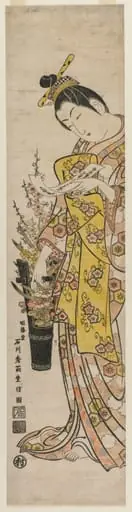
The composition is minimal, emphasizing the figure against a near-empty background, with only subtle natural elements to suggest context.
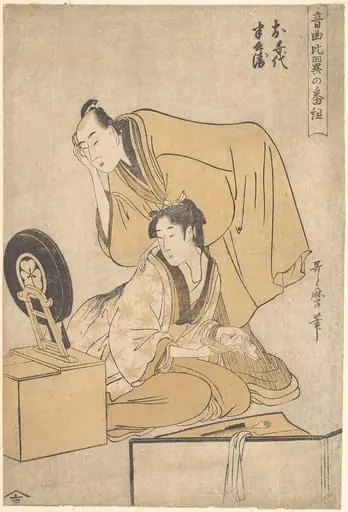
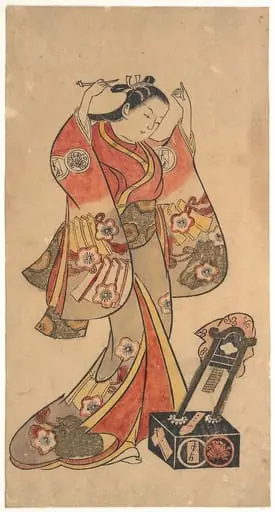
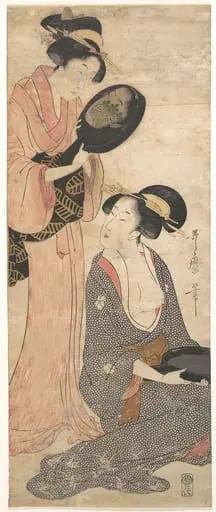
Created in 1738 by Okumura Toshinobu, this woodblock print is executed in ink and color on paper. It belongs to the Metropolitan Museum of Art’s collection and exemplifies the ukiyo-e tradition’s focus on dynamic human form. The composition is minimal, emphasizing the figure against a near-empty background, with only subtle natural elements to suggest context. The print reflects the technical precision and aesthetic restraint characteristic of early 18th-century Japanese printmaking.
Subject & Meaning
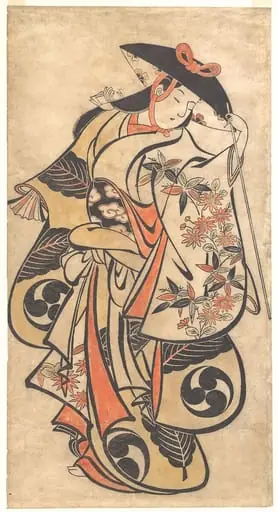
The central figure is a nude individual in a twisting, energetic posture, one arm raised, the other resting on the hip. The pose suggests movement—perhaps a dancer or performer caught mid-gesture. The loose, ornate robe and elaborate hairdo imply a theatrical or ritual context, though no specific narrative is identified. The inclusion of a small fish and scattered leaves may hint at seasonal or symbolic references common in Edo-period imagery, but their meaning remains ambiguous.
Technique & Style
The print employs bold, black outlines and flat areas of color, typical of ukiyo-e woodblock methods. Black ink dominates, defining contours and filling large sections with solid tone. Gold and black patterns on the robe add decorative contrast, while the background remains sparse. The absence of traditional shading techniques like cross-hatching reinforces the graphic, stylized quality. The figure’s form is rendered with rhythmic lines that emphasize motion over anatomical realism.
History & Provenance
The print was produced during the Kyōhō era, a period of relative stability in Edo Japan when woodblock prints flourished as affordable art for urban audiences. Okumura Toshinobu was active in Osaka and Edo, known for his depictions of actors and beauties. This work entered the Metropolitan Museum of Art’s collection through documented acquisitions, though its earlier ownership history prior to the 20th century is not fully recorded.
Context
In the 1730s, ukiyo-e prints often portrayed figures from theater, courtesans, or mythic subjects, blending realism with stylization. This print diverges from typical scenes by focusing on a solitary, non-narrative figure, possibly reflecting a growing interest in formal composition and expressive gesture. The minimal background and emphasis on line align with contemporary trends in decorative arts and the influence of Chinese ink painting on Japanese aesthetics.
Legacy
Though not widely reproduced or cited in major scholarly texts, this print contributes to the understanding of Okumura Toshinobu’s range beyond actor and beauty prints. Its abstracted form and dramatic pose anticipate later explorations of the human body in Japanese printmaking. It remains a quiet example of how ukiyo-e artists balanced theatricality with restraint, influencing later generations in both Japan and the West.
Artist & collection