Artwork
Prince Henry with the Pike
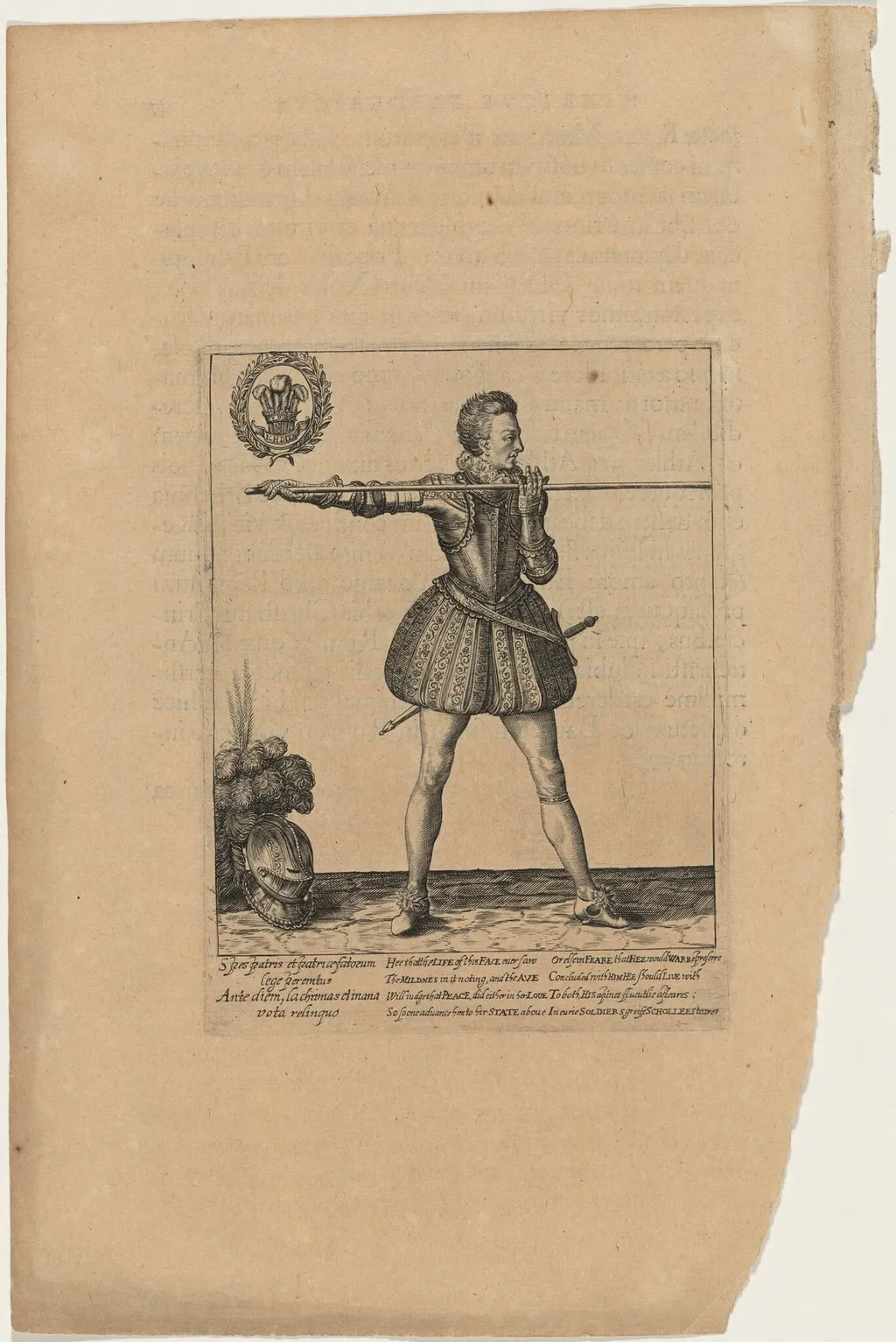
Prince Henry with the Pike is an ink print by the Baroque artist Magdalena van de Passe. It dates from 1620 and is held in the collection of the National Gallery of Art.
About this work
Overview
Prince Henry with the Pike is a 1620 engraving by Magdalena van de Passe, a Dutch artist known for her fine line work in printmaking. The image portrays Prince Henry, son of King James I of England, in a stylized military pose. Rendered in monochrome, the print combines portraiture with symbolic elements, reflecting the visual language of early 17th-century European nobility.
Subject & Meaning
The figure is Prince Henry Frederick, heir to the English throne, depicted not in royal regalia but as a martial ideal.
The figure is Prince Henry Frederick, heir to the English throne, depicted not in royal regalia but as a martial ideal. His stance, with one hand on a pike and the other resting at its base, conveys readiness and composure. The helmet and flowers beside him suggest a duality: martial virtue and cultivated refinement. The composition frames him as a noble warrior, embodying the Renaissance ideal of the learned soldier.
Technique & Style
Van de Passe employed fine cross-hatching and delicate linework to model form and texture, characteristic of Baroque printmaking. The fabric of his skirt, the metal of his belt, and the feathery petals of the flowers are rendered with precision. The contrast between smooth surfaces and intricate patterns enhances the three-dimensionality of the figure, demonstrating mastery in translating three-dimensional subjects into flat, detailed engravings.
History & Provenance
Created in 1620, the engraving was likely produced for distribution among European elites, serving both as a portrait and a political statement. Magdalena van de Passe, part of a prominent family of engravers, often worked from commissioned portraits. This print circulated in royal and aristocratic circles, reinforcing Prince Henry’s public image during his brief life before his death in 1612—suggesting the work may have been posthumous or based on earlier studies.
Context
In early 17th-century England, images of the royal heir were used to project stability and virtue. Prince Henry was celebrated as a champion of Protestant causes and a patron of the arts. Van de Passe’s engraving aligns with continental traditions of noble portraiture, where martial attributes were paired with symbols of culture. The work reflects transnational artistic networks connecting Dutch printmakers with English courtly imagery.
Legacy
Magdalena van de Passe’s engraving stands as one of the few surviving works by a female printmaker of her era to depict a royal subject. It contributes to the historical record of how nobility was visually constructed in print culture. Though not widely known today, the piece remains a significant example of early modern gendered artistic practice and the role of engraving in shaping public perception of royalty.
Artist & collection

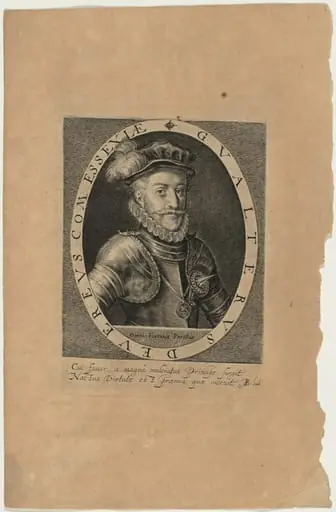 Walter Devereux, First Earl of Essex
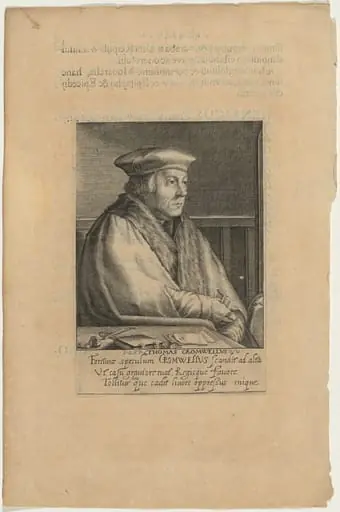 Thomas Cromwell, Earl of Essex
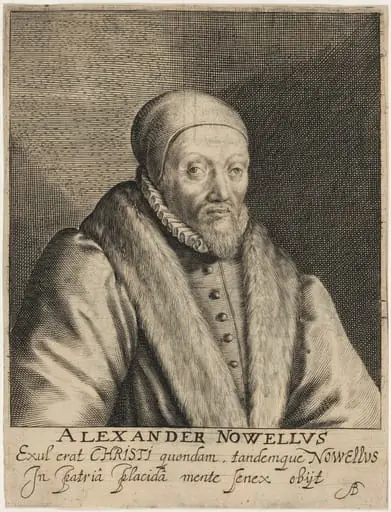 Alexander Nowell, Dean of Saint Paul's
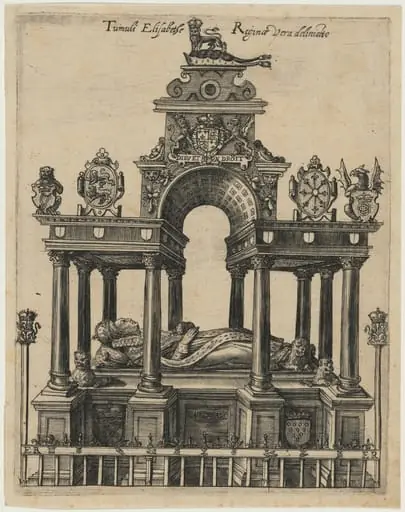 Elizabeth's Tomb
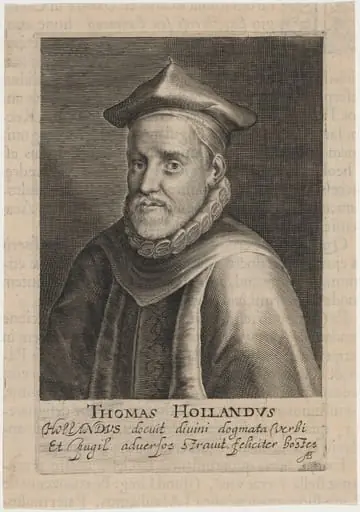 Thomas Holland, Regius Professor of Divinity at Oxford, and Rector of Exeter College
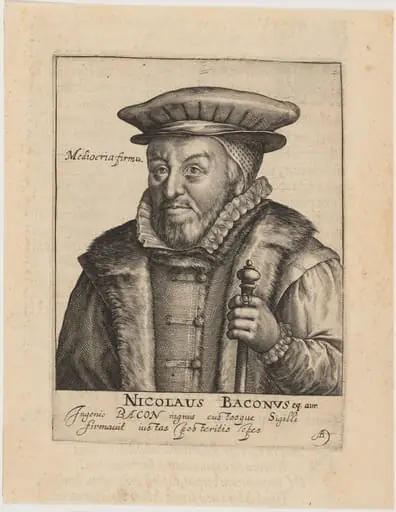 Sir Nicholas Bacon, Lord Keeper
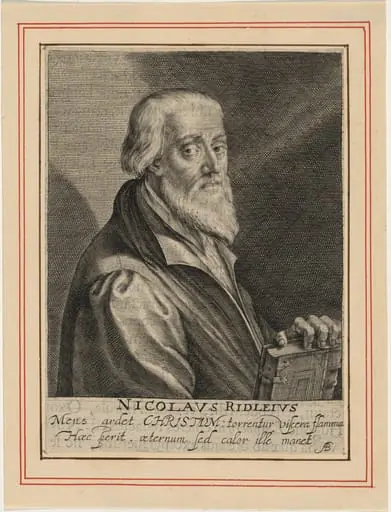 Nicholas Ridley, Bishop of London, Protestant Martyr
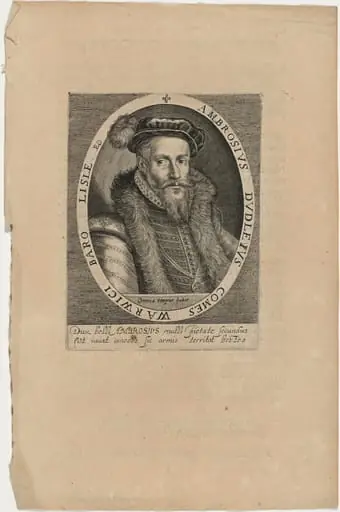 Ambrose Dudley, Earl of Warwick
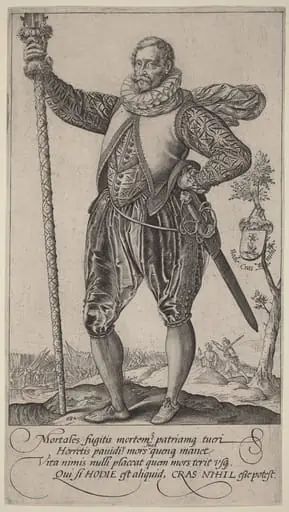 A Pike-Man Turned to the Left
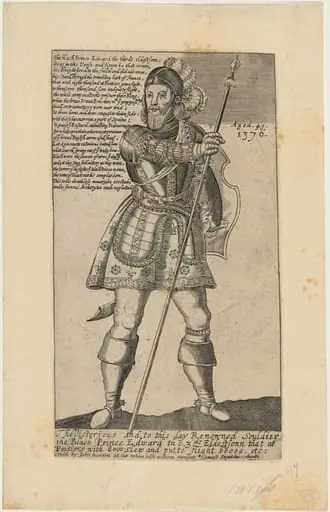 Edward, the Black Prince at the Age of 49
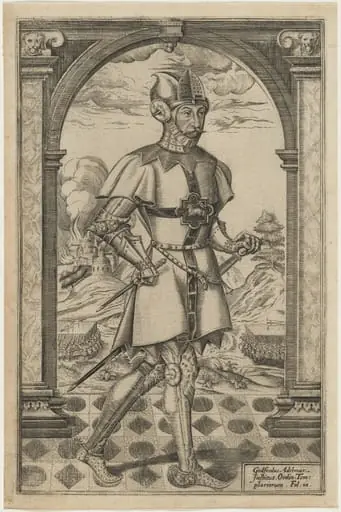 Godfredus Aldemarus Alexandrino (Godfrey Adelmar)
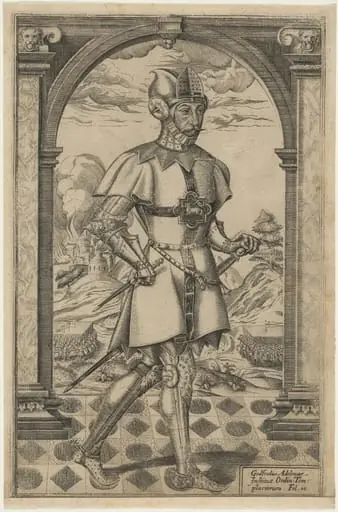 Godfrey Adelmar, Founder of the Knights Templar
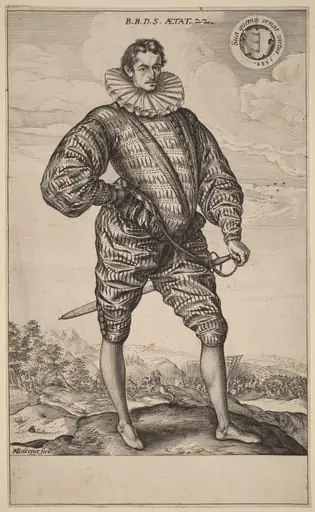 Balthasar Bathory de Somlyo
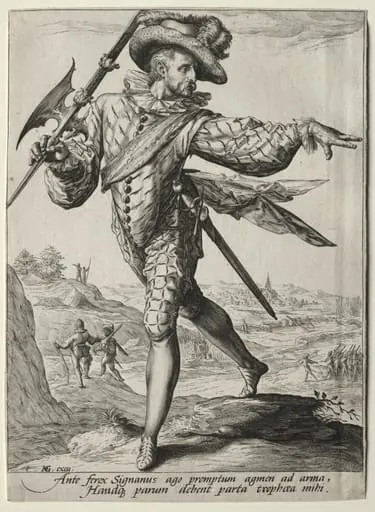 Officers and Soldiers of the Bodyguard of Emperor Rudolf II: Sergeant
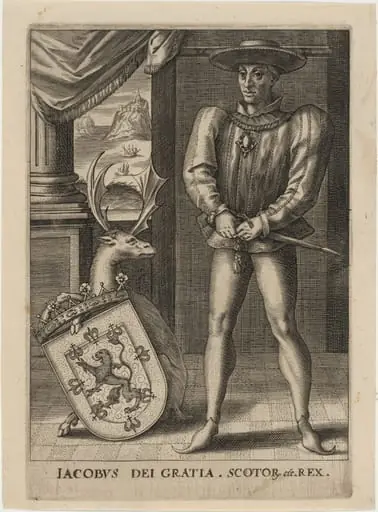 James, King of Scots
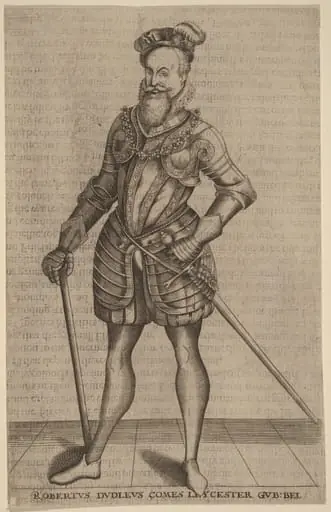 Robert Dudley, Earl of Leicester