Artwork
William Herbert, First Earl of Pembroke
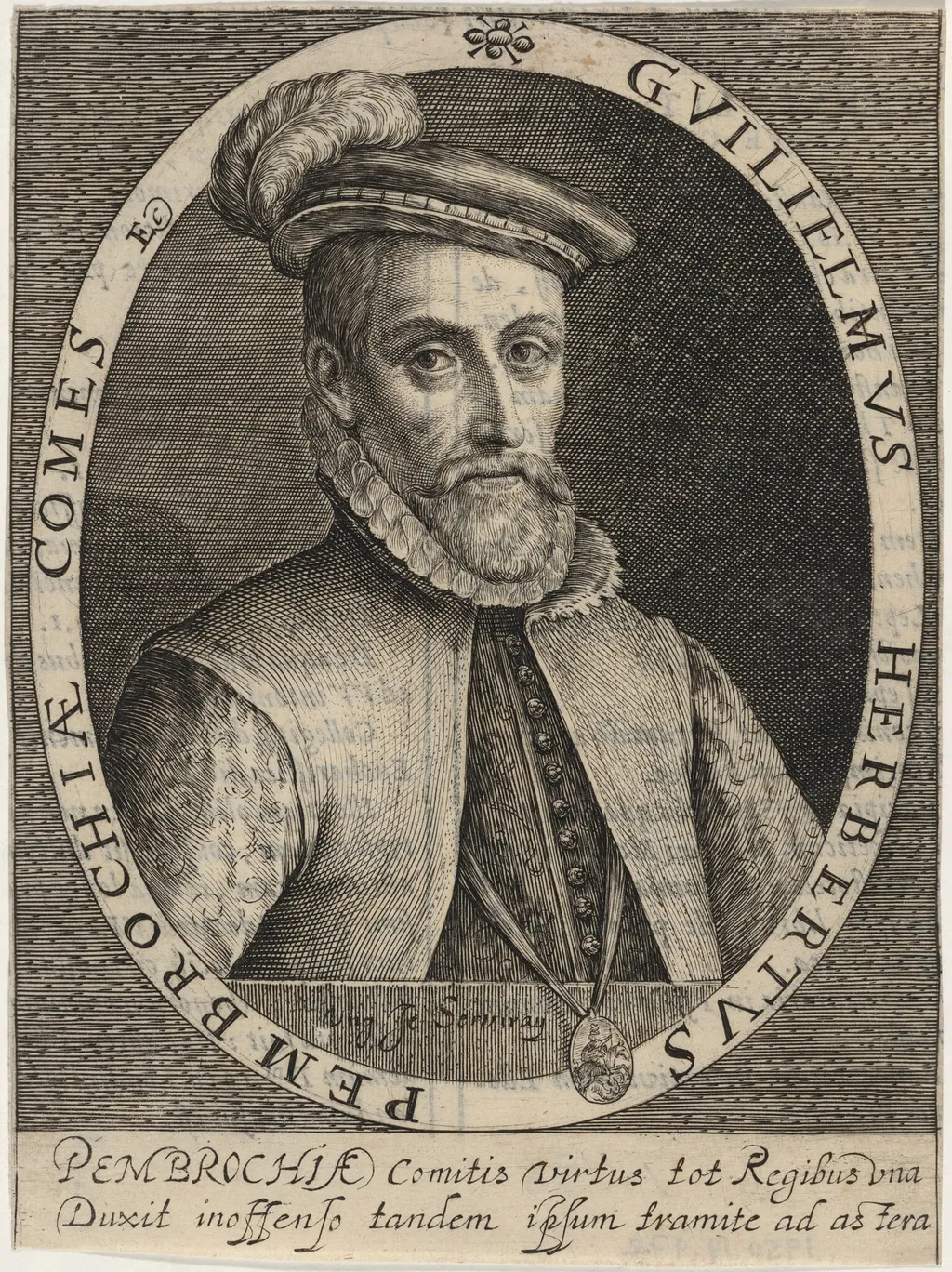
William Herbert, First Earl of Pembroke is an ink print by the Baroque artist Magdalena van de Passe. It dates from 1620 and is held in the collection of the National Gallery of Art.
About this work
Overview
The composition centers the subject against a plain background, with inscriptions framing the edges and his title clearly marked above.
This black-and-white print is an engraving by Magdalena van de Passe, completed in 1620. It depicts William Herbert, the First Earl of Pembroke, as a nobleman of early 17th-century England. The image is rendered in fine, precise lines typical of engraved portraiture, emphasizing texture and form without color. The composition centers the subject against a plain background, with inscriptions framing the edges and his title clearly marked above.
Subject & Meaning
William Herbert, a prominent courtier and patron of the arts, is portrayed with solemn dignity. His thick beard, curled hair, and ornate feathered hat convey status and refinement. The ruffled collar, a fashion of the era, signals wealth and adherence to aristocratic norms. The image functions as a formal representation of his social rank, intended for circulation among peers and as a record of lineage rather than personal expression.
Technique & Style
Magdalena van de Passe employed the engraving technique, incising fine lines into a metal plate to create tonal variation and detail. Shading is achieved through controlled cross-hatching and delicate parallel strokes, giving volume to the beard, fabric, and hat. The style reflects Northern European print traditions, prioritizing precision and clarity over expressive brushwork. The result is a crisp, intimate likeness suited for reproduction and distribution.
History & Provenance
Created in 1620, the engraving was likely produced to commemorate Herbert’s position at court or to accompany published works associated with him. Magdalena van de Passe, part of a renowned family of printmakers, specialized in portraiture for European elites. The print circulated among aristocratic circles and may have been collected in albums or bound in manuscripts, preserving its role as a visual document of noble identity.
Context
In early 17th-century England, engraved portraits served as tools of social visibility for the nobility. With limited access to painted likenesses, prints offered a more affordable and widely distributable alternative. Van de Passe’s work aligns with a broader trend of using print to reinforce status, especially among courtiers like Herbert, who were patrons of Shakespeare and key figures in cultural life.
Legacy
The engraving remains a key example of early modern portraiture by a female printmaker, a rarity in a male-dominated field. It contributes to the historical record of the Herbert family and reflects the role of print in shaping aristocratic image-making. Today, it is studied for its technical skill and as evidence of how visual culture reinforced social hierarchies in Jacobean England.
Artist & collection

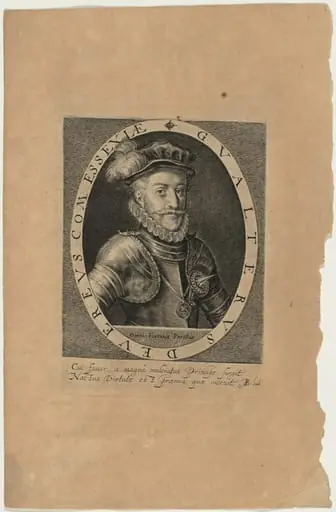 Walter Devereux, First Earl of Essex
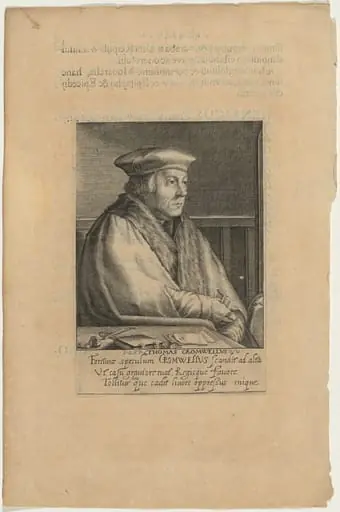 Thomas Cromwell, Earl of Essex
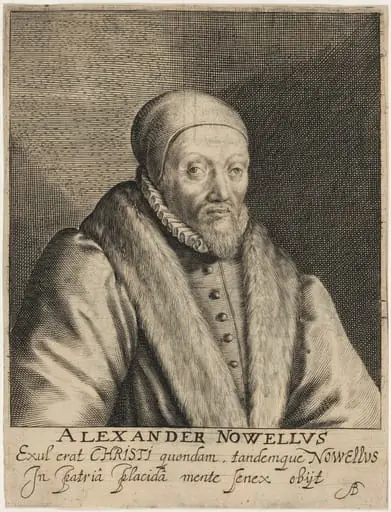 Alexander Nowell, Dean of Saint Paul's
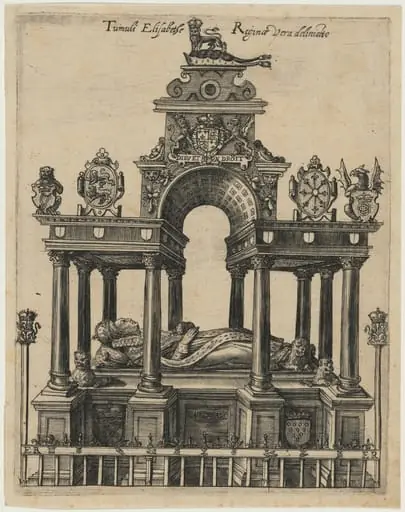 Elizabeth's Tomb
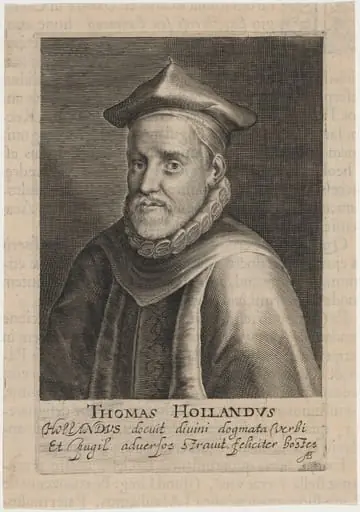 Thomas Holland, Regius Professor of Divinity at Oxford, and Rector of Exeter College
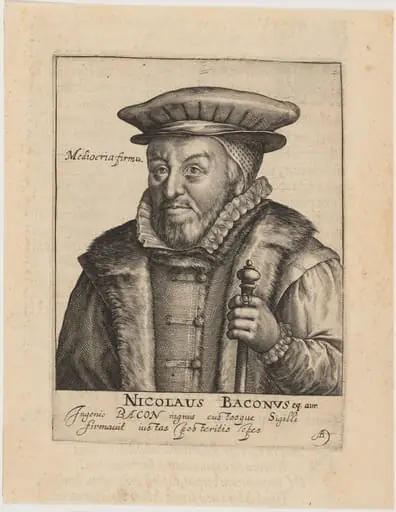 Sir Nicholas Bacon, Lord Keeper
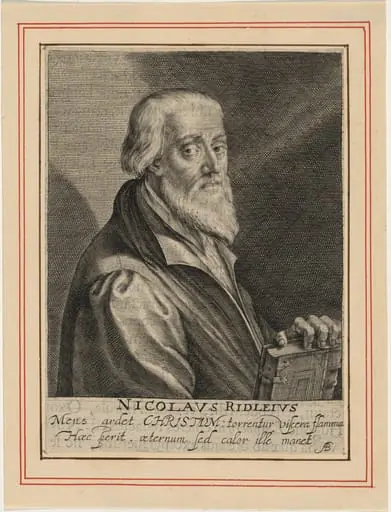 Nicholas Ridley, Bishop of London, Protestant Martyr
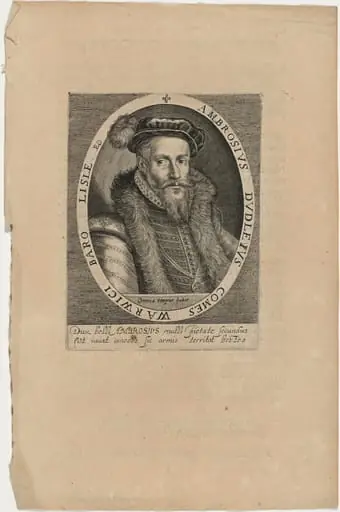 Ambrose Dudley, Earl of Warwick