Artwork
Queen Elizabeth
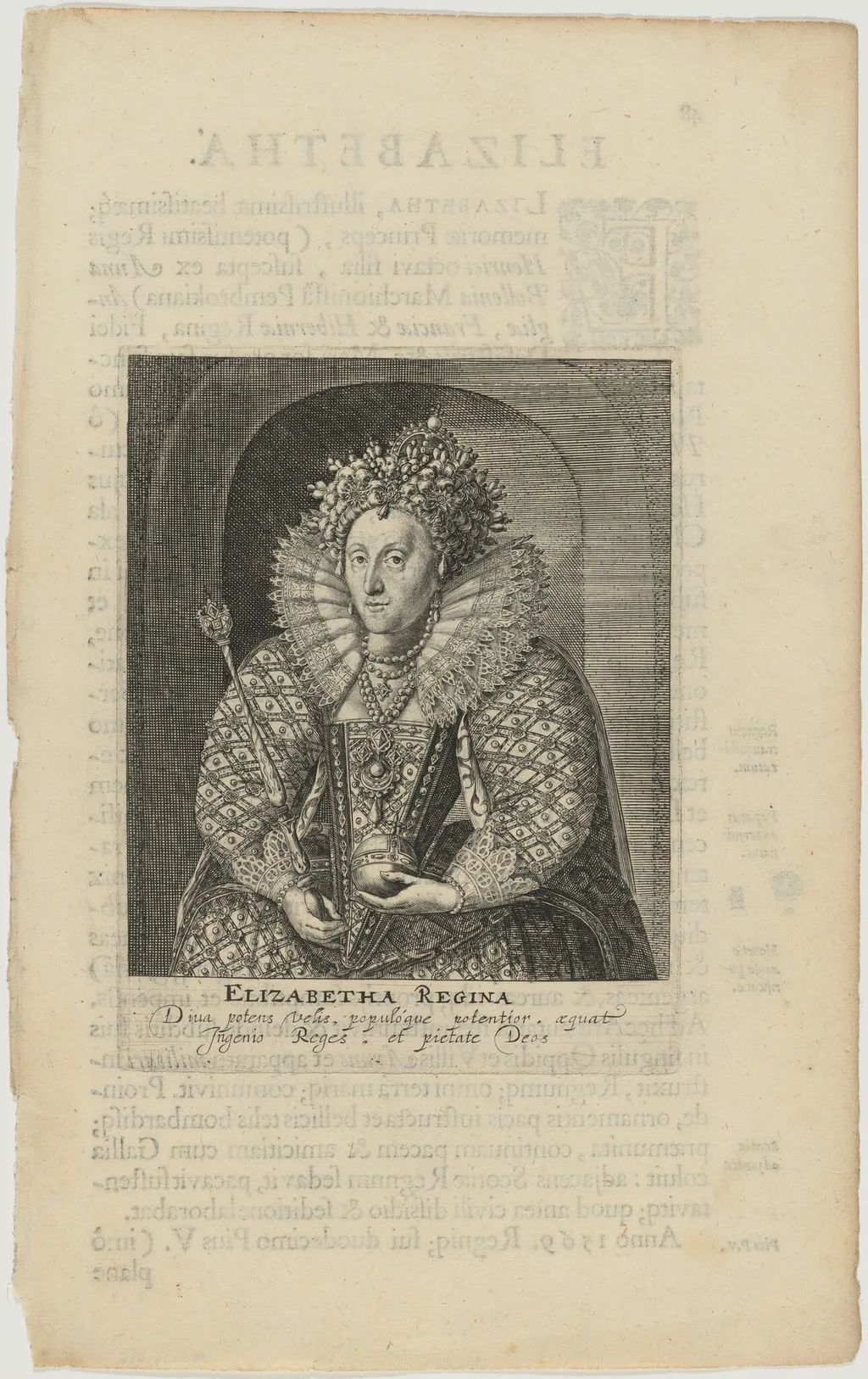
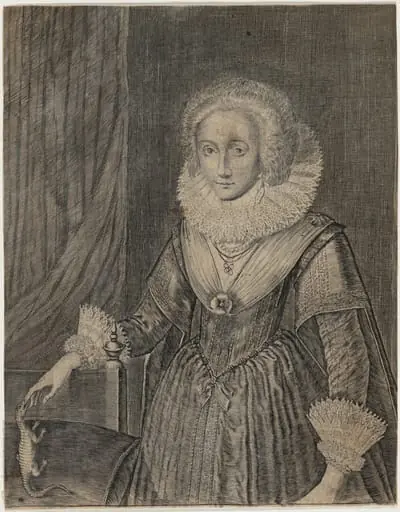
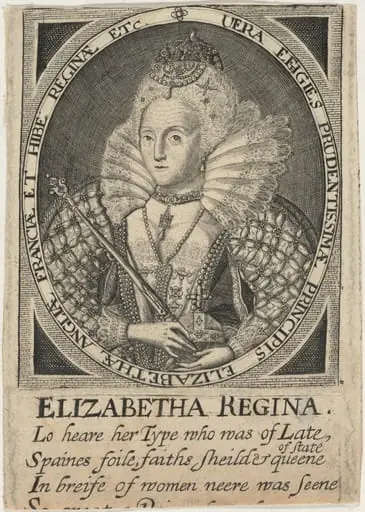
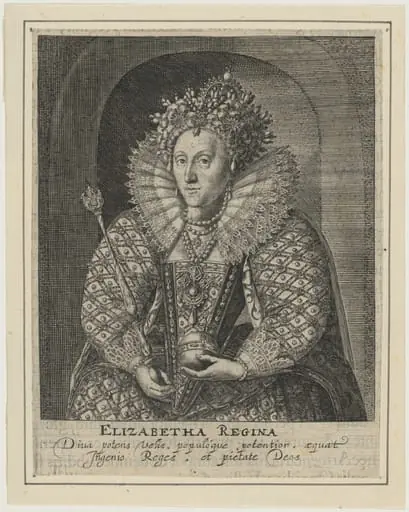
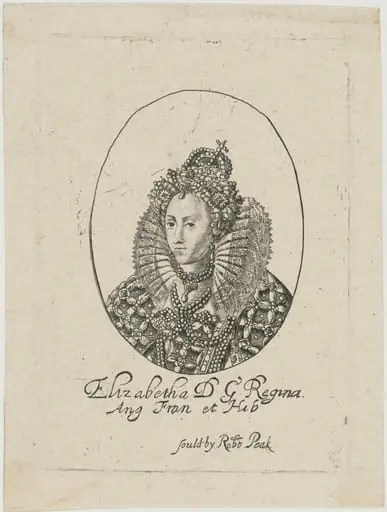
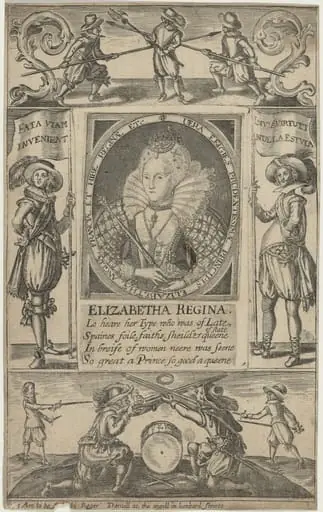
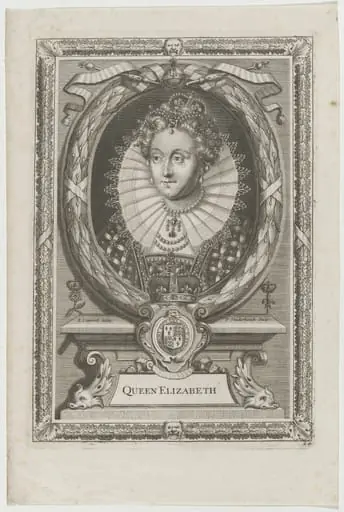
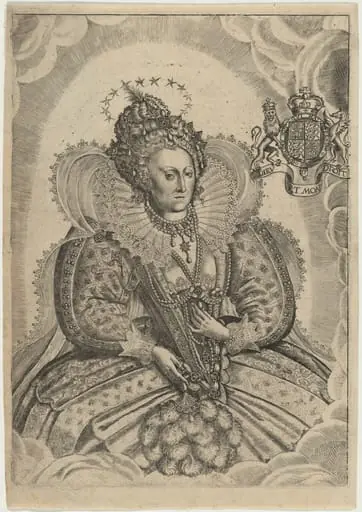
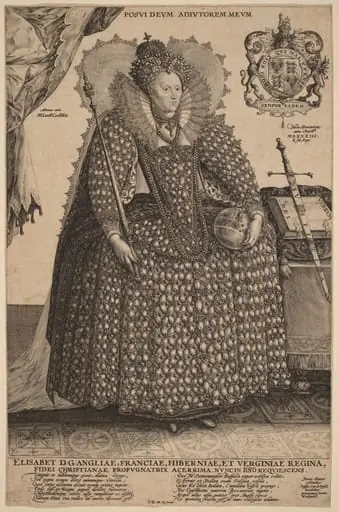
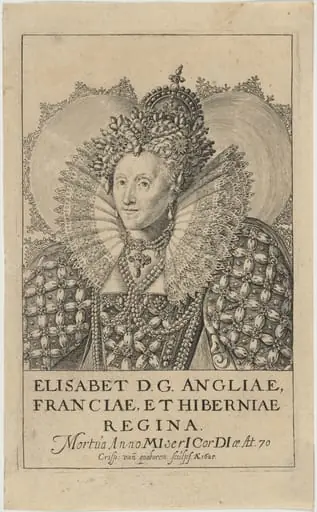
Queen Elizabeth is an ink print by the Baroque artist Willem de Passe. It dates from 1620 and is held in the collection of the National Gallery of Art.
About this work
Overview
The inscription 'ELIZABETHA REGINA' confirms her royal identity, aligning the print with portraiture used for political and dynastic representation.
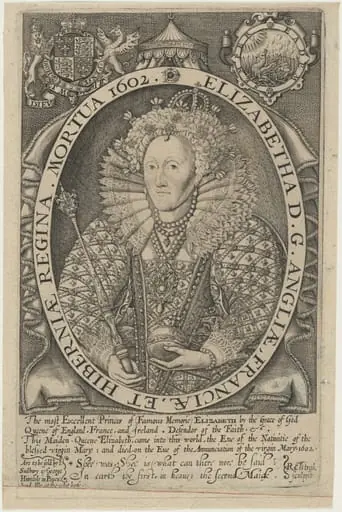
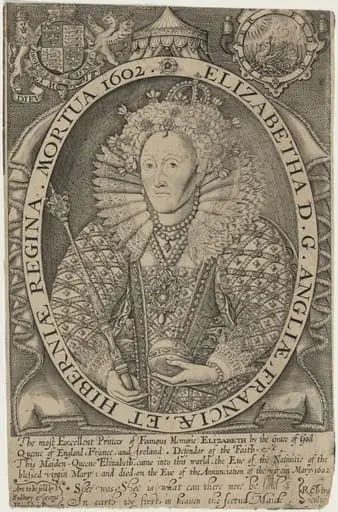
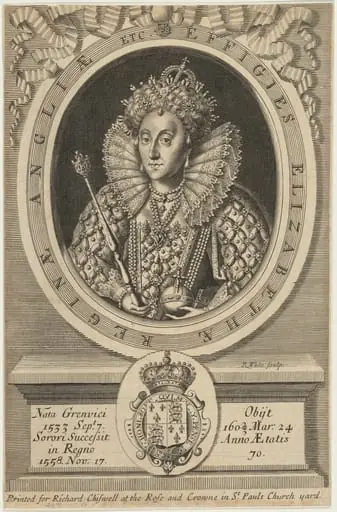
This black-and-white engraving, produced in 1620 by Willem de Passe, depicts a female figure identified as Queen Elizabeth I. Rendered with fine, precise lines, the image captures her in formal court attire against a neutral background. The medium—engraving—relies on incised metal plates to transfer intricate detail onto paper, emphasizing texture over color. The inscription 'ELIZABETHA REGINA' confirms her royal identity, aligning the print with portraiture used for political and dynastic representation.
Subject & Meaning
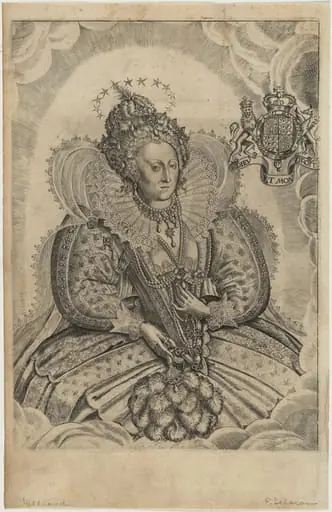
The figure is portrayed with regal stillness, hands resting on an object in her lap, likely a symbol of authority or devotion. Her elaborate ruff collar, puffed sleeves, and ornate headdress reflect the rigid fashion of late Tudor court dress, signaling status and restraint. The absence of landscape or narrative context focuses attention on her presence alone, reinforcing the image as a static emblem of sovereignty rather than a personal portrait.
Technique & Style
De Passe employed fine-line engraving to render minute textures: the lace of the ruff, the weave of fabric, and the facets of the pendant necklace. Shading is achieved through closely spaced parallel lines, creating depth without tone or gradation. The precision suggests a methodical approach, typical of Northern European printmaking traditions, where clarity and detail were valued over expressive brushwork.
History & Provenance
Created in the early 17th century, the engraving was likely made for distribution across Europe, where Elizabeth’s image remained potent after her death in 1603. De Passe, a Dutch artist active in England, specialized in royal and noble portraits for print circulation. This work may have served diplomatic or commemorative purposes, circulating her likeness among foreign courts and collectors.
Context
In the decades following Elizabeth I’s reign, her image was frequently reproduced to sustain her legacy amid political transition. Engravings like this one functioned as visual propaganda, reinforcing continuity of monarchy. The stylized formality and lack of individuality reflect conventions of royal portraiture, prioritizing symbolic authority over psychological depth.
Legacy
De Passe’s engraving contributed to the standardized visual representation of Elizabeth I in early modern Europe. Its widespread reproduction helped cement her iconography—ruff, crown, and stern gaze—as enduring symbols of Tudor rule. Though not unique, its technical precision and clarity ensured its use in later historical and artistic references.
Artist & collection