Artwork
James Graham, First Marquess of Montrose
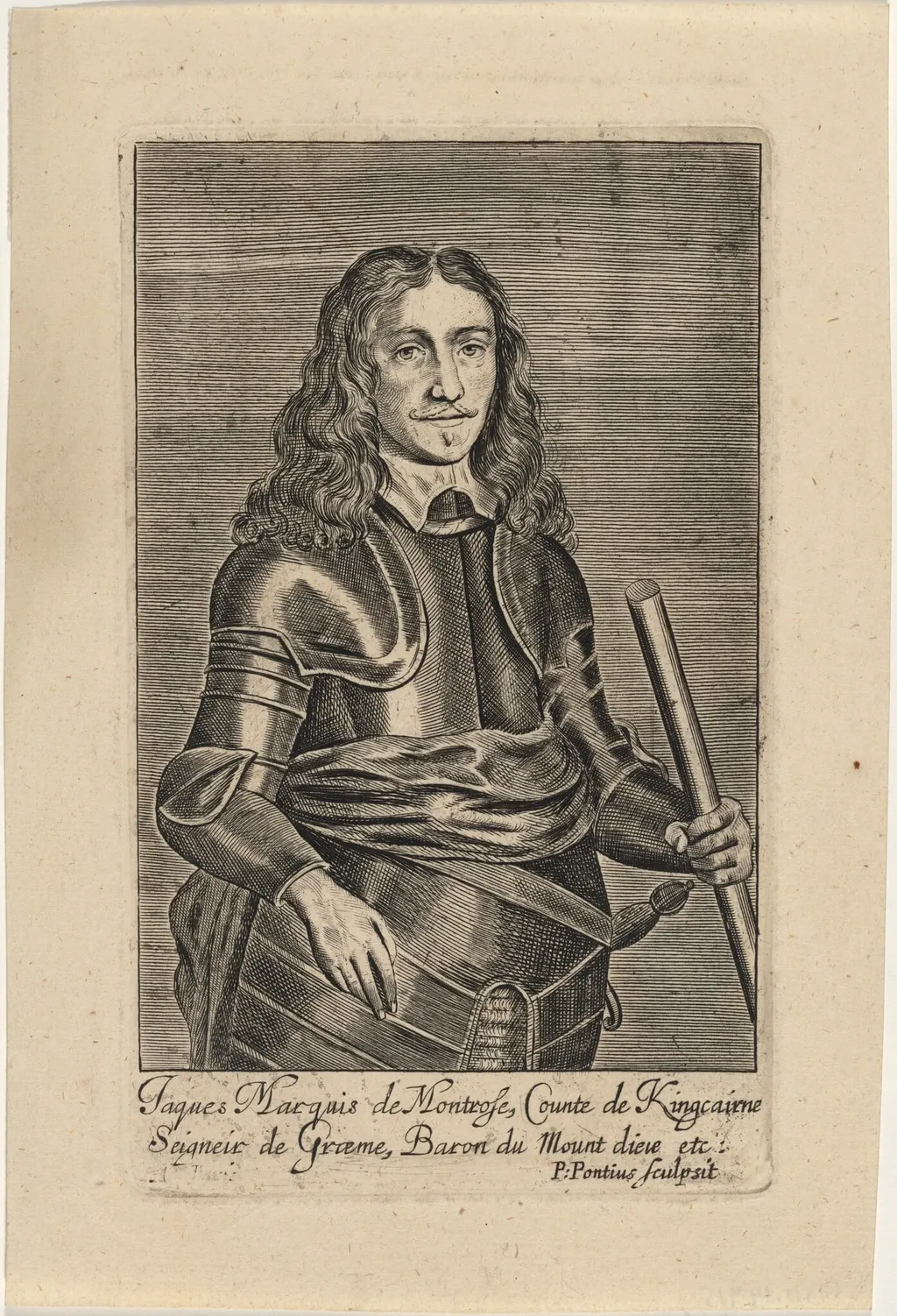
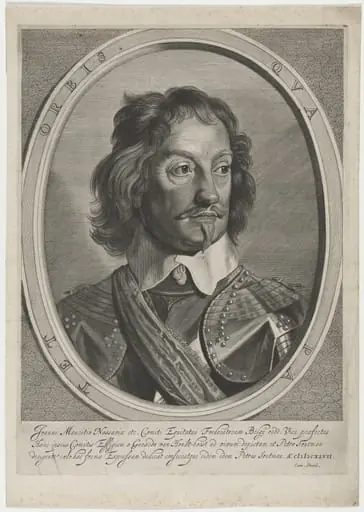
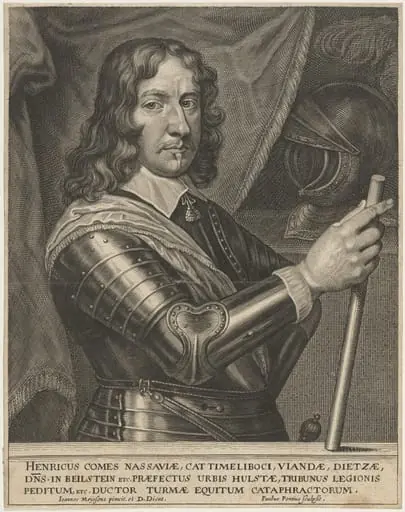
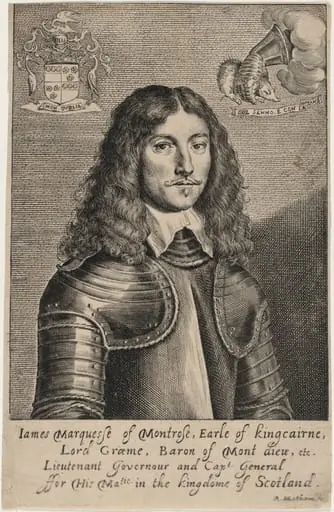
James Graham, First Marquess of Montrose is an ink print by the Baroque artist Paulus Pontius. It dates from 1630 and is held in the collection of the National Gallery of Art.
About this work
Overview
An engraving by Paulus Pontius, completed in 1630, portrays James Graham, First Marquess of Montrose, a Scottish nobleman and military leader.
An engraving by Paulus Pontius, completed in 1630, portrays James Graham, First Marquess of Montrose, a Scottish nobleman and military leader. Created in Antwerp, the print reflects the collaborative artistic environment of the time, where engravers like Pontius translated painted portraits into printed form for wider circulation. The work belongs to a tradition of elite portraiture that balanced likeness with symbolic authority.
Subject & Meaning
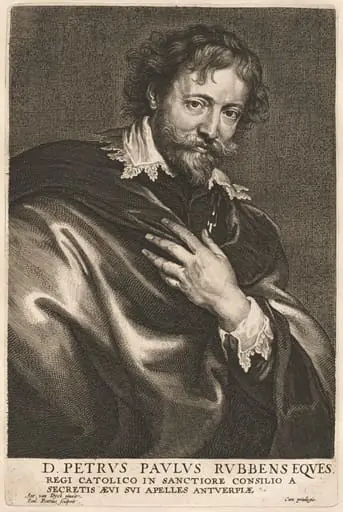
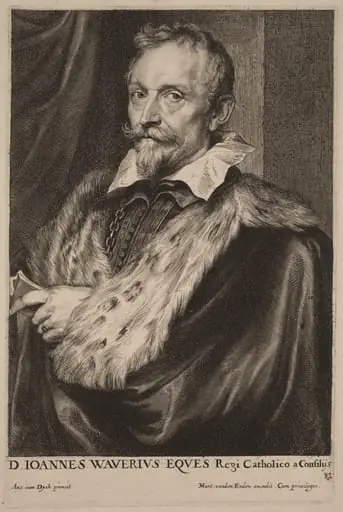
The portrait presents Montrose in armor, sword in hand, signifying his role as a soldier and nobleman. His elaborate ruffled collar and draped cloak reflect contemporary aristocratic dress, while the serious expression with a subtle smile suggests composure and quiet confidence. The image was likely intended to reinforce his status and loyalty, particularly during a period of political tension in Britain.
Technique & Style
Pontius employed fine cross-hatching to model form and texture, capturing the metallic sheen of armor and the soft folds of fabric with precision. The Baroque emphasis on realism is evident in the detailed rendering of facial features and the play of light across surfaces. The composition is tightly focused, eliminating background distraction to heighten the psychological presence of the sitter.
History & Provenance
Created during Pontius’s tenure in Rubens’s workshop, the engraving was part of a broader effort to disseminate images of prominent figures through print. It likely circulated among European elites and collectors. While its early ownership is undocumented, its survival in institutional collections indicates its enduring value as a historical record of Scottish nobility in the early 17th century.
Context
In the 1630s, Montrose was rising in prominence within the Scottish Covenanting movement before later aligning with the Royalists. Pontius, working in Antwerp, was part of a network that translated portraits of international figures into prints for transnational audiences. This engraving reflects how visual culture served political identity, linking Flemish craftsmanship with British aristocracy.
Legacy
The engraving remains a key visual source for Montrose’s appearance and the iconography of 17th-century Scottish nobility. As one of several prints made from portraits by van Dyck and others, it exemplifies how engraving extended the reach of painted likenesses. Its technical quality and historical subject ensure its continued study in art and military history.
Artist & collection
Artist
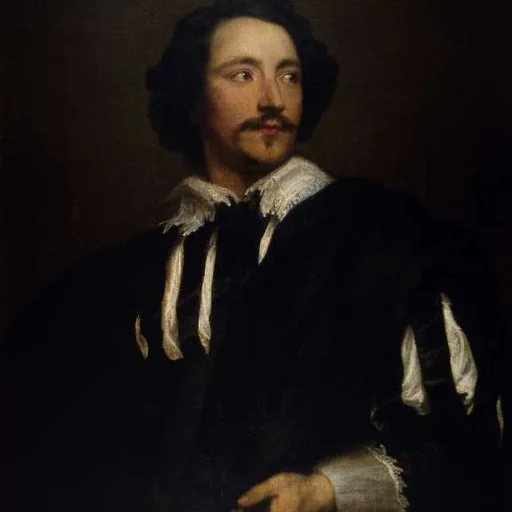
Paulus Pontius (27 May 1603 – 16 January 1658) was a Flemish engraver and painter.