Artwork
Russell
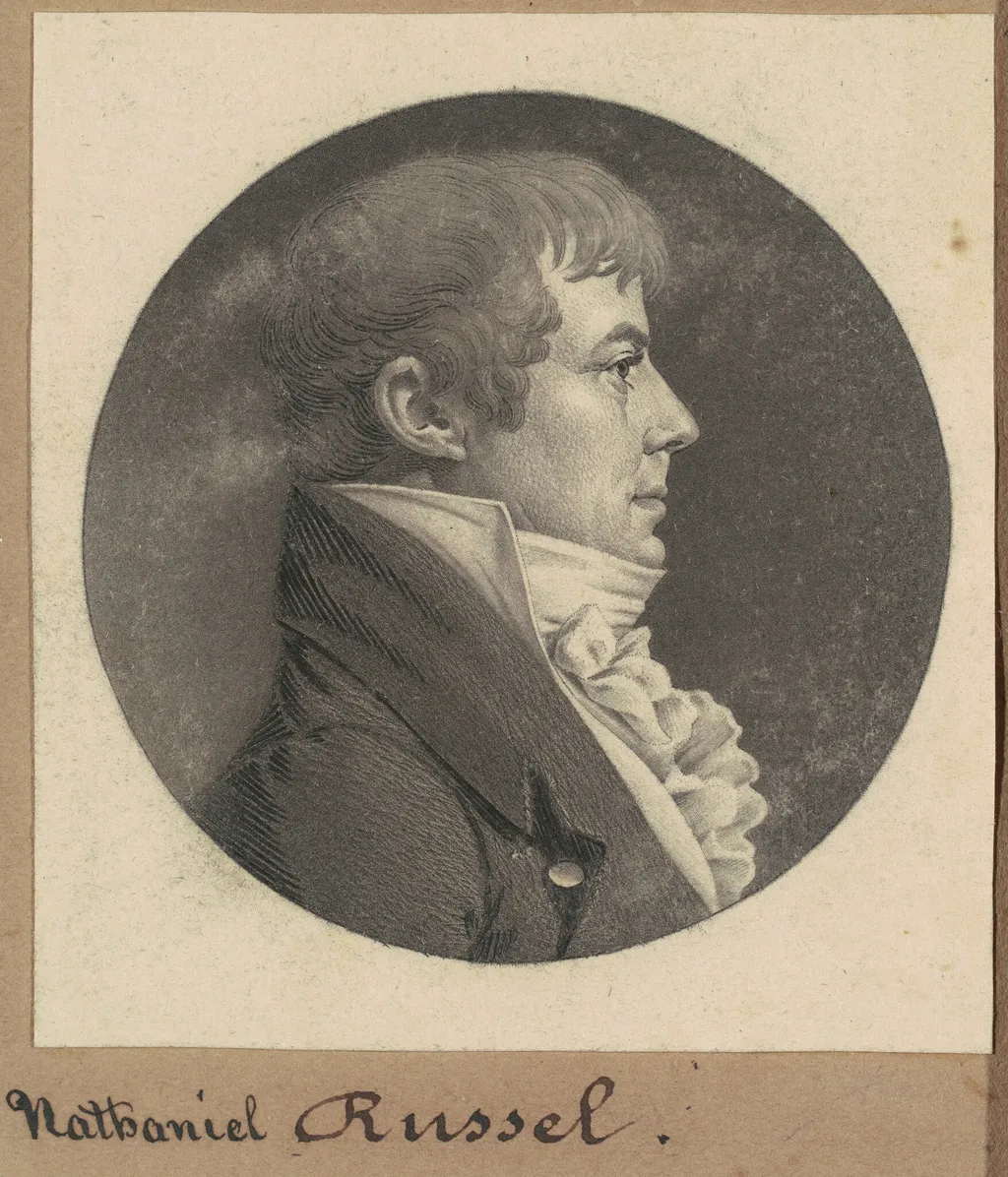
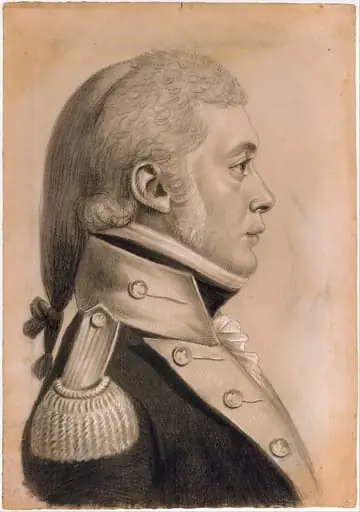
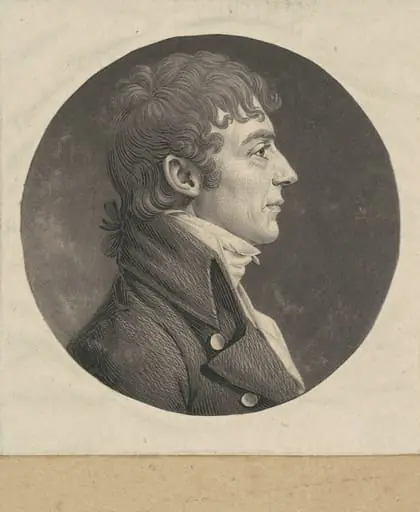
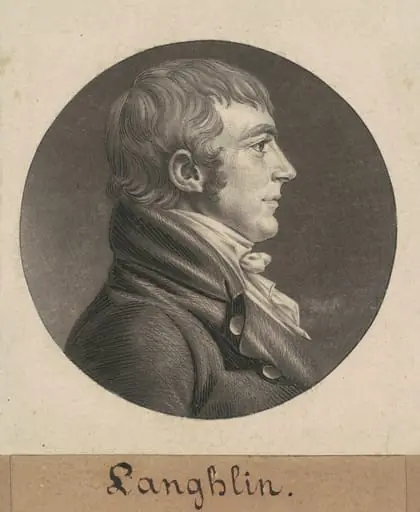
Russell is an ink print by the Romanticist artist Charles Balthazar Julien Févret de Saint-Mémin. It dates from 1809 and is held in the collection of the National Gallery of Art.
About this work
Overview
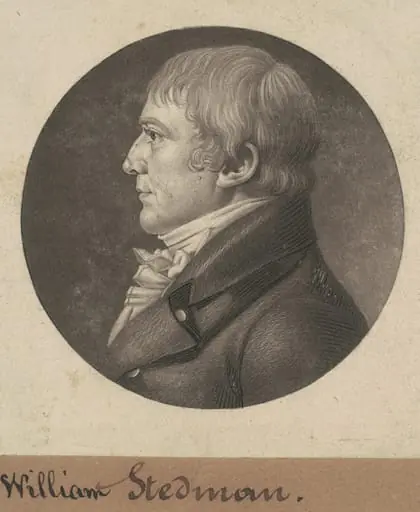
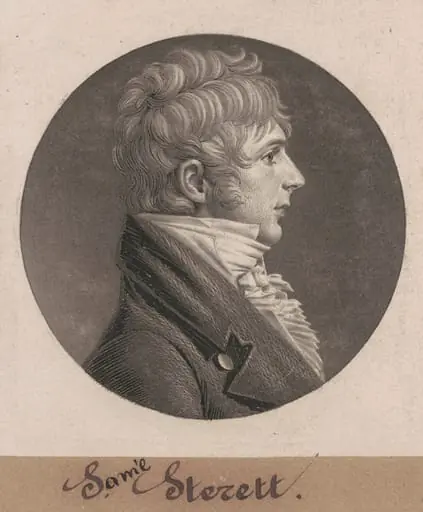
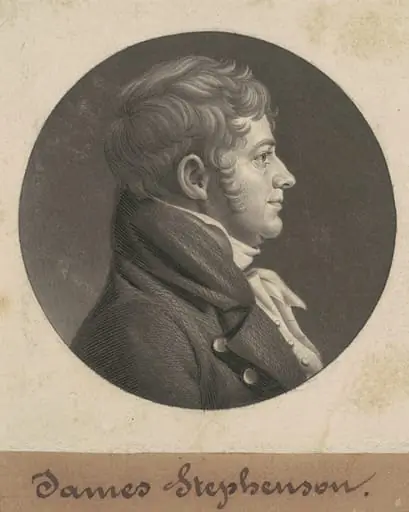
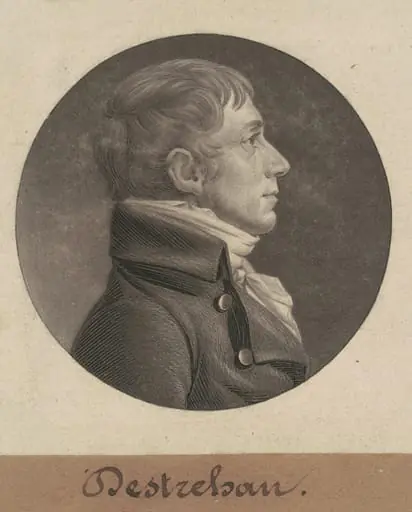
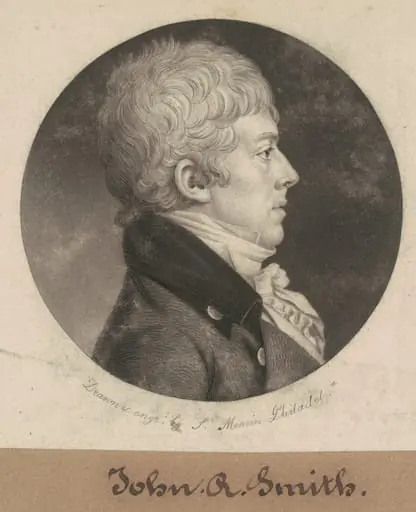
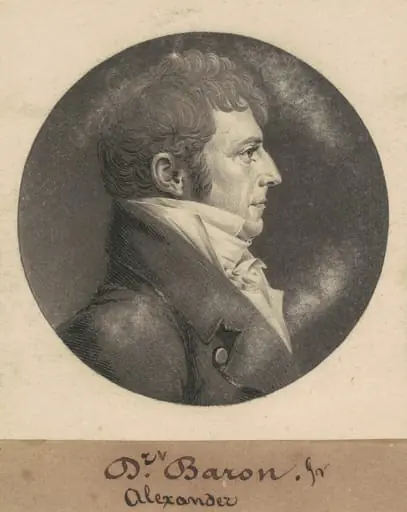
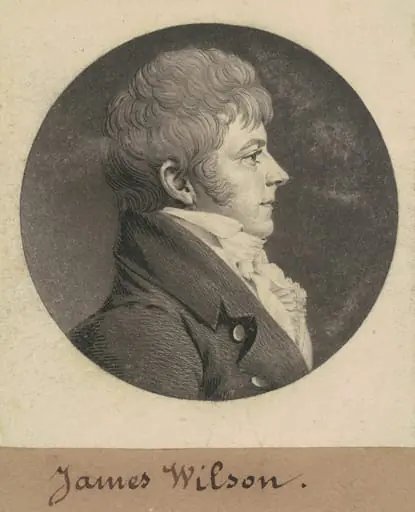
The work belongs to a series of portraits Saint-Mémin produced during his time in the United States, combining technical precision with a restrained aesthetic.
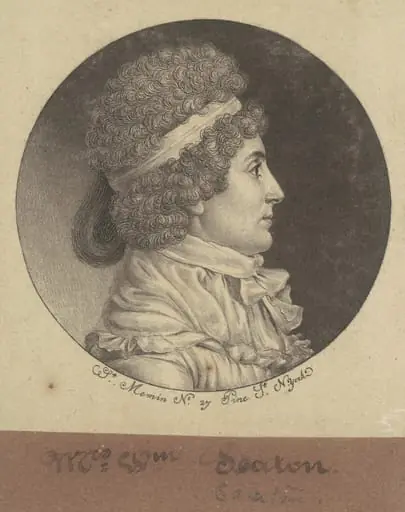
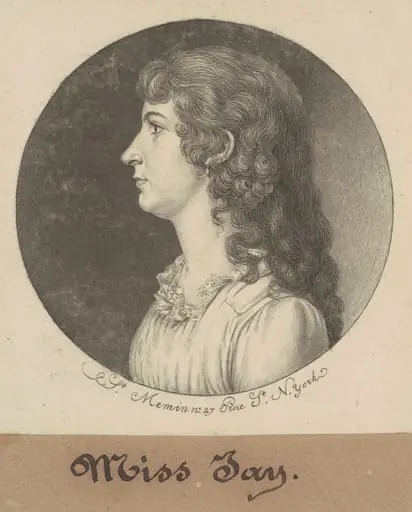
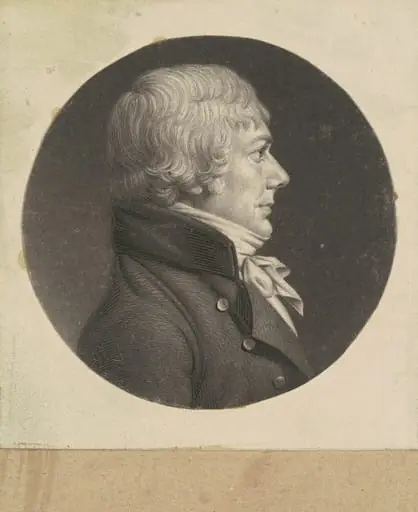
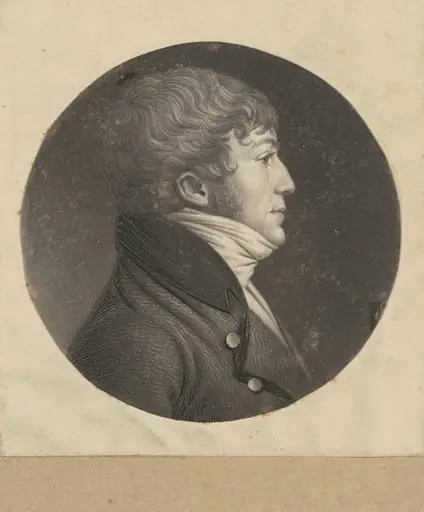
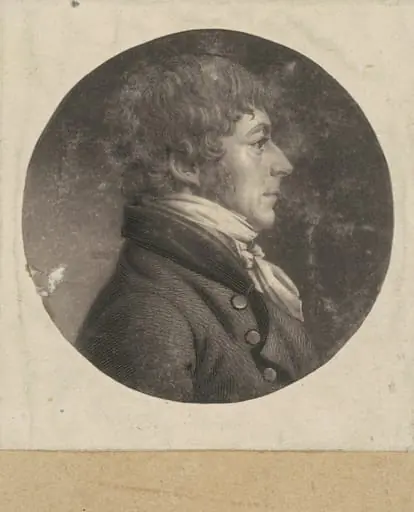
This print, titled 'Russell,' is a mezzotint and engraving created in 1809 by Charles Balthazar Julien Févret de Saint-Mémin. Executed in black ink on wove paper and mounted to a brown wove support, it presents a formal portrait of Andrew Russell. The work belongs to a series of portraits Saint-Mémin produced during his time in the United States, combining technical precision with a restrained aesthetic.
Subject & Meaning
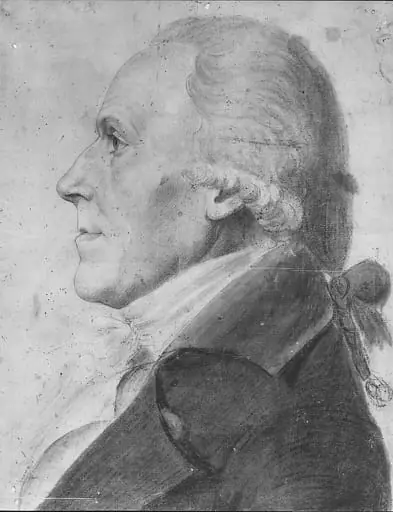
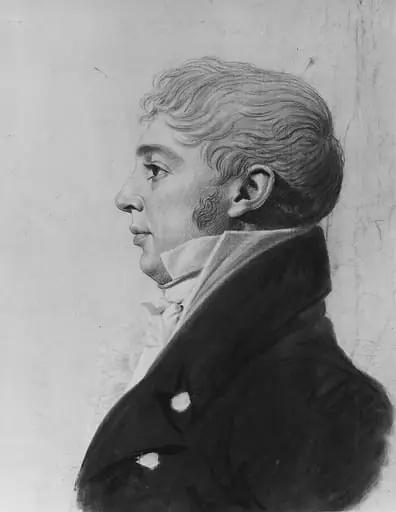
The sitter, Andrew Russell, is depicted in a dark coat with a high white collar, suggesting a man of social standing. His face is illuminated with sharp contrast, drawing attention to his expression while the surrounding areas recede into shadow. The composition emphasizes dignity and composure, typical of early 19th-century portraiture, reflecting the subject’s identity without overt symbolism or narrative.
Technique & Style
Saint-Mémin employed mezzotint to achieve subtle tonal gradations, allowing smooth transitions from deep blacks to delicate grays. Fine engraving lines, particularly in the collar and hair, add texture and definition. The method’s capacity for soft modeling complements the sitter’s formal attire, while the dark background enhances the three-dimensionality of the face, creating a quiet, intimate presence.
History & Provenance
The print was originally held by the artist, Charles Balthazar Julien Févret de Saint-Mémin, and later passed to his nephew, Léon Victor Raoul Leclerc, Vicomte de Juigné. This lineage reflects the personal and familial networks through which such works circulated in early 19th-century Europe and America, preserving the print within a context of aristocratic and artistic patronage.
Context
Created during Saint-Mémin’s residency in the United States, this portrait aligns with a broader effort to document prominent American figures through print. Mezzotint was favored for its ability to reproduce fine detail and tonal richness, making it ideal for portraiture. The work reflects transatlantic artistic exchange, as European techniques were applied to American subjects in the post-Revolutionary era.
Legacy
Saint-Mémin’s portraits, including this one, contributed to the development of American print culture by introducing European reproductive techniques to a growing domestic audience. Though not widely known today, his body of work remains a significant record of early American elite portraiture, valued for its technical discipline and historical documentation rather than artistic flamboyance.
Artist & collection

Artist
Charles Balthazar Julien Févret de Saint-Mémin
Charles Balthazar Julien Févret de Saint-Mémin (French pronunciation: ; 1770–1852) was a French portrait painter and museum director.