Artwork
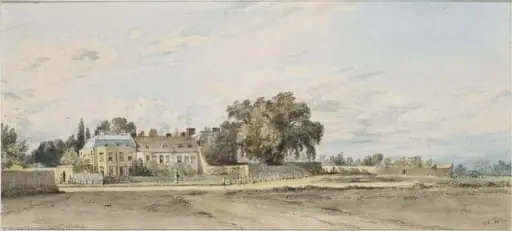
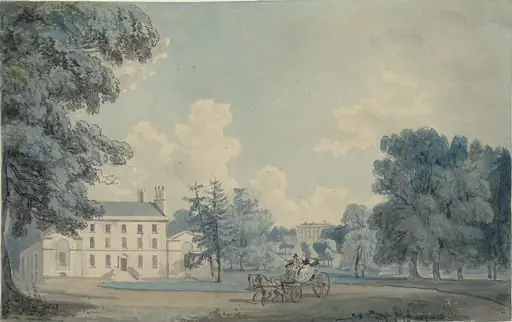
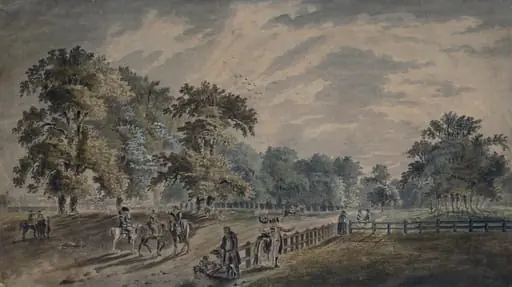
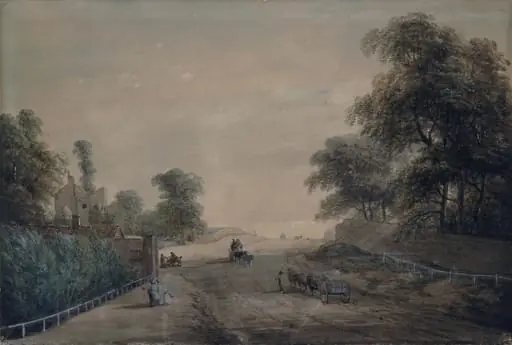
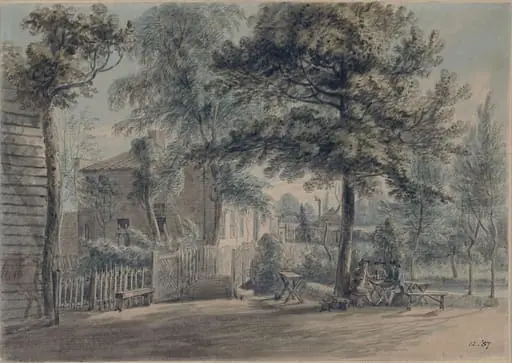
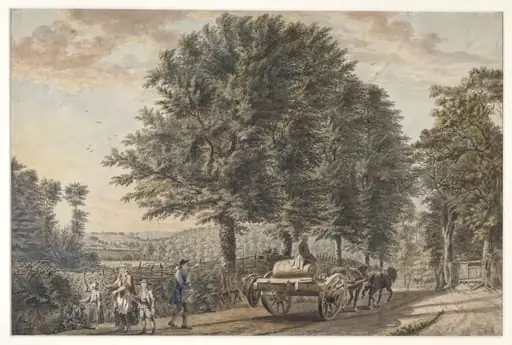
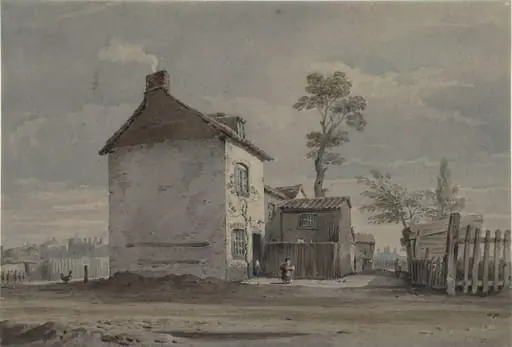
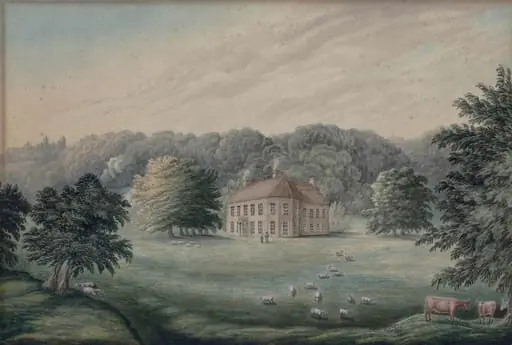
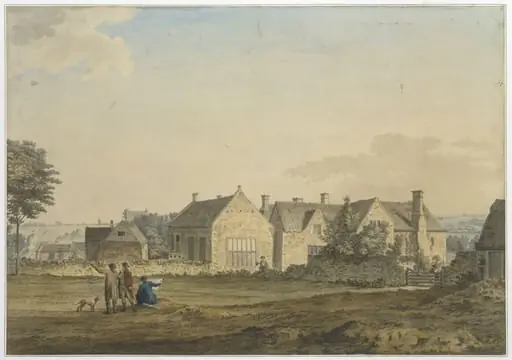
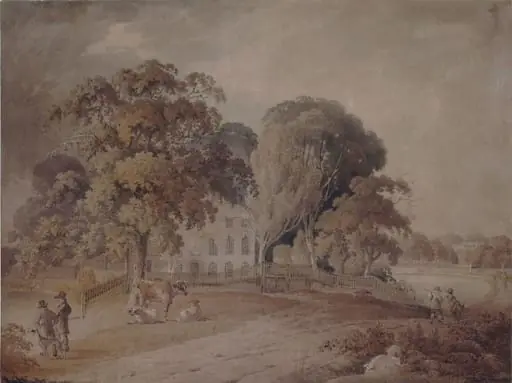
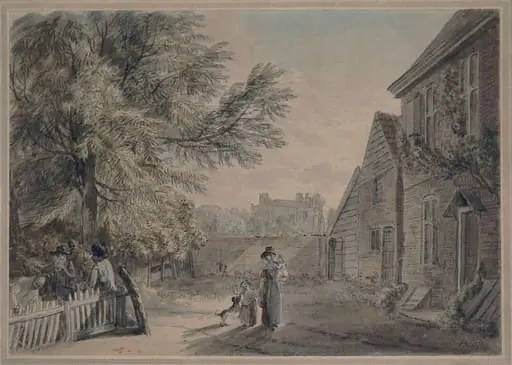
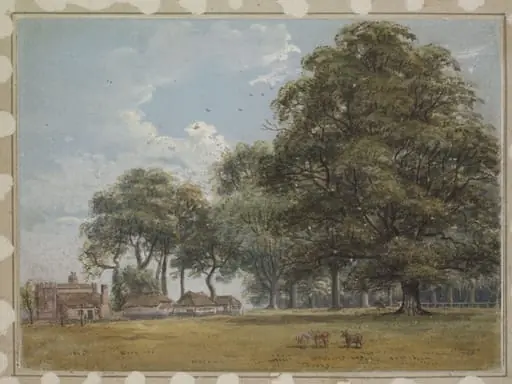
Mitcham Common, Surrey, shewing the road running along the west side
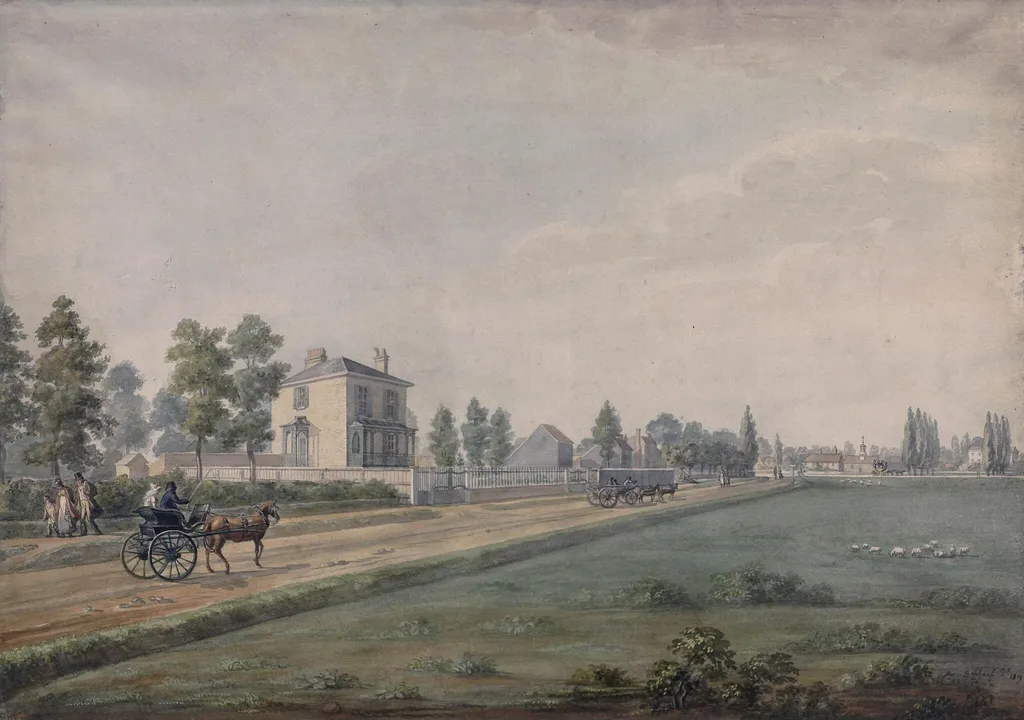
Mitcham Common, Surrey, shewing the road running along the west side is a watercolor work on paper by the British Romanticist artist George Scharf. It dates from 1819 and is held in the collection of the Victoria and Albert Museum.
About this work
Overview
George Scharf created this watercolour depicting Mitcham Common in Surrey, capturing a quiet stretch of rural landscape along its western boundary. The work is signed and dated by the artist, affirming its origin in the early 19th century. Rendered in delicate washes, the piece presents a restrained, observational tone characteristic of topographical watercolours of the period.
Subject & Meaning
The scene centers on a dirt road winding through open fields, flanked by grazing sheep and two horse-drawn carriages in transit. A pale-yellow residence behind a white fence anchors the composition, suggesting modest country living. The absence of human figures emphasizes solitude and stillness, reflecting a quiet appreciation for everyday rural life rather than dramatic narrative.
Technique & Style
Scharf employed light, translucent watercolour washes to convey atmospheric softness. The pale, hazy sky blends gently with the greenery, enhancing the sense of calm. Fine brushwork defines fences, trees, and distant buildings without detail overload. The palette remains muted—ochres, greens, and greys—avoiding contrast to sustain a serene, unobtrusive mood.
History & Provenance
The work originates from Scharf’s documented interest in recording English landscapes during the 1820s–1840s. Though its early ownership is unrecorded, it aligns with his broader practice of producing topographical studies for private patrons and institutions. It entered public collection through later acquisition, likely by a museum focused on British watercolour traditions.
Context
Mitcham Common was a known rural retreat near London, frequented by residents seeking respite from urban life. Scharf’s depiction reflects a growing 19th-century interest in documenting the English countryside amid encroaching industrialization. His approach, neither idealized nor romanticized, aligns with the emerging documentary impulse in British watercolour art.
Legacy
Scharf’s watercolours, including this one, contributed to the preservation of pre-industrial English landscapes through precise, unembellished observation. While not widely exhibited today, his works remain referenced in studies of 19th-century topographical art. The piece exemplifies the quiet, methodical tradition of British watercolourists who valued accuracy over sentiment.
Artist & collection


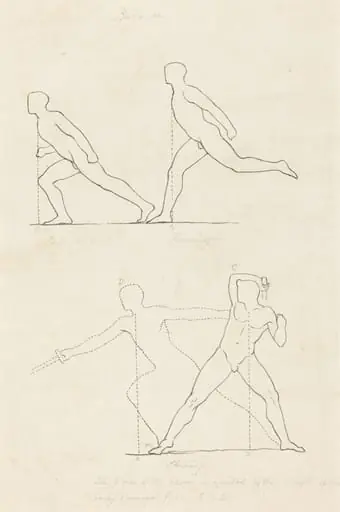 Preparing to Run; Running; Striking
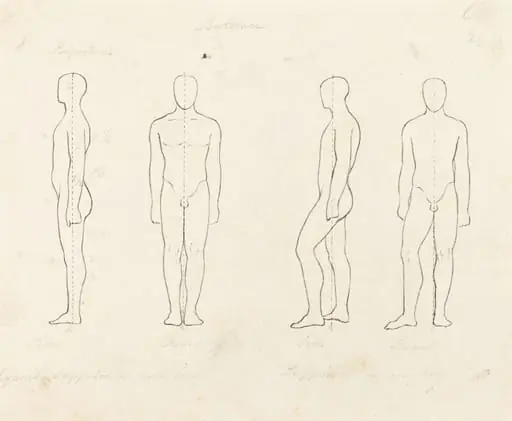 Extent of Motion, Front and Side View Equipoised, Supported on One Leg
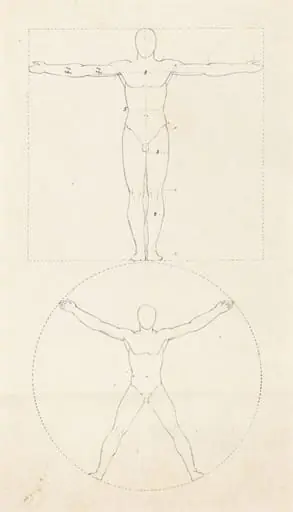 Circle and Square of the Human Figure
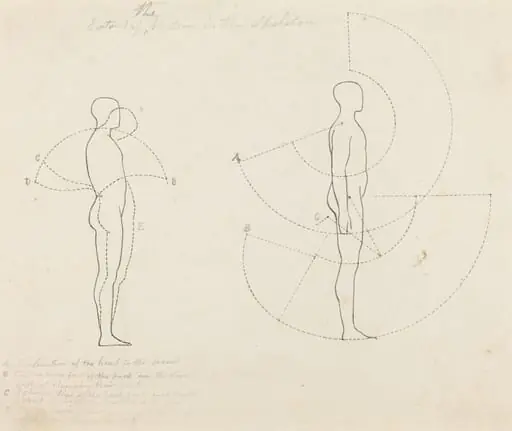 Extent of Motion Shown in Two Figures
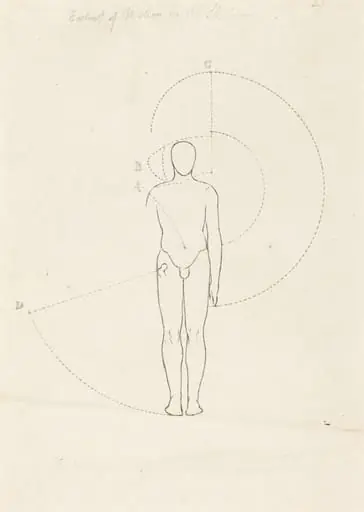 Extent of Motion, One Figure
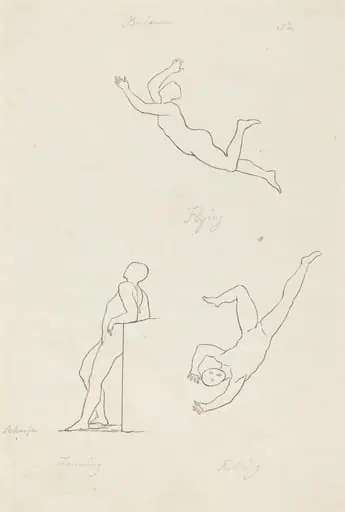 Leaning, Flying and Falling
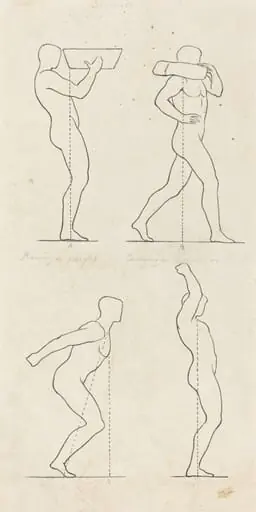 Bearing a Weight; Preparing to Jump, and Alighting
 Gule-Hissa Ovassy in the Northern part of Lycia