Artwork
Grammatica
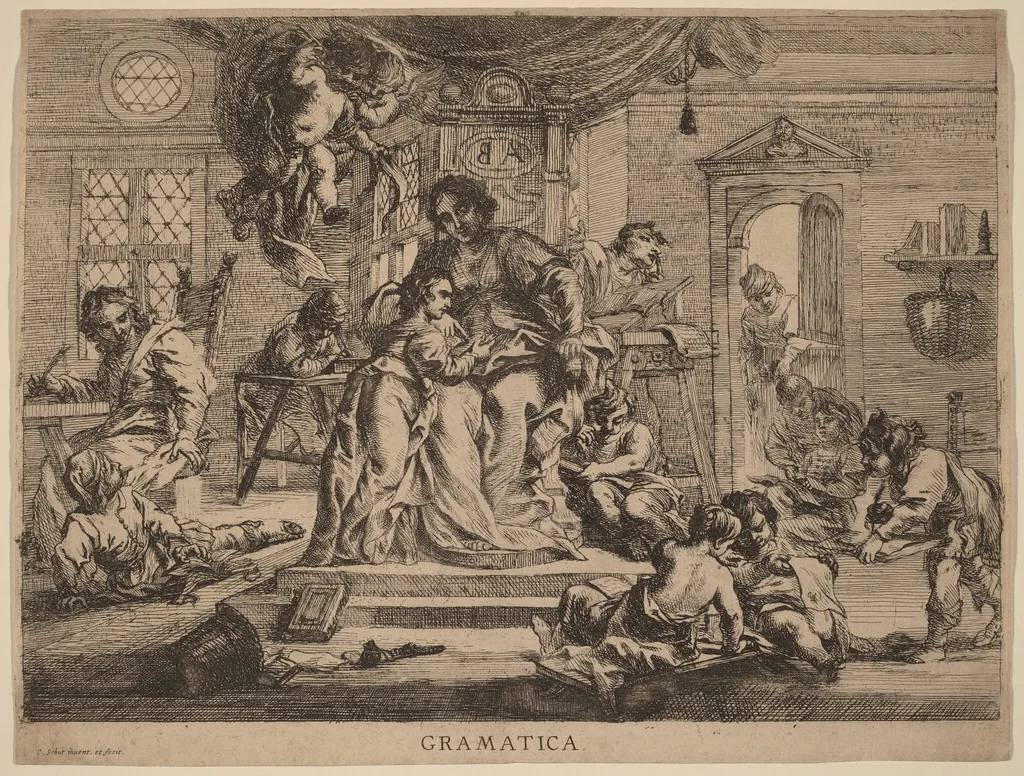
Grammatica is an ink print by the Renaissance artist Cornelis Schut I. It dates from 1626 and is held in the collection of the National Gallery of Art.
About this work
Overview
Cornelis Schut I’s 1626 etching titled Grammatica presents a bustling composition rendered in monochrome. Central to the scene is a seated woman holding an open book, surrounded by a variety of figures, animals and architectural elements that together create a lively tableau.
Subject & Meaning
The presence of the book and the inscription “GRAMATICA” beneath the image suggest an allegorical reference to the study of language or writing. The woman’s prominent placement and the attentive crowd imply a didactic gathering, perhaps illustrating the transmission of knowledge.
Technique & Style
Executed with fine, incisive lines, the etching achieves a sense of depth through careful hatching and cross‑hatching. The contrast between the sharply delineated figures and the softer rendering of background trees and a dog highlights the artist’s skill in balancing detail and atmosphere.
History & Provenance
Created in the early seventeenth century, Grammatica is attributed to the Flemish printmaker Cornelis Schut I. The work survives in several museum collections, though its exact ownership trail before the modern era remains sparsely documented.
Context
The print reflects the period’s interest in educational and moral subjects, a common theme in Northern European art of the 1620s. Its architectural backdrop, featuring columns and a balcony, situates the scene within a classical setting that reinforces the scholarly theme.
Artist & collection


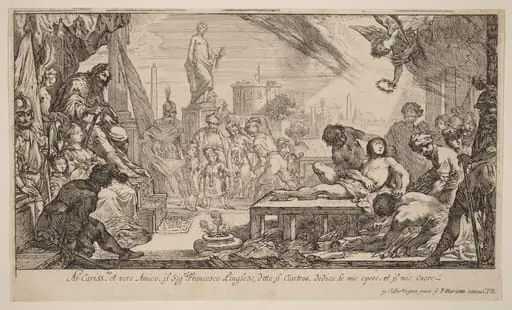 The Martyrdom of Saint Lawrence
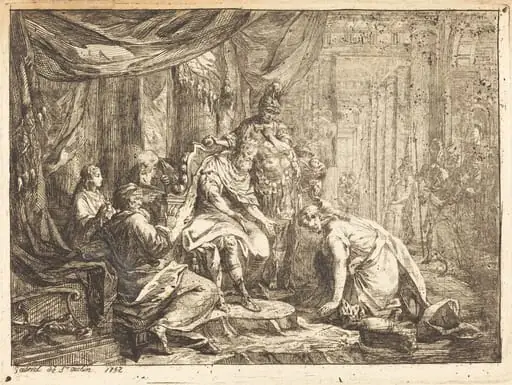 Reconciliation of Absalom and David (Réconciliation d'Absalom et de David)
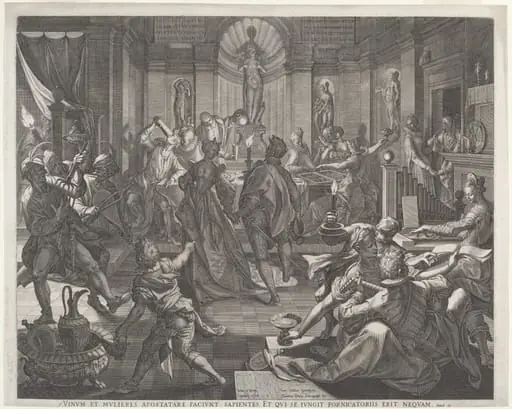 A Pleasure House
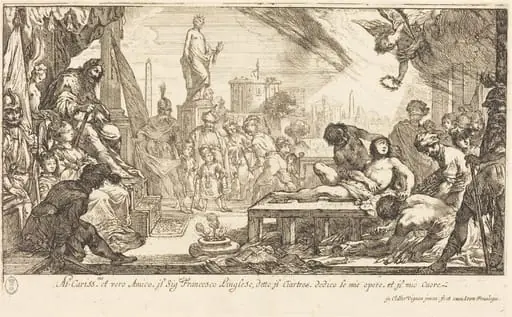 The Martyrdom of Saint Lawrence
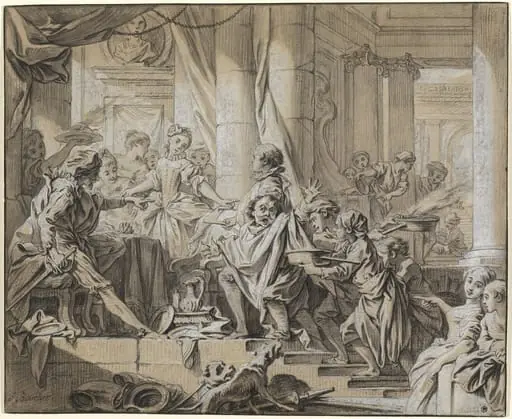 Sancho Fleeing from the Servants of the Duke
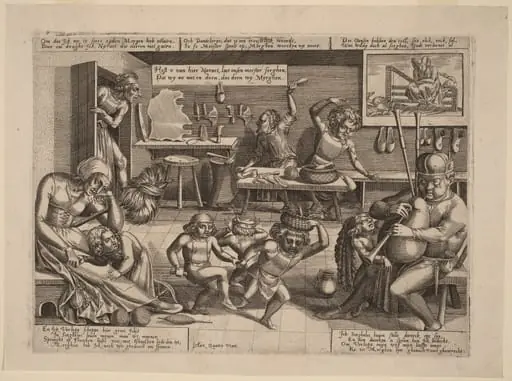 The Dissolute Household
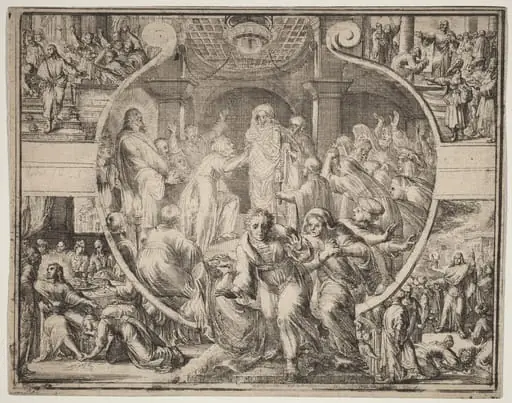 Raising of Lazarus with Scenes from the Life of Christ
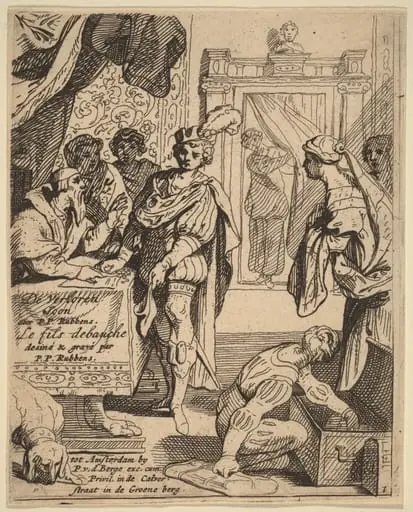 The Prodigal Son Receiving His Patrimony
 Pharaoh and the Plague of Frogs
 Joseph Relays to Mary God's Command to Flee
 Le glouton
 The Symposium