Artwork
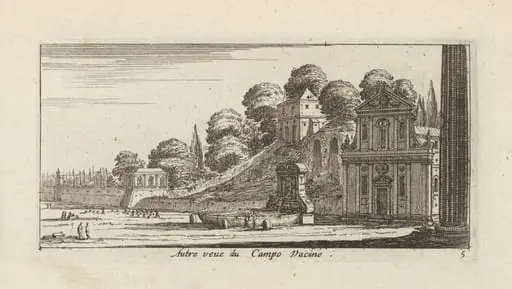
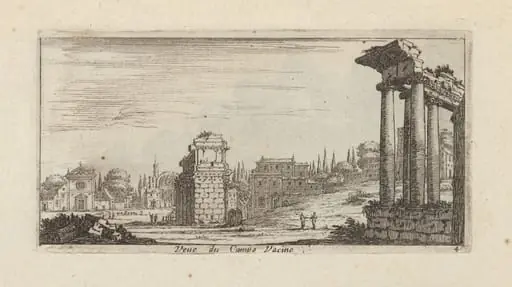
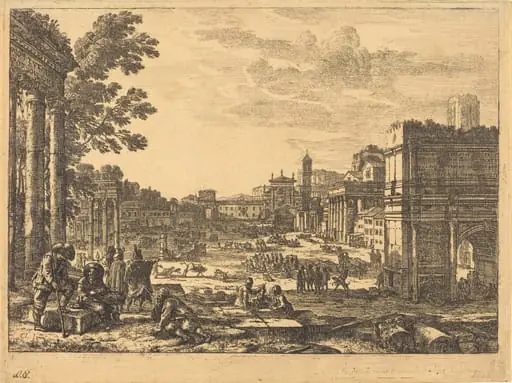
Veduta di Campo Vaccina
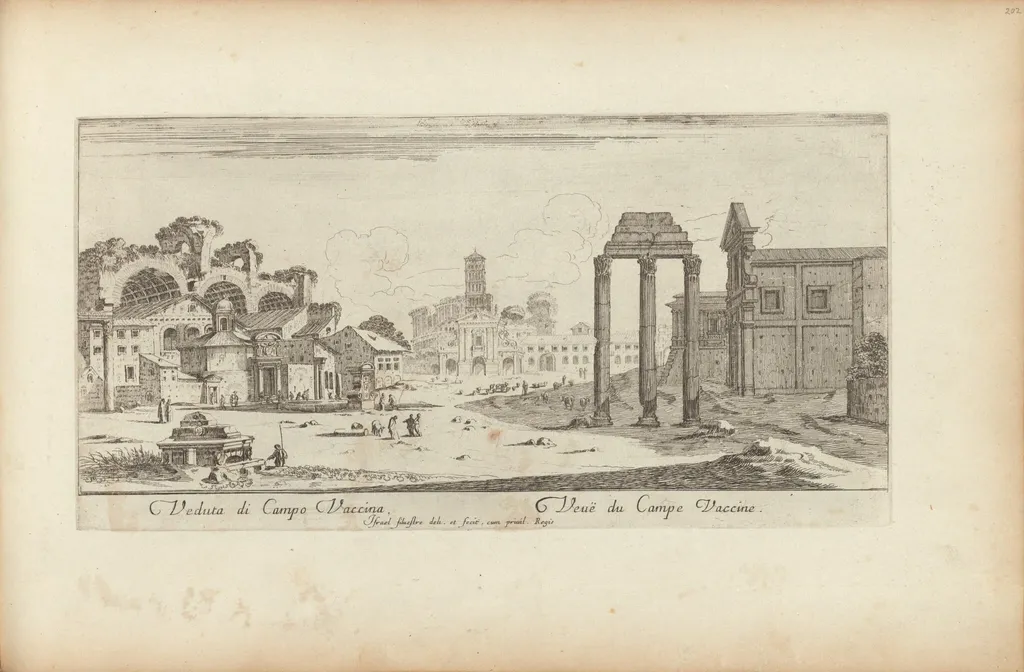
Veduta di Campo Vaccina is an ink print by the Baroque artist Israël Silvestre. It dates from 1650 and is held in the collection of the National Gallery of Art.
About this work
Overview
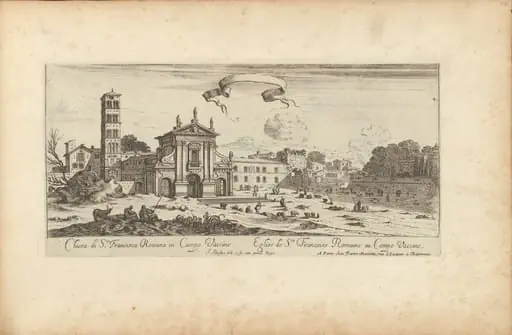
Veduta di Campo Vaccina is an etching on laid paper created by Israël Silvestre the Younger in 1650. The work captures a serene landscape with a distant large archway, buildings, and figures engaged in everyday activities near a body of water.
Subject & Meaning
The subject is a tranquil scene of daily life in Campo Vaccina, conveying a sense of peaceful coexistence between human activity and architectural presence. The composition balances foreground vitality with background serenity.
Technique & Style
Executed in a soft, muted palette with gentle lines and subtle shading, the etching showcases Silvestre's mastery of capturing texture, movement, and atmospheric depth through nuanced light and shadow, aligning with Baroque tendencies.
History & Provenance
Created during Silvestre's travels in the mid-17th century, the etching is based on sketches from his journeys through France, Spain, and Italy. His artistic upbringing under his uncle, an etcher and print-seller connected to Jacques Callot, influenced his technique.
Context
Part of Silvestre's topographical view series, Veduta di Campo Vaccina reflects 17th-century interest in documenting notable locations. Silvestre's work bridges the gap between accurate representation and aesthetic appeal, characteristic of his period.
Legacy
While specific legacy details of Veduta di Campo Vaccina are not highlighted, Silvestre's overall body of work contributes to the preservation of 17th-century European architectural and social history through his detailed topographical prints.
Artist & collection
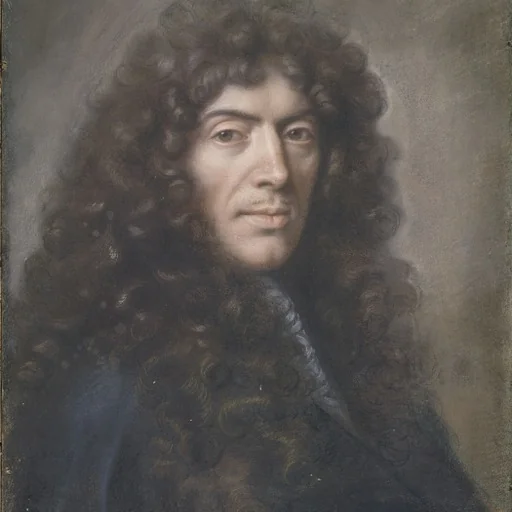
Artist
Israel Silvestre (13 August 1621 in Nancy – 11 October 1691 in Paris), called the Younger to distinguish him from his father, was a prolific French draftsman, etcher and print dealer who specialized in topographical views and perspectives…

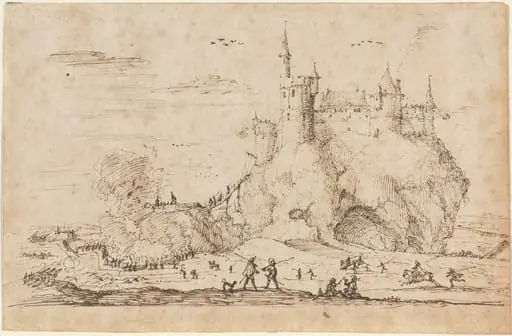 Castle under Siege
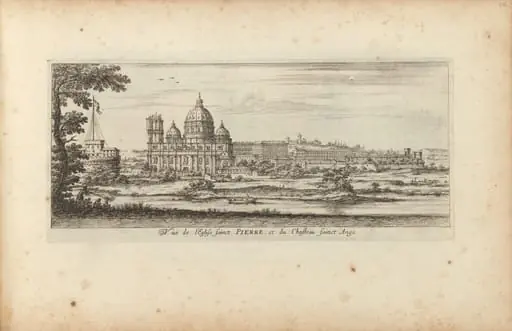 Vuë de l'Eglise sainct Pierre, et du Chasteau Sainct Ange
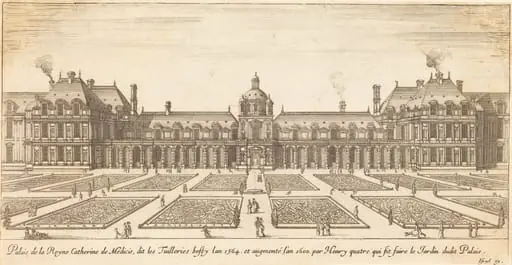 Palais de la Reyne Catherine de Medicis
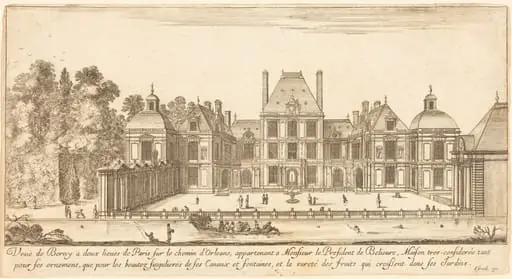 Veue de Berny a deux lieues de Paris sur le chemin d'Orléans
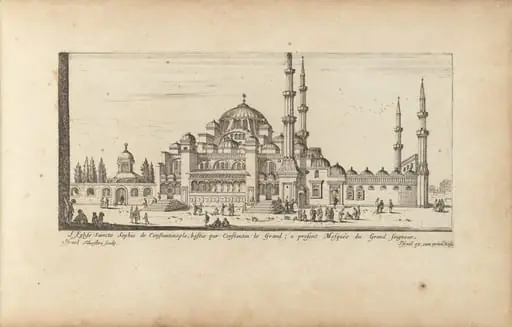 L'Eglise Saincte Sophie de Constantinople, bastie par Constantin le Grand; a present Mosquée du Grand seigneur
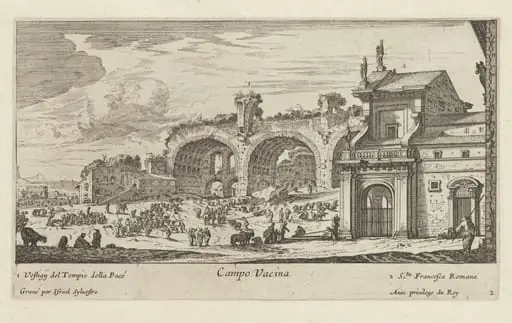 Campo Vacina
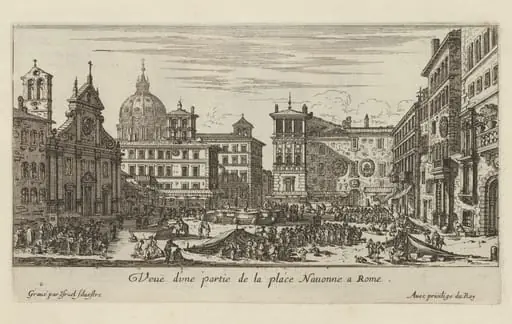 Veuë d'une partie de la place Navonne a Rome
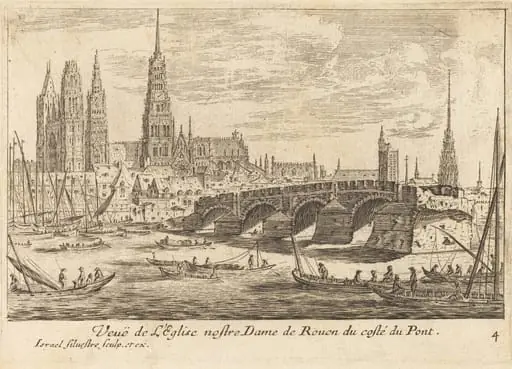 Veue de l'Eglise nostre Dame de Rouen