Artwork
Charles I of England and the Duke of Hamilton
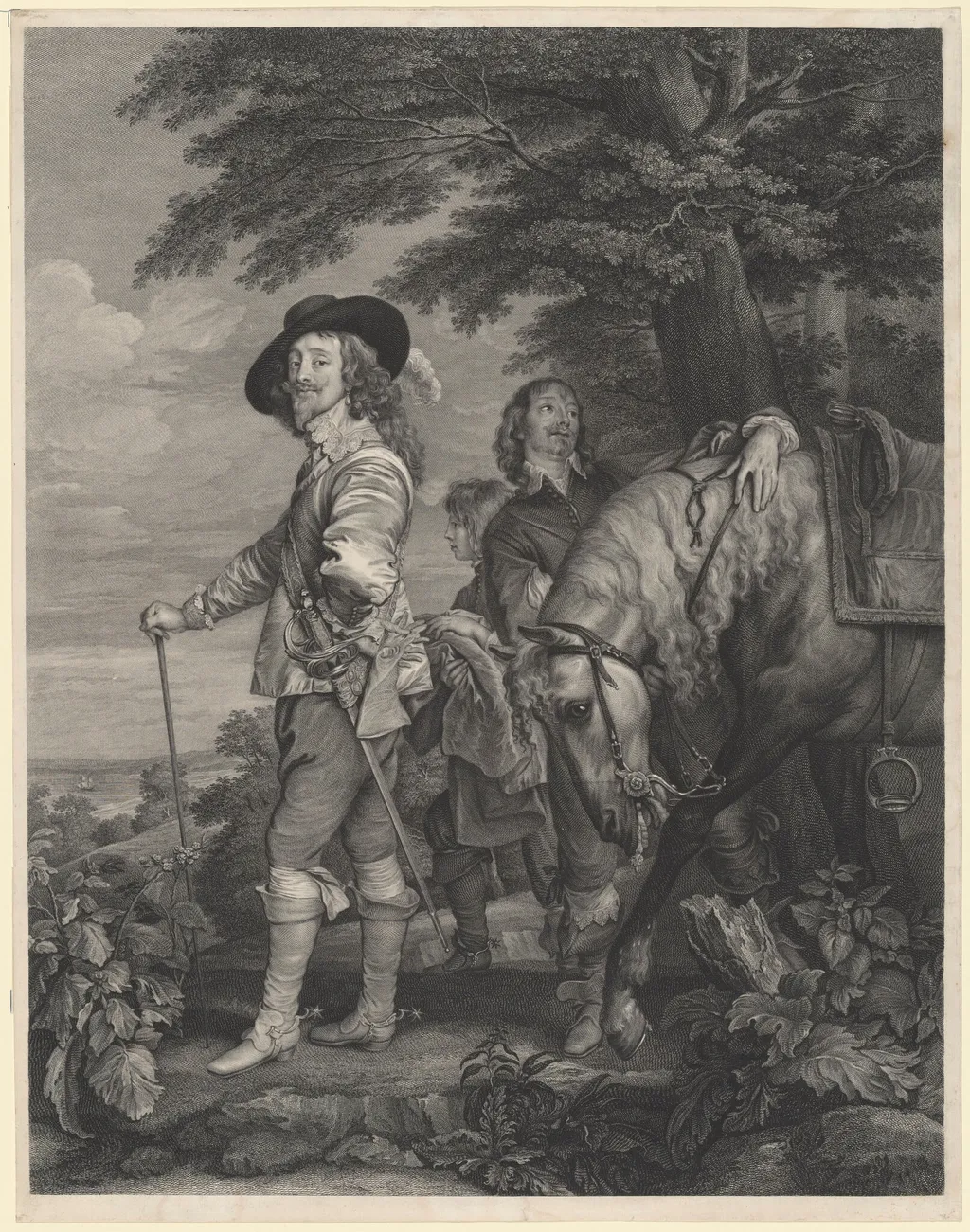
Charles I of England and the Duke of Hamilton is an ink print by the Romanticist artist Robert, Sir Strange. It dates from 1782 and is held in the collection of the National Gallery of Art. An 1782 engraving by Robert Strange depicts Charles I of England alongside the Duke of Hamilton, rendered in fine linear detail.
About this work
Overview
An 1782 engraving by Robert Strange depicts Charles I of England alongside the Duke of Hamilton, rendered in fine linear detail.
An 1782 engraving by Robert Strange depicts Charles I of England alongside the Duke of Hamilton, rendered in fine linear detail. The composition centers on a mounted figure, flanked by two standing men and set against a pastoral landscape. The work is a historical portrait executed in the tradition of reproductive engraving, translating earlier painted compositions into printed form for wider dissemination.
Subject & Meaning
The scene portrays Charles I, mounted and centrally positioned, accompanied by the Duke of Hamilton, a close royal advisor. The third figure, standing behind the horse, may represent a courtier or attendant. The inclusion of weapons and equestrian posture suggests authority and ceremonial presence, reflecting the monarch’s role as both ruler and military leader during a period of growing political tension.
Technique & Style
Strange employed meticulous cross-hatching and fine line work to model form and texture, achieving subtle gradations of light and shadow. The landscape elements—trees, water, and sky—are rendered with delicate precision, enhancing spatial depth. The engraving’s tonal range and controlled linework reflect the technical rigor of 18th-century reproductive printmaking, prioritizing clarity and fidelity over expressive flourish.
History & Provenance
Created in 1782, the engraving reproduces a composition likely derived from a lost or lesser-known painting of the early 17th century. Strange, a noted engraver and former pupil of Joshua Reynolds, specialized in translating royal and historical portraits into print. This work was part of a broader effort to preserve and circulate images of Stuart royalty during a time of renewed interest in monarchical imagery after the English Civil War.
Context
Produced during the late Georgian era, the engraving emerged amid a cultural revival of interest in Stuart history, particularly as Britain navigated constitutional debates and royal legitimacy. Though Charles I had been executed nearly 150 years prior, his image remained potent in political discourse. Strange’s print contributed to a visual archive that romanticized the pre-Civil War monarchy without overtly endorsing its claims.
Legacy
Robert Strange’s engraving remains a documented example of 18th-century reproductive printmaking, valued for its technical precision and historical subject matter. It is preserved in institutional collections as a record of how royal imagery was sustained and reinterpreted in print culture, offering insight into the enduring symbolic weight of Stuart monarchy in British visual memory.
Artist & collection

 Cavalier on Horseback
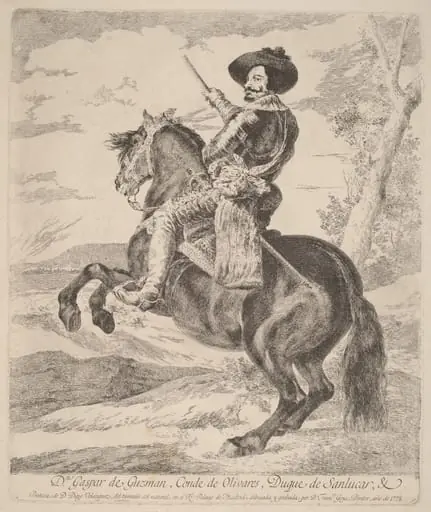 Gaspar de Guzman, Conde Duque de Olivares
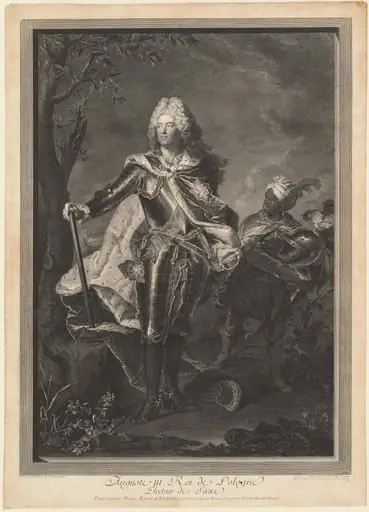 Auguste III. Roi de Pologne
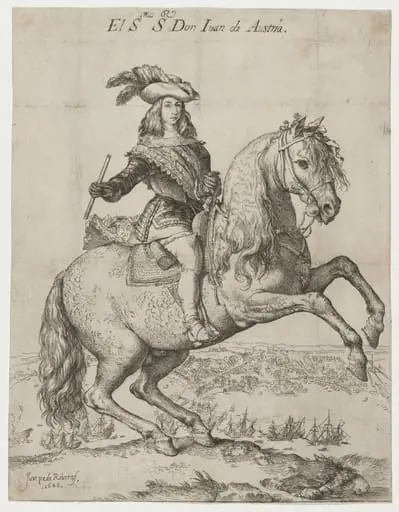 Equestrian Portrait of Don Juan de Austria
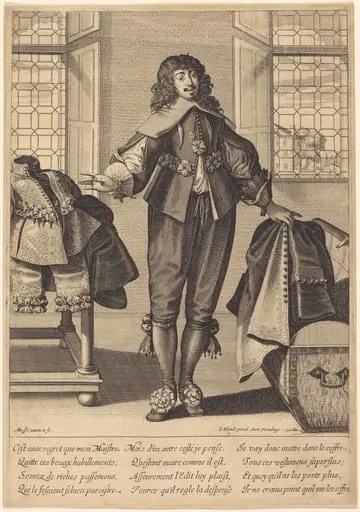 The Valet
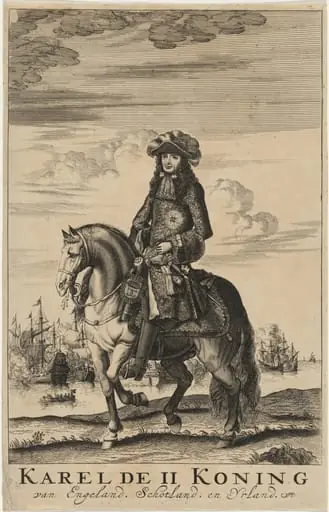 Charles II on Horseback
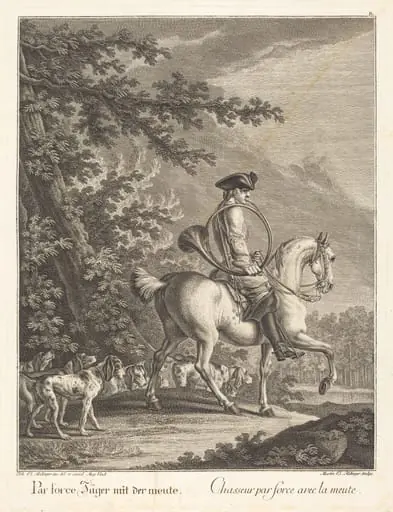 Huntsman with a Pack of Hounds
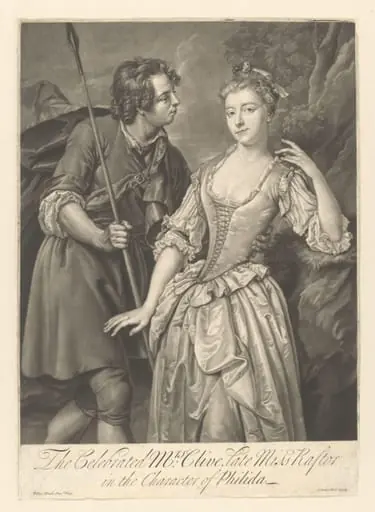 H Beard Print Collection
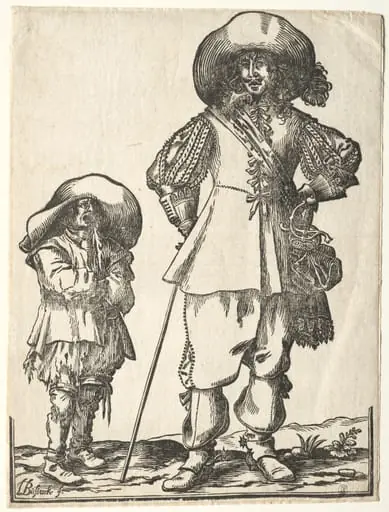 Standing Cavalier and Beggar Boy
 Sir Philip Sidney, Soldier and Poet
 L'enlevement nocturne
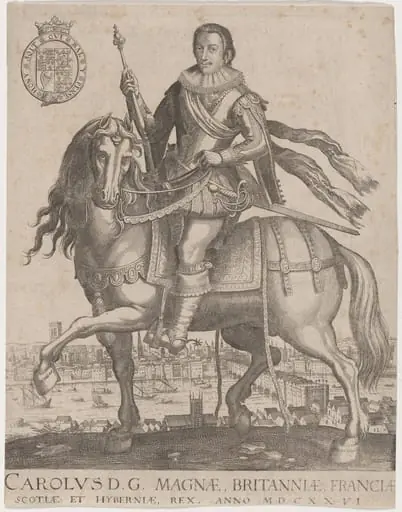 Charles I