Artwork
Untitled
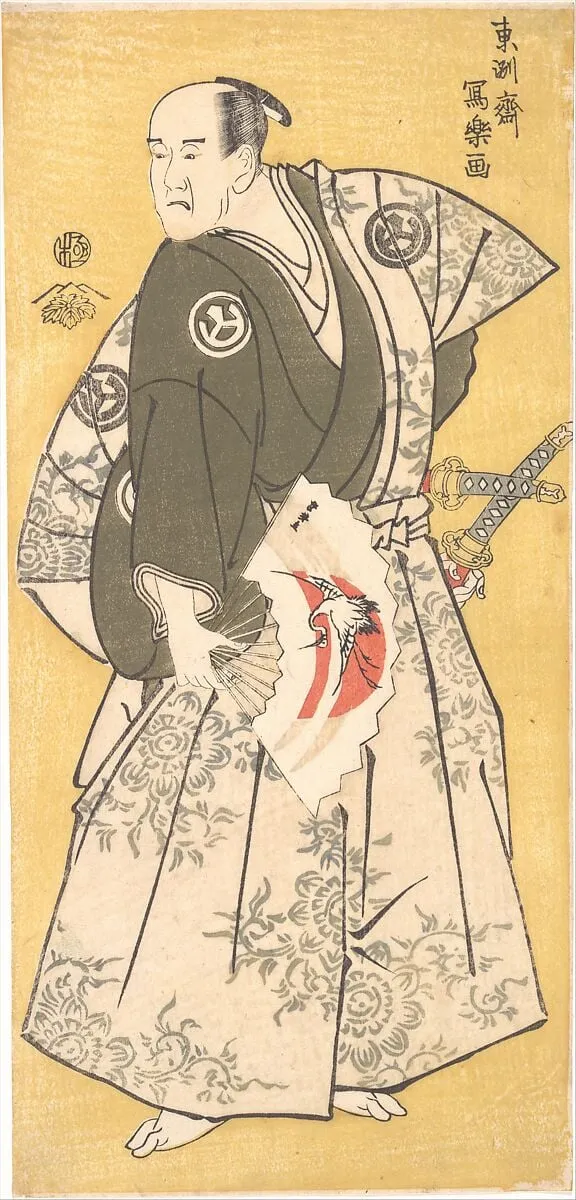
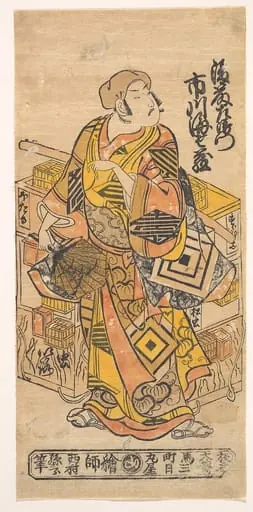
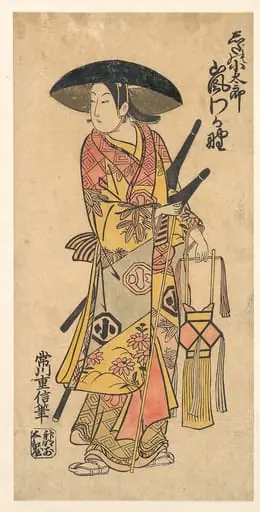
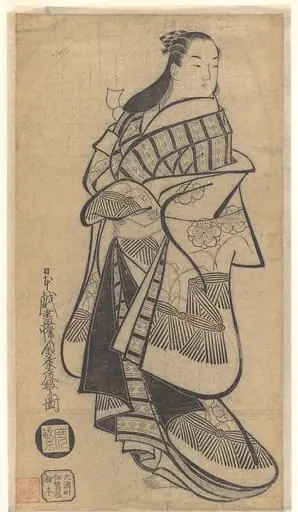
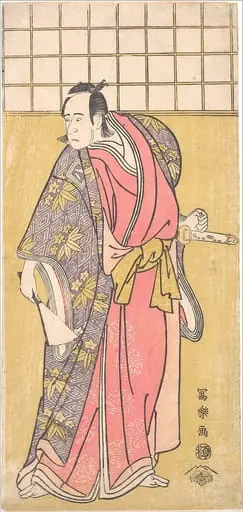
Untitled is an ink print by the Romanticist artist Tōshū. It dates from 1794 and is held in the collection of the Metropolitan Museum of Art.
About this work
The print is small—about the size of a postcard—but the lines feel bold, almost electric.
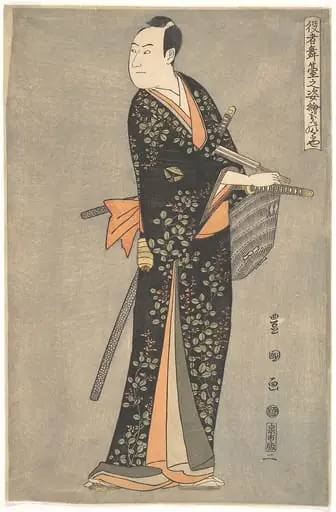
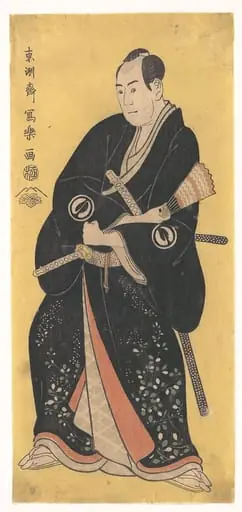
A man in a dark robe grips a fan, his face sharp and unsmiling. The print is small—about the size of a postcard—but the lines feel bold, almost electric.
Sharaku made these actor portraits for only ten months in 1794–95, then vanished. No one knows why he stopped or where he went. The faces aren’t flattering; they show the actor’s real features, not just the role.
If you like this direct style, look up the subject *actors*.
Overview
This woodblock print, unsigned and untitled, presents a solitary male figure in a dark robe clutching a hand‑fan. Rendered on paper with ink and color, the image measures roughly the dimensions of a modern postcard. The composition is stark, the subject’s expression tight and unsmiling, conveying a sense of restrained intensity despite the work’s modest size.
Subject & Meaning
The figure is an Edo‑period kabuki actor, captured not in costume but in a moment of personal gesture. The fan, a common theatrical prop, emphasizes the performer's poise and control, while the unflattering, sharply delineated facial features suggest a focus on the individual’s true visage rather than a stylized role portrayal.
Technique & Style
Executed in the ukiyo‑e woodblock method, Sharaku employed bold, decisive line work that gives the print an almost electric quality. Ink outlines define the robe and facial contours, while limited color washes accentuate the fan and the darkness of the garment, creating contrast that heightens the figure’s stark presence.
History & Provenance
Created in 1794, the print belongs to the brief but prolific period when Sharaku produced a series of actor portraits over ten months before disappearing from the art world. The artist’s identity and reasons for his sudden withdrawal remain unknown, adding an element of mystery to the work’s provenance and to the limited corpus of his surviving prints.
Artist & collection


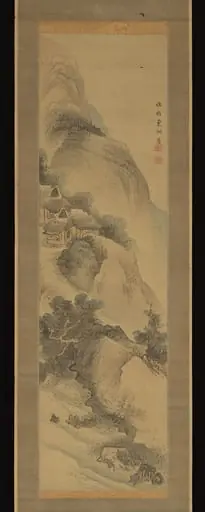 Untitled
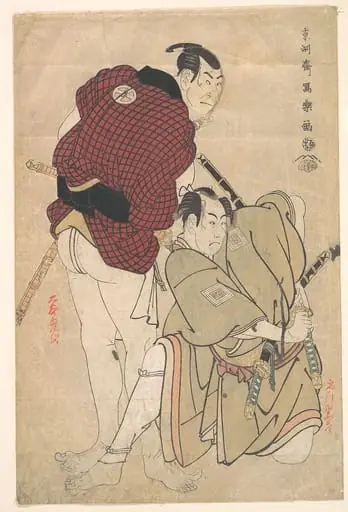 Untitled
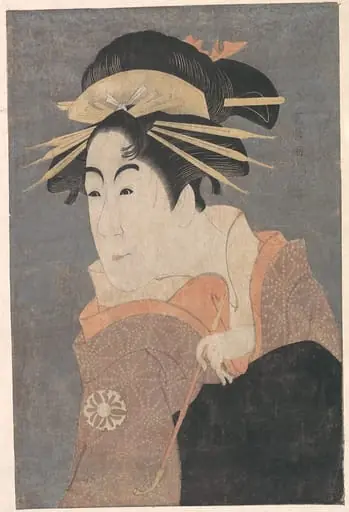 Untitled
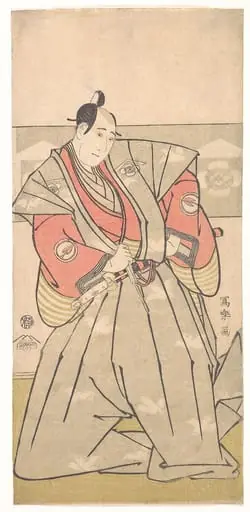 Untitled
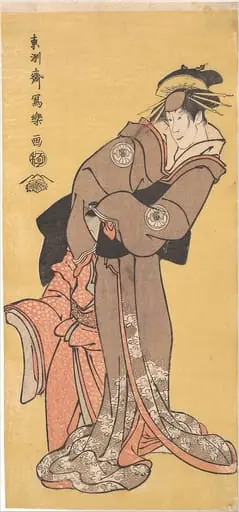
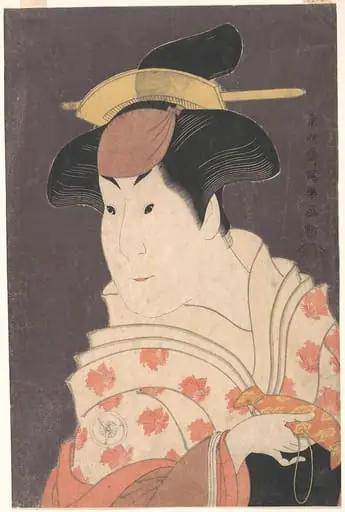 東洲斎写楽画 四代岩井半四郎の重の井 『恋女房染分手綱』|Iwai Hanshirō IV as Shigenoi in the Play "Koinyōbō Somewake Tazuna"
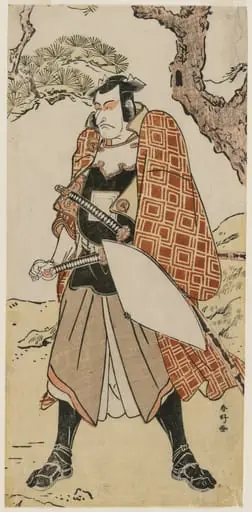
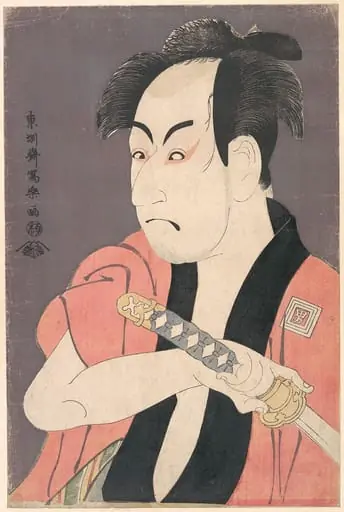 東洲斎写楽画 初代市川男女蔵の奴一平 『恋女房染分手綱』|Ichikawa Omezō I in the Role of Yakko Ippei from the Play "Koinyōbō somewake tazuna"
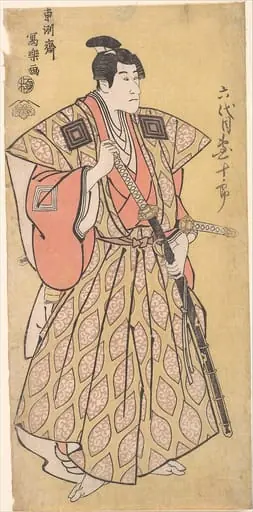
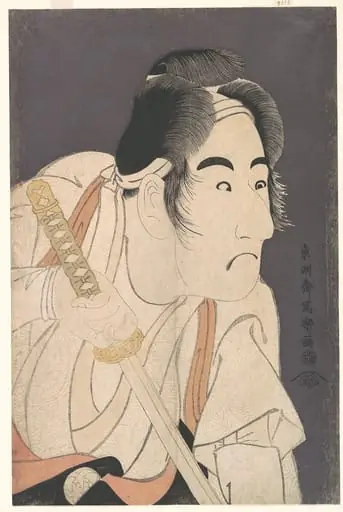 東洲斎写楽画 二世坂東三津五郎の石井源蔵 『花菖蒲文禄曽我』|Bandō Mitsugorō II as Ishii Genzō in the Play "Hana-ayame Bunroku Soga"
 Untitled