Artwork
Untitled
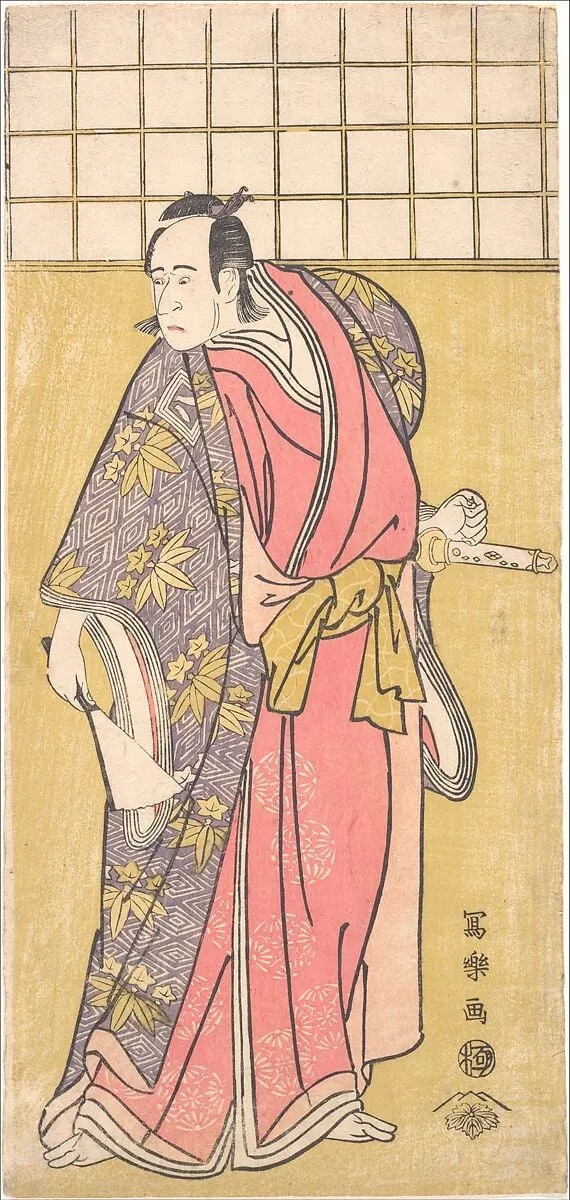
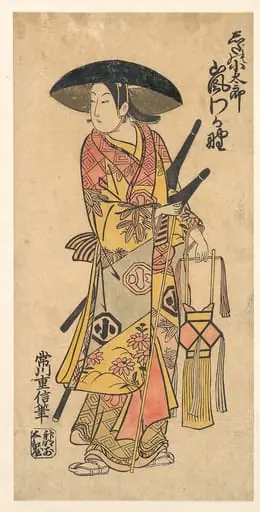
Untitled is an ink print by the Romanticist artist Tōshū. It dates from 1794 and is held in the collection of the Metropolitan Museum of Art.
About this work
If you like how the light and shadow play here, look up *cross-hatching*—a technique that builds depth with tiny, crisscrossing lines.
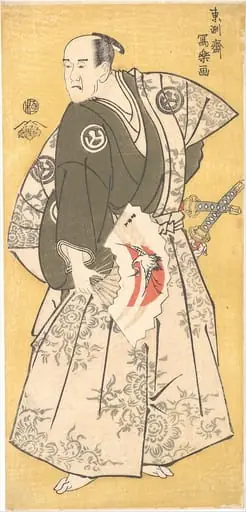
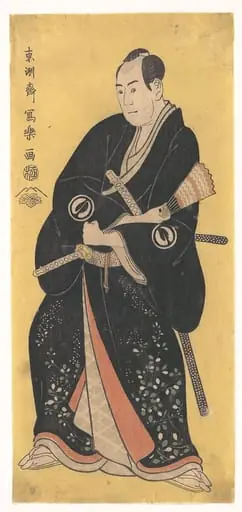
A man in a bright kimono holds a fan, his face half-lit like a stage actor caught mid-performance. The background glows yellow, making his sharp features stand out even more.
Sharaku made these prints for just ten months in 1794, then vanished. No one knows why he stopped—or who he really was. The faces feel exaggerated, almost like caricatures, but the details are precise.
If you like how the light and shadow play here, look up *cross-hatching*—a technique that builds depth with tiny, crisscrossing lines.
Overview
This woodblock print, produced around 1794, presents a solitary figure in a vivid kimono holding a hand fan against a luminous yellow backdrop. The composition captures a moment of theatrical intensity, with the subject’s face illuminated on one side, emphasizing the sharpness of his features. Executed in ink and color on paper, the work exemplifies the hoso-e format favored for its narrow, vertical orientation.
Subject & Meaning
The image portrays the kabuki performer Suketakaya Takasuke II, a celebrated actor of the Edo period. By isolating him with a fan—a prop commonly associated with stage gestures—the print underscores his theatrical persona and the performative tension of a role caught between revelation and concealment. The half‑lit visage suggests a moment of dramatic revelation, inviting viewers to contemplate the fleeting nature of performance.
Technique & Style
Sharaku employed the traditional woodblock method, applying ink and pigments to a paper sheet pre‑treated with a yellow ground. The artist’s use of fine cross‑hatching creates subtle gradations of light and shadow, lending depth to the folds of the kimono and the contours of the face. While the facial proportions are deliberately exaggerated, the meticulous line work retains a high degree of realism, balancing caricature with precise observation.
History & Provenance
Created during Sharaku’s brief but prolific ten‑month career in 1794, this print belongs to a corpus of works that vanished as quickly as the artist’s name did. The mystery surrounding Sharaku’s identity and the abrupt end to his output have long intrigued scholars, leaving the provenance of individual prints largely undocumented beyond their original publication in Edo’s ukiyo‑e market.
Artist & collection


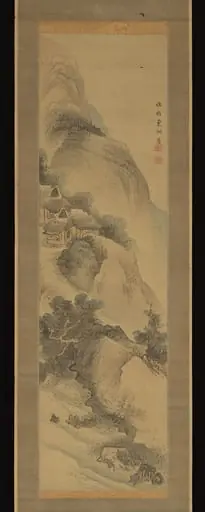 Untitled
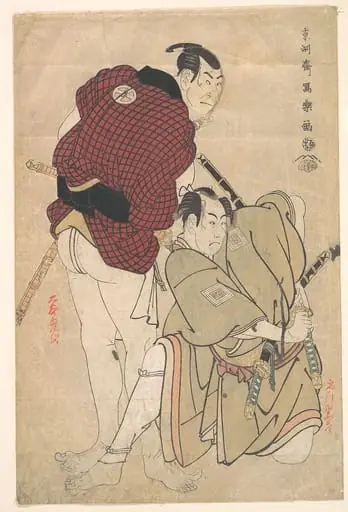 Untitled
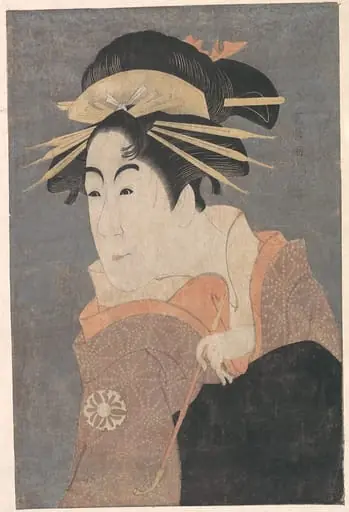 Untitled
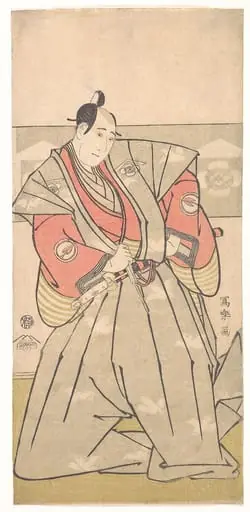 Untitled
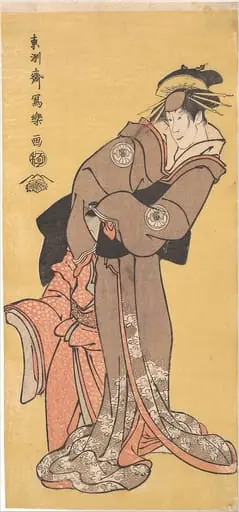
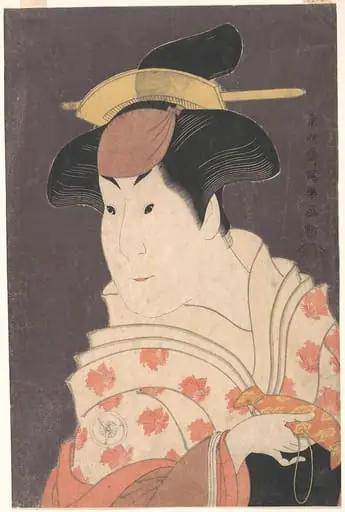 東洲斎写楽画 四代岩井半四郎の重の井 『恋女房染分手綱』|Iwai Hanshirō IV as Shigenoi in the Play "Koinyōbō Somewake Tazuna"
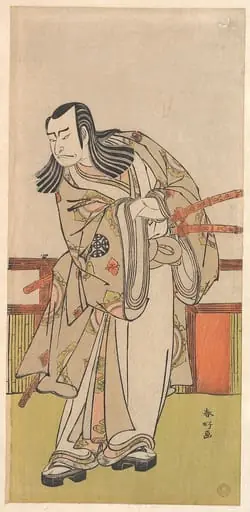
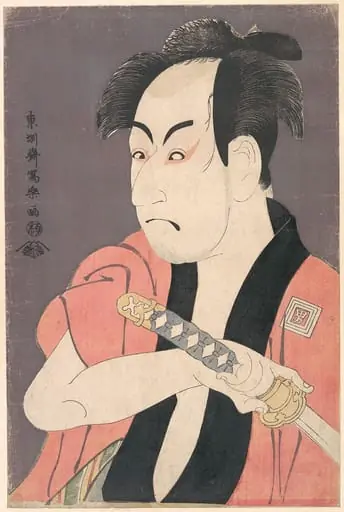 東洲斎写楽画 初代市川男女蔵の奴一平 『恋女房染分手綱』|Ichikawa Omezō I in the Role of Yakko Ippei from the Play "Koinyōbō somewake tazuna"
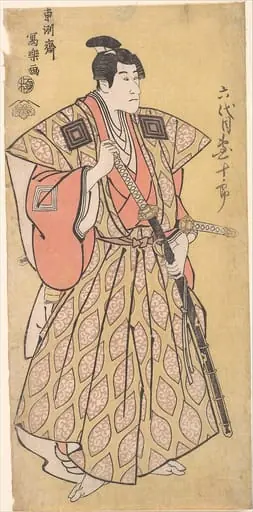
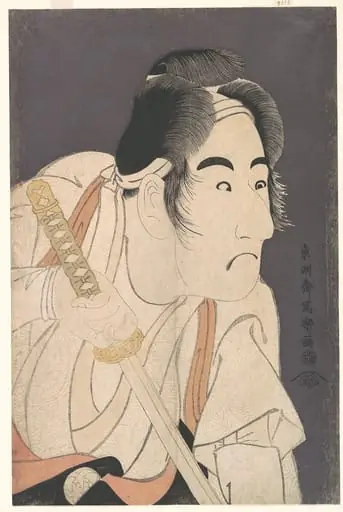 東洲斎写楽画 二世坂東三津五郎の石井源蔵 『花菖蒲文禄曽我』|Bandō Mitsugorō II as Ishii Genzō in the Play "Hana-ayame Bunroku Soga"
 Untitled