Artwork
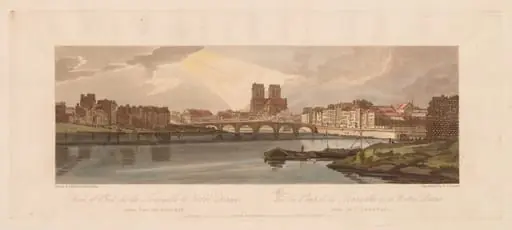
A Selection of Twenty of the Most Picturesque Views in Paris: View of Pont de la Tournelle & Notre Dame taken from the Arsenal
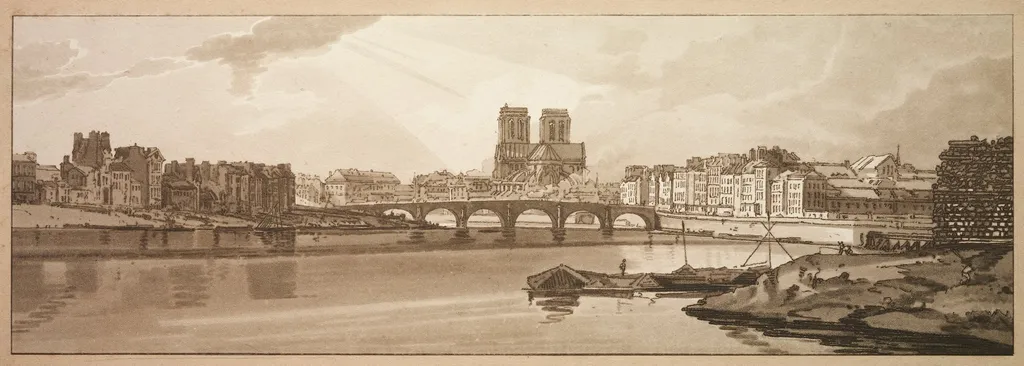
A Selection of Twenty of the Most Picturesque Views in Paris: View of Pont de la Tournelle & Notre Dame taken from the Arsenal is a print by the Romanticist artist Girtin. It dates from 1802 and is held in the collection of the Cleveland Museum of Art.
About this work
You see a wide, misty river with a stone bridge and the towers of Notre Dame rising behind bare trees.
Girtin painted this in Paris during a brief peace in 1802. He used watercolor like oil paint—layering washes to build depth without heavy brushstrokes. The sky feels alive, the clouds almost moving.
If you like this quiet light, look up the technique called *sfumato*.
Overview
Based on graphite sketches made on-site, the work was later translated into etchings by his widow and brother following his death from tuberculosis.
This print is part of a series produced after Thomas Girtin’s 1802 trip to Paris, during the brief Peace of Amiens. Based on graphite sketches made on-site, the work was later translated into etchings by his widow and brother following his death from tuberculosis. It captures a quiet, mist-lit view of the Seine near Pont de la Tournelle, with Notre-Dame rising in the distance, reflecting Girtin’s interest in atmospheric landscape and urban topography.
Subject & Meaning
The scene presents a tranquil, almost meditative perspective of Paris, emphasizing the relationship between architecture and natural elements. The bridge, river, and cathedral are rendered not as monuments but as integrated parts of a shifting environment. The mist and diffuse light suggest transience, aligning with Girtin’s broader interest in capturing fleeting moments of light and weather rather than idealized grandeur.
Technique & Style
Girtin employed watercolor with a layered wash technique that mimicked the tonal depth of oil paint, avoiding heavy brushwork in favor of subtle gradations. The sky and clouds are built through delicate, translucent layers, creating a sense of movement and air. The composition is panoramic yet restrained, reducing forms to essential shapes while preserving atmospheric nuance, a hallmark of his mature style.
History & Provenance
Girtin traveled to Paris in 1802 to study artworks looted by Napoleon and displayed in the Louvre. He made numerous sketches of the city’s landmarks and riverfronts, later developing them into prints after returning to London. He died in 1802, and the series was published posthumously by his family. This print is one of twenty in the set, intended to document the city’s visual character during a rare moment of peace.
Context
The Peace of Amiens allowed British artists to visit France for the first time in years, offering access to continental collections and urban scenes previously inaccessible. Girtin’s work during this period reflects a shift from topographical record to poetic interpretation, aligning with emerging Romantic sensibilities. His focus on light and atmosphere distinguished his approach from contemporaries who emphasized detail or ornament.
Legacy
Girtin’s watercolor techniques influenced later artists by proving the medium could convey emotional depth and spatial complexity without relying on opaque pigments. His atmospheric rendering of urban landscapes paved the way for the English watercolor school. Though his career was brief, his innovations in tonal gradation and composition became foundational to 19th-century landscape practice.
Artist & collection
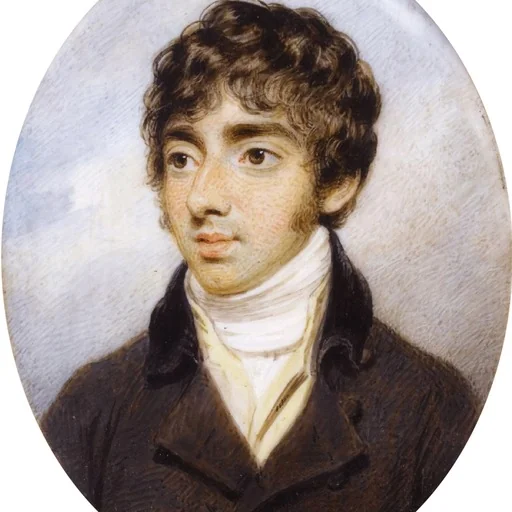
Artist
Thomas Girtin (18 February 1775 – 9 November 1802) was an English watercolourist and etcher. A friend and rival of J. M. W. Turner, Girtin played a key role in establishing watercolour as a reputable art form.

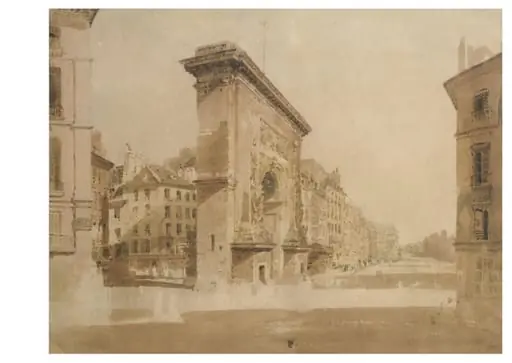
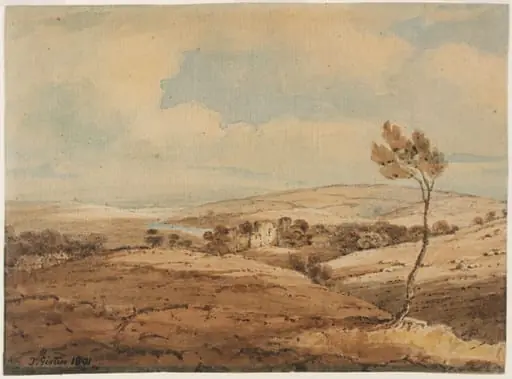
 A Selection of Twenty of the Most Picturesque Views in Paris: View of the Pont de la Tournelle & Notre Dame Taken from the Arsenal
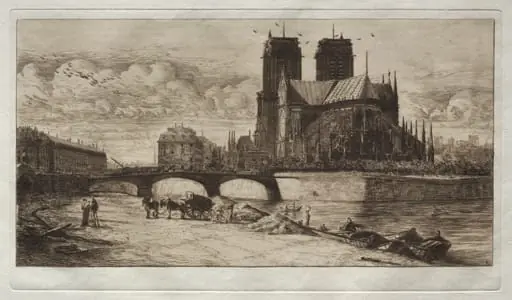 L'Abside de Notre Dame de Paris
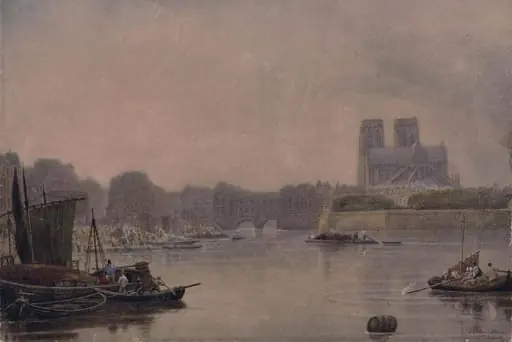 Notre Dame, Paris
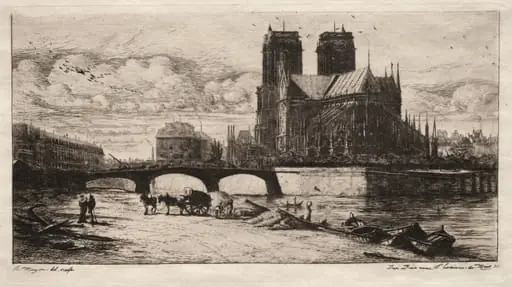 Etchings of Paris: The Apsis of the Cathedral of Notre Dame
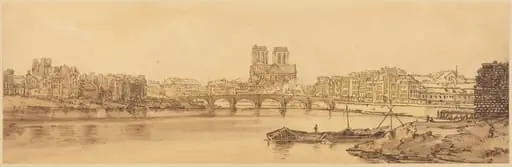 View of Pont de la Tournelle and Notre Dame Taken from the Arsnel: pl.11
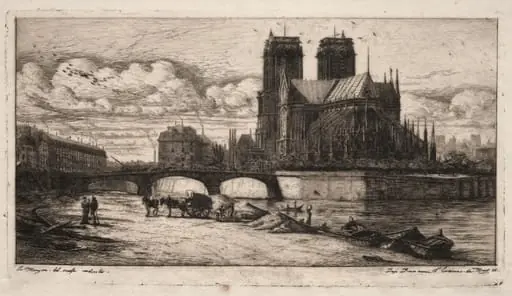 Etchings of Paris: The Apse of the Cathedral of Notre Dame
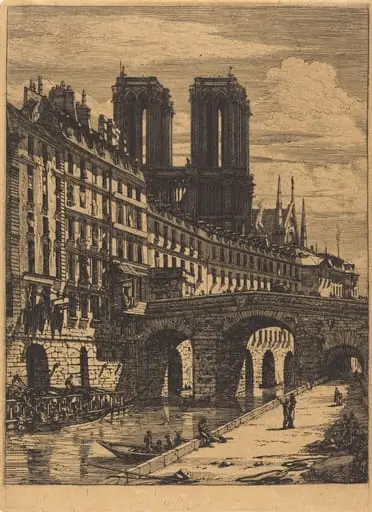 Le Petit Pont, Paris
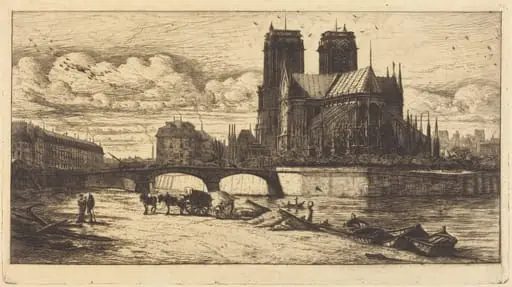 L'abside de Notre-Dame de Paris (The Apse of the Cathedral of Notre-Dame, Paris)
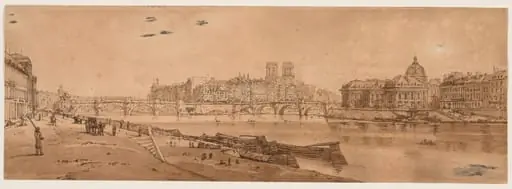 A Selection of Twenty of the Most Picturesque Views in Paris: View of Pont Neuf, part of the Louvre, Notre Dame, and the College of Four Nations
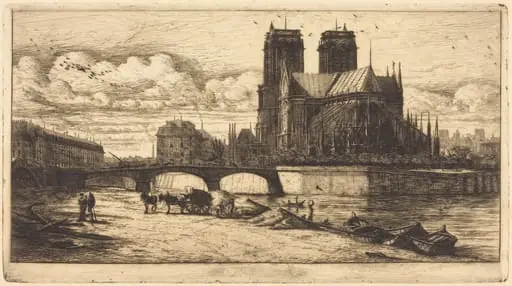 L'abside de Notre-Dame de Paris (The Apse of the Cathedral of Notre Dame, Paris)
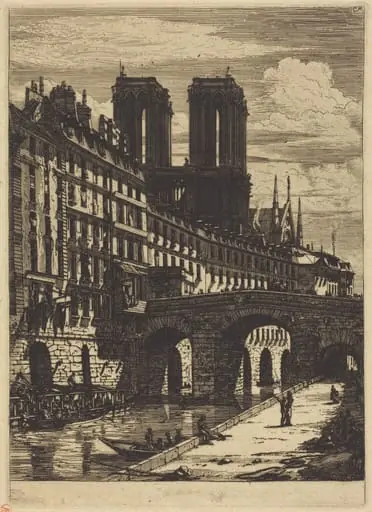 Le Petit Pont, Paris
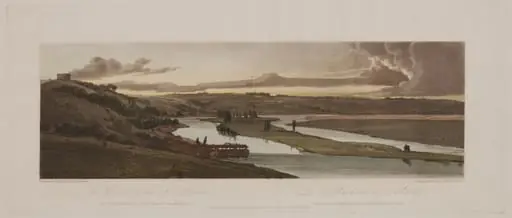 A Selection of Twenty of the Most Picturesque Views in Paris: The Water Works at Marli, and St. Germain en Laye seen in the distance