Artwork
Ploscă de formă cilindrică plată. Prezintă două picioare și două urechi. Decorul este unul simplă, realizat prin stropire cu pete mari. Este smălțuită pe toată suprafața smaltuit. Cromatică: fond: galben; motive: verde.
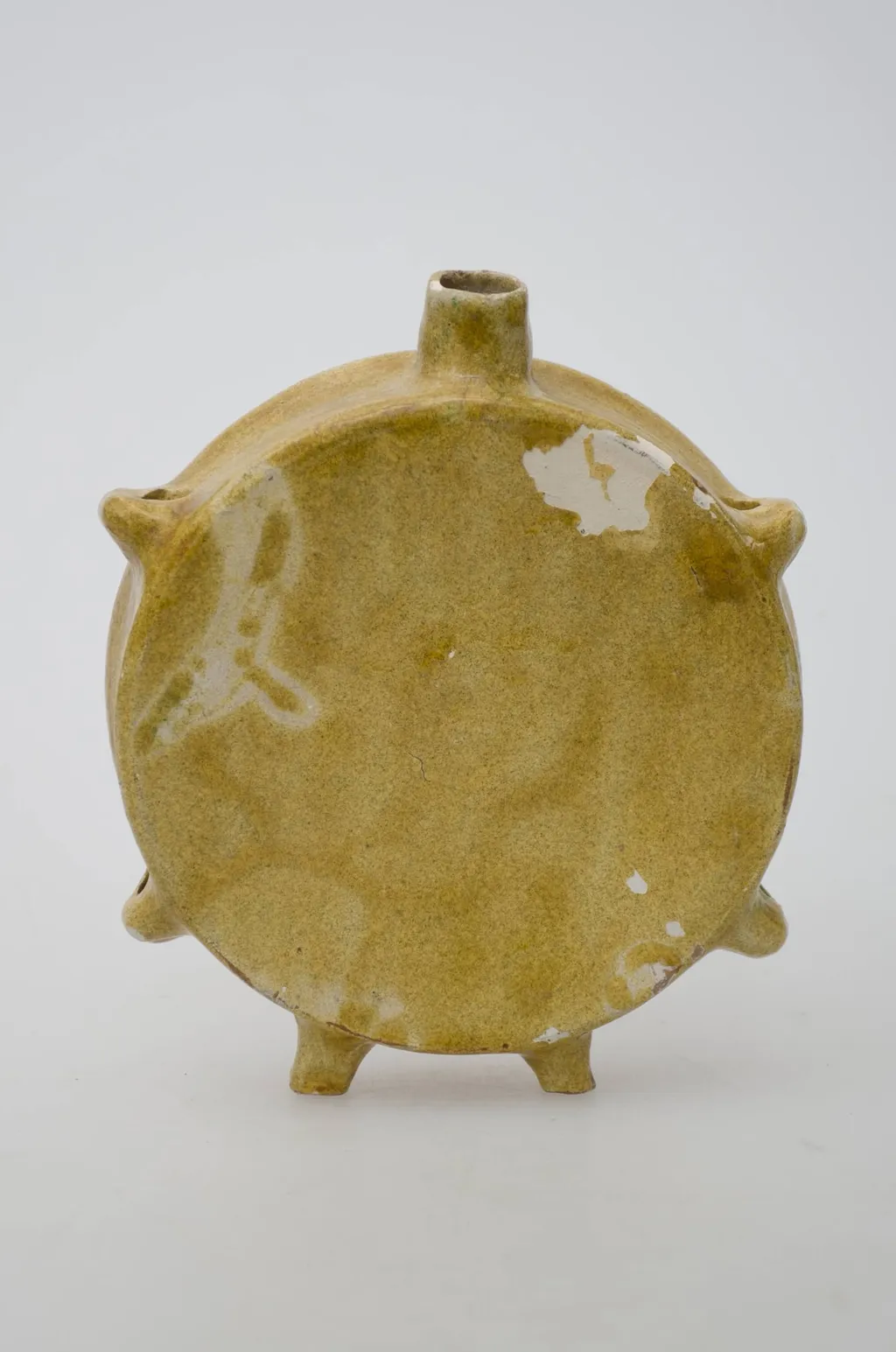
Ploscă de formă cilindrică plată. Prezintă două picioare și două urechi. Decorul este unul simplă, realizat prin stropire cu pete mari. Este smălțuită pe toată suprafața smaltuit. Cromatică: fond: galben; motive: verde. is a photography by Unknown. It dates from 1850 and is held in the collection of the ASTRA National Museum Complex.
About this work
Overview
Its simple form and restrained decoration suggest a functional or ritual purpose, likely from a tradition valuing modest ornamentation.
A small, flat cylindrical vessel with two short legs and two ear-like handles, this ceramic object is fully glazed with a uniform yellow background and large green spots applied by splattering. Its simple form and restrained decoration suggest a functional or ritual purpose, likely from a tradition valuing modest ornamentation. The even lighting and plain backdrop in the photograph emphasize its geometric clarity and surface treatment.
Subject & Meaning
No figurative or symbolic motifs are present; the decoration consists solely of abstract green splashes on a yellow field. This minimalism may reflect a cultural preference for non-representational aesthetics or limited access to complex pigments. The vessel’s shape—supported by legs and equipped with handles—implies use in storage, serving, or ceremonial contexts, though its exact function remains undetermined.
Technique & Style
The piece is entirely coated in a smooth glaze, applied evenly to seal and enhance the surface. The green spots were created by splattering pigment onto the unfired clay, resulting in irregular, organic forms that contrast with the vessel’s rigid geometry. This technique prioritizes spontaneity over precision, indicating a handcrafted, possibly local production method.
History & Provenance
The object’s origin is not documented in the provided details, but its form and decoration align with regional ceramic traditions from Eastern Europe, particularly those of the 19th or early 20th century. Similar vessels are held in collections such as the Museum of Ethnography, suggesting it may have been part of domestic or folk material culture from that area.
Context
This vessel belongs to a broader category of utilitarian ceramics produced in rural communities where industrial glazing and mass production were not yet common. Its simplicity reflects both economic constraints and aesthetic values that favored functionality and subtle decoration. Comparable examples appear in ethnographic records of peasant households across the Carpathian region.
Legacy
Though not widely exhibited or studied, such objects contribute to understanding the diversity of pre-industrial ceramic practices in Eastern Europe. Their survival in museum collections preserves evidence of everyday craftsmanship, offering insight into local material culture beyond elite or monumental art forms.
Artist & collection

 Domestic Scene
 Giacomo and Cardinal Marco, investing Andrea, Abbot of San Zeno, with his Benefice
 The Nymph of Fontainebleau
 Portrait of a Woman
 Madonna and Child with Saints in the Enclosed Garden
 Venus and Minerva
 Family Group of Four on Sofa
 Wall painting from Room H of the Villa of P. Fannius Synistor at Boscoreale
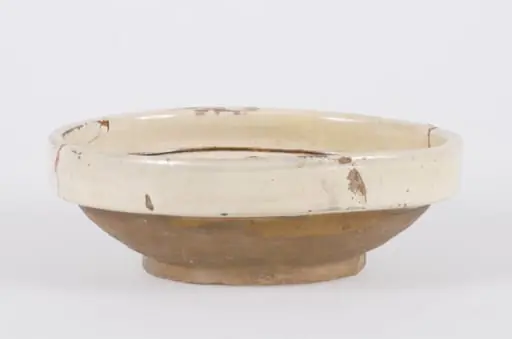 Vasul ceramic are formă tronconică, cu pereții evazați și buza dreaptă și ieșită în afară. Exteriorul pereților și fundul, au fond cărămiziu, restul suprafeței interioare și buza exterioară, având fond alb-gălbui. Decorul este format din două registre despărțite de două cercuri concentrice: unul plasat în marginea buzei și altul în centrul fundului vasului. Primul registru central este decorat cu o floare cu frunze verzi, petale maro și un punct albastru în centru. Al doilea registru amplasat pe pereții interiori ai vasului este format din două flori similare cu cea centrală mărginite spre tulpină și vârf de mai multe frunze, despărțite de două aglomerări de linii de diferite dimensiuni. Cromatică: fond: alb-gălbui; motive: verde; maro; albastru.
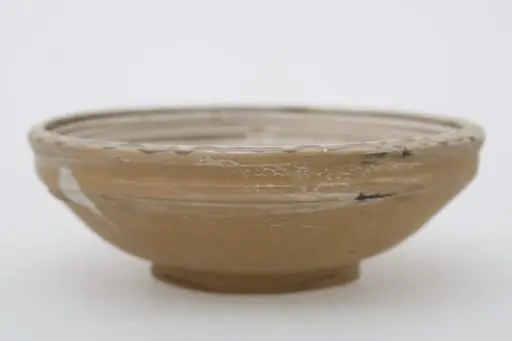 Recipient din lut de uz casnic, nesmălțuit, angobat, de formă tronconică, cu buza dreaptă și înaltă. Pe pereții interiori, vasul este decorat cu motive geometrice și florale: un șir de flori stilizate urmate spre buză de linii concentrice, pictate cu cornul și cu pensula. În centrul vasului este pictată o spirală delimitate de cercuri maro. Buza vasului este ornată cu o linie ondulată. Cromatică: fond: alb; motive: gri; maro închis; maro deschis.
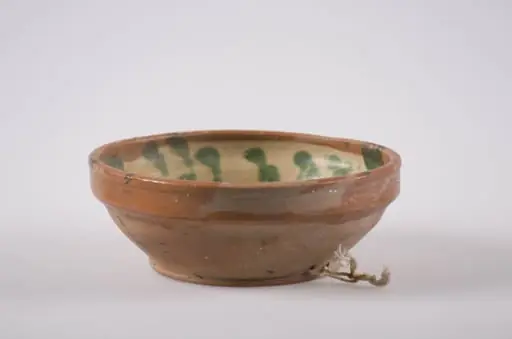 Vasul de formă tronconică cu pereții evazați ce se termină cu buza greaptă. Pe un fond crem s-au stropit pete de culoare verde. Buza vasului este smălțuită. Partea posterioară prezintă două găuri prin care trece ața de agățat.
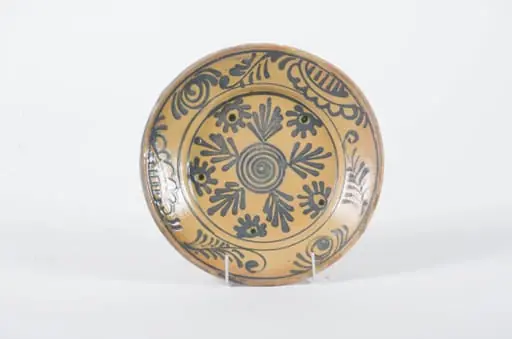 Vas de formă tronconică cu buza largă. Smălțuit în interior și buza la exterior. Decorată pe toată suprafața interioară: corpul și buza sunt delimitate de cercuri. În centrul farfuriei se întâlnețte o spirală, înconjurată de motive florale și vegetale. Cromatică: fond: ocru deschis; motive: albastru; negru.
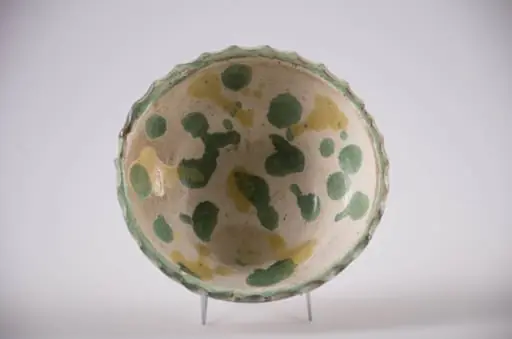 Blidul are un fund strâmt cu pereții corpului înalți și puțin evazați. Buza vasului este alveolată prin presare cu degetul. Pe fondul alb-crem al vasului sunt stropi mari de vopsea verde și galbenă. Smălțuit în interior. Cromatica: fond: alb; motive: verde, galben. Pe partea posterioară prezintă două găuri prin care trece ața pentru agățat.
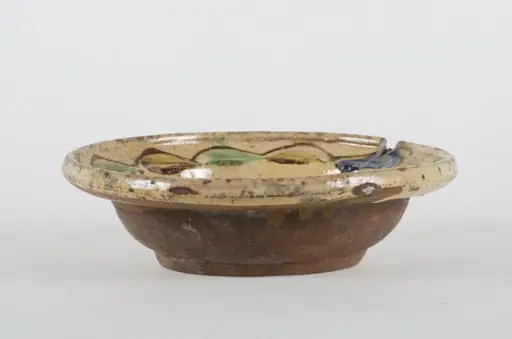 Vasul din lut de formă tronconică este lucrat la roata rapidă; prezintă buza puternic îngroșată, pereții abrupți, blidul fiind foarte adâncit. Este smălțuit în interior iar decorul este împărțit după cum urmează: pe interiorul buzei se identifică motive vegetale dispuse într-un registru continuu iar pe fundul vasului se regăsesc decorațiuni floral-vegetale. Cromatică: crem; verde; albastru; maro; galben.
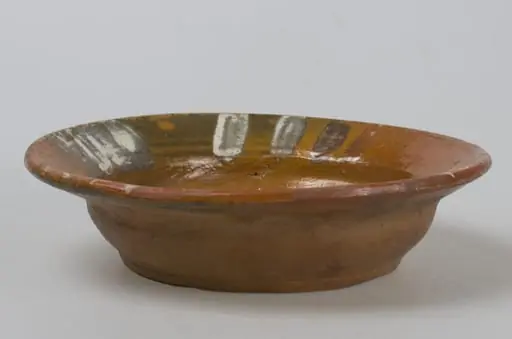 Blid de formă tronconică, adâncită, cu buza evazată, smălțuit în interior și la exterior (buza). Decorul este prezent în zona buzei și este compus din motive geometrice dispuse în patru registre, două a câte trei linii albe, iar celelalte două au câte patru linii. Cromatică: cărămiziu, verde, alb.
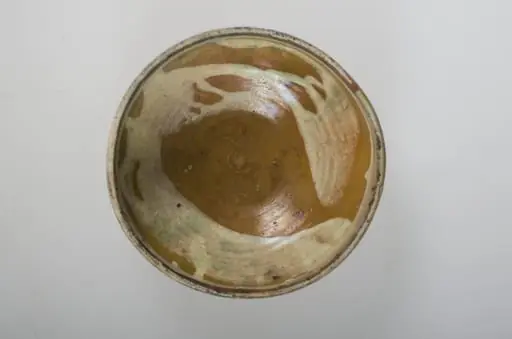 Vas de formă tronconică cu buza înălțată și ieșită înafară, smălțuit în interior și exterior (buza). Decorul este structurat aleatoriu, pe marginea și pereții interiori ai vasului, realizat prin scurgerea culorii rezultând pete albe. Pe marginea gurii vasul este decorat cu motive geometrice: linie. Cromatică: fond: cărămiziu; motive: alb-gălbui; verde.
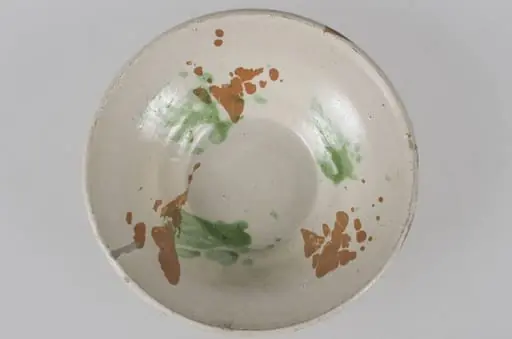 Vasul din lut de formă tronconică cu fundul adâncit prezintă marginea superioară dreapta. Obiectul este smălțuit în exterior brun iar în interior prezintă un fond alb pe care sunt dispuse ornamente prin stropire, cu pete de diferite dimensiuni de culoare maro și verde. Cromatică: fond exterior: cărămiziu; fond interior: alb; motive: maro; verde.
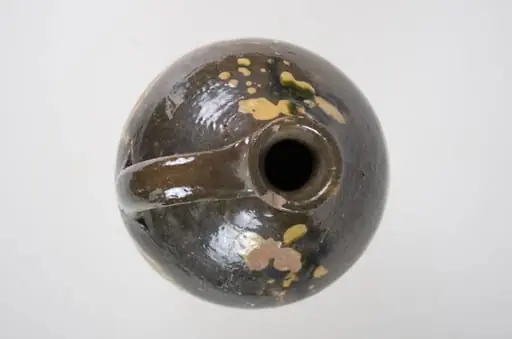 Vas de formă sferică cu gât lung și îngust, gura mai largă și buza înaltă. Toarta pleacă din gura vasului și se unește în zona diametrului maxim. Este smălțuit în interior și exterior la partea superioară. Este decorat în partea superioară prin stropire. Cromatică: fond: maro la partea superioară, cărămiziu, alb la partea inferioară; motive: crem.
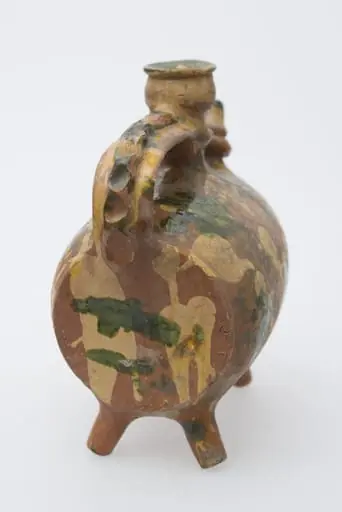 Recipient ceramic sub formă de butoiaș cilindric, dispus pe orizontală, asemănător corpului de rață. Sprijinit pe patru picioare tubulare dispuse oblic câte două la capete. Prezintă toartă. Scurgere printr-un cioc cu vârful conic care este legat prins printr-un inel de mijlocul gâtului cilindric și strâmt dispus la mijlocul vasului, având la capăt reliefată o față umană în relief terminată cu gura cu buză dreaptă pentru introducerea lichidelor. Opus ciocului, prezintă o toartă lată, puternic arcuită, de-a lungul căreia se suprapune, o bandă reliefață decorată prin presare cu degetul. Pe corpul vasului, dispuse aleatoriu, pete albe și de smalț verde și galben. Cromatică: fond: cărămiziu; motive: alb; galben; verde.
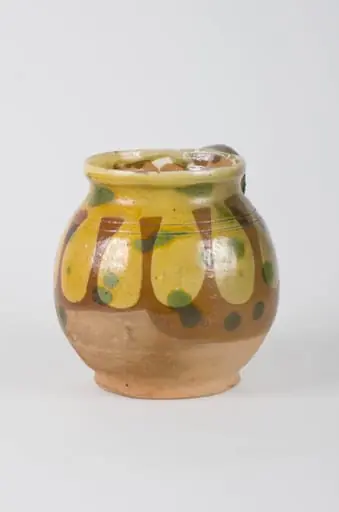 Vas din lut cu corp foarte bombat, cu gât scurt, buză evazată și ridicată. O toartă pornește din buză și este fixată pe corp la nivelul diametrului maxim. Pe umăr este decorată cu motive geometrice: două linii incizate. Din buză pornesc vertical loburi de angobă. Partea de jos nesmălțuită. Partea de sus smălțuită galben și stropită cu verde. Interior neangobat dar smălțuit. Cromatică: fond: cărămiziu; motive: galben; verde.