Artwork
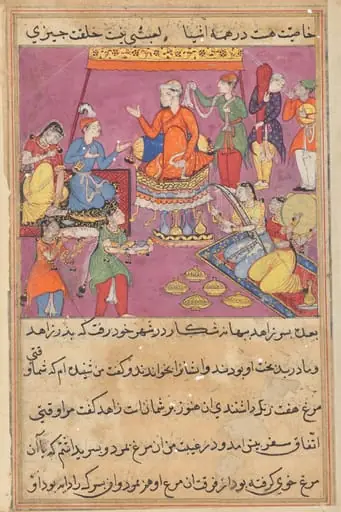
The king’s handmaiden takes the prince away to the harem, from a Tuti-nama (Tales of a Parrot): Eighth Night
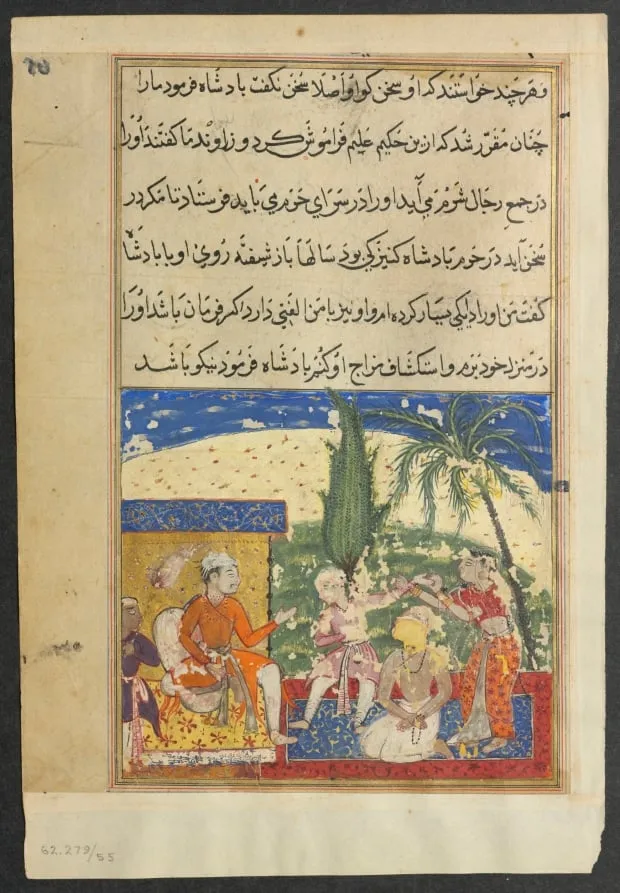
The king’s handmaiden takes the prince away to the harem, from a Tuti-nama (Tales of a Parrot): Eighth Night is an unspecified painting by the Mughal Painting artist Unknown. It dates from 1560 and is held in the collection of the Cleveland Museum of Art. This painting depicts a scene from the Tuti-nama (Tales of a Parrot), specifically the Eighth Night.
About this work
You see a woman in a bright sari leading a young prince by the hand while a king and his advisors watch from a throne.
You see a woman in a bright sari leading a young prince by the hand while a king and his advisors watch from a throne. The room is small, crowded with patterned carpets and gold details.
This scene comes from a book of parrot tales told to a queen to delay her from meeting her lover. The story here is a trick: the king sends his shy son to the harem, hoping he’ll loosen up. The artist made the prince look nervous, his feet pointed away like he’s being pulled.
Look up more paintings of mughal india, court of akbar (reigned 1556–1605) to see how royal life was pictured.
Overview
This painting depicts a scene from the Tuti-nama (Tales of a Parrot), specifically the Eighth Night. It shows a handmaiden leading a young prince away from his father, the king, and the royal advisors.
Subject & Meaning
The subject revolves around the king's strategy to help his shy prince overcome his reserve by sending him to the harem. The handmaiden, dressed in a sari and veil, escorts the reluctant prince, whose body language (notably his feet turned away) conveys nervousness.
Technique & Style
Characterized by intricate patterns, gold accents, and a crowded, intimate setting with ornate carpets, the painting reflects the stylistic hallmarks of Mughal art during Akbar's reign (1556-1605), emphasizing detail and emotional expression.
History & Provenance
Part of a Tuti-nama manuscript, this work originates from the Mughal Empire under Akbar, known for patronizing the arts. The Tuti-nama itself was created to entertain a queen, delaying her meetings with her lover through engaging stories.
Context
Within the broader context of Mughal court life, as depicted in artworks from Akbar's era, this piece offers a glimpse into royal family dynamics and strategic decision-making, set against the rich backdrop of Mughal interior design and attire.
Legacy
As part of the Tuti-nama, this painting contributes to the preservation of Mughal artistic and literary heritage, influencing subsequent illustrations of royal life and psychological nuance in South Asian art.
Artist & collection

 Domestic Scene
 Giacomo and Cardinal Marco, investing Andrea, Abbot of San Zeno, with his Benefice
 The Nymph of Fontainebleau
 Portrait of a Woman
 Madonna and Child with Saints in the Enclosed Garden
 Venus and Minerva
 Family Group of Four on Sofa
 Wall painting from Room H of the Villa of P. Fannius Synistor at Boscoreale
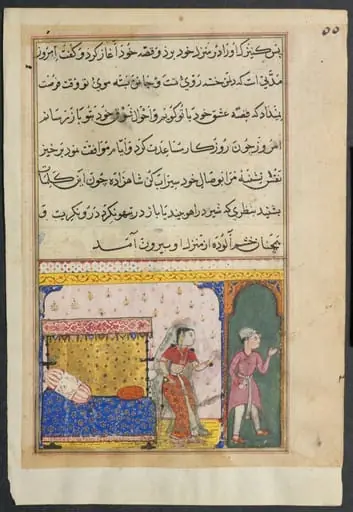 The prince rejects the amorous advances of the king’s handmaiden, from a Tuti-nama (Tales of a Parrot): Eighth Night
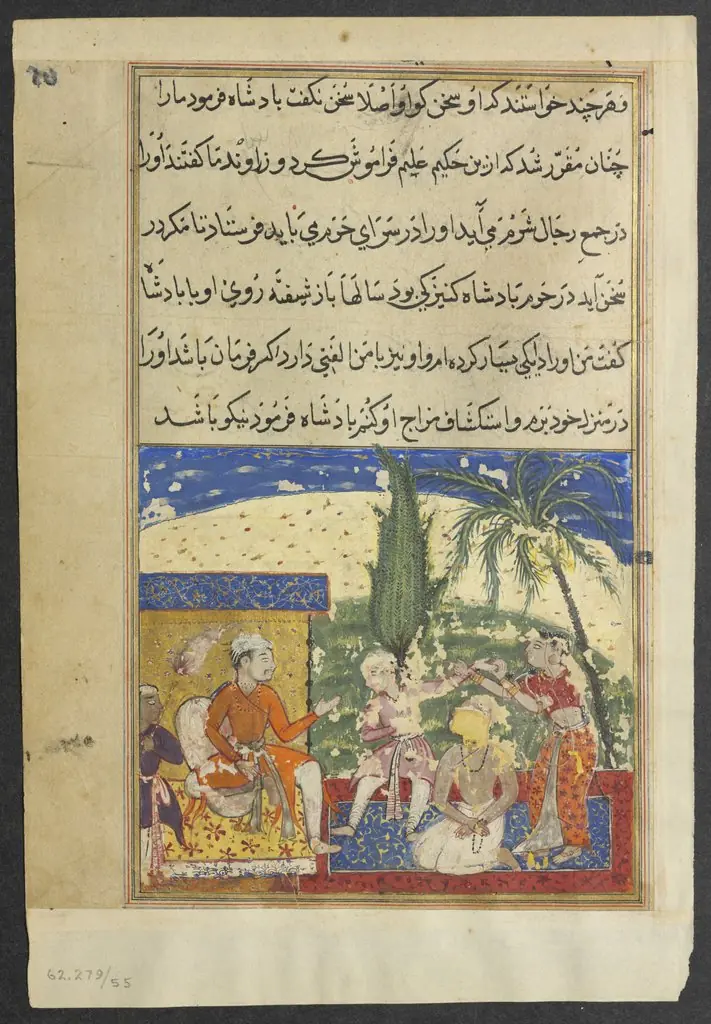 The king’s handmaiden takes the prince away to the harem, from a Tuti-nama (Tales of a Parrot): Eighth Night
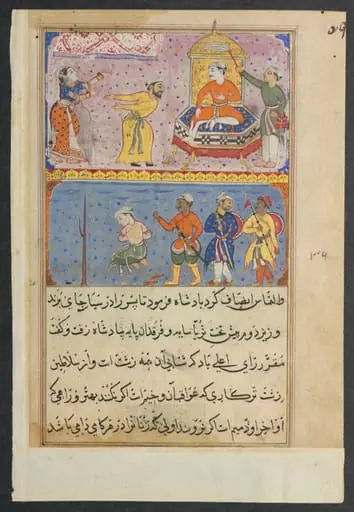 The prince, once reprieved, is returned to the palace of execution a second time on the plea of the king’s handmaiden, from a Tuti-nama (Tales of a Parrot): Eighth Night
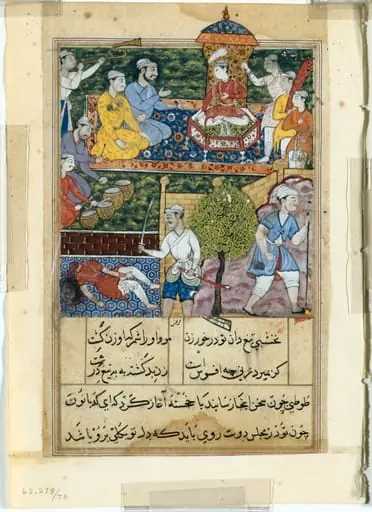 The young prince is crowned and the wicked handmaiden is executed, from a Tuti-nama (Tales of a Parrot): Eighth Night
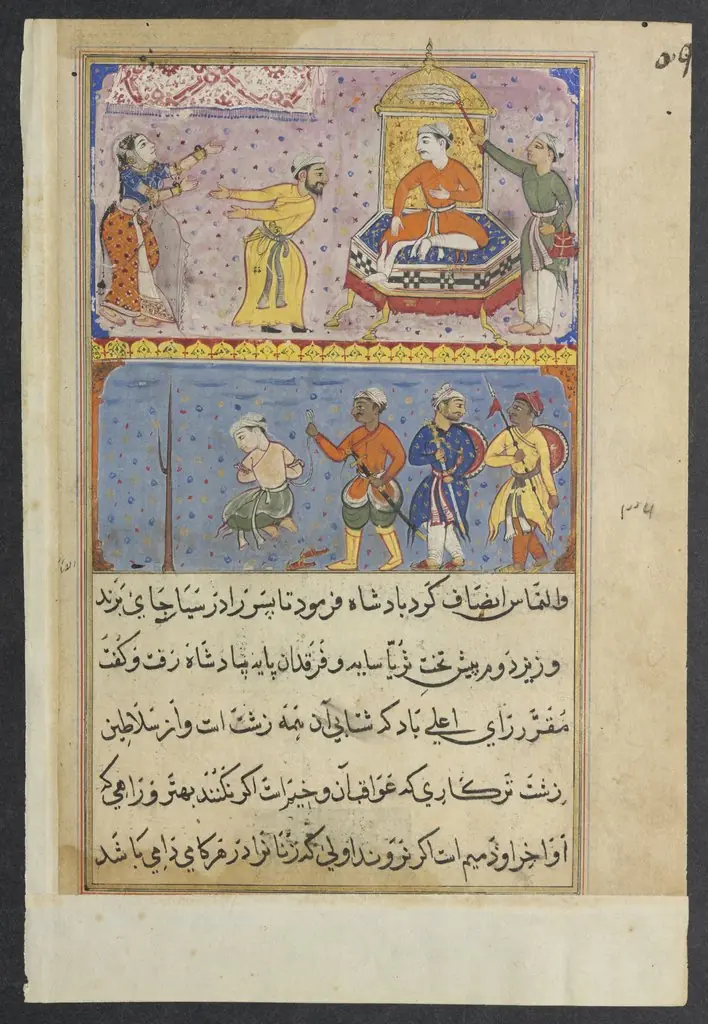 The prince, once reprieved, is returned to the palace of execution a second time on the plea of the king’s handmaiden, from a Tuti-nama (Tales of a Parrot): Eighth Night
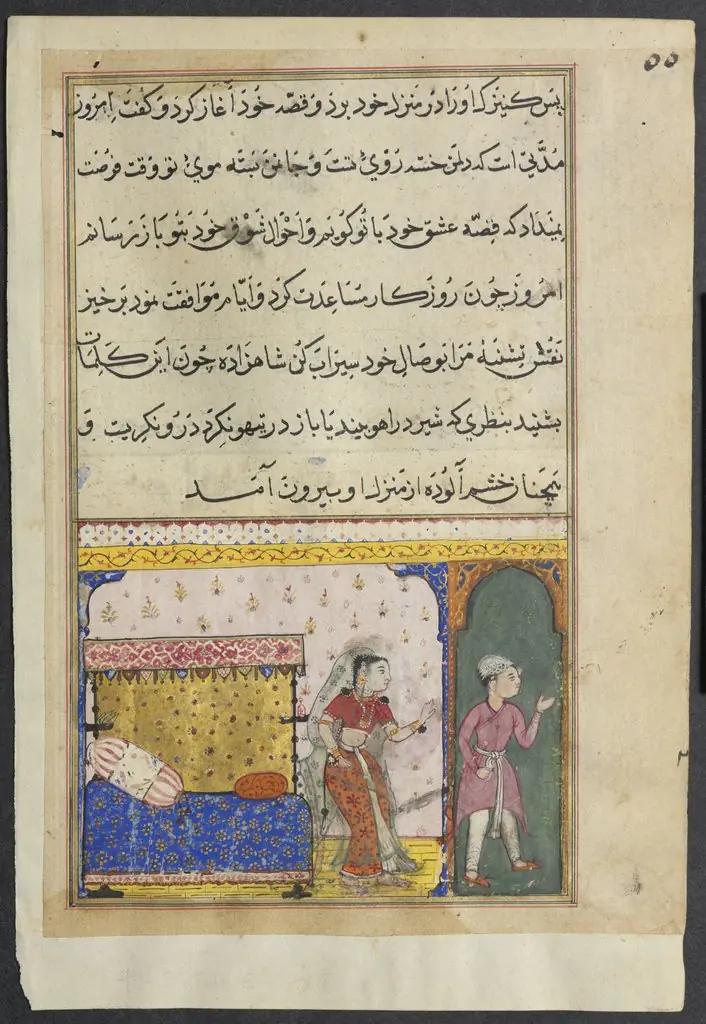 The prince rejects the amorous advances of the king’s handmaiden, from a Tuti-nama (Tales of a Parrot): Eighth Night
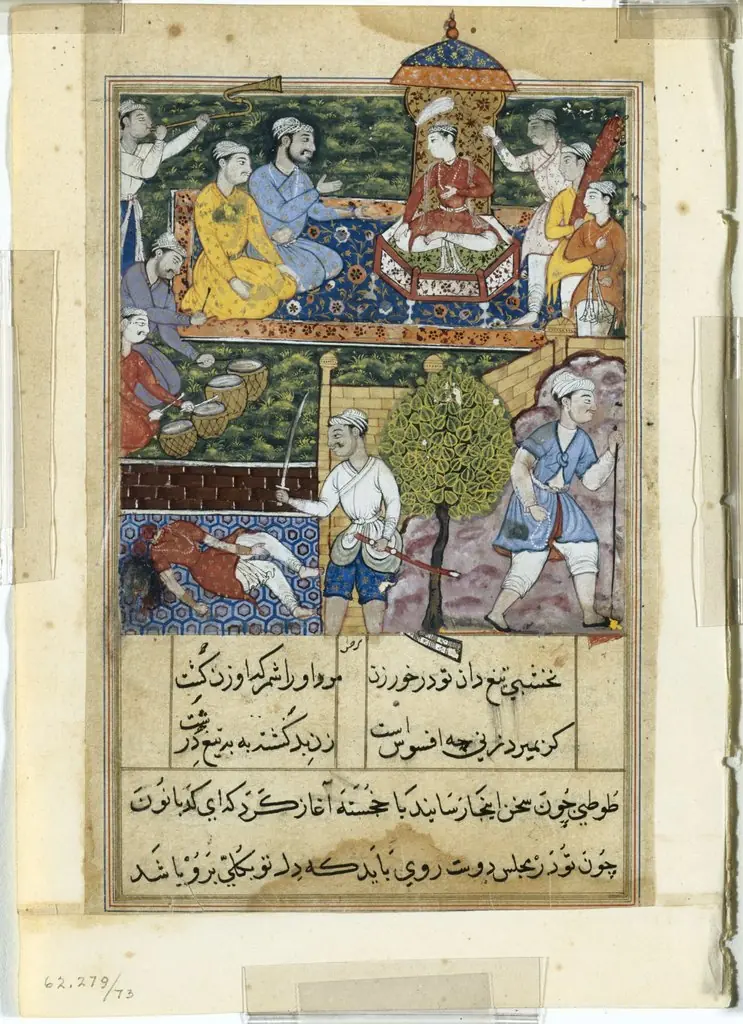 The young prince is crowned and the wicked handmaiden is executed, from a Tuti-nama (Tales of a Parrot): Eighth Night
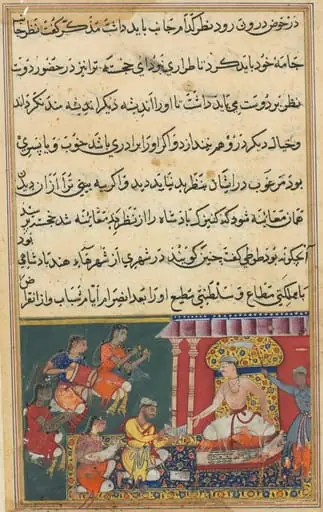 The astrologer predicts a calamity for the newly born prince in his thirteenth year, but one which he would be able to overcome, from a Tuti-nama (Tales of a Parrot): Eighth Night
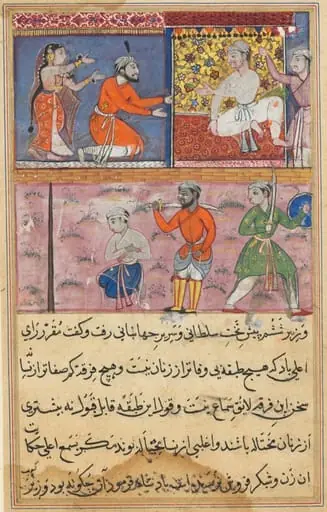 The prince sent back to the place of execution for the sixth time, from a Tuti-nama (Tales of a Parrot): Eighth Night
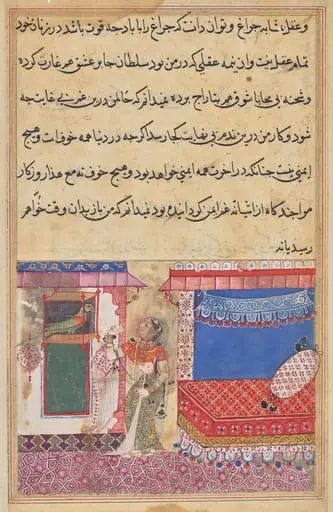 The Parrot Addresses Khujasta at the Beginning of the Eighteenth Night, from a Tuti-nama (Tales of a Parrot)
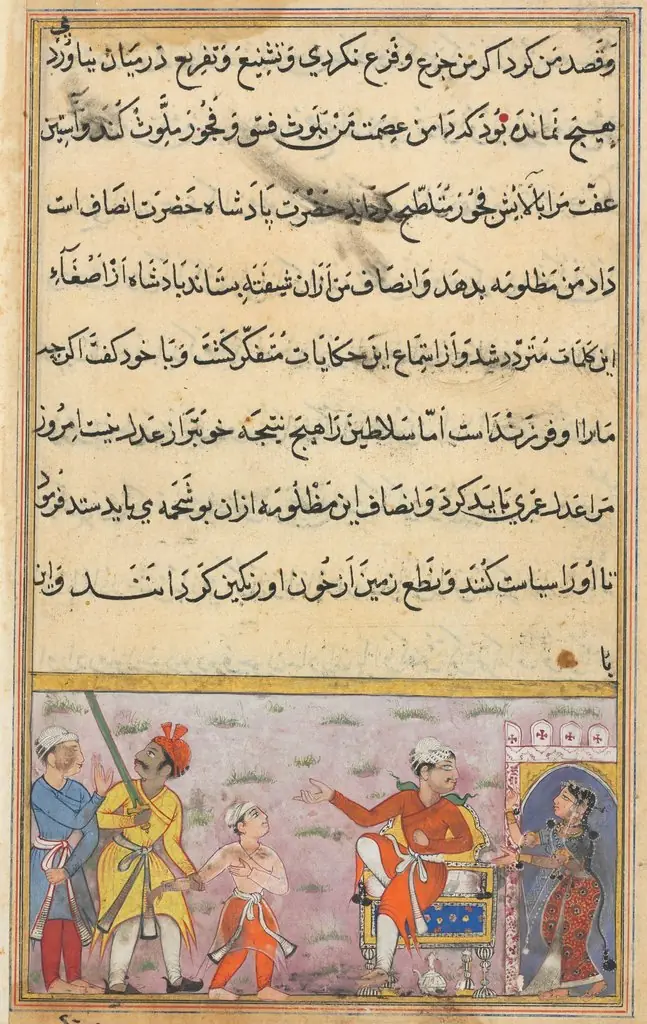 The prince being taken away for execution on the false complaint of the handmaiden, from a Tuti-nama (Tales of a Parrot): Eighth Night
 The king gives his daughter in marriage to the pious man’s son, from a Tuti-nama (Tales of a Parrot): Fifty-second Night