Artwork
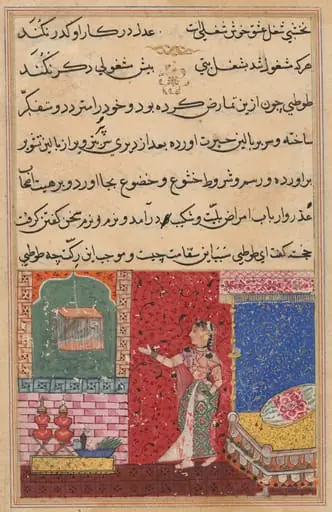
The Parrot Addresses Khujasta at the Beginning of the Eighteenth Night, from a Tuti-nama (Tales of a Parrot)
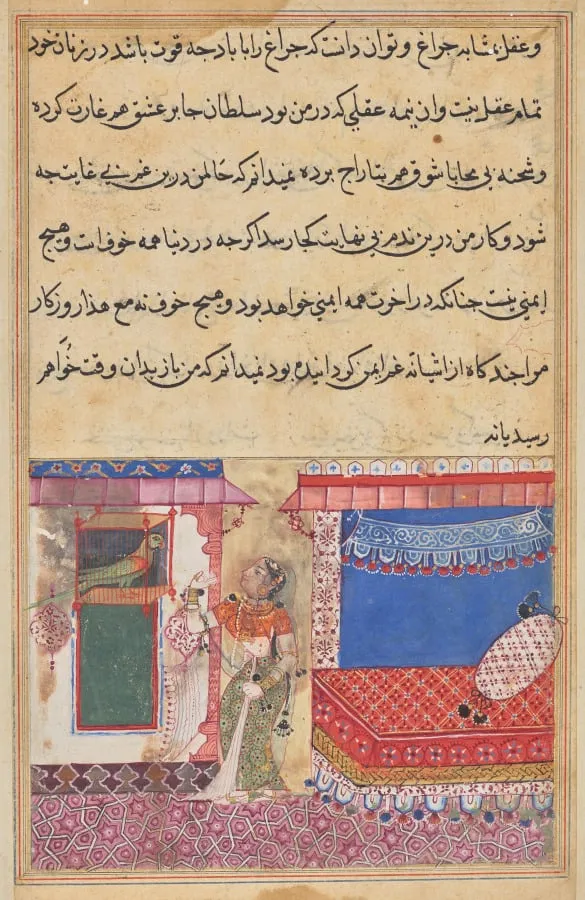
The Parrot Addresses Khujasta at the Beginning of the Eighteenth Night, from a Tuti-nama (Tales of a Parrot) is an unspecified painting by the Mughal Painting artist Unknown. It dates from 1560 and is held in the collection of the Cleveland Museum of Art.
About this work
The tiny details, like the woman’s embroidered slippers and the parrot’s curved beak, show how carefully the artist worked.
You see a woman in a bright red dress sitting on the floor, listening to a green parrot perched on a stand. The room is small, with gold walls and a patterned rug.
This painting comes from a book of stories told by a parrot to delay his owner’s nightly visits to her lover. Each night, the parrot spins a new tale—this is the start of the eighteenth. The tiny details, like the woman’s embroidered slippers and the parrot’s curved beak, show how carefully the artist worked.
To see more like this, look up Mughal India, court of Akbar (reigned 1556–1605).
Overview
The painting illustrates a scene from a Mughal illustrated manuscript, depicting Khujasta, a woman in a vivid red garment, seated on a patterned rug while a green parrot perches on a stand before her. The intimate interior is framed by gold‑toned walls, and the composition captures the moment at the start of the eighteenth nightly tale narrated by the bird.
Subject & Meaning
In the narrative, Khujasta seeks permission from the parrot, Tuti, to depart after sunset. The bird advises her to observe propriety, likening her duties to those of three exemplary companions of a prince, and then proceeds to recount a story emphasizing loyalty and generosity that occupies the entire night.
Technique & Style
The artist renders the scene with meticulous attention to detail: the embroidered slippers, the curvature of the parrot’s beak, and the intricate rug pattern are all finely delineated. The palette combines saturated reds and greens against a luminous gold background, characteristic of Mughal court miniature painting.
History & Provenance
This illustration originates from a Mughal‑era Tuti‑nama, a collection of stories told by a parrot to postpone his owner’s nightly rendezvous. The manuscript dates to the late 16th or early 17th century, within the cultural milieu of Emperor Akbar’s court (1556–1605).
Context
The work reflects the literary and artistic conventions of Mughal India, where courtly tales often served both entertainment and moral instruction. The parrot’s role as a storyteller aligns with the period’s fascination with animal narrators and the didactic function of night‑time storytelling.
Artist & collection

 Domestic Scene
 Giacomo and Cardinal Marco, investing Andrea, Abbot of San Zeno, with his Benefice
 The Nymph of Fontainebleau
 Portrait of a Woman
 Madonna and Child with Saints in the Enclosed Garden
 Venus and Minerva
 Family Group of Four on Sofa
 Wall painting from Room H of the Villa of P. Fannius Synistor at Boscoreale
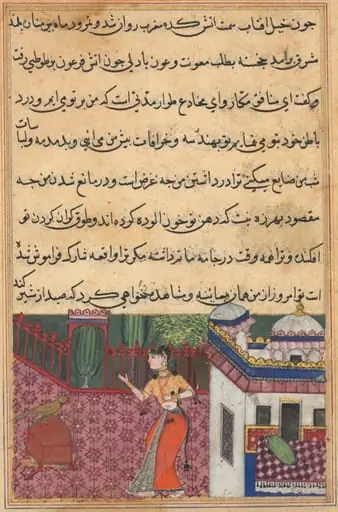 The parrot addresses Khujasta at the beginning of the thirty-third night, from a Tuti-nama (Tales of a Parrot)
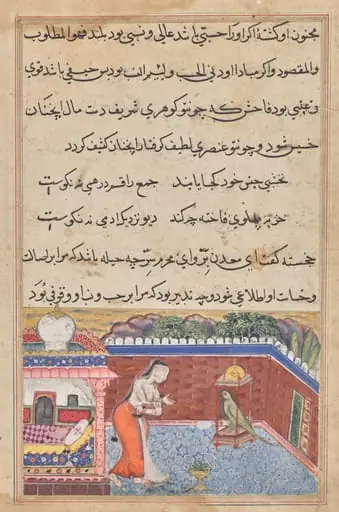 The parrot addresses Khujasta at the beginning of the thirty-first night, from a Tuti-nama (Tales of a Parrot)
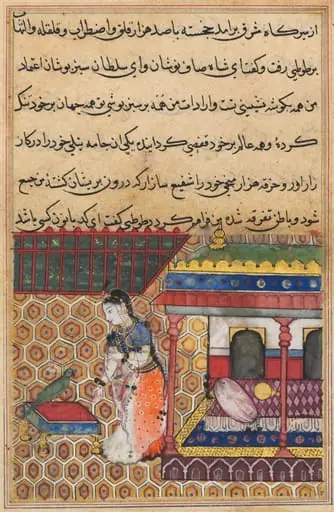 The parrot addresses Khujasta at the beginning of the thirty-eighth night, from a Tuti-nama (Tales of a Parrot)
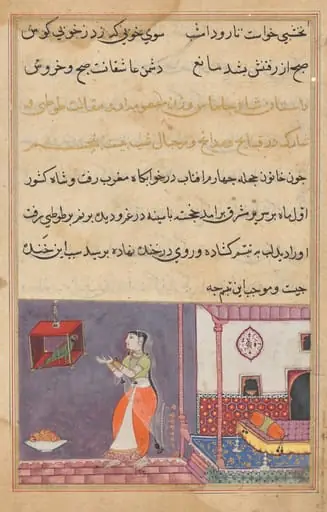 The Parrot Addresses Khujasta at the Beginning of the Twenty-fifth Night, from a Tuti-nama (Tales of a Parrot)
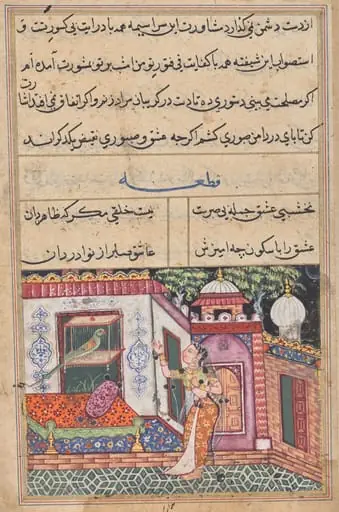 The Parrot Addresses Khujasta at the Beginning of the Eleventh Night, from a Tuti-nama (Tales of a Parrot)
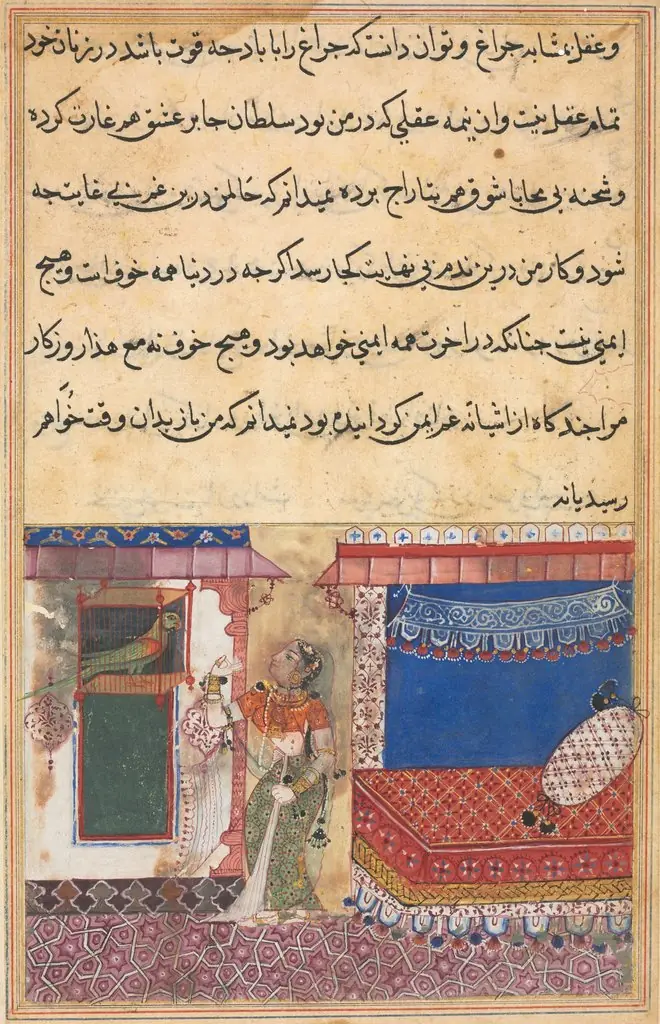 The Parrot Addresses Khujasta at the Beginning of the Eighteenth Night, from a Tuti-nama (Tales of a Parrot)
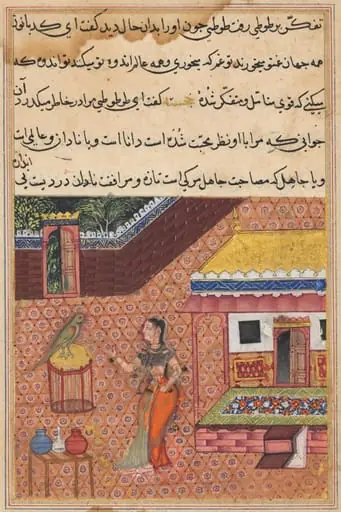 The parrot addresses Khujasta at the beginning of the thirty-fourth night, from a Tuti-nama (Tales of a Parrot)
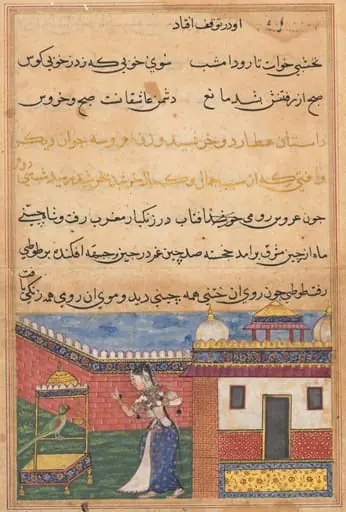 The parrot addresses Khujasta at the beginning of the thirty-second night, from a Tuti-nama (Tales of a Parrot)
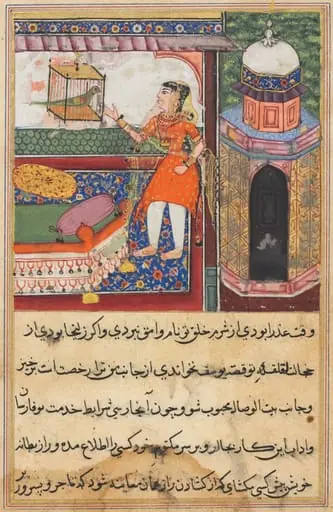 The Parrot Addresses Khujasta at the Beginning of the Tenth Night, from a Tuti-nama (Tales of a Parrot)
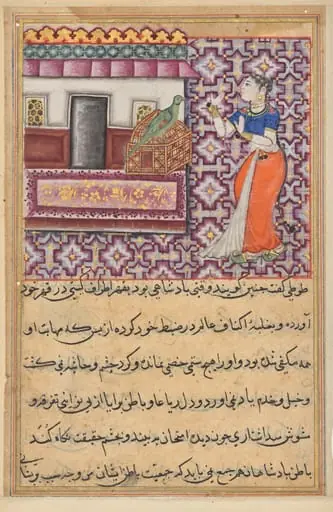 The parrot addresses Khujasta at the beginning of the fiftieth night, from a Tuti-nama (Tales of a Parrot): Fiftieth Night
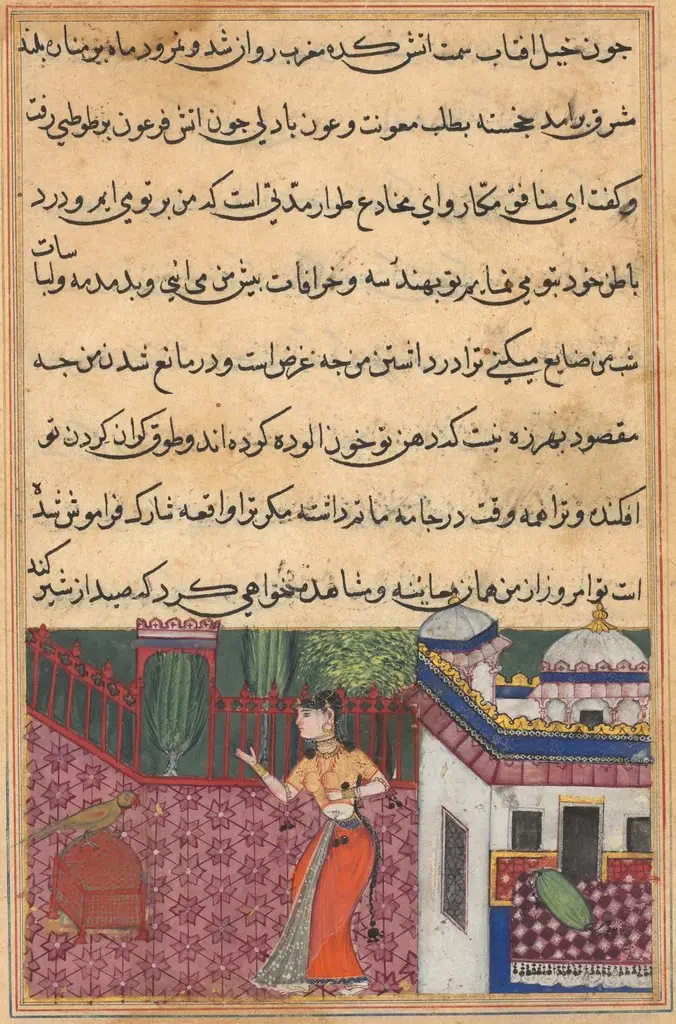 The parrot addresses Khujasta at the beginning of the thirty-third night, from a Tuti-nama (Tales of a Parrot)
 The Parrot Addresses Khujasta at the Beginning of the Fifteenth Night, from a Tuti-nama (Tales of a Parrot)