Artwork
The Parrot Addresses Khujasta at the Beginning of the Twentieth Night, from a Tuti-nama (Tales of a Parrot)
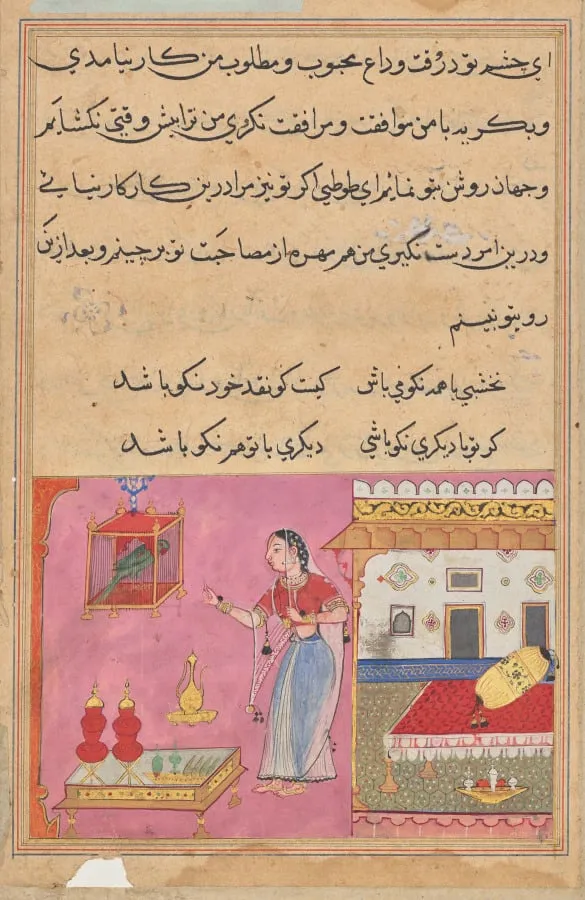
The Parrot Addresses Khujasta at the Beginning of the Twentieth Night, from a Tuti-nama (Tales of a Parrot) is an unspecified painting by the Mughal Painting artist Unknown. It dates from 1560 and is held in the collection of the Cleveland Museum of Art. The miniature illustrates a scene from a Tuti‑nama, a collection of parrot stories narrated over fifty‑two nights.
About this work
The parrot distracts Khujasta, a wife waiting for her husband, by spinning stories—like this one about a devout woman who refused marriage.
A woman in a green robe stands outside a room, holding a book. A parrot perches on a stand beside her, beak open as if talking. Inside, a low table holds red water jugs, a golden ewer, and a dish with betel leaves.
This painting comes from a book of parrot tales told over 52 nights. The parrot distracts Khujasta, a wife waiting for her husband, by spinning stories—like this one about a devout woman who refused marriage. The tiny details—stacked jugs, the glint of gold—show how Mughal artists made everyday life feel rich and alive.
To see more of these intricate miniatures, look up Mughal India, court of Akbar (reigned 1556–1605).
Overview
The miniature illustrates a scene from a Tuti‑nama, a collection of parrot stories narrated over fifty‑two nights. In this episode, the parrot Tuti addresses Khujasta, a woman awaiting her husband, by recounting a tale of a pious daughter who rejects three suitors to devote herself to religious practice.
Subject & Meaning
The central figure is a woman in a green robe standing before a doorway, a book in her hand, while the parrot perches on a nearby stand, its beak open as if speaking. The narrative she hears emphasizes spiritual dedication over marital alliance, reflecting moral themes common in Mughal court literature.
Technique & Style
Rendered in the delicate brushwork of Mughal miniature painting, the composition balances interior and exterior spaces. Fine lines define the low table laden with red‑glazed water jugs, a golden ewer, and a dish of betel leaves, while subtle gold highlights convey the sheen of metal objects, characteristic of the period’s attention to material richness.
History & Provenance
The work originates from a Mughal manuscript produced under the patronage of Emperor Akbar (1556–1605). Such books were compiled for courtly entertainment, employing artists trained in Persianate traditions who adapted them to Indian subjects and courtly tastes.
Context
Mughal miniatures often merged literary and visual culture, using intricate detail to bring everyday scenes to life. The inclusion of domestic items—water vessels, a paan dish, hand‑washing implements—situates the moral tale within a recognizable, affluent household, underscoring the court’s interest in moral instruction through familiar settings.
Artist & collection

 Domestic Scene
 Giacomo and Cardinal Marco, investing Andrea, Abbot of San Zeno, with his Benefice
 The Nymph of Fontainebleau
 Portrait of a Woman
 Madonna and Child with Saints in the Enclosed Garden
 Venus and Minerva
 Family Group of Four on Sofa
 Wall painting from Room H of the Villa of P. Fannius Synistor at Boscoreale
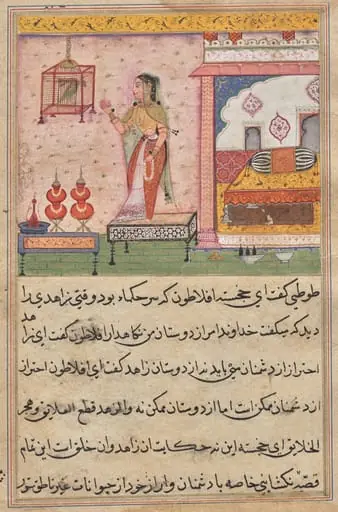 The Parrot Addresses Khujasta at the Beginning of the Twenty-third Night, from a Tuti-nama (Tales of a Parrot)
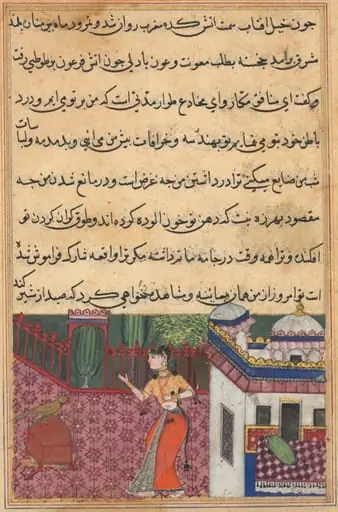 The parrot addresses Khujasta at the beginning of the thirty-third night, from a Tuti-nama (Tales of a Parrot)
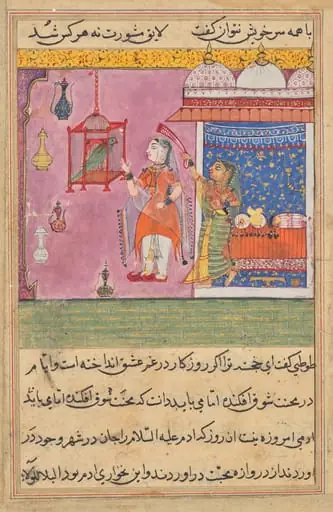 The Parrot Addresses Khujasta at the Beginning of the Nineteenth Night, from a Tuti-nama (Tales of a Parrot)
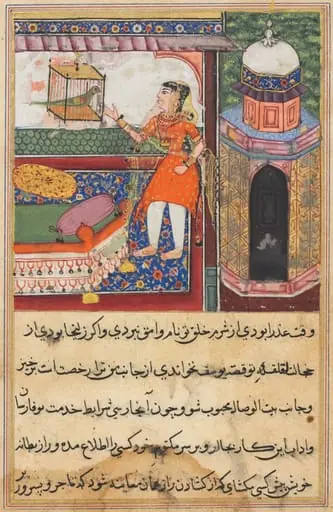 The Parrot Addresses Khujasta at the Beginning of the Tenth Night, from a Tuti-nama (Tales of a Parrot)
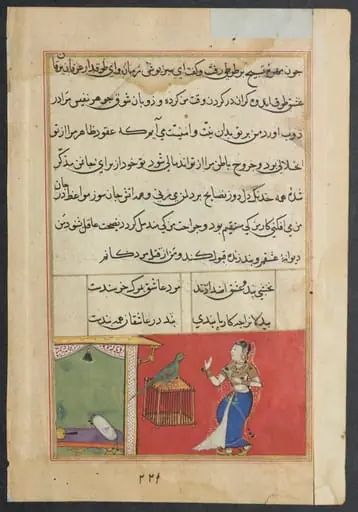 The parrot addresses Khujasta at the beginning of the forty-seventh night, from a Tuti-nama (Tales of a Parrot): Forty-seventh Night
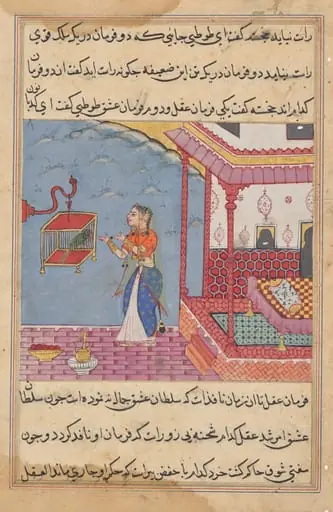 The Parrot Addresses Khujasta at the Beginning of the Twenty-Fourth Night, from a Tuti-nama (Tales of a Parrot)
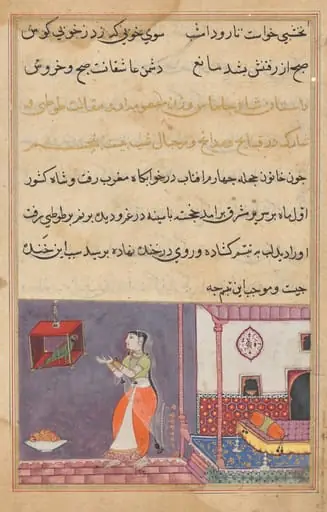 The Parrot Addresses Khujasta at the Beginning of the Twenty-fifth Night, from a Tuti-nama (Tales of a Parrot)
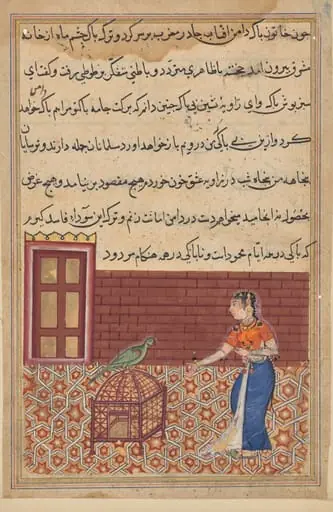 The parrot addresses Khujasta at the beginning of the fifty-first night, from a Tuti-nama (Tales of a Parrot): Fifty-first Night
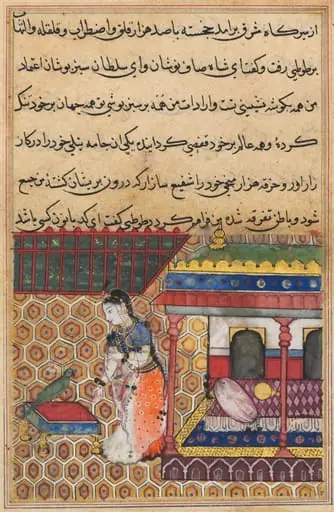 The parrot addresses Khujasta at the beginning of the thirty-eighth night, from a Tuti-nama (Tales of a Parrot)
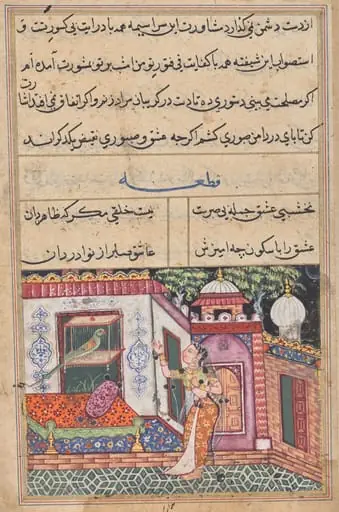 The Parrot Addresses Khujasta at the Beginning of the Eleventh Night, from a Tuti-nama (Tales of a Parrot)
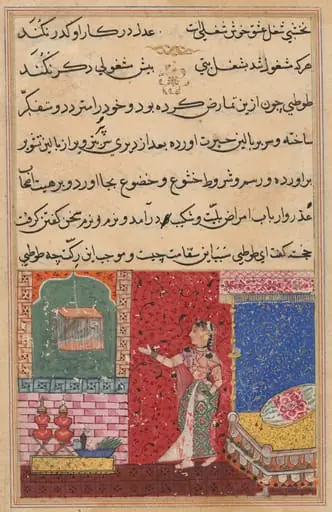 The Parrot Addresses Khujasta at the Beginning of the Fifteenth Night, from a Tuti-nama (Tales of a Parrot)