Artwork
The Parrot Addresses Khujasta at the Beginning of the Eleventh Night, from a Tuti-nama (Tales of a Parrot)
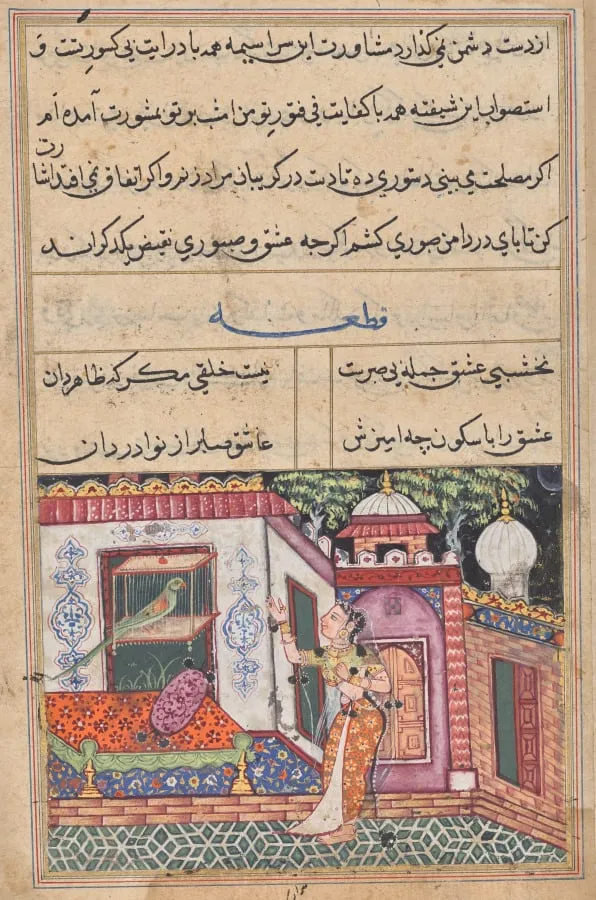
The Parrot Addresses Khujasta at the Beginning of the Eleventh Night, from a Tuti-nama (Tales of a Parrot) is an unspecified painting by the Patna School of Painting artist Banavari 2. It dates from 1560 and is held in the collection of the Cleveland Museum of Art.
About this work
Look up more paintings from Mughal India, court of Akbar (reigned 1556–1605) to see how artists brought these stories to life.
You see a woman in a rich red robe, her eyes wide and wet, talking to a bright green parrot perched on a stand. The bird tilts its head as if answering her.
This painting comes from a book of stories told by a parrot to delay his owner’s wife from sneaking out to meet her lover. The tale was meant to entertain Emperor Akbar’s court—each night, the parrot spins another story to keep her home.
Look up more paintings from Mughal India, court of Akbar (reigned 1556–1605) to see how artists brought these stories to life.
Overview
This Mughal painting illustrates a scene from the Tuti-nama (Tales of a Parrot), a collection of stories meant to entertain Emperor Akbar’s court. The artwork depicts a pivotal moment in the narrative where Khujasta seeks the parrot’s advice.
Subject & Meaning
The scene shows Khujasta, with tear-filled eyes, consulting a parrot (Tuti) before potentially leaving to meet a lover, 11 days into her infatuation. The parrot’s response alludes to the wisdom of seeking counsel, referencing a Brahman’s insight, highlighting the narrative’s emphasis on advice and patience.
Technique & Style
Characterized by the distinctive Mughal artistic tradition under Akbar’s patronage, the painting features vivid colors, notably Khujasta’s rich red robe and the parrot’s bright green plumage, set against a likely minimalist background, emphasizing the emotional interaction between the two main figures.
History & Provenance
Originating from the court of Emperor Akbar (r. 1556–1605), this painting is part of an illustrated manuscript (Tuti-nama) designed for imperial entertainment. The exact provenance post-Akbar’s court is not specified here.
Context
Created for Akbar’s court, the Tuti-nama stories, including this scene, were designed to captivate the royal audience with moral tales and vivid illustrations, reflecting the Mughal Empire’s flourishing literary and artistic culture during the late 16th century.
Legacy
This painting, as part of the Tuti-nama, contributes to the enduring legacy of Mughal art and literature, influencing subsequent Indian and Islamic artistic traditions. It remains a testament to the era’s storytelling and pictorial excellence.
Artist & collection
Artist
This Mughal-era artist painted court scenes so lively you almost hear the parrots squawk and the silk rustle.

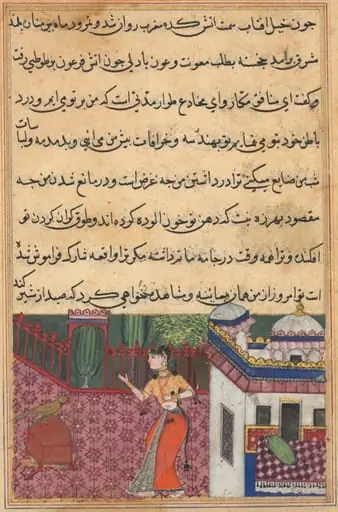 The parrot addresses Khujasta at the beginning of the thirty-third night, from a Tuti-nama (Tales of a Parrot)
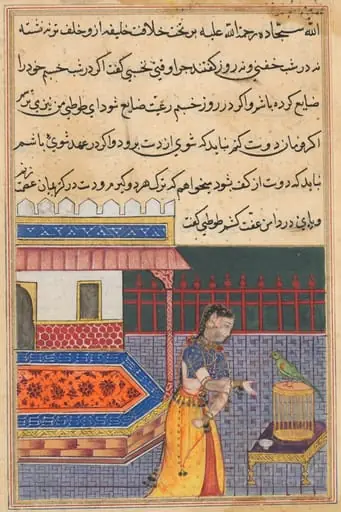 The parrot addresses Khujasta at the beginning of the forty-first night, from a Tuti-nama (Tales of a Parrot): Forty-first Night
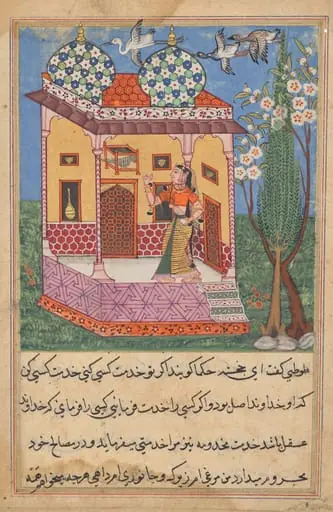 The Parrot Addresses Khujasta at the Beginning of the Twenty-sixth Night, from a Tuti-nama (Tales of a Parrot)
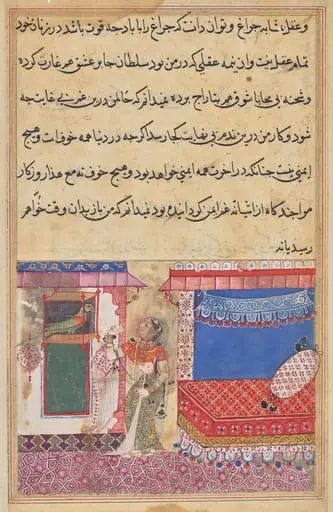 The Parrot Addresses Khujasta at the Beginning of the Eighteenth Night, from a Tuti-nama (Tales of a Parrot)
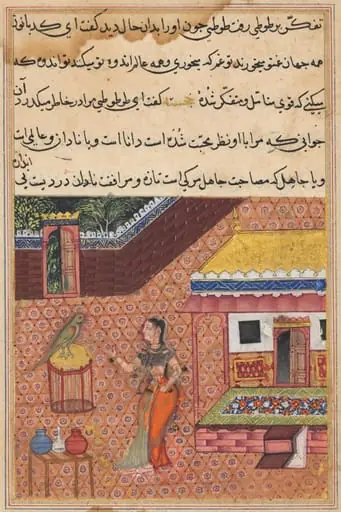 The parrot addresses Khujasta at the beginning of the thirty-fourth night, from a Tuti-nama (Tales of a Parrot)
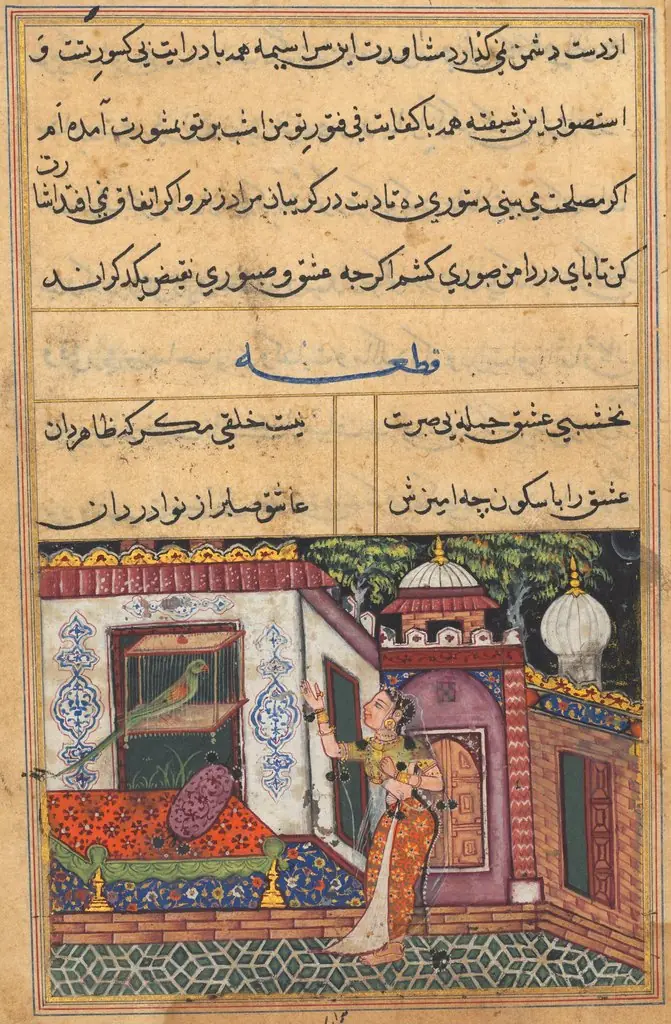 The Parrot Addresses Khujasta at the Beginning of the Eleventh Night, from a Tuti-nama (Tales of a Parrot)
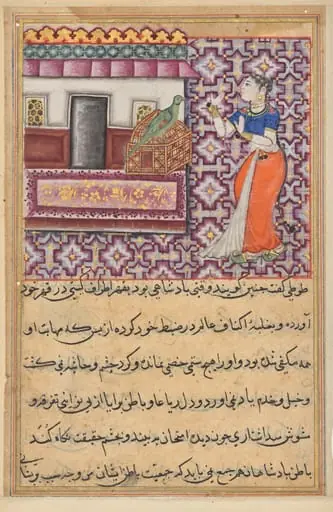 The parrot addresses Khujasta at the beginning of the fiftieth night, from a Tuti-nama (Tales of a Parrot): Fiftieth Night
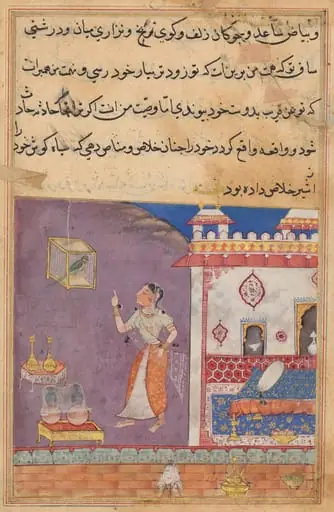 The Parrot Addresses Khujasta at the Beginning of the Twenty-ninth Night, from a Tuti-nama (Tales of a Parrot)
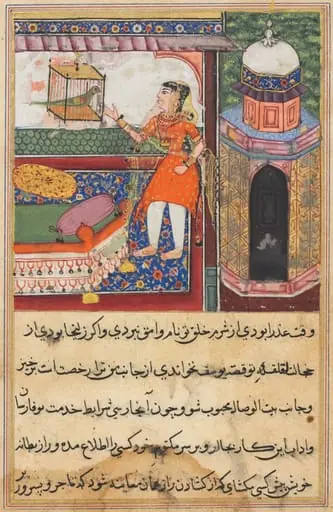 The Parrot Addresses Khujasta at the Beginning of the Tenth Night, from a Tuti-nama (Tales of a Parrot)
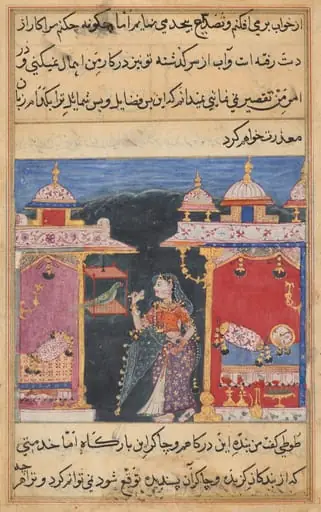 The Parrot Addresses Khujasta at the Beginning of the Seventh Night, from a Tuti-nama (Tales of a Parrot)
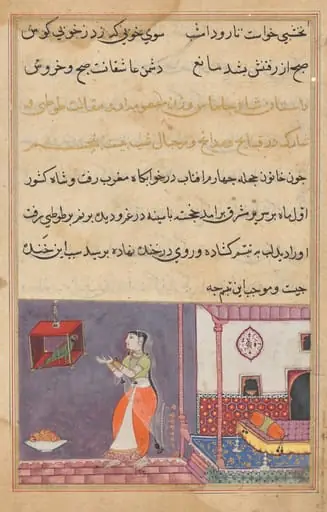 The Parrot Addresses Khujasta at the Beginning of the Twenty-fifth Night, from a Tuti-nama (Tales of a Parrot)
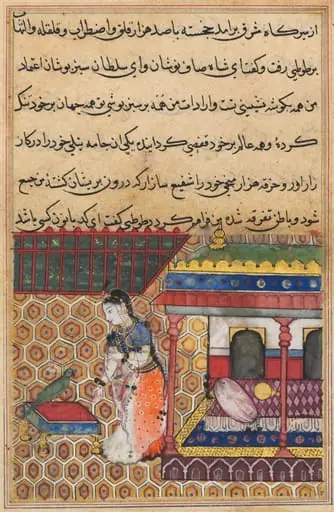 The parrot addresses Khujasta at the beginning of the thirty-eighth night, from a Tuti-nama (Tales of a Parrot)
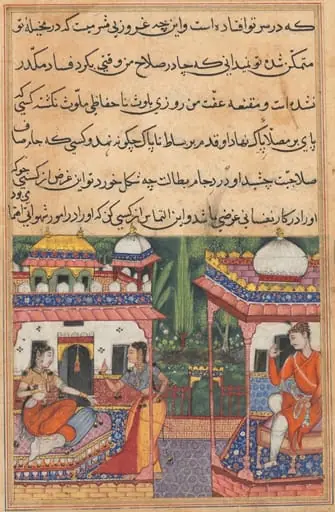 Kaiwan sends a message of love to Khurshid, wife of his brother Utarid who is away on a journey, from a Tuti-nama (Tales of a Parrot): Thirty-second Night
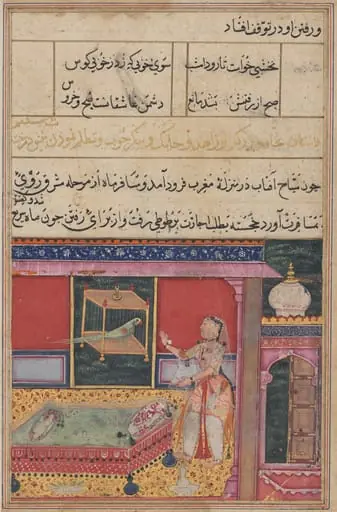 The Parrot Addresses Khujasta at the Beginning of the Sixth Night, from a Tuti-nama (Tales of a Parrot)
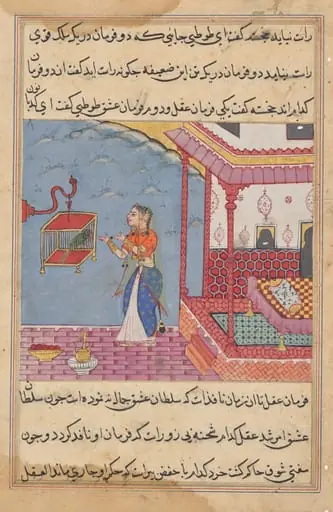 The Parrot Addresses Khujasta at the Beginning of the Twenty-Fourth Night, from a Tuti-nama (Tales of a Parrot)