Artwork
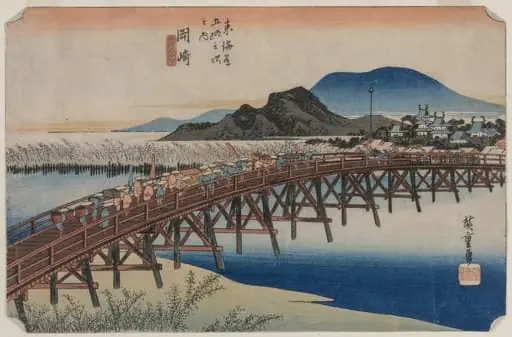
東海道五十三次 岡崎|Okazaki, from the series The Fifty-three Stations of the Tōkaidō Road
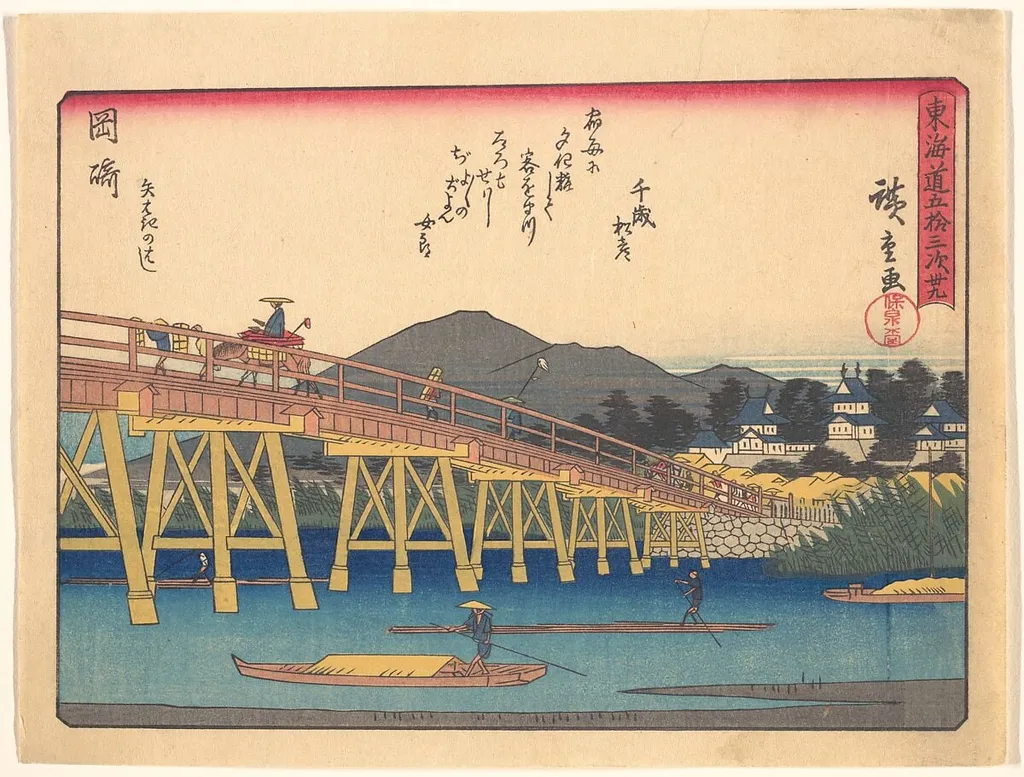
東海道五十三次 岡崎|Okazaki, from the series The Fifty-three Stations of the Tōkaidō Road is an ink print by Utagawa Hiroshige. It is held in the collection of the Metropolitan Museum of Art.
About this work
Overview
This woodblock print is part of Utagawa Hiroshige’s series depicting the fifty-three post stations along the Tōkaidō, the major road connecting Edo and Kyoto.
This woodblock print is part of Utagawa Hiroshige’s series depicting the fifty-three post stations along the Tōkaidō, the major road connecting Edo and Kyoto. Created in the 1830s, not 1916, it belongs to the early ukiyo-e tradition of landscape printing. The scene captures a quiet moment on the journey, emphasizing natural and architectural elements over human drama. It is now held in The Metropolitan Museum of Art’s collection.
Subject & Meaning
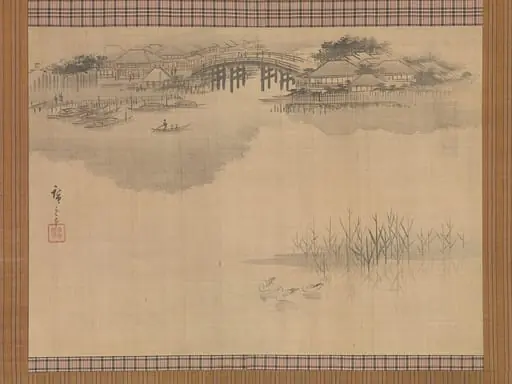
The print portrays Okazaki’s wooden bridge spanning a river, with travelers crossing or pausing, and two small boats beneath. The absence of urgency suggests contemplation, aligning with the series’ theme of travel as a meditative experience. The town and distant mountains frame the scene, grounding the viewer in a specific place while evoking the rhythm of life along the road. No figures dominate; the landscape itself becomes the subject.
Technique & Style
Hiroshige employed traditional woodblock methods, using ink and color on paper with flat, unmodulated hues and strong outlines. Soft blues and greens dominate the palette, creating a serene atmosphere. The horizontal format guides the eye across the bridge and river, reinforcing the sense of journey. The composition avoids perspective tricks, favoring the flattened space typical of Japanese printmaking.
History & Provenance
Produced in the 1830s during Hiroshige’s peak period, the print was part of a commercially successful series that redefined ukiyo-e by centering landscapes. It was widely distributed as a popular print, not a rare object. The Metropolitan Museum of Art acquired it as part of its broader collection of Japanese prints, reflecting early 20th-century Western interest in Edo-period art.
Context
The Tōkaidō was a vital route for merchants, pilgrims, and officials during the Edo period. Hiroshige’s series responded to growing public interest in travel and regional identity. Unlike earlier ukiyo-e focused on urban entertainers, these prints celebrated the countryside and seasonal change, appealing to a broader audience and helping to establish landscape as a legitimate genre in Japanese art.
Legacy
Hiroshige’s Tōkaidō series influenced later artists in Japan and abroad, including Impressionists who admired its compositional clarity and atmospheric tone. The print’s quiet realism and attention to everyday scenery helped shift perceptions of Japanese art from decorative to deeply observational. It remains a key example of how printmaking could convey both place and mood with restraint.
Artist & collection
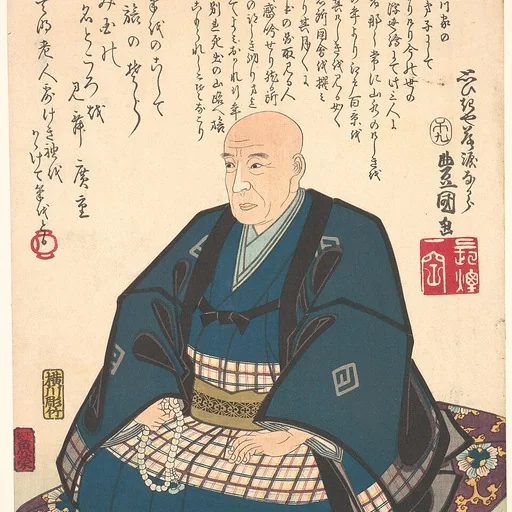
Artist
Utagawa Hiroshige (歌川 広重) or Andō Hiroshige (安藤 広重), born Andō Tokutarō (安藤 徳太郎; 1797 – 12 October 1858), was a Japanese ukiyo-e artist, considered the last great master of that tradition.

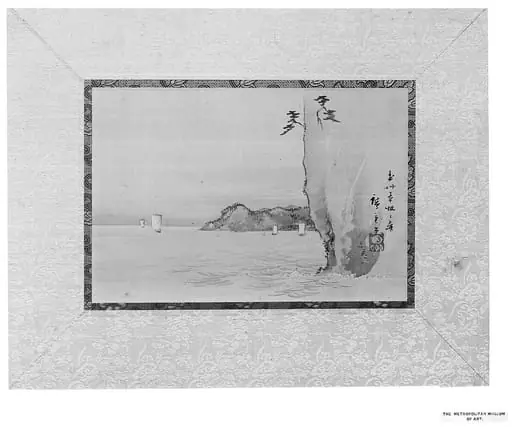
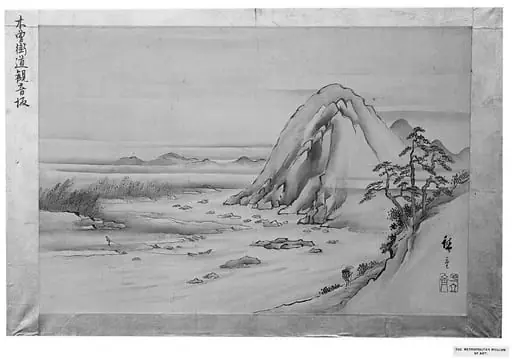
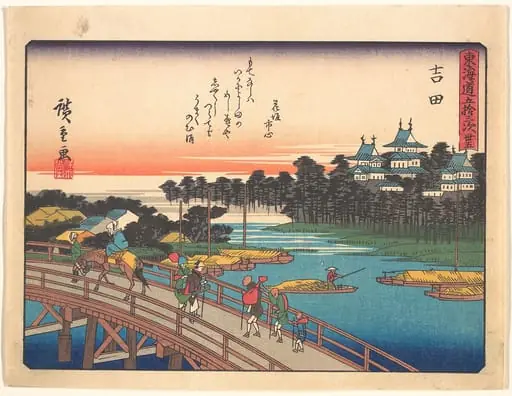 東海道五十三次 吉田|Yoshida, from the series The Fifty-three Stations of the Tōkaidō Road
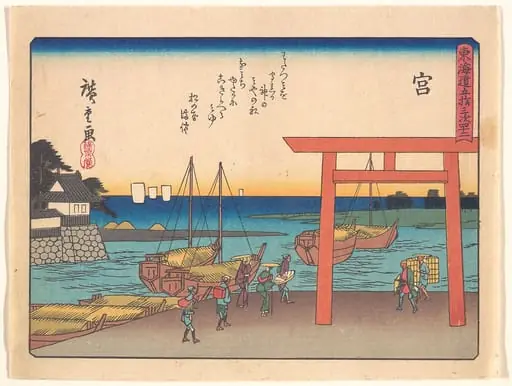 東海道五十三次 宮|Miya, from the series The Fifty-three Stations of the Tōkaidō Road
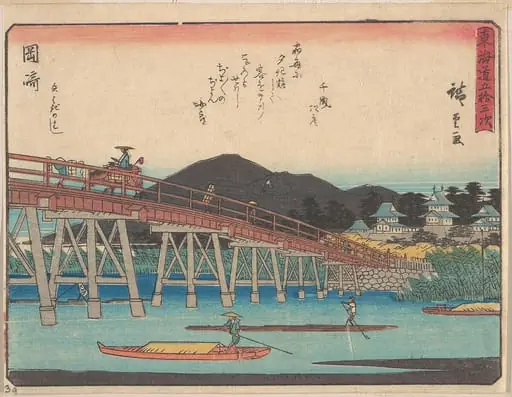 東海道五十三次 岡崎|Okazaki
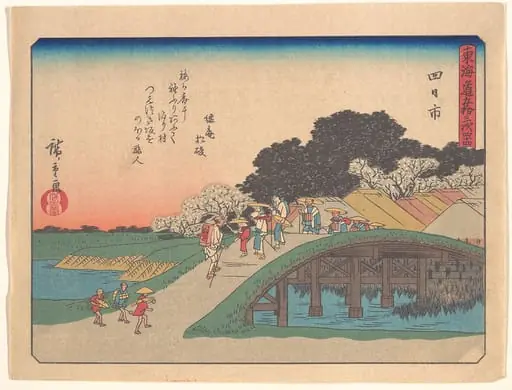 東海道五十三次 四日市|Yokkaichi, from the series The Fifty-three Stations of the Tōkaidō Road
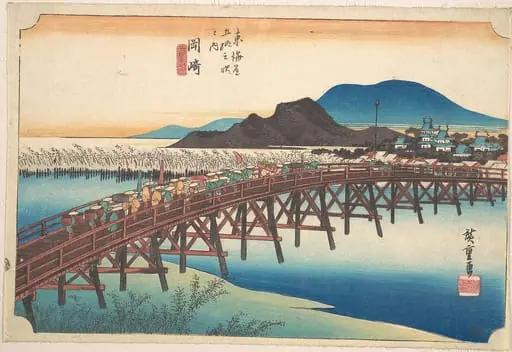 東海道五十三次之内 岡崎 矢矧の橋|Okazaki, Tenshin no Hashi
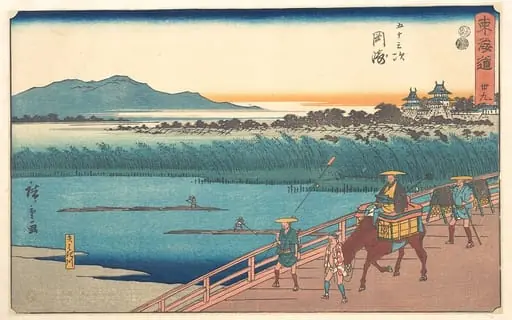 東海道五十三次 岡崎 矢はぎ川|Okazaki
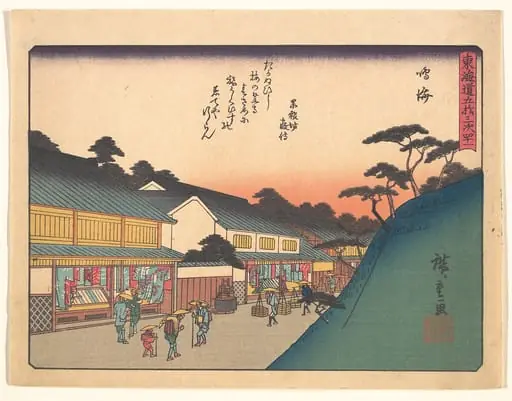 東海道五十三次 鳴海|Narumi, from the series The Fifty-three Stations of the Tōkaidō Road
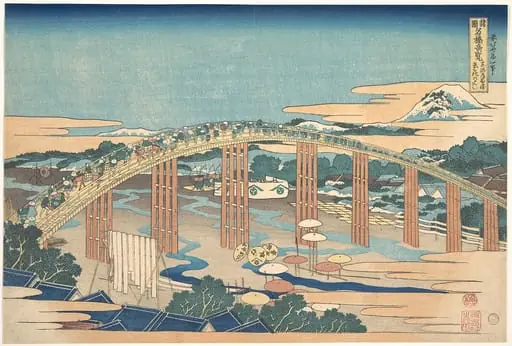 諸國名橋奇覧 東海道岡崎矢はぎのはし|Yahagi Bridge at Okazaki on the Tōkaidō (Tōkaidō Okazaki Yahagi no hashi), from the series Remarkable Views of Bridges in Various Provinces (Shokoku meikyō kiran)
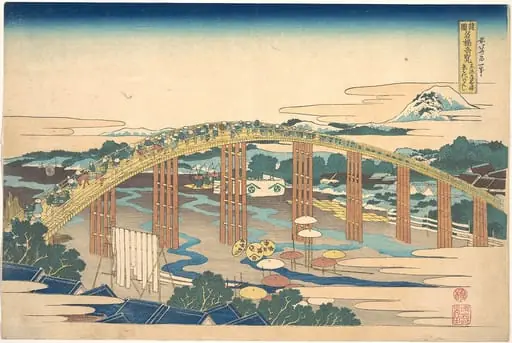 諸國名橋奇覧 東海道岡崎矢はぎのはし|Yahagi Bridge at Okazaki on the Tōkaidō (Tōkaidō Okazaki Yahagi no hashi), from the series Remarkable Views of Bridges in Various Provinces (Shokoku meikyō kiran)
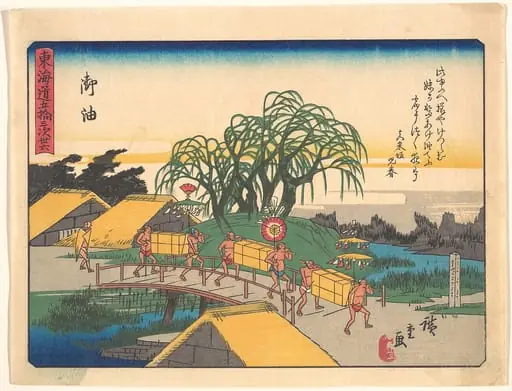 東海道五十三次 御油|Goyu, from the series The Fifty-three Stations of the Tōkaidō Road
 Yahagi Bridge at Okazaki (Station 39), From the series Fifty-Three Stations of the Tokaido