Artwork
Untitled
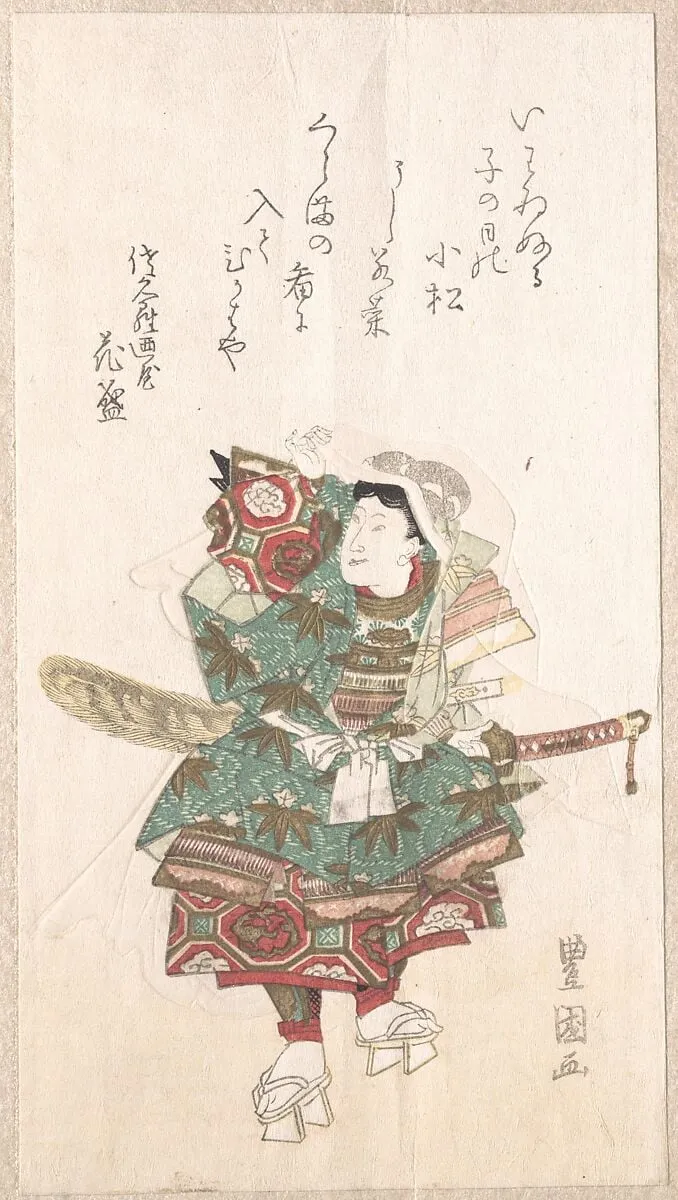
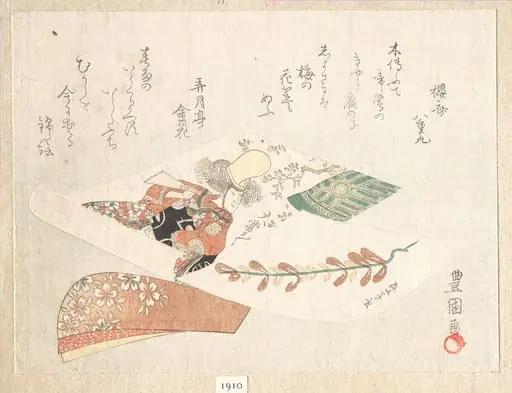
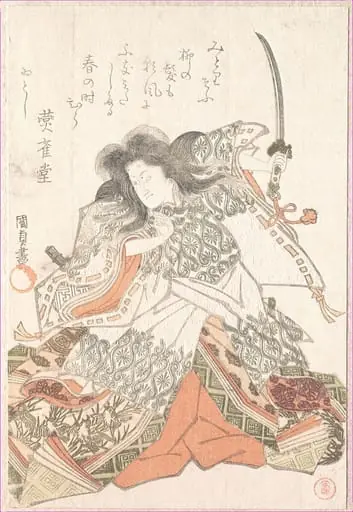
Untitled is an ink print by the Romanticist artist Utagawa Toyokuni I. It is held in the collection of the Metropolitan Museum of Art.
About this work
Overview
The work is part of The Metropolitan Museum of Art’s collection, reflecting the refined aesthetic of early nineteenth-century Japanese printmaking.
This woodblock print, dated around 1850, is attributed to Utagawa Toyokuni I and belongs to the surimono genre—privately commissioned prints often produced for special occasions. Executed in ink and color on paper, it features a warrior figure rendered with vivid pigments against a minimal background. The work is part of The Metropolitan Museum of Art’s collection, reflecting the refined aesthetic of early nineteenth-century Japanese printmaking.
Subject & Meaning
The subject is a samurai depicted in ornate armor adorned with red and gold motifs, holding a sword in one hand and a fan in the other. The fan, often symbolic of authority or ceremonial function, suggests the figure may represent a noble or military leader in a formal context. The inclusion of Japanese text implies the print was commissioned for a specific event, possibly as a New Year’s gift or commemorative item for a patron or literary society.
Technique & Style
The print employs traditional woodblock techniques with bold outlines and flat areas of color, characteristic of ukiyo-e and surimono traditions. Greens, reds, and metallic pigments contrast sharply against the pale paper, enhancing visual impact. The absence of detailed background elements focuses attention on the figure’s form and attire, demonstrating a deliberate compositional restraint common in elite print commissions of the period.
History & Provenance
Created circa 1850, the print likely originated from a private commission rather than commercial publication, as suggested by its refined execution and inscriptive elements. It entered The Metropolitan Museum of Art’s collection through documented acquisition, preserving its association with Toyokuni I’s later output. Few surimono from this era survive in such condition, making it a rare example of high-quality, non-commercial print production in the Edo period.
Context
During the mid-nineteenth century, surimono were produced in small batches for wealthy patrons, often celebrating poetry, seasonal events, or personal milestones. Toyokuni I, known for his actor portraits and warrior imagery, adapted his style to these intimate formats. This print reflects the convergence of martial iconography and literary culture, where visual art served both aesthetic and ceremonial roles within elite circles.
Legacy
Though less widely circulated than commercial ukiyo-e, surimono like this one influenced later printmakers through their technical precision and restrained elegance. The work contributes to the understanding of how artistic traditions adapted to private patronage in late Edo Japan. Its preservation in a major museum underscores its value as a cultural artifact, offering insight into the social rituals embedded in Japanese print culture.
Artist & collection

Artist
Toyokuni was a born showman who made sure the energy of Edo’s kabuki stage never faded on paper.

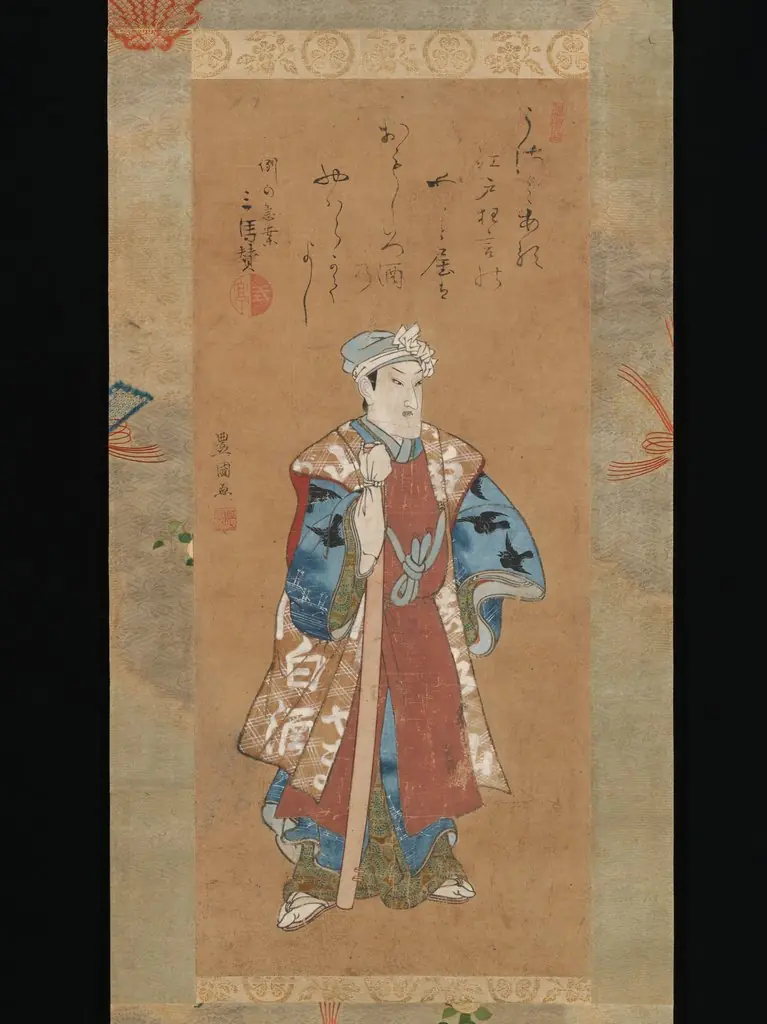 Bandō Mitsugorō II as Shinbei in the Kabuki Play "Sukeroku"
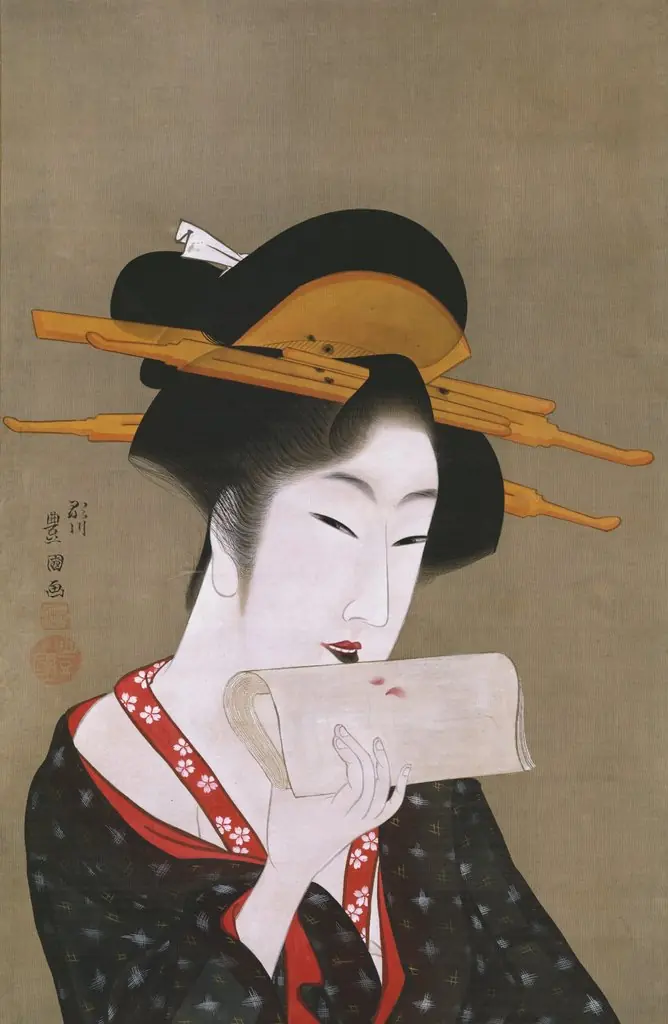 Beauty Blotting Her Lip Rouge
 Portrait of Kinokuniya Bunzaemon
 Untitled
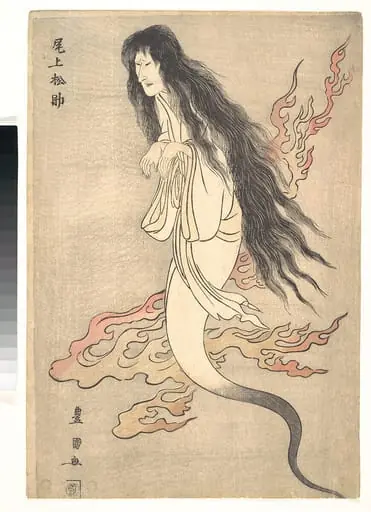 Tokaido Yotsuya Kaidan|Onoe Matsusuke as the Ghost of the Murdered Wife Oiwa, in "A Tale of Horror from the Yotsuya Station on the Tokaido Road"
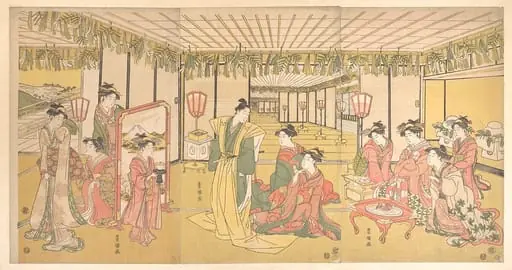 Untitled
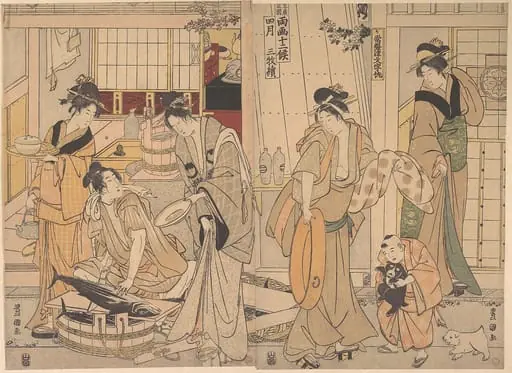 Untitled
 娘道成寺図の錦絵|Print of a Kabuki Dancer from the Maiden of the Dōjōji Temple (Musume Dōjōji)
 Untitled
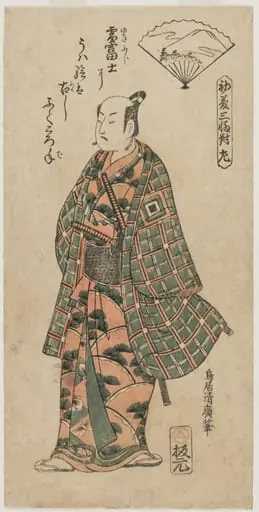 Ichikawa Danjuro II as a Young Samurai
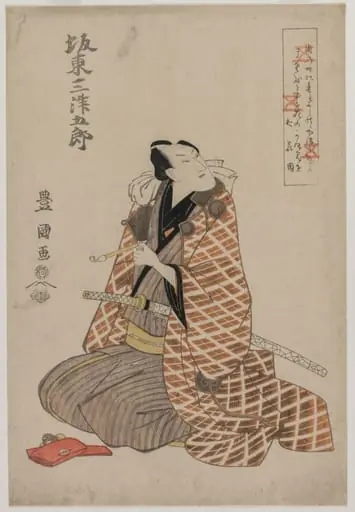 Bando Mitsugoro IV in a Travelling Robe
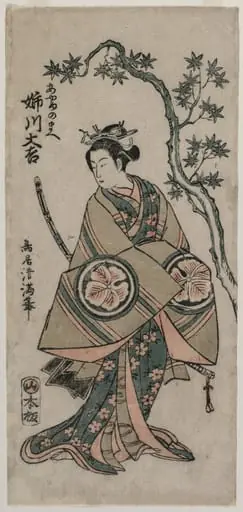 Anekawa Daisuke as Ayame-no-mae
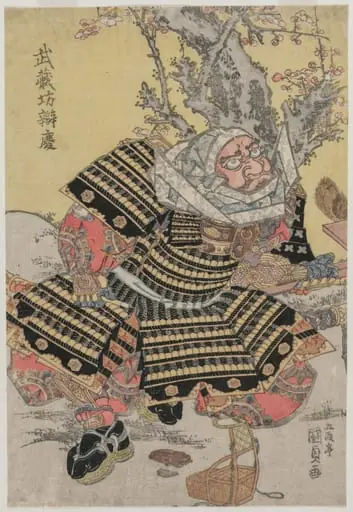 Musashibo Benkei Kneeling by a Plum Tree
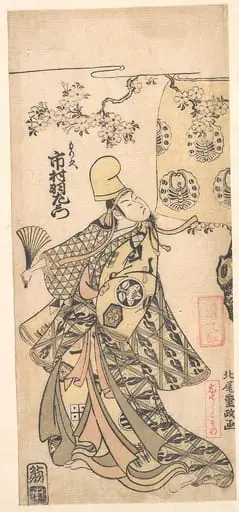 Untitled
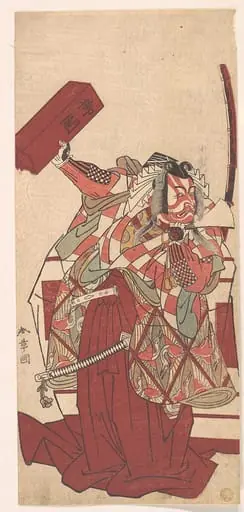 三代目市川海老蔵の篠塚伊賀守定綱|The Actor Ichikawa Ebizō III as Shinozuka Iga no kami Sadatsuna in a Shibaraku Scene
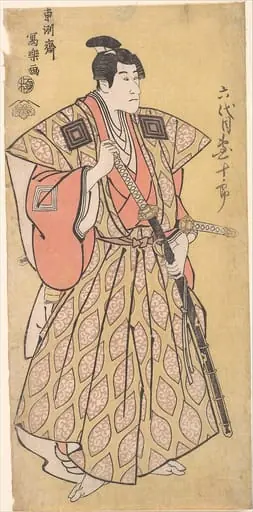 Untitled
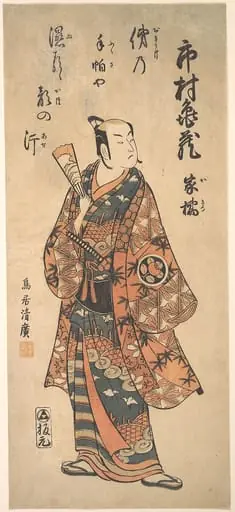 Untitled
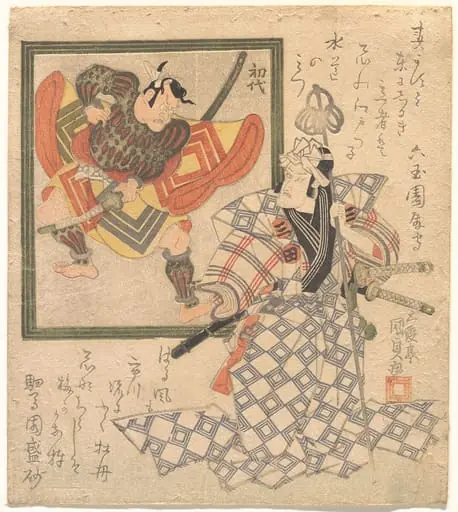 歌川国貞画 七代目市川団十郎と初代市川団十郎|Ichikawa Danjūrō VII Admiring Ichikawa Danjūrō I in an Inset Portrait
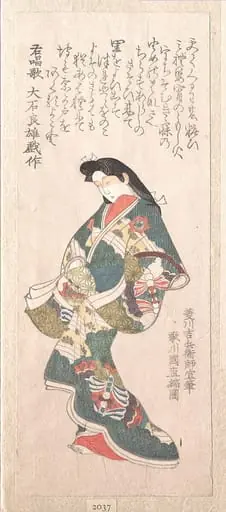 『春雨集』 摺物帖歌川国直画 元禄美人|Spring Rain Collection (Harusame shū), vol. 1: Genroku-style Courtesan
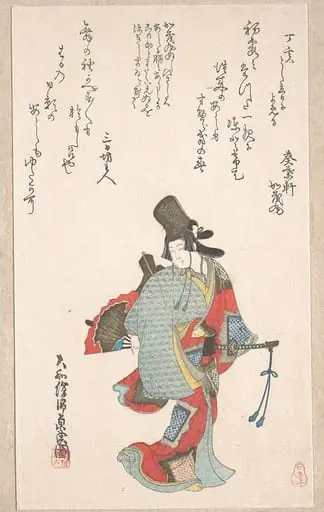 Untitled