Artwork
Untitled
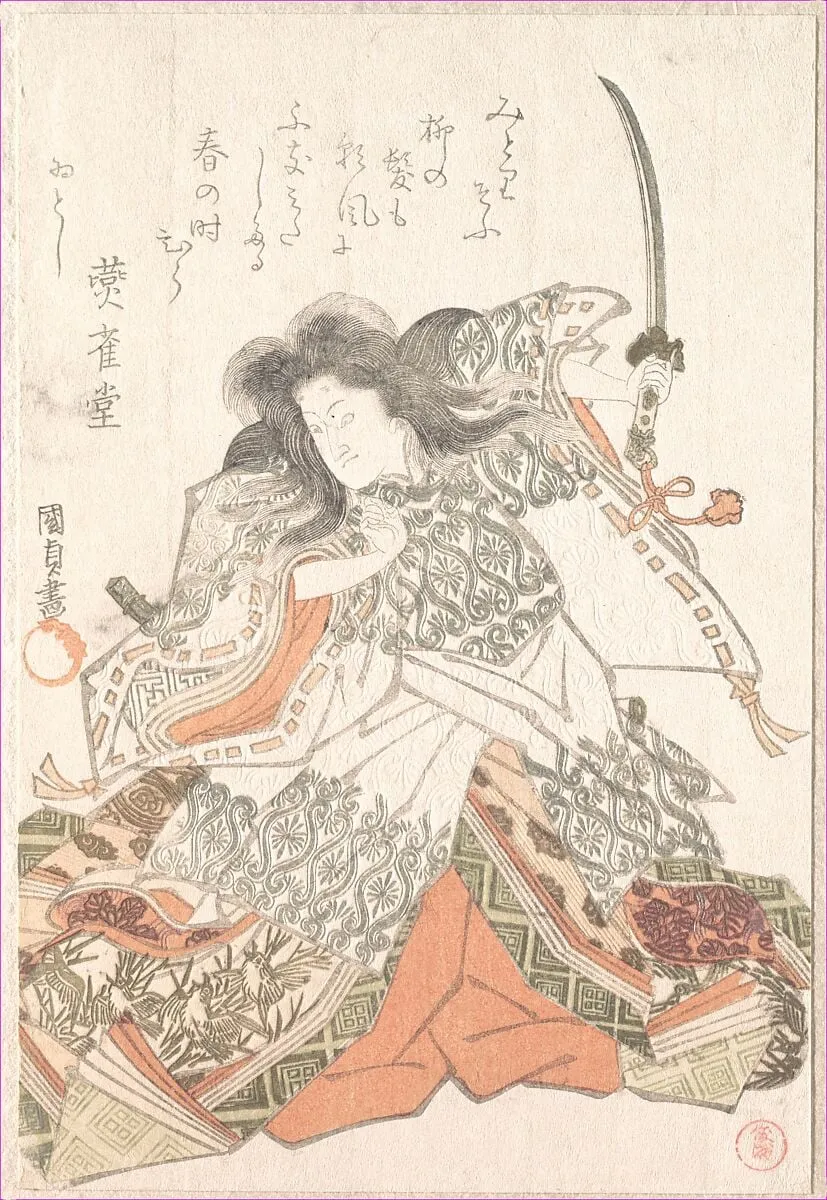
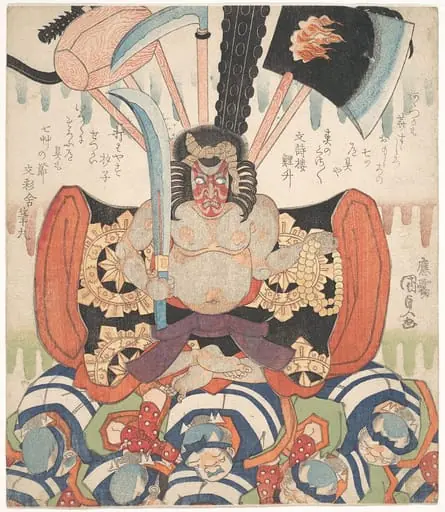
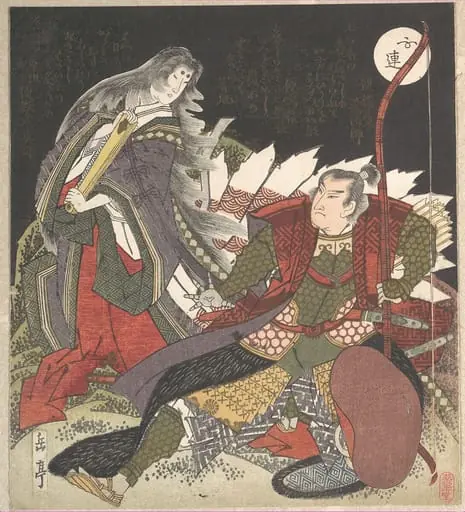
Untitled is an ink print by the Romanticist artist Utagawa Kunisada. It dates from 1815 and is held in the collection of the Metropolitan Museum of Art.
About this work
Overview
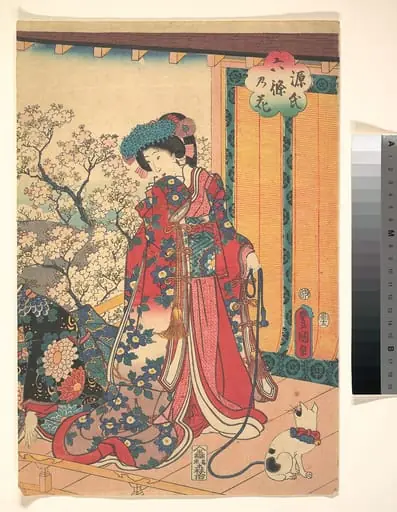
Executed in ink and color on paper, it presents a solitary female figure in dynamic stillness, rendered with fine detail and subtle tonal variation.
This woodblock print, dated around 1815, is attributed to Utagawa Kunisada and belongs to the surimono genre—privately commissioned prints often produced for literary or seasonal occasions. Executed in ink and color on paper, it presents a solitary female figure in dynamic stillness, rendered with fine detail and subtle tonal variation. The work is part of The Metropolitan Museum of Art’s print collection, reflecting the artist’s engagement with both popular and refined visual culture of early 19th-century Edo.
Subject & Meaning
The figure is a woman clad in an elaborate kimono, holding a sword in one hand while the other rests near her chest. Her downward gaze and faint smile suggest introspection rather than aggression. Though her identity is unmarked, the combination of feminine grace and martial attribute evokes literary or theatrical archetypes—perhaps a warrior-poetess from classical tales. The image balances serenity with latent power, inviting contemplation of inner resolve.
Technique & Style
Kunisada employed fine linework and layered color to capture the texture of fabric and the flow of hair. The kimono’s geometric and floral patterns are meticulously printed, each motif carefully aligned to enhance the figure’s form. Soft background washes isolate the subject, drawing focus to her posture and attire. The print’s precision reflects the technical sophistication of surimono, where artisans prioritized detail over mass production, often using metallic pigments and embossing.
History & Provenance
Created as a surimono, the print was likely commissioned by a literary circle or patron for private circulation, not public sale. Its survival and eventual acquisition by The Metropolitan Museum of Art indicate its preservation within collector circles. While its original context remains undocumented, its craftsmanship aligns with other surimono produced in Edo during the 1810s, a period when such prints flourished among elite audiences seeking refined artistic expression.
Context
In early 19th-century Edo, surimono were luxury prints circulated among poets, actors, and connoisseurs, often celebrating seasonal themes or literary allusions. Kunisada, though best known for actor portraits, frequently engaged with diverse subjects, including female figures drawn from folklore and theater. This print reflects a broader trend of blending classical ideals with contemporary aesthetics, where femininity and strength were not mutually exclusive but intertwined in cultural imagination.
Legacy
Though not widely exhibited, this print exemplifies the quiet sophistication of surimono production and Kunisada’s versatility beyond commercial ukiyo-e. It contributes to scholarly understanding of how gender, identity, and artistry were negotiated in Edo-period visual culture. Its preservation underscores the value placed on intimate, finely crafted prints that appealed to discerning audiences rather than the general public.
Artist & collection
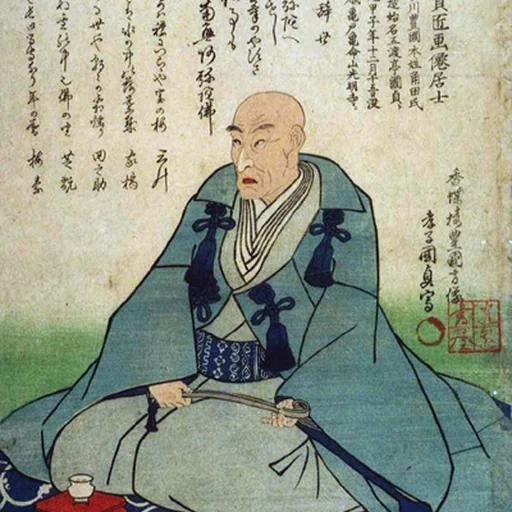

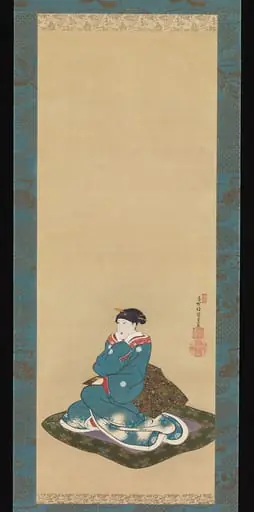 二代目岩井粂三郎の肖像|Portrait of Iwai Kumesaburō II
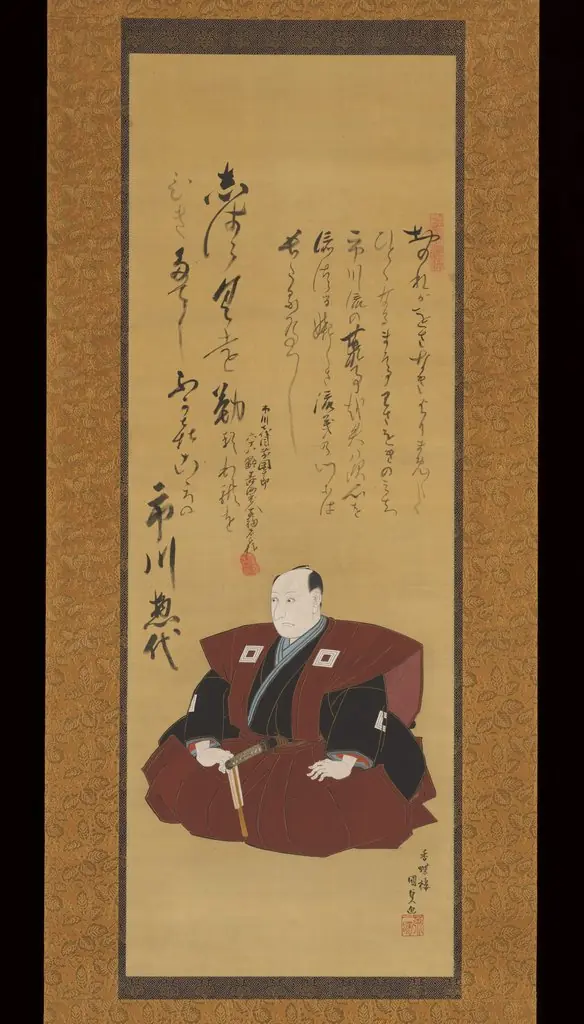 Memorial Portrait of the Actor Ichikawa Ōmezō I
 Untitled
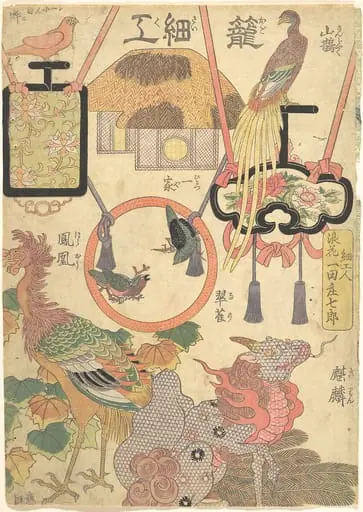 「籠細工 浪花細工人一田庄七郎」|Basketry Work: By the Craftsman Ichida Shōshichirō of Naniwa (Kagosaiku Naniwa saikujin Ichida Shōshichirō)
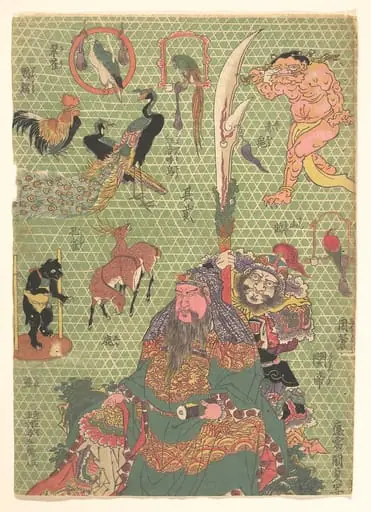 歌川国貞画 「籠細工 浪花細工人 一田庄七郎」|Basketry Work: By the Craftsman Ichida Shōshichirō of Naniwa (Kagozaiku Naniwa saikunin Ichida Shōshichirō)
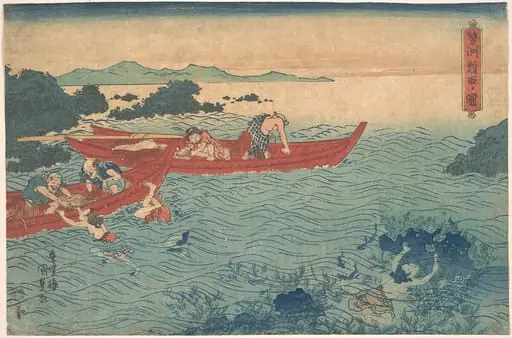 Untitled
 Untitled
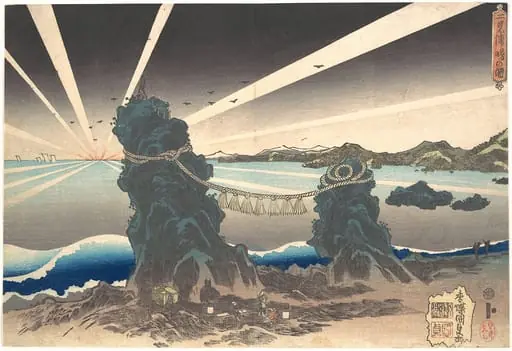 Futami-ga-ura akebono-no kuni|Futami-ga-ura Rocks at Ise, Land of Dawn
 Untitled
 Untitled
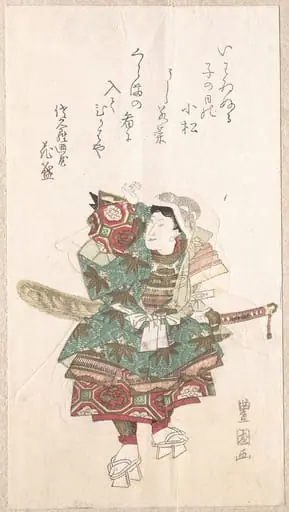 Untitled
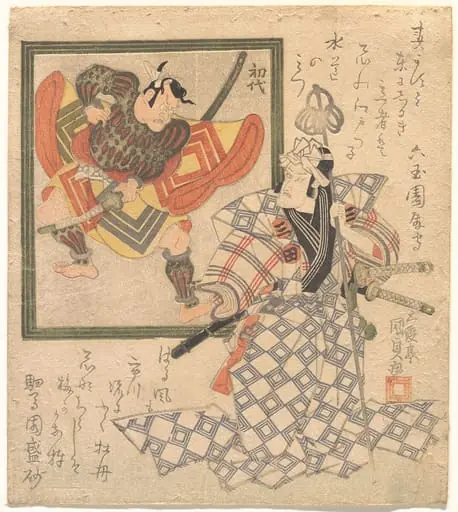 歌川国貞画 七代目市川団十郎と初代市川団十郎|Ichikawa Danjūrō VII Admiring Ichikawa Danjūrō I in an Inset Portrait
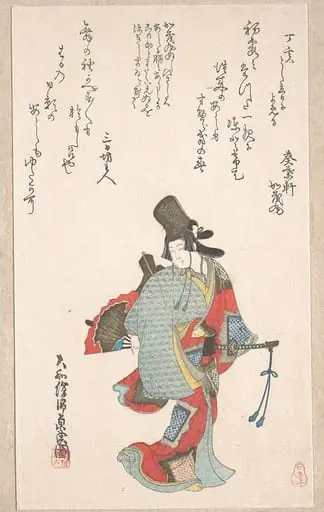 Untitled
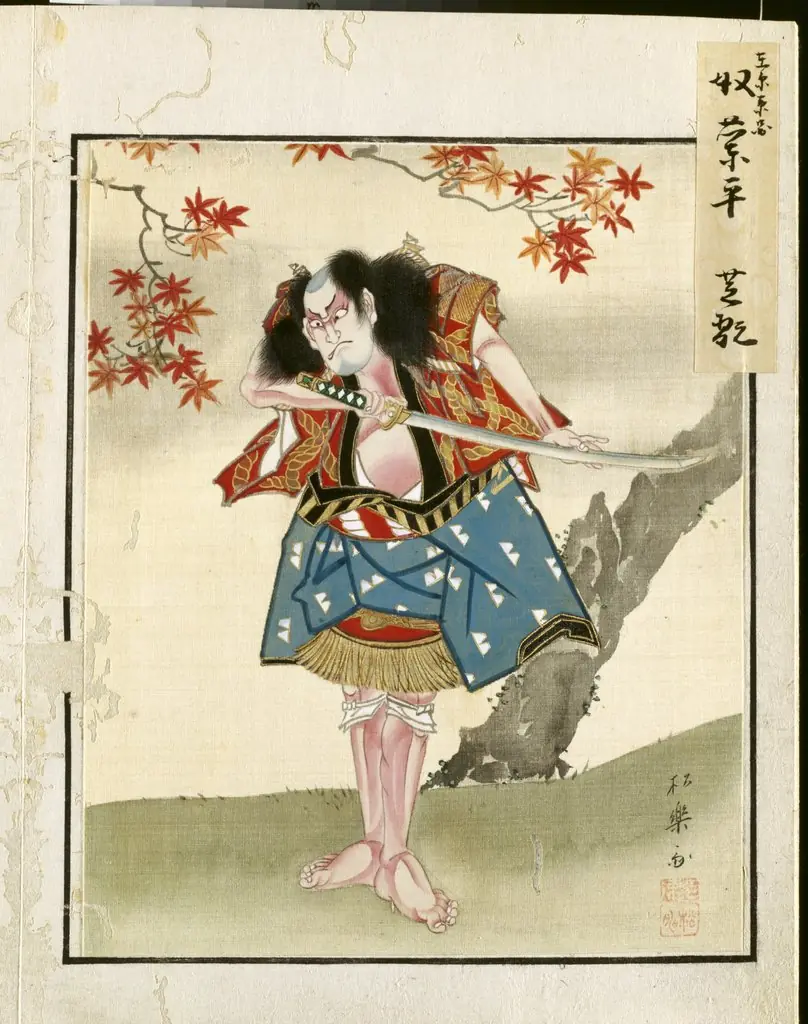 Double-Leaf from Album of Actor Portraits
 玉藻前と三浦介|The Warrior Miura-no-suke Confronting the Court Lady Tamamo-no-mae as She Turns into an Evil Fox with Nine Tails
 Untitled
 Musashibo Benkei Kneeling by a Plum Tree
 Bando Hikosaburo II as Sanada no Yoichi
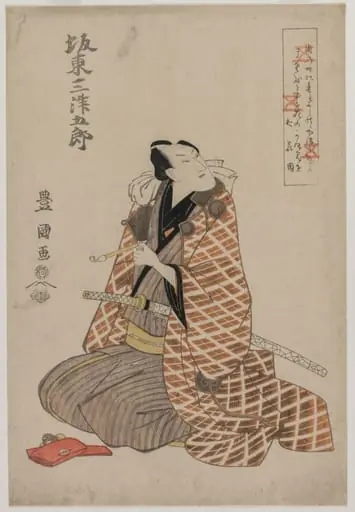 Bando Mitsugoro IV in a Travelling Robe
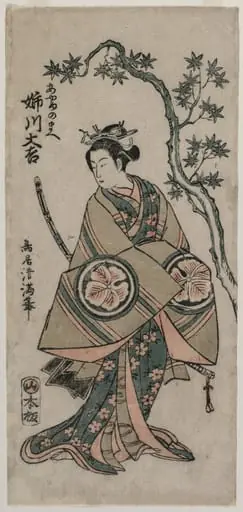 Anekawa Daisuke as Ayame-no-mae