Artwork
Untitled
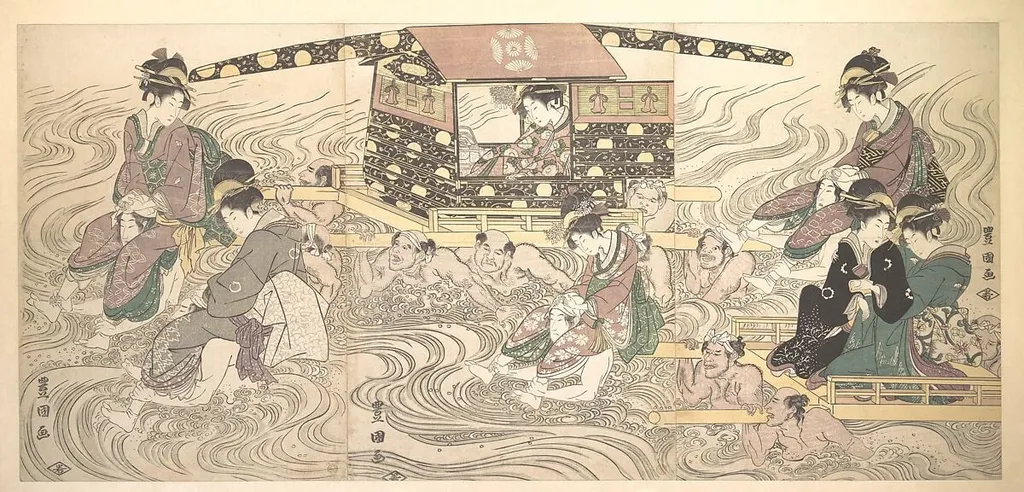
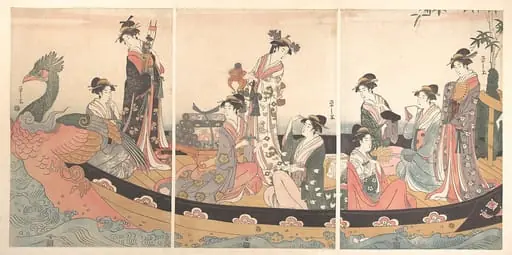
Untitled is an ink print by the Romanticist artist Utagawa Toyokuni I. It dates from 1800 and is held in the collection of the Metropolitan Museum of Art.
About this work
Overview
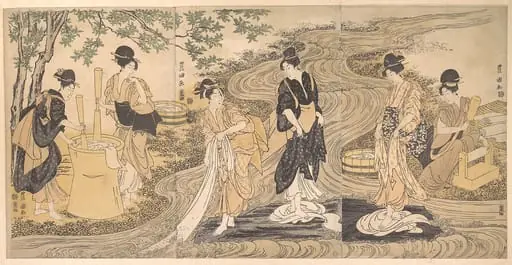
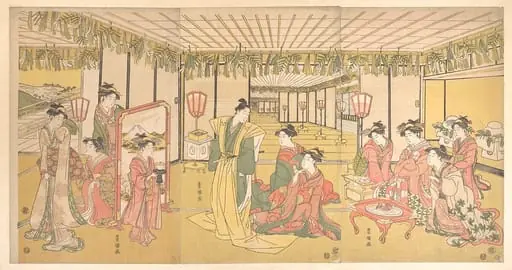
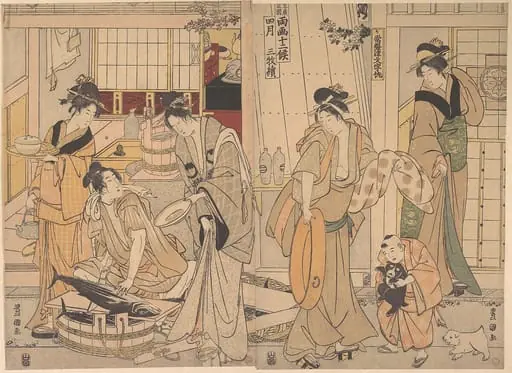
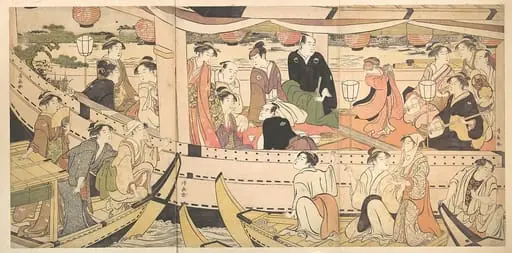
This triptych consists of three vertical woodblock prints on paper, created around 1800 by Utagawa Toyokuni I. Each panel is printed with ink and color, assembled to form a single narrative scene. The work belongs to the ukiyo-e tradition, a popular Japanese print genre depicting everyday life. It is currently held in the collection of The Metropolitan Museum of Art.
Subject & Meaning
The scene portrays a gathering of men and women in colorful kimonos, engaged in conversation and mirth within an interior setting. Their postures and expressions suggest a moment of social intimacy, possibly during a festive or ceremonial occasion. The absence of a title invites interpretation, emphasizing the quiet dignity of ordinary interactions rather than a specific narrative.
Technique & Style
The lines are precise and controlled, reflecting the technical discipline of Edo-period printmaking and the artist’s mastery of compositional rhythm.
The prints were produced using traditional woodblock carving and hand-coloring methods, with each color applied separately from individual blocks. Fine cross-hatching defines texture and volume on faces and garments, creating subtle shading without gradients. The lines are precise and controlled, reflecting the technical discipline of Edo-period printmaking and the artist’s mastery of compositional rhythm.
History & Provenance
Produced in the early 19th century during the height of ukiyo-e’s popularity, the triptych was likely made for domestic display among urban merchants and artisans. It entered The Metropolitan Museum of Art’s collection through documented acquisitions, preserving its original format and condition. Its survival in three intact panels is uncommon, as such works were often separated or damaged over time.
Context
Toyokuni I worked within the Utagawa school, which dominated commercial print production in Edo. His genre scenes captured the lives of common people, contrasting with the more common depictions of actors or courtesans. This triptych reflects a growing interest in domestic and social themes during the late Edo period, aligning with broader cultural shifts toward realism and everyday observation.
Legacy
Though not widely exhibited, the triptych exemplifies the quiet sophistication of Edo-period genre prints. It contributes to scholarly understanding of how ordinary moments were elevated through printmaking, influencing later artists both in Japan and abroad. Its preservation offers insight into the material culture and aesthetic values of early 19th-century urban Japan.
Artist & collection

Artist
Toyokuni was a born showman who made sure the energy of Edo’s kabuki stage never faded on paper.

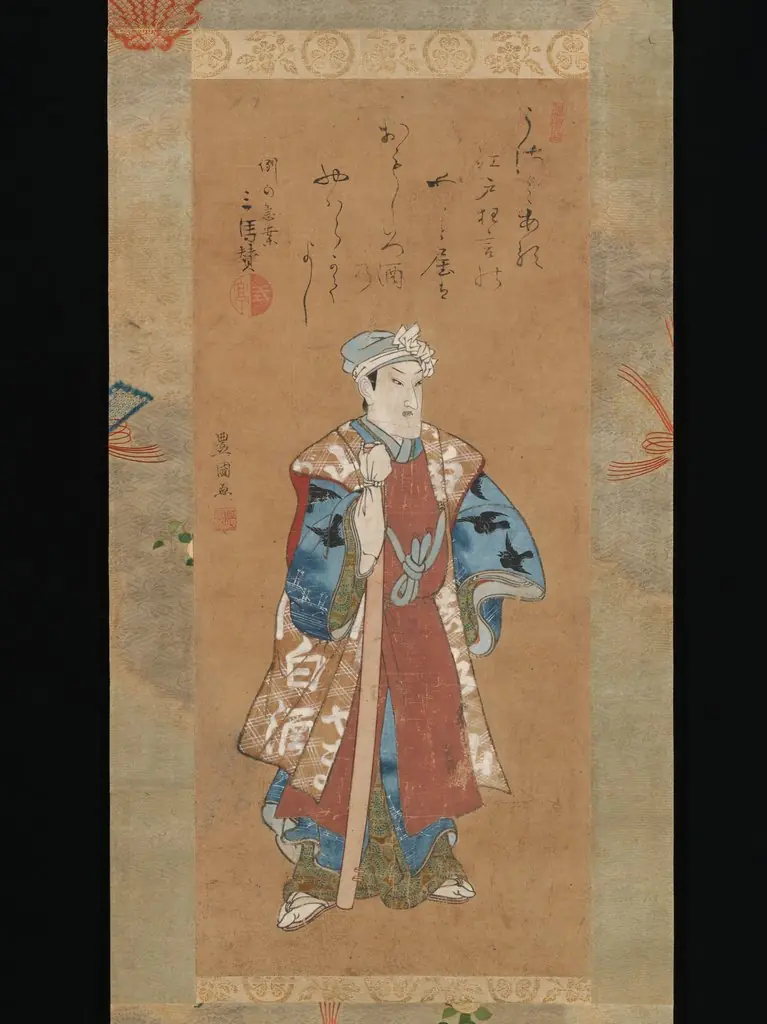 Bandō Mitsugorō II as Shinbei in the Kabuki Play "Sukeroku"
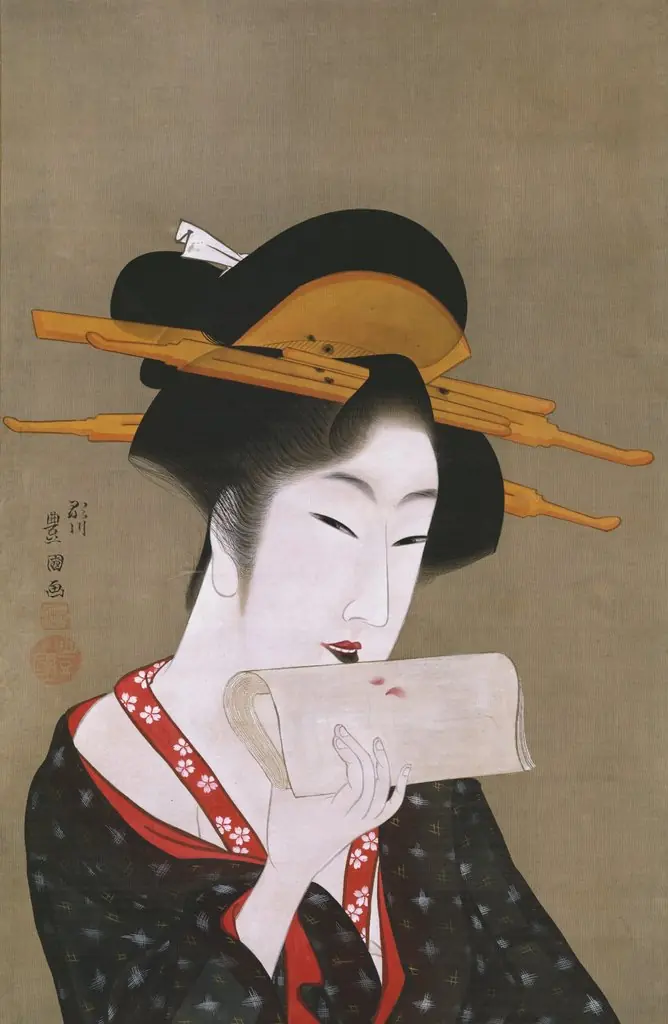 Beauty Blotting Her Lip Rouge
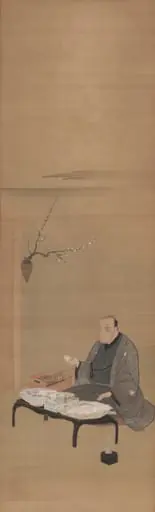 Portrait of Kinokuniya Bunzaemon
 Untitled
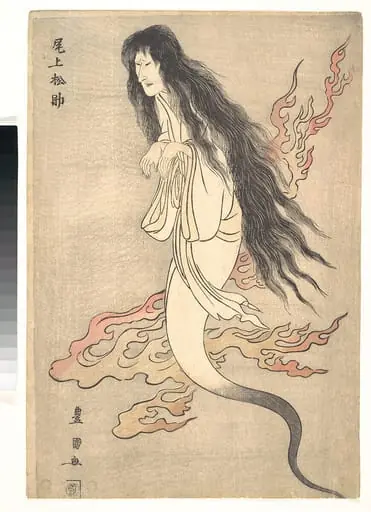 Tokaido Yotsuya Kaidan|Onoe Matsusuke as the Ghost of the Murdered Wife Oiwa, in "A Tale of Horror from the Yotsuya Station on the Tokaido Road"
 Untitled
 Untitled
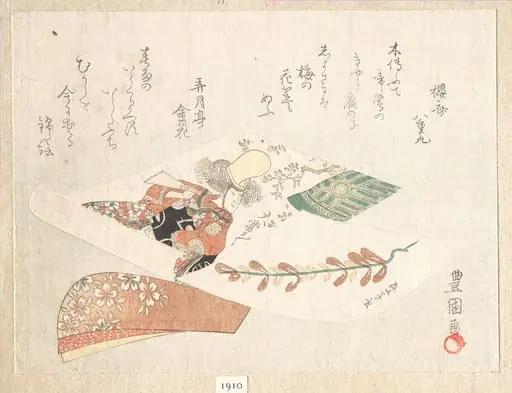 娘道成寺図の錦絵|Print of a Kabuki Dancer from the Maiden of the Dōjōji Temple (Musume Dōjōji)
 Untitled
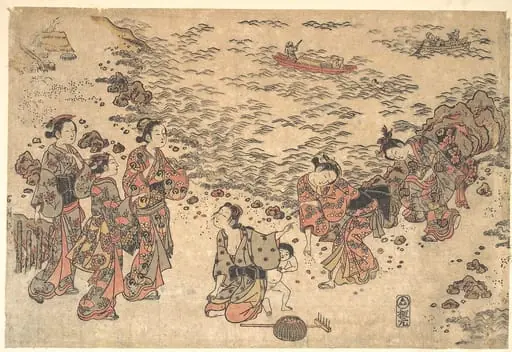 Untitled
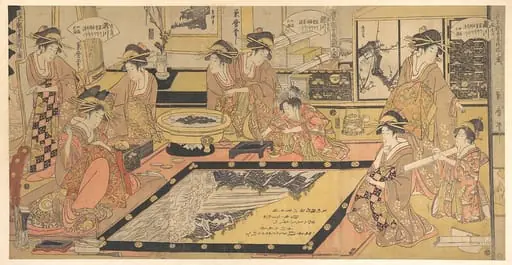 『浅草観音奉掛額之 図』 「扇屋内滝川 富川、粂川、玉川、津川、歌川、清川 め浪、お浪」|A Votive Picture to Be Donated to the Kannon of Asakusa (Asakusa Kannon hō kakegaku no zu), by Takigawa of the Ōgiya, Kamuro Menami and Onami, with Tomikawa, Kumegawa, Tamagawa, Tsugawa, Utagawa, and Kiyokawa
 Untitled
 Untitled
 三俳優隅田川船遊び|Sumida River Holiday
 百人一首 乳母か絵とき 参議篁|Poem by Sangi no Takamura (Ono no Takamura), from the series One Hundred Poems Explained by the Nurse (Hyakunin isshu uba ga etoki)
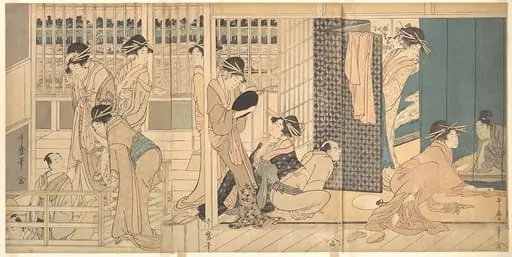 仮宅の後朝|Scene in the Yoshiwara
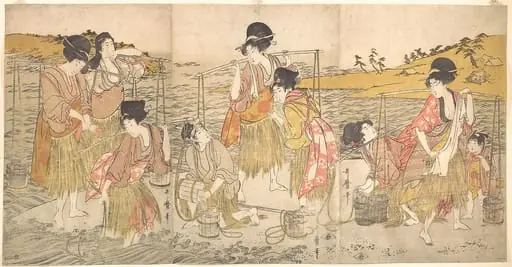 Untitled
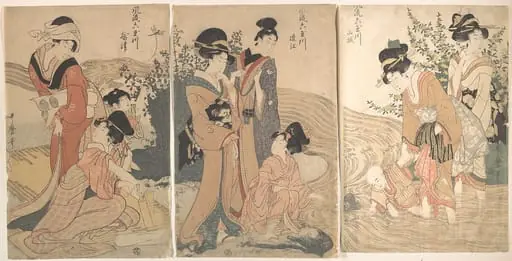 風流六玉川 山城 近江 摂津|Women and Children on the Banks of a Stream
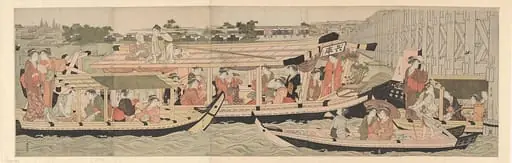 新大橋橋下の涼み船|Pleasure Boats on the Sumida River beneath Shin-Ōhashi Bridge