Artwork
Untitled
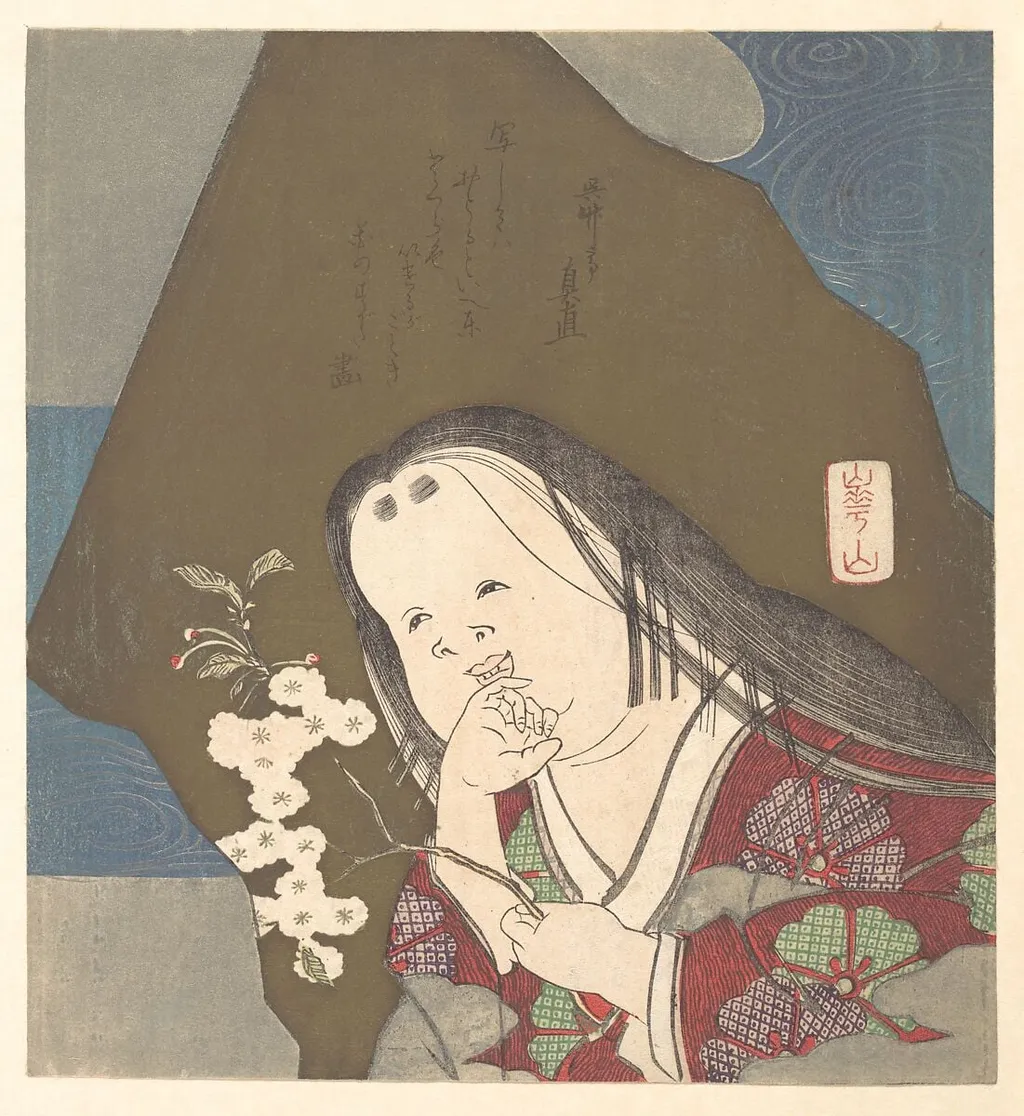
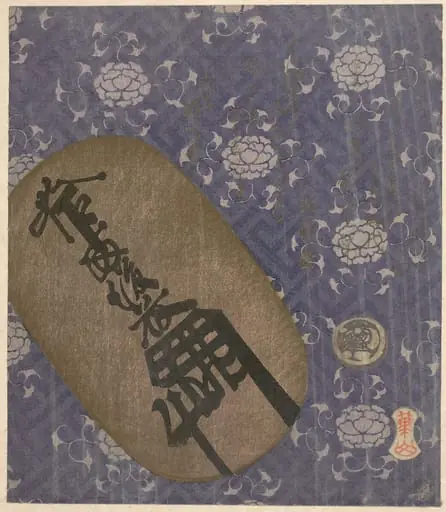
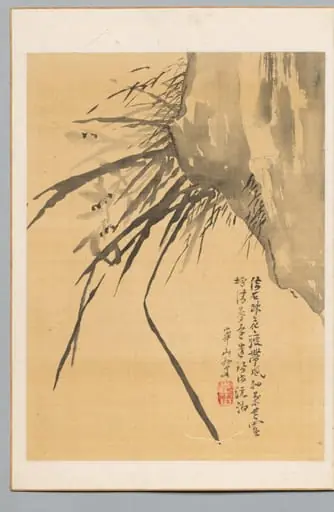
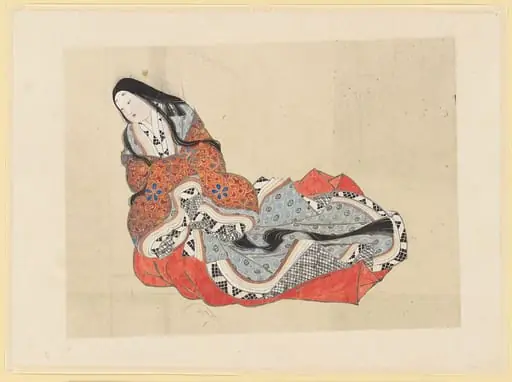
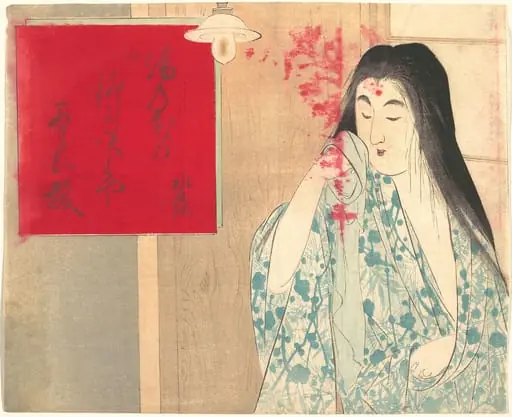
Untitled is an ink print by the Romanticist artist Watanabe Kazan. It dates from 1840 and is held in the collection of the Metropolitan Museum of Art.
About this work
Overview
The work is part of The Metropolitan Museum of Art’s collection, where it is preserved as an example of intimate, non-commercial Japanese print culture.
This woodblock print, dated around 1840, is attributed to Watanabe Kazan and produced as a surimono—a privately commissioned print often made for special occasions. Executed in ink and color on paper, it reflects the refined aesthetic of early Meiji-period printmaking. The work is part of The Metropolitan Museum of Art’s collection, where it is preserved as an example of intimate, non-commercial Japanese print culture.
Subject & Meaning
A woman in a richly patterned red kimono holds a sprig of white blossoms, her gaze directed upward beyond the frame. Her long black hair and still posture suggest contemplation, possibly in response to a seasonal or spiritual cue. The flowers and her quiet demeanor evoke themes of transience and quiet reverence, common in Japanese visual poetry. The absence of a clear narrative invites personal interpretation, aligning with literati traditions of understated expression.
Technique & Style
The print employs fine woodblock carving to render delicate floral details and subtle gradations in the kimono’s green and purple motifs. Color is applied with restraint, emphasizing tonal harmony over bold contrast. The background’s abstract washes of brown, blue, and gray suggest depth without literal representation, a technique rooted in ink-wash painting traditions. The composition balances asymmetry and negative space, characteristic of Edo-period aesthetic sensibilities.
History & Provenance
Created during a period when surimono were produced for literary and artistic circles, this print likely originated as a private commission rather than mass-market output. Watanabe Kazan, known for blending Western-influenced realism with Japanese forms, may have used this work to explore personal expression outside official patronage. The print entered The Metropolitan Museum of Art’s collection through documented acquisition, preserving its provenance within institutional archives.
Context
In the 1840s, surimono flourished as luxury prints among intellectuals and poets, often featuring seasonal imagery and allusions to classical literature. While commercial ukiyo-e depicted popular figures, surimono favored subtlety and personal symbolism. Kazan’s work reflects this niche tradition, bridging the literati ideals of the Edo period with emerging individualism in Japanese art, even as political and social changes loomed on the horizon.
Legacy
Though not widely reproduced, this print exemplifies the quiet sophistication of late Edo surimono. It contributes to scholarly understanding of how artists like Kazan navigated the boundaries between official art, private expression, and print culture. Its preservation in a major museum underscores its role as a document of refined aesthetic practice, influencing later studies of Japanese printmaking beyond popular genres.
Artist & collection


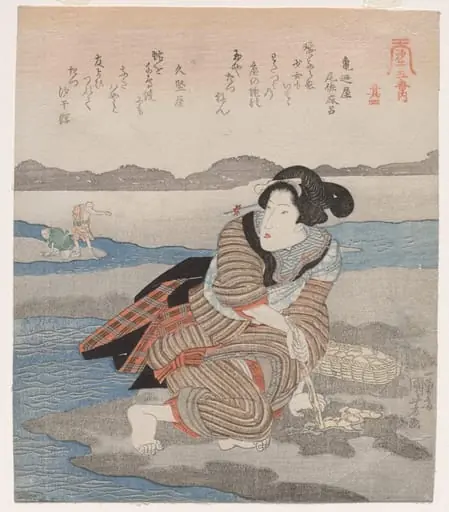 Fourth Print from A Low Tide Pentaptych
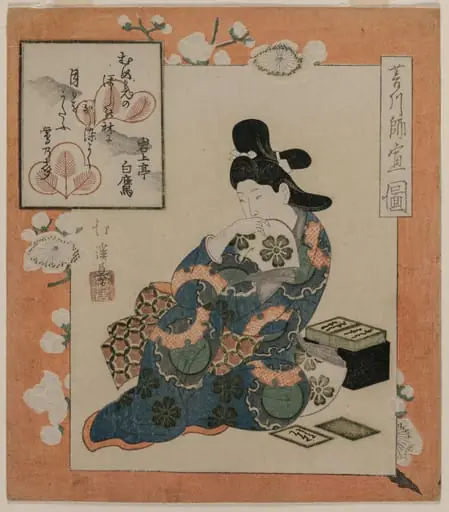 A Picture by Hishikawa Moronobu: Woman with a Set of Poem Cards
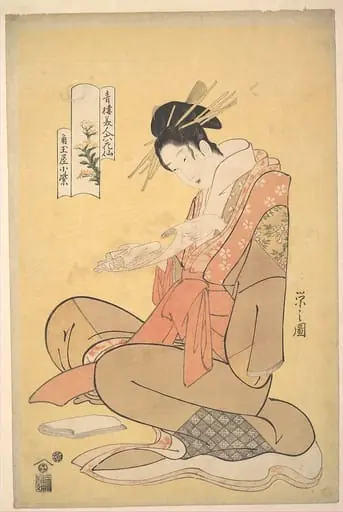 Untitled
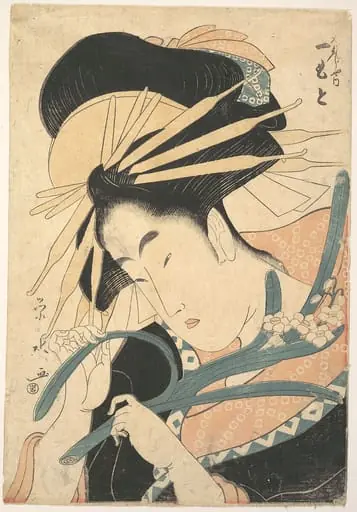 Untitled
 Untitled
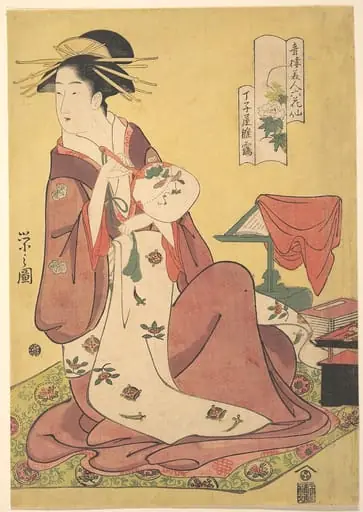 鳥文斎栄之画 「青楼美人六花仙 丁子屋雛鶴鸖」|The Courtesan Hinazuru of the Chōjiya Brothel (Chōjiya Hinazuru), from the series Beauties of the Pleasure Quarters as Six Floral Immortals (Seirō bijin rokkasen)
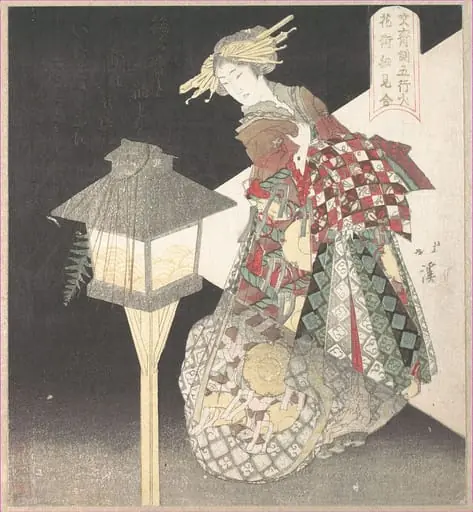 「文齊側五行火 花街細見合」|Courtesan by a Lantern, “Fire,” from the series Five Elements for the Bunsai Poetry Group, a Guide to the Yoshiwara Pleasure Quarters
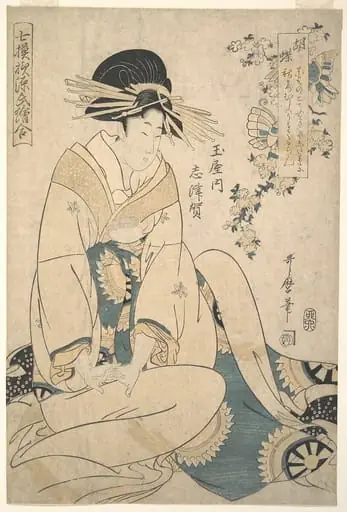 玉屋内 志津賀|A Courtesan
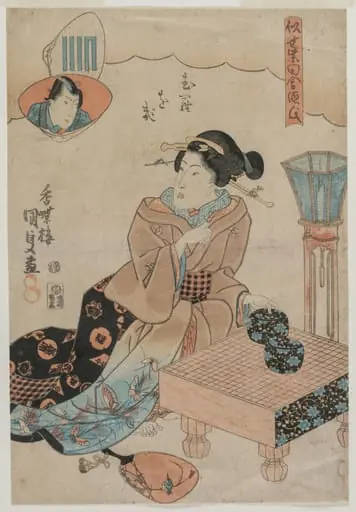 Muraogi, from the series The False Murasaki's Rustic Genji (Nise Murasaki Inaka Genji)
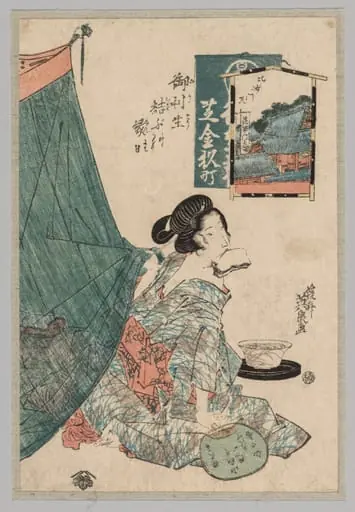 Woman with Papers in Mouth and Fan in Hand
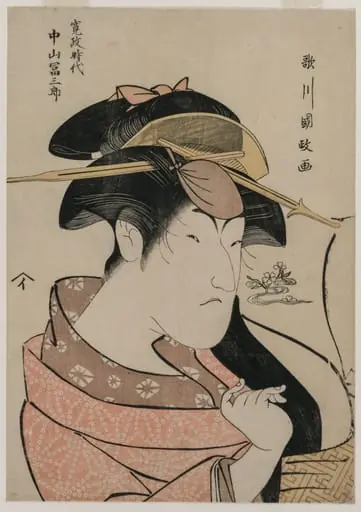 Portrait of the Actor Nakayama Tomisaburo as a Woman
 Untitled