Artwork
Three Studies of a Woman's Head and a Study of Hands [recto]
![Three Studies of a Woman's Head and a Study of Hands [recto], by Jean Antoine Watteau, chalk, 1718](https://artifactworldgallery.com/img/jean-antoine-watteau--three-studies-of-a-woman-s-head-and-a-study-of-hands-recto--e8d8dc404a1e0512-w1024.webp)
Three Studies of a Woman's Head and a Study of Hands [recto] is a chalk drawing by the Baroque artist Jean Antoine Watteau. It dates from 1718 and is held in the collection of the National Gallery of Art.
About this work
Overview
Three Studies of a Woman's Head and a Study of Hands [recto] is a drawing by Antoine Watteau, dated to 1718, executed in a combination of red chalk, graphite, black chalk, and pink wash on laid paper.
Subject & Meaning
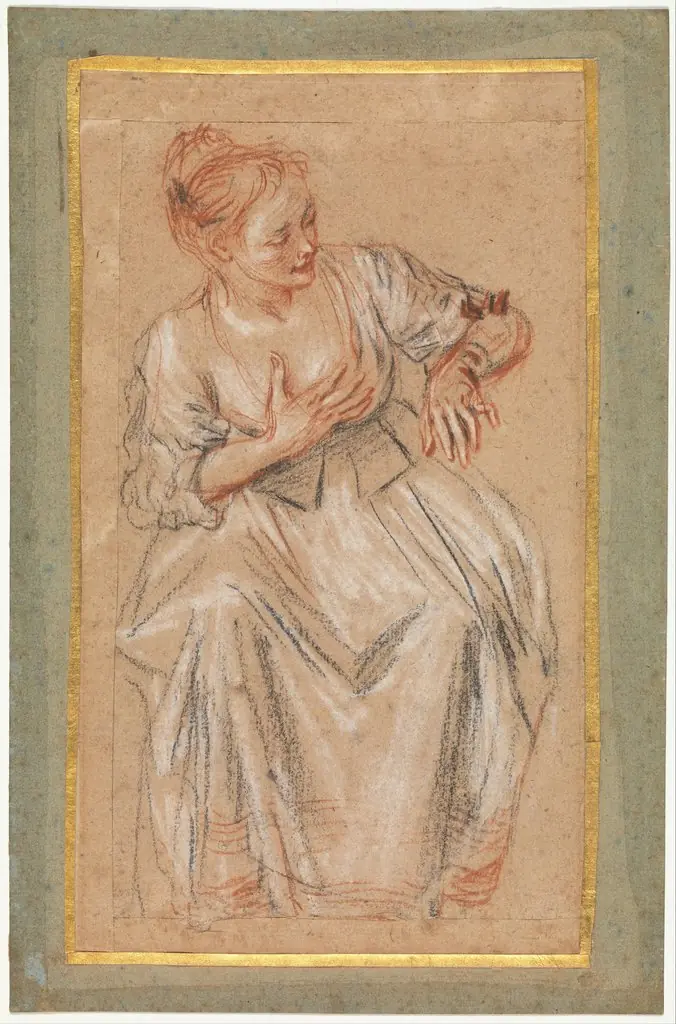
The drawing features three rapid sketches of a woman's head, each turned at a slight angle with loose, curly hair and softly shaded facial features, alongside a study of hands viewed from below with curled fingers, conveying a sense of relaxation.
Technique & Style
Characterized by visible rough lines and smudges, the work reflects a quick, spontaneous execution, typical of preparatory sketches rather than a finished piece, with the warm, light brown paper tone complementing the muted color palette.
History & Provenance
Created in 1718, this drawing is an example of Watteau's preliminary work, likely intended as notes or practice for a larger, more finished composition.
Context
This drawing can be contextualized within the broader artistic movements of the early 18th century, preceding the full development of the Rococo style, with roots in Baroque traditions.
Legacy
While not a standalone finished work, this drawing contributes to the understanding of Watteau's creative process and the evolution of artistic techniques in the transition from Baroque to Rococo periods.
Artist & collection
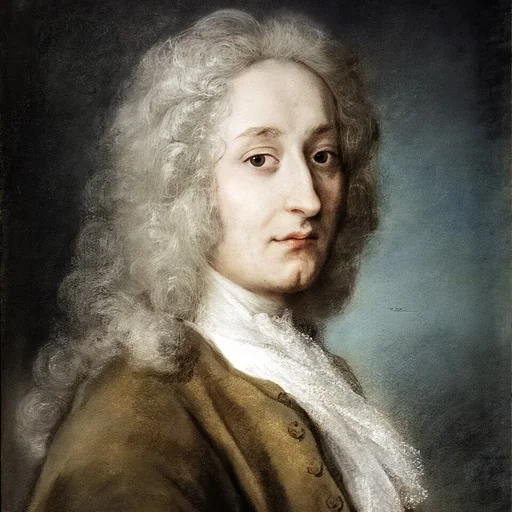
Artist
Jean-Antoine Watteau was a French painter and draughtsman whose brief career spurred the revival of interest in colour and movement, as seen in the tradition of Correggio and Rubens.

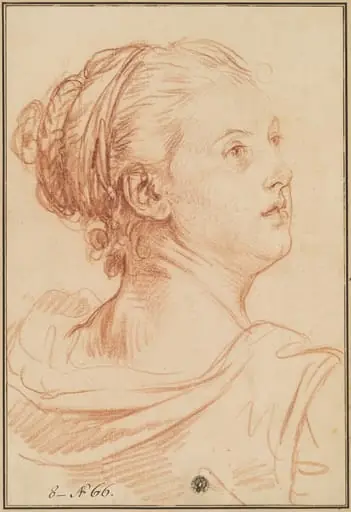 Head of a Woman Looking Back Over Her Shoulder
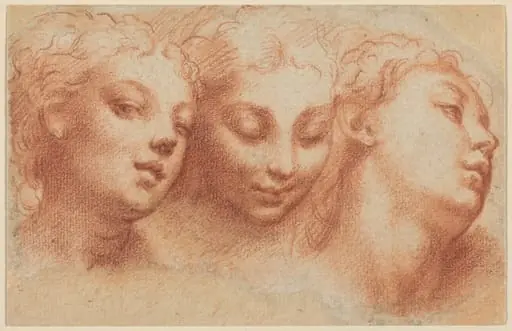 Three Feminine Heads
![Two Young Women Seated on the Ground [recto], by Charles de La Fosse](https://artifactworldgallery.com/img/charles-de-la-fosse--two-young-women-seated-on-the-ground-recto--8bfe3b5a1028c9ea-w320.webp) Two Young Women Seated on the Ground [recto]
Two Young Women Seated on the Ground [recto]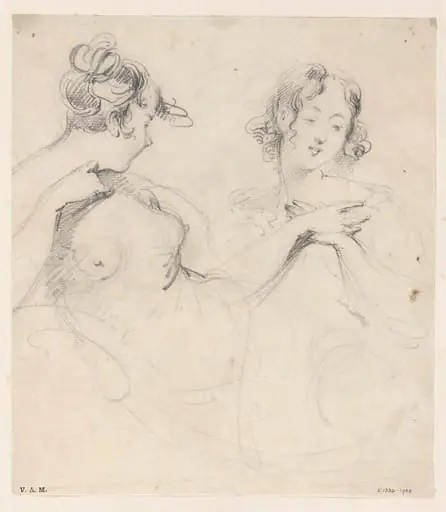 Two drawings of a Western woman
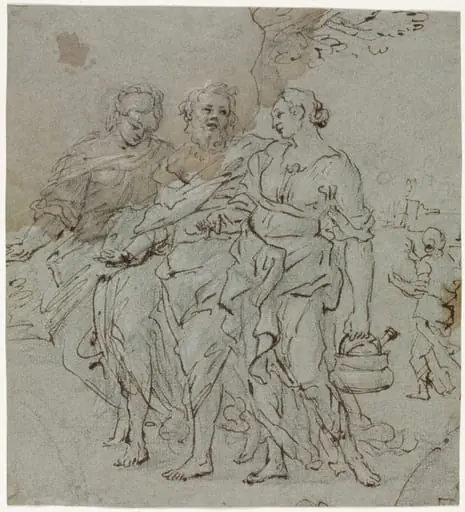 Lot and His Daughters (recto)
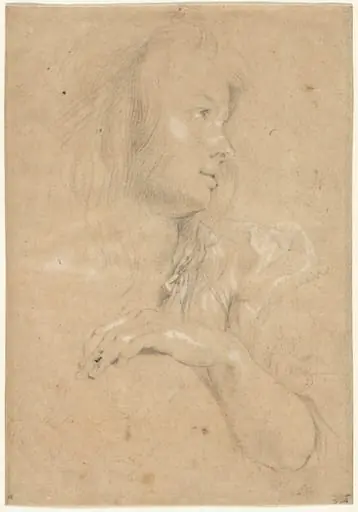 Young Woman in Profile
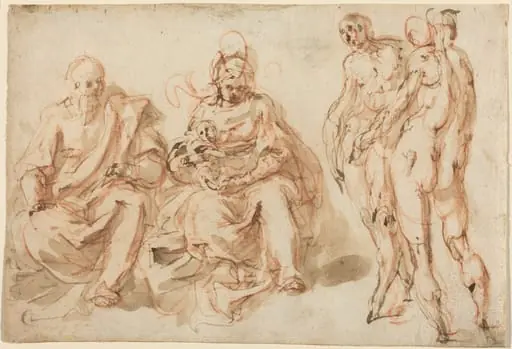 The Adoration of the Shepherds
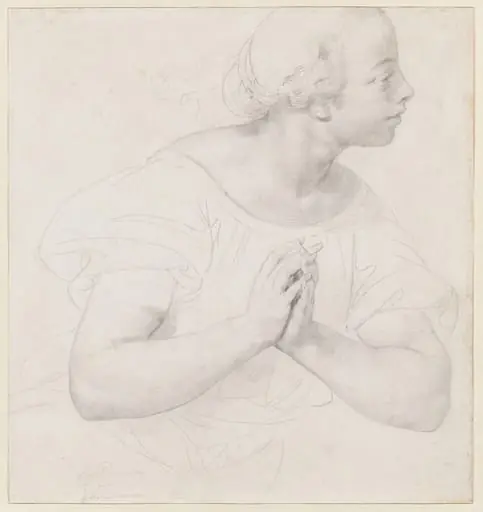 Study of an Angel
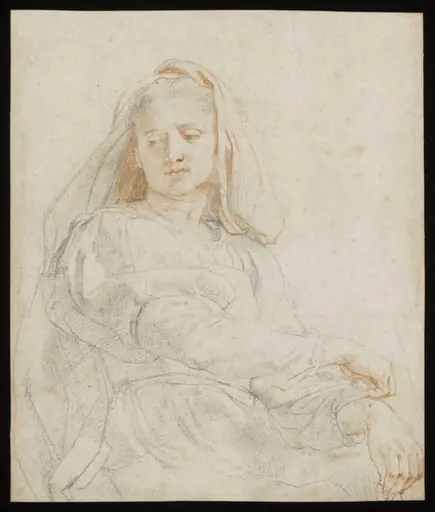 Study of a seated woman (The Virgin)
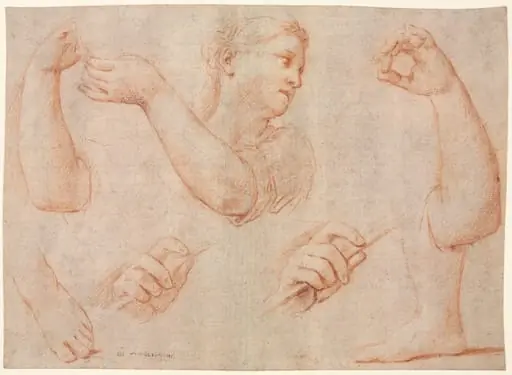 Study of a Young Woman Playing a Tambourine, and Studies of an Arm, Hands, and Feet (Studies for "Miriam Leading the Chorus of Women Who Give Thanks for the Routing of Pharoah"
![Studies for an Annunciation [recto], by Jacopo Palma il Giovane](https://artifactworldgallery.com/img/jacopo-palma-il-giovane--studies-for-an-annunciation-recto--a15d0411b7678b1e-w320.webp) Studies for an Annunciation [recto]
Studies for an Annunciation [recto]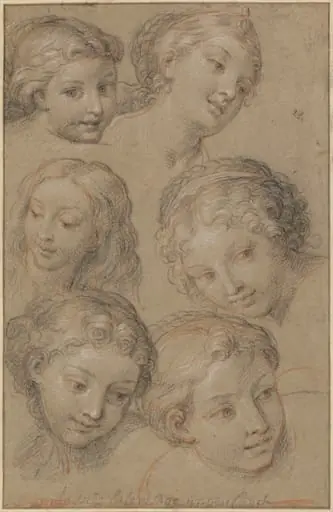 Studies of Women's Heads