Artwork
The Prodigal Son
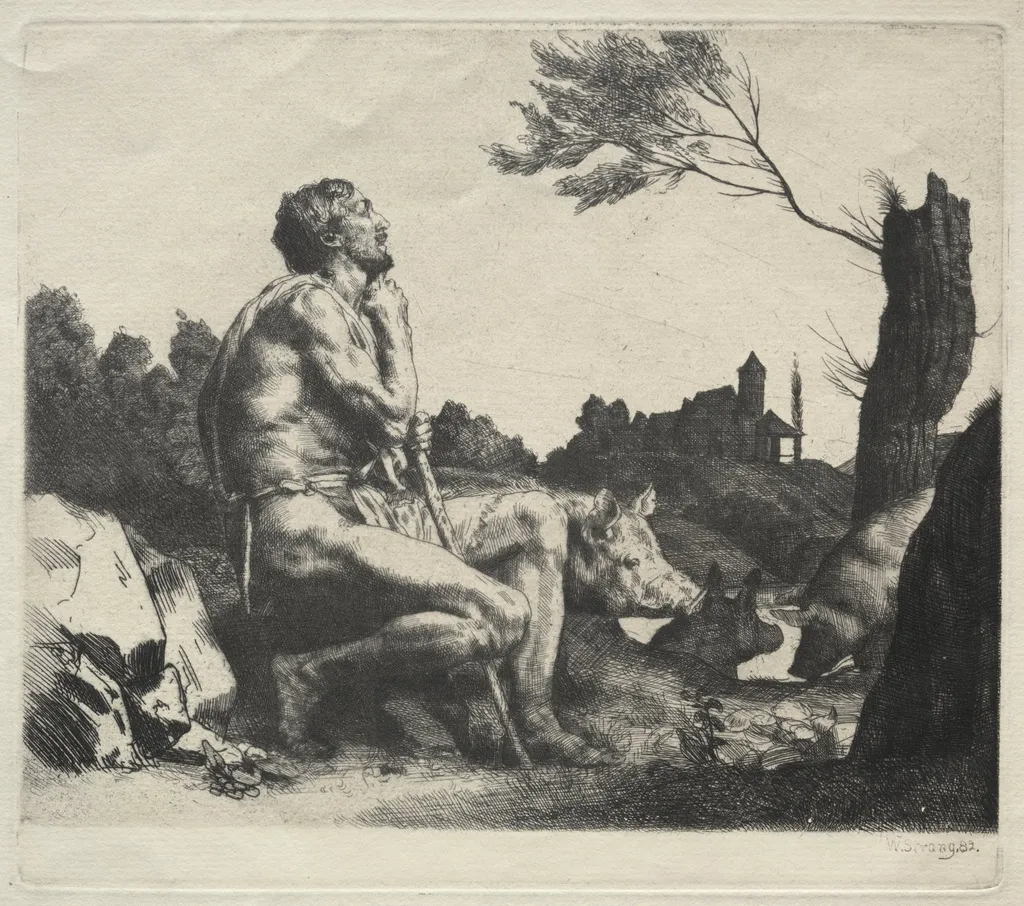
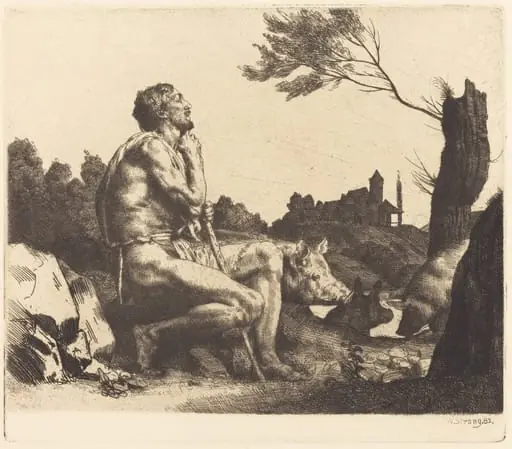
The Prodigal Son is a print by the Impressionist artist William Strang. It dates from 1882 and is held in the collection of the Cleveland Museum of Art.
About this work
Overview
Created in 1882 by William Strang, this black-and-white print depicts a moment of quiet reflection from the biblical parable of the Prodigal Son. Executed in ink and wash, the work is part of the collection at The Cleveland Museum of Art. Its restrained palette and loose linework emphasize emotional gravity over narrative detail, focusing on the figure’s solitude amid a sparse landscape.
Subject & Meaning
The figure, gaunt and weary, sits alone on a hillside, his posture suggesting exhaustion and introspection. The presence of a grazing cow and a distant village with a church steeple implies a return to familiar surroundings after hardship. Strang captures the moment of realization rather than the act of repentance, inviting contemplation of loss, humility, and the quiet return to home.
Technique & Style
This approach reflects the influence of etching traditions and the 19th-century revival of graphic art as a medium for serious expression.
Strang employed ink wash and fine linear shading to model form without color, relying on tonal contrast to suggest volume and texture. The sketchy, fluid lines of the background contrast with the more defined contours of the figure, enhancing his psychological presence. This approach reflects the influence of etching traditions and the 19th-century revival of graphic art as a medium for serious expression.
History & Provenance
The print was produced during Strang’s early career, a period when he was deeply engaged with narrative illustration and biblical themes. It entered The Cleveland Museum of Art’s collection in the 20th century, likely through acquisition from a private donor or print dealer. Its preservation reflects growing institutional interest in British graphic art of the late 1800s.
Context
Strang worked amid a revival of interest in printmaking as fine art, influenced by Japanese woodcuts and the Pre-Raphaelite emphasis on moral storytelling. While many contemporaries favored detailed realism, Strang opted for atmospheric economy, aligning his work with the broader European trend toward expressive simplicity in graphic media during the 1880s.
Legacy
Though less widely known than his later portraits, this print exemplifies Strang’s ability to convey emotional depth through minimal means. It remains a significant example of how 19th-century British artists redefined printmaking as a vehicle for psychological and spiritual narrative, influencing later generations of illustrators and graphic artists.
Artist & collection

Artist
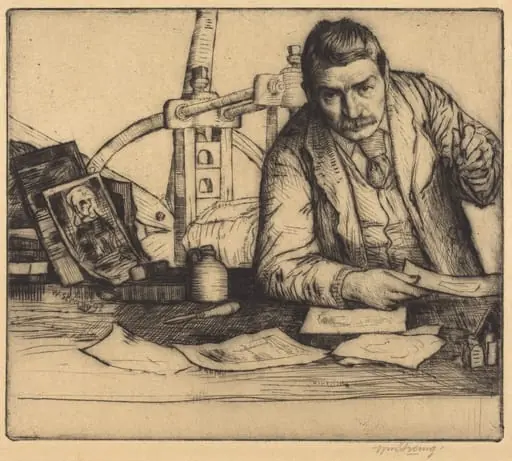
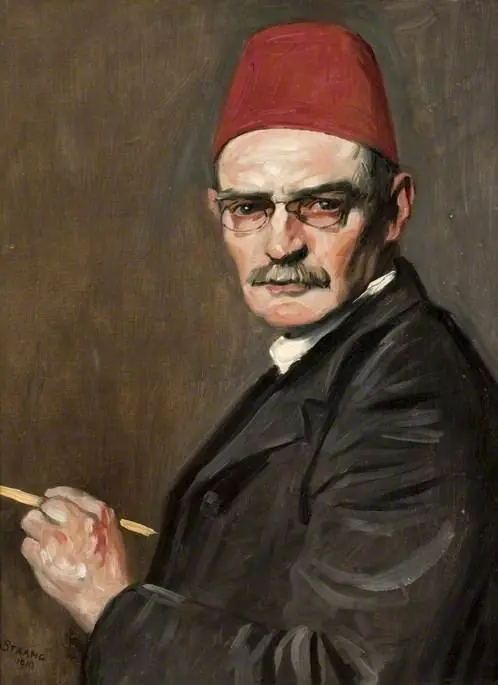
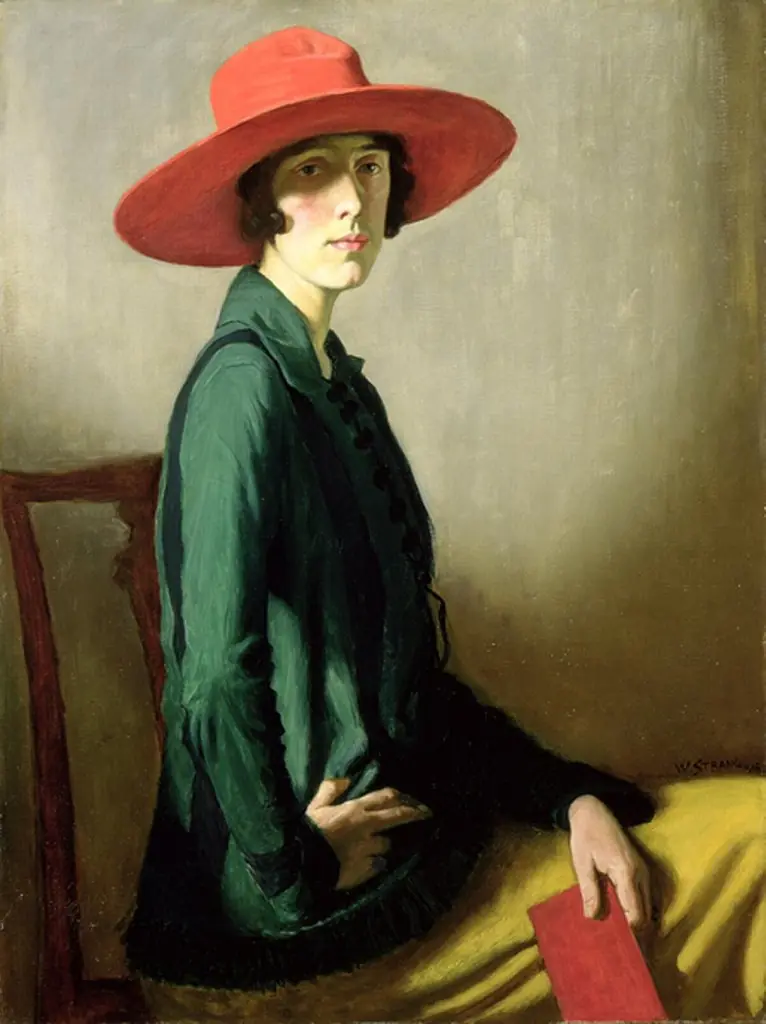
William Strang (13 February 1859 – 12 April 1921) was a Scottish painter and printmaker, notable for illustrating the works of Bunyan, Cervantes, Coleridge, Kipling, and others.

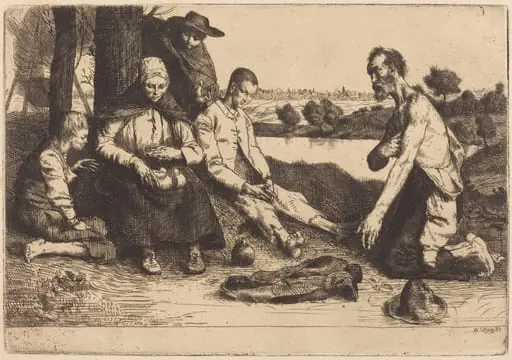
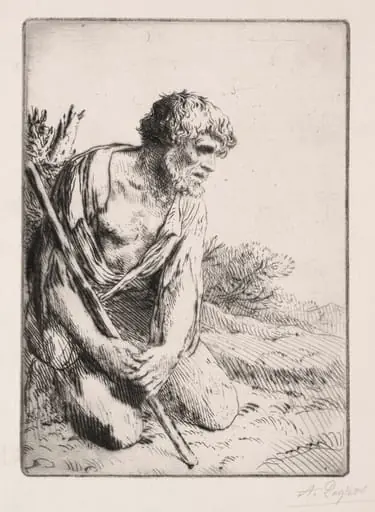 The Prodigal Son (3rd Plate)
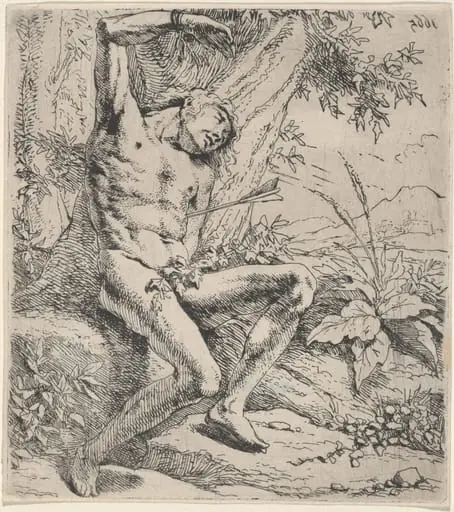 Saint Sebastian
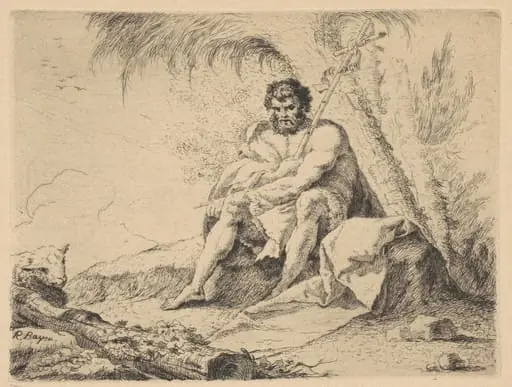 John the Baptist and the Lamb
 La Mort et le Bûcheron (5th Plate)
 Mercury Killing Argus
 The Good Samaritan (Le bon samaritain)
 A Roadside in Spain
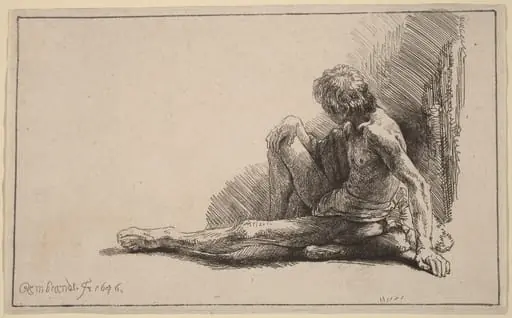 Nude Man Seated on the Ground with One Leg Extended
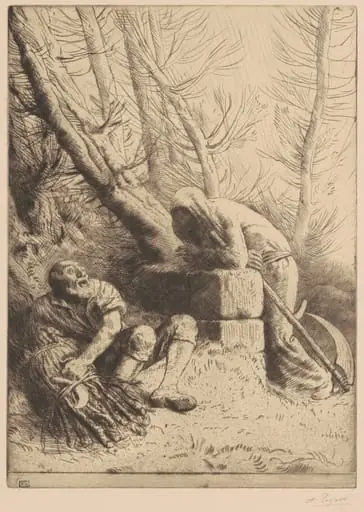 Death and the Woodcutter, 4th plate (La Mort et le bûcheron)
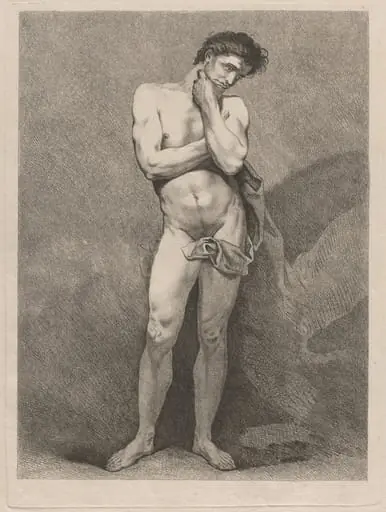 Standing Man in Pensive Pose