Artwork
A Roadside in Spain
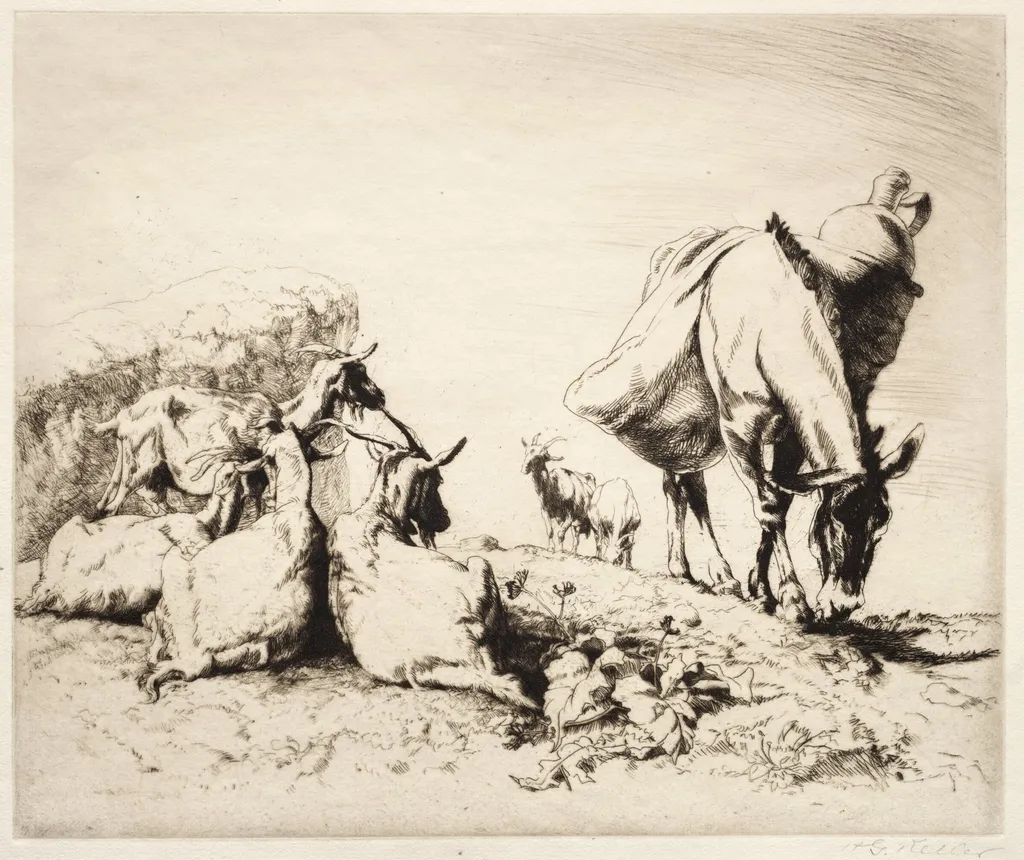
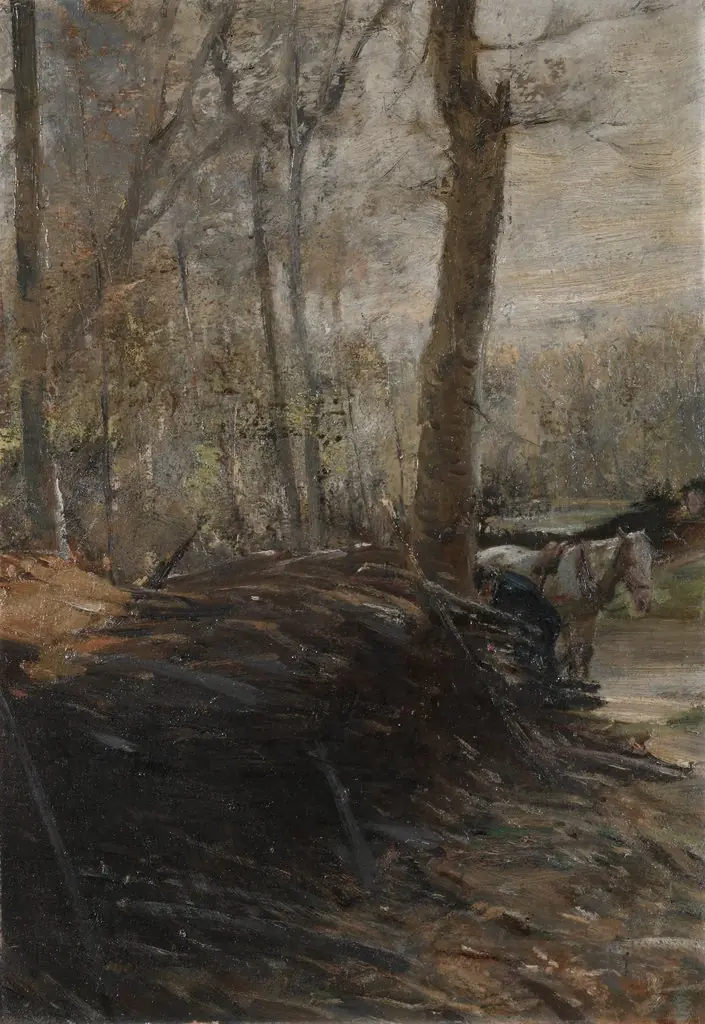
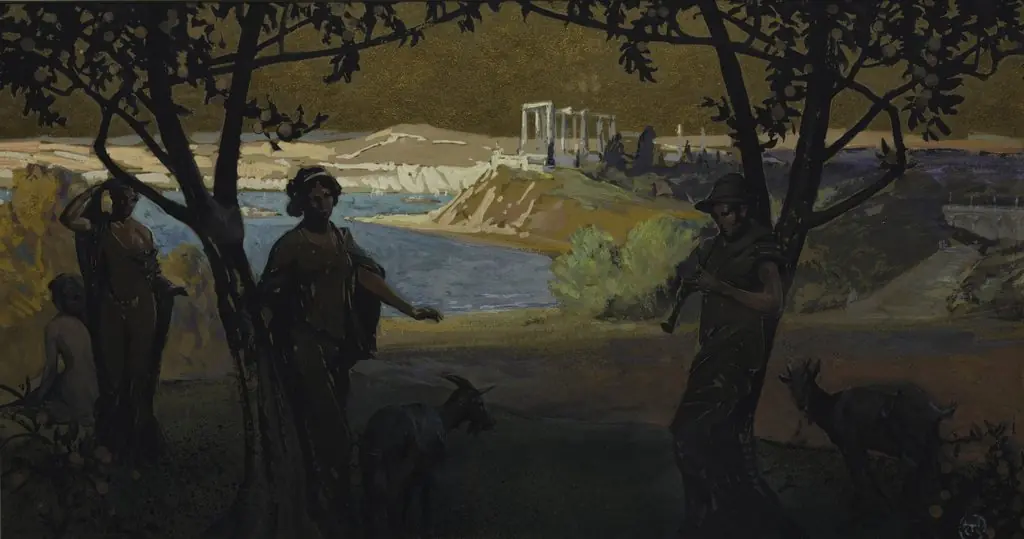
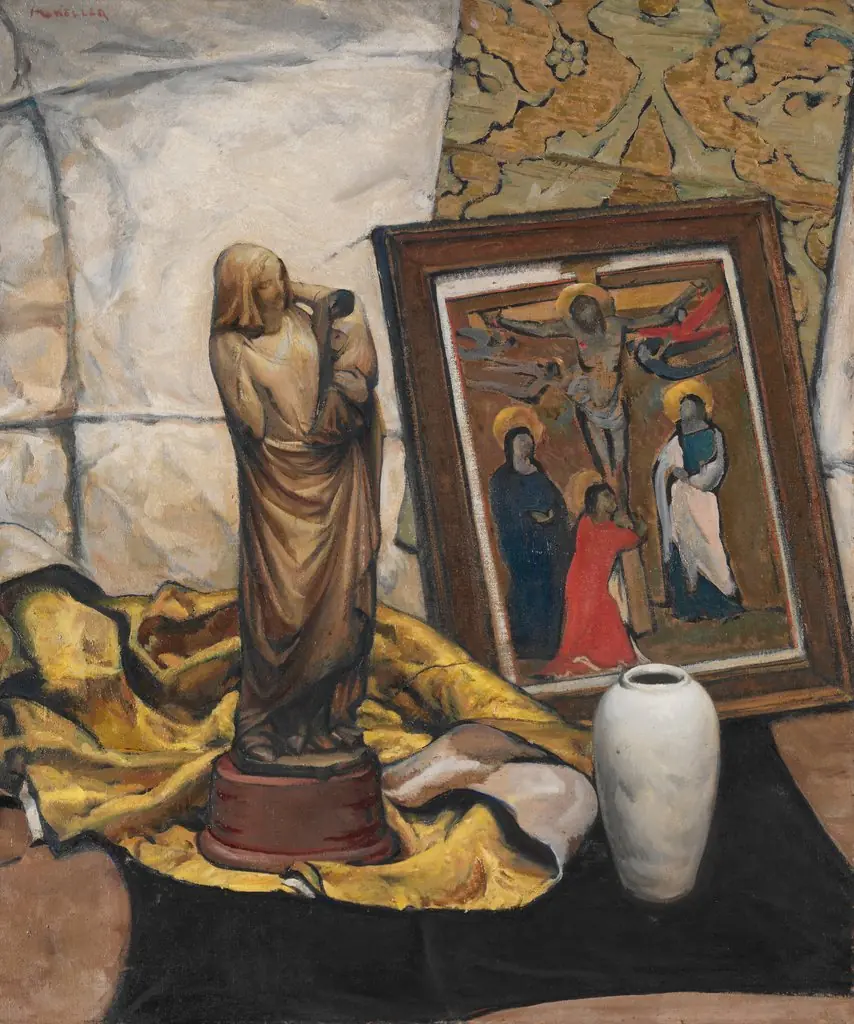
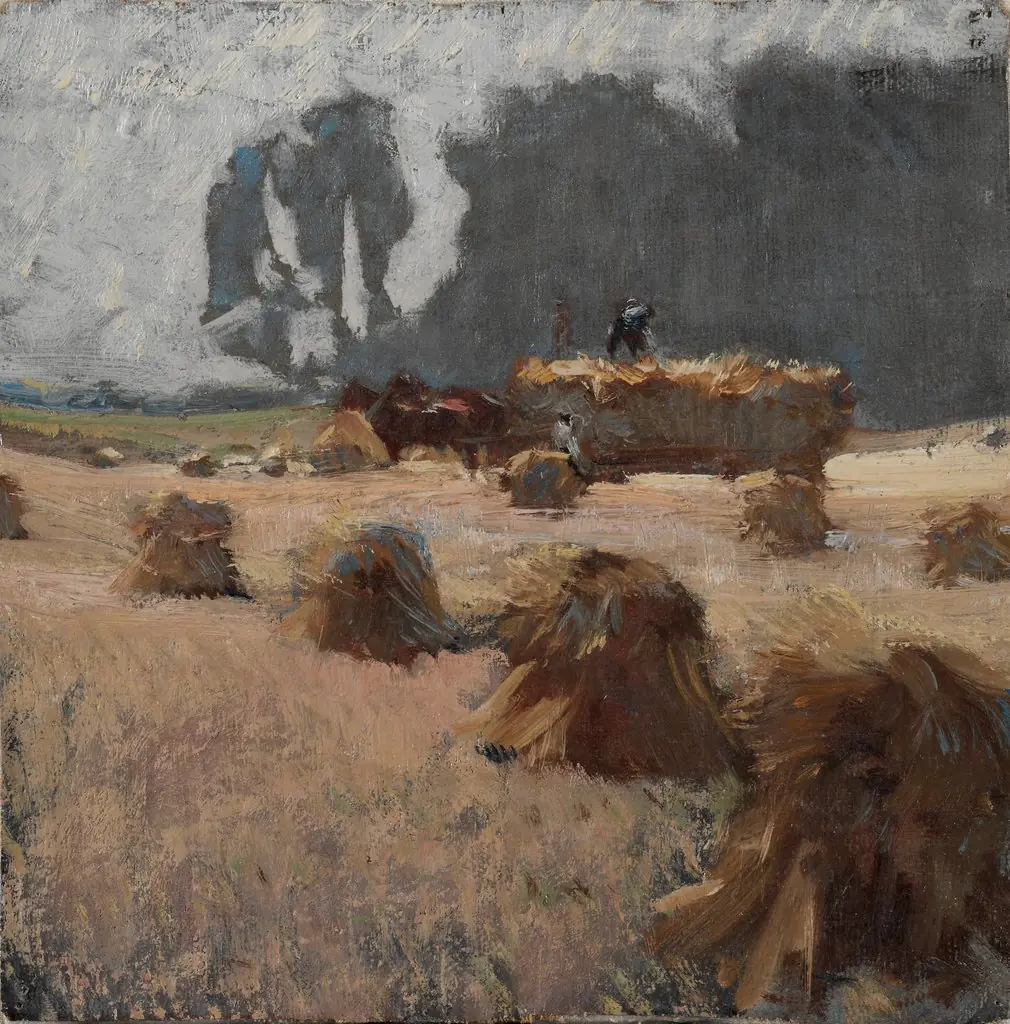
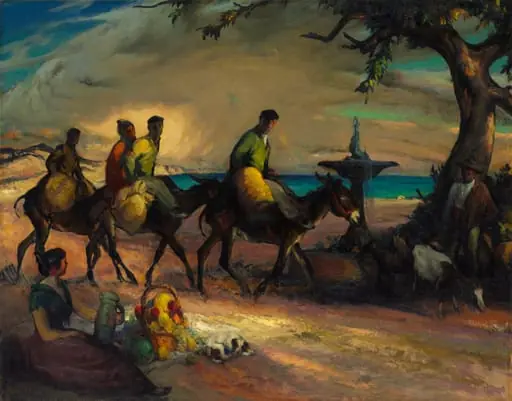
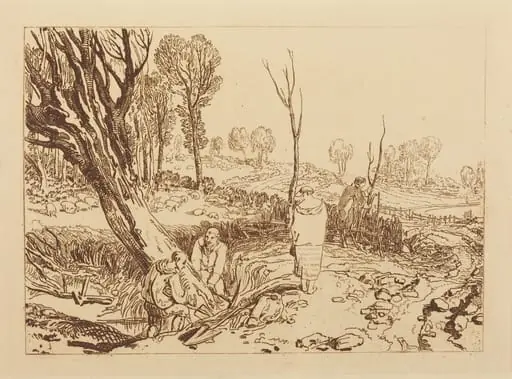
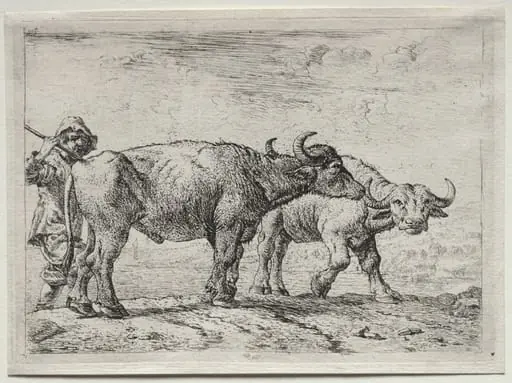
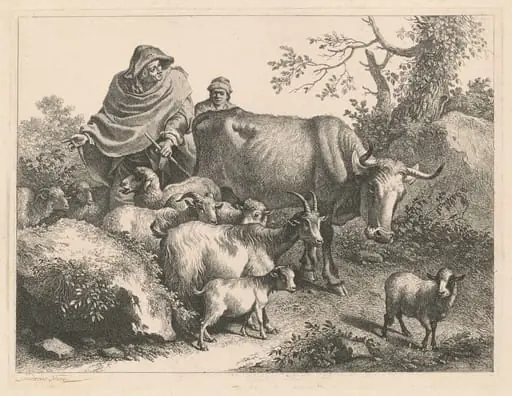
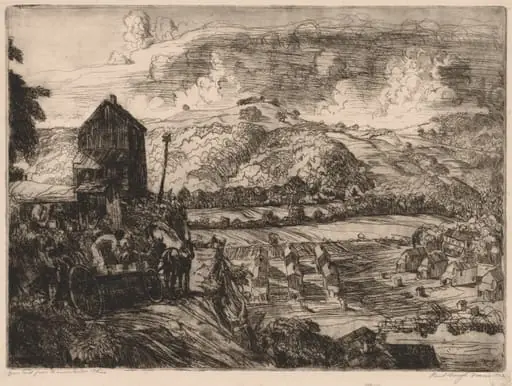
A Roadside in Spain is a print by Henry Keller. It dates from 1926 and is held in the collection of the Cleveland Museum of Art.
About this work
Overview
The piece reflects his interest in everyday rural scenes and his skill in translating fleeting observations into delicate, spontaneous compositions.
Created in 1926 by Henry Keller, an American artist born in Germany, this watercolor captures a quiet moment along a Spanish roadside. Keller, a central figure in the Cleveland School of watercolorists, produced this work during a period of travel and study in Europe. The piece reflects his interest in everyday rural scenes and his skill in translating fleeting observations into delicate, spontaneous compositions.
Subject & Meaning
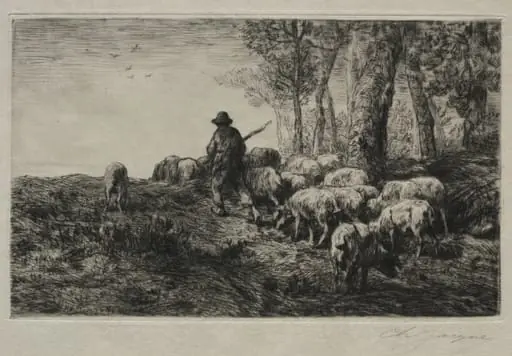
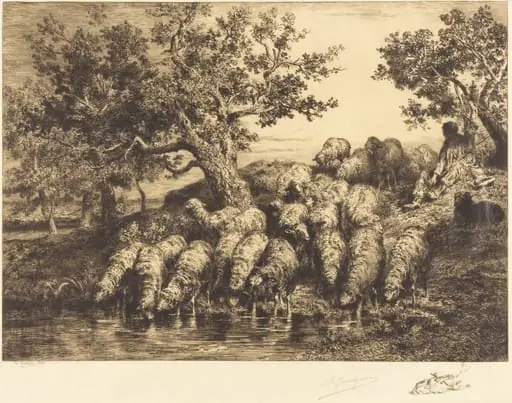
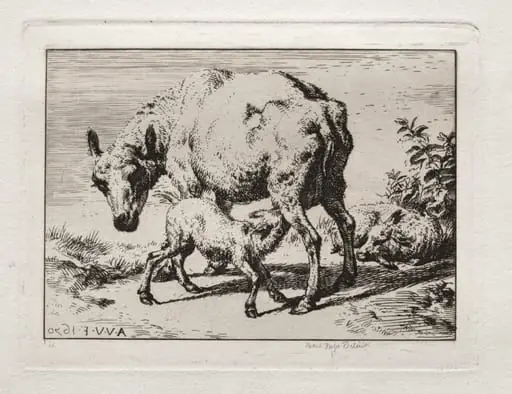
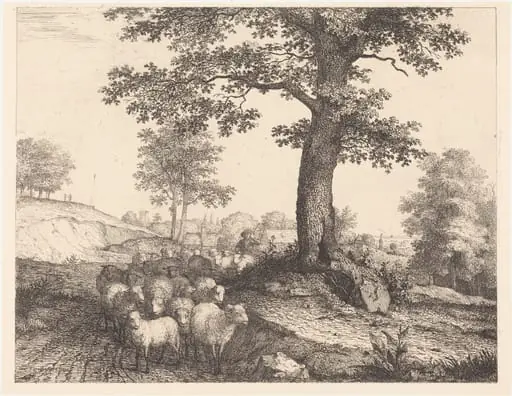
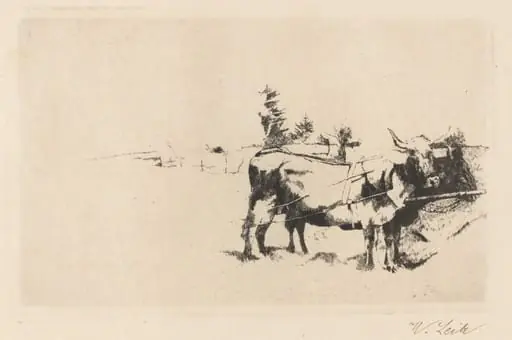
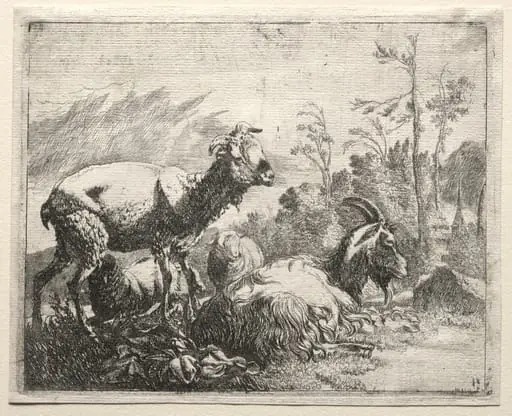
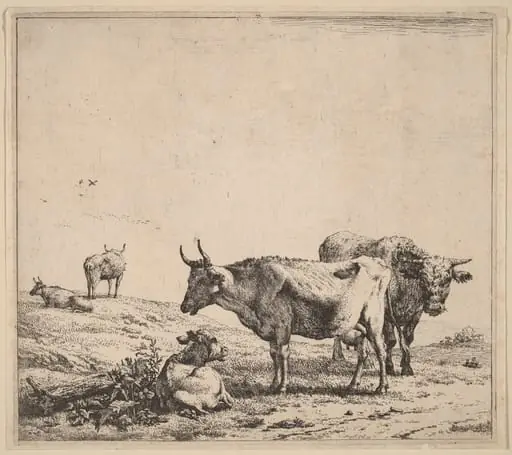
The scene depicts a small herd of goats and sheep resting beneath a tree beside a dusty path. One goat bears a heavy sack slung across its back, suggesting it has been used for transport. The animals are shown in natural, unposed postures—some grazing, others lying still—conveying a sense of quiet labor and respite. The image avoids idealization, instead honoring the quiet rhythm of rural life.
Technique & Style
Keller employed loose, rapid brushwork to suggest texture and movement: the animals’ wool, the dry grass, and the cracked earth are rendered with minimal but precise strokes. Washes of pale color establish light and shadow without heavy detail. The sketchlike quality conveys immediacy, as if the scene was observed and recorded in a single sitting, emphasizing the artist’s focus on transient effects over polished finish.
History & Provenance
Keller, who taught for decades at the Cleveland School of Art and led summer programs in Ohio, traveled extensively in Europe during the early 20th century. This work likely originated from one of those trips. While its exact provenance prior to museum acquisition is not documented, it aligns with his broader body of travel sketches, which were often used as studies for larger works or preserved as personal records of place.
Context
In the 1920s, American artists increasingly looked beyond national borders for subject matter, drawn to European landscapes and vernacular life. Keller’s work fits within this trend, reflecting a broader interest in realism and the everyday. Unlike grand historical or romanticized views, his focus on humble animals and unremarkable terrain reveals a quiet, observational approach rooted in the watercolor tradition of direct from-life study.
Legacy
Keller’s influence extended through his teaching, shaping a generation of Ohio-based watercolorists including Charles Burchfield and Paul Travis. While *A Roadside in Spain* is not among his most widely exhibited works, it exemplifies his commitment to capturing transient moments with sensitivity and restraint. His sketches remain valued for their honesty and technical clarity within the history of American watercolor.
Artist & collection
Artist
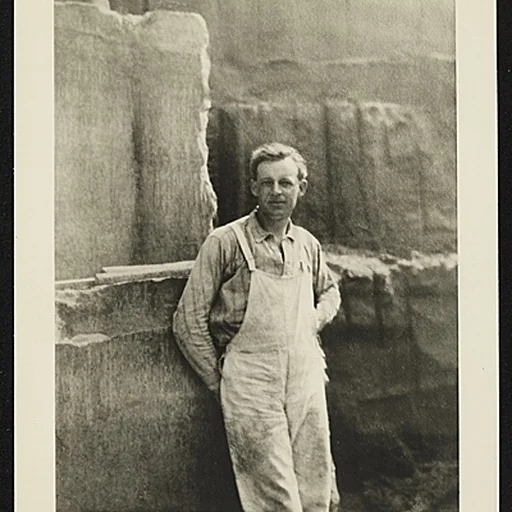
Henry George Keller (April 3, 1869 – August 3, 1949) was an American artist who led a generation of Ohio watercolor painters of the Cleveland School.