Artwork
Herodias: Page 53, The head entered and mannaeus held it by the hair, at arm's length, proud from the applause
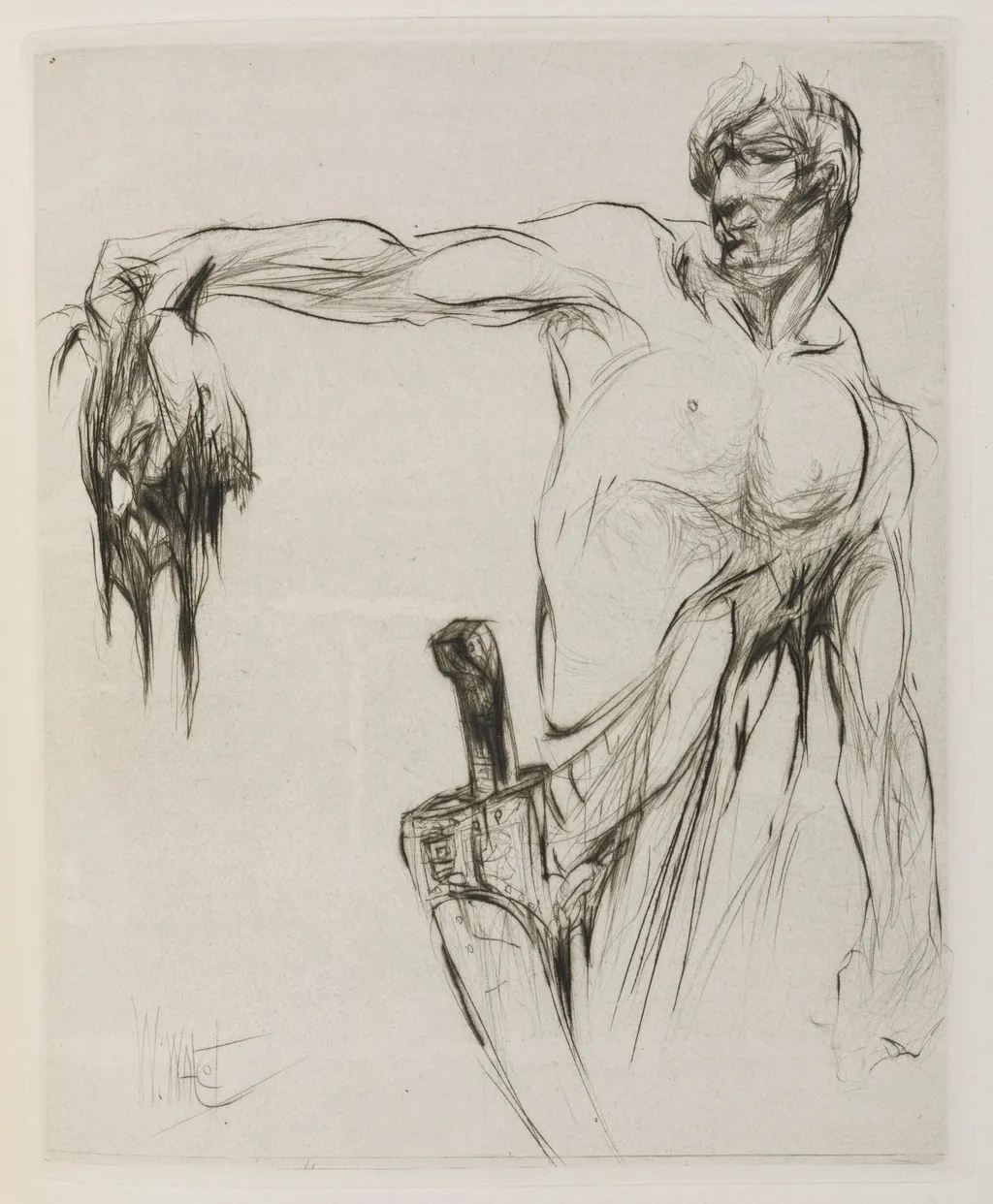
Herodias: Page 53, The head entered and mannaeus held it by the hair, at arm's length, proud from the applause is a print by William Walcot. It dates from 1928 and is held in the collection of the Cleveland Museum of Art.
About this work
You see a man holding a head by the hair, with people in the background.
This painting tells a story from the Bible, and it's interesting because it shows a dramatic moment. The way the characters are arranged and the emotions on their faces make it feel intense.
Check out the work of artist William Walcot (British, 1874–1943) for more like this.
Overview
Created in 1928 by British artist William Walcot, this print depicts a moment from the biblical story of John the Baptist’s execution. Rendered in a detailed, illustrative style, it captures the moment the severed head is presented to Herodias. The work is part of a series illustrating biblical scenes and is held in the collection of The Cleveland Museum of Art.
Subject & Meaning
The scene illustrates the presentation of John the Baptist’s head to Herodias, following her daughter’s demand at a banquet. The figure holding the head, identified as Mannaeus, displays a posture of grim pride, while onlookers react with approval. The image emphasizes the moral gravity of the moment, framing violence as a spectacle sanctioned by power and social approval.
Technique & Style
The composition directs attention to the central figure and the severed head, with background figures rendered in lighter, looser strokes to suggest a crowd.
Walcot employed fine-line etching and drypoint to achieve sharp contrasts and intricate detail. The composition directs attention to the central figure and the severed head, with background figures rendered in lighter, looser strokes to suggest a crowd. The stylized drapery and angular poses reflect early 20th-century revival of narrative illustration traditions, blending classical form with modern graphic clarity.
History & Provenance
The print was produced as part of a limited series illustrating biblical narratives, likely intended for private collectors or institutional libraries. It entered The Cleveland Museum of Art’s collection in the mid-20th century, where it remains as an example of Walcot’s work in printmaking. No significant provenance gaps are documented in public records.
Context
Walcot worked during a period when illustrative printmaking retained cultural relevance despite the rise of photography. His biblical subjects aligned with a broader interest in religious storytelling among British artists and publishers. The emphasis on dramatic gesture and emotional intensity reflects a continuation of 19th-century academic illustration, adapted for a modern audience.
Legacy
Though not widely exhibited today, Walcot’s biblical prints, including this one, represent a transitional phase in British graphic arts—bridging traditional illustration and modernist minimalism. His precise technique influenced later illustrators working in religious and historical themes, preserving narrative clarity in an era increasingly drawn to abstraction.
Own this work as a print
Artist & collection

Artist
William Walcot RE was a Russian-Scottish architect, graphic artist and etcher, notable as a architect of refined Art Nouveau in Moscow, Russia.

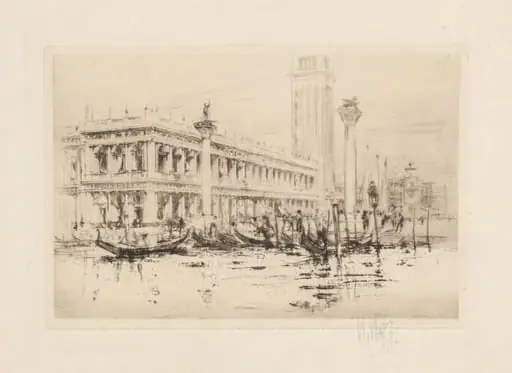 The Venice Set: The Library of St. Mark’s
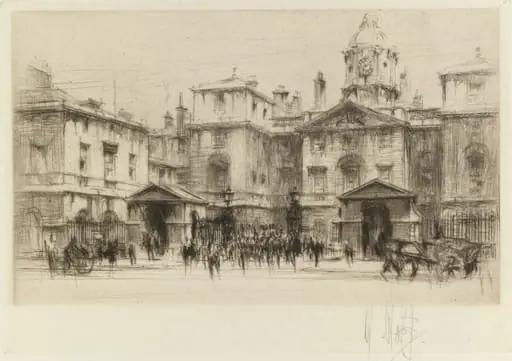 London Set: Horseguards
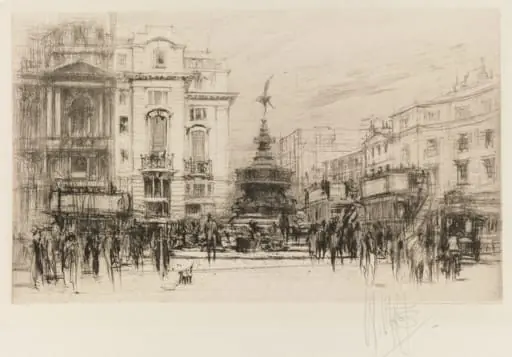 London Set: Piccadilly Circus (with Criterion Theatre)
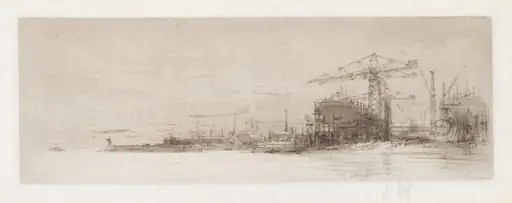 The Clyde from the series The Arteries of Great Britain
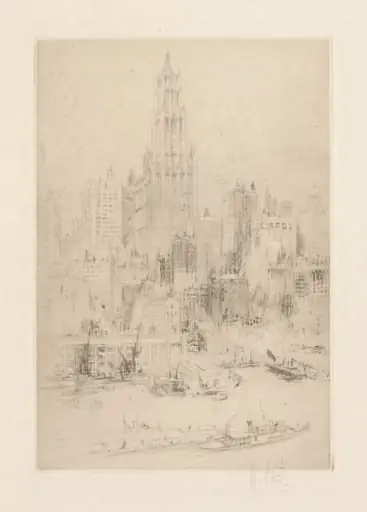 Downtown Manhattan from the East River, with the Woolworth Building
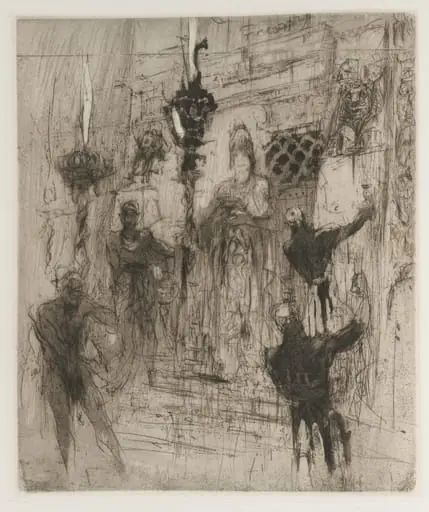 Herodias
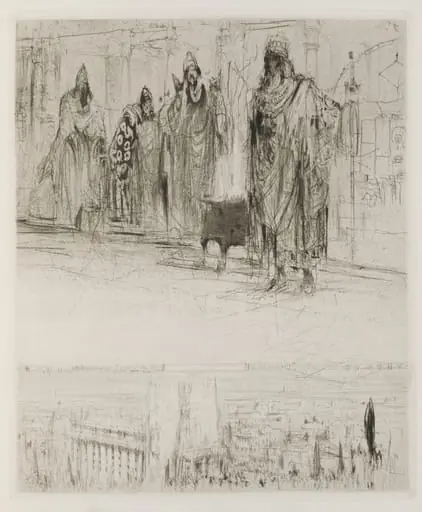 Herodias: Page 13, The tetrarch was awaited by several Galileans, the master of scribes, the chief of the land steward, the manager of the salt mines, and a Jew from Babylon commanding his troops on horse
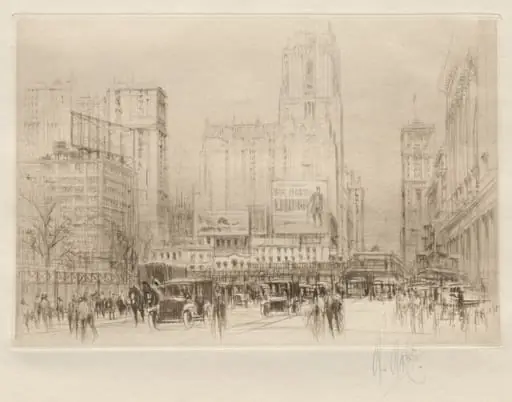 Forty-second Street NY
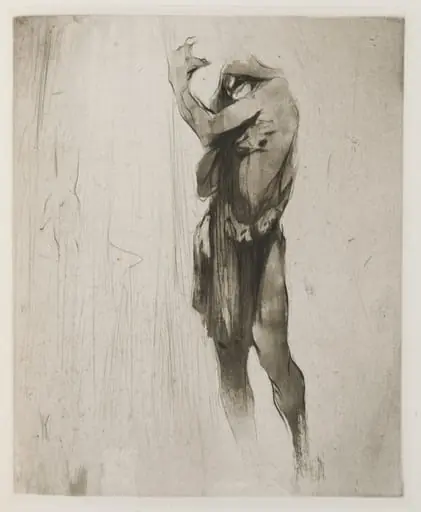 Herodias: Page 27, The voice rose: Woe to thee, Pharisees and Sadducees, race of vipers, bursting with pride!
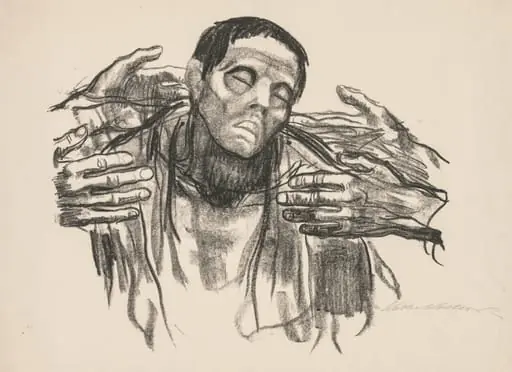 Help Russia
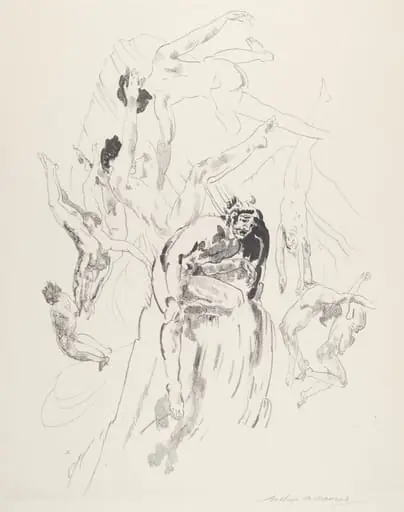 Bird Men
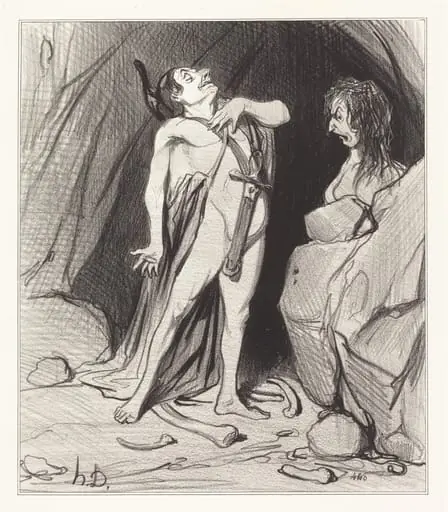 Oedipe chez le Sphinx
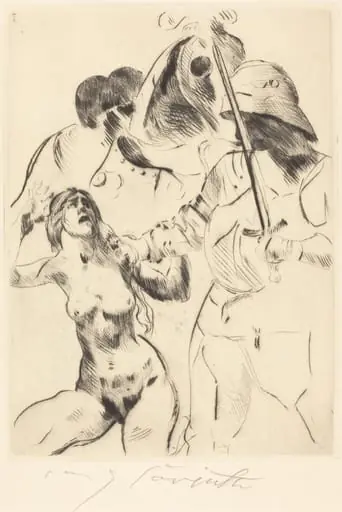 Frauenraub III (Abduction III)
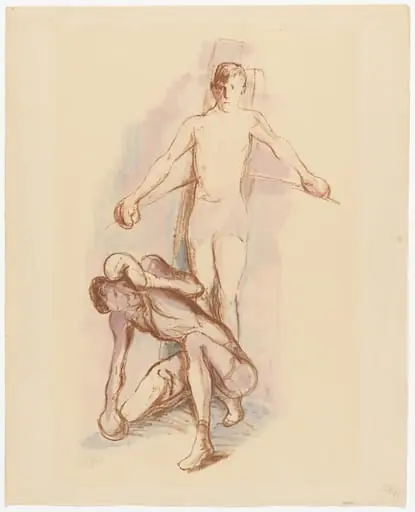 Untitled
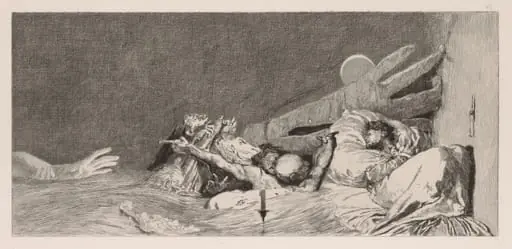 A Glove: Anxieties
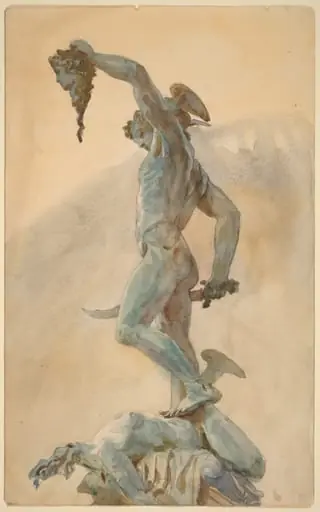 Sketch of Cellini's "Perseus"
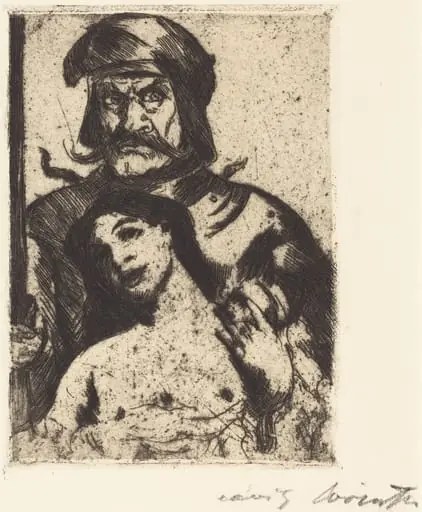 Der Ritter (The Knight)
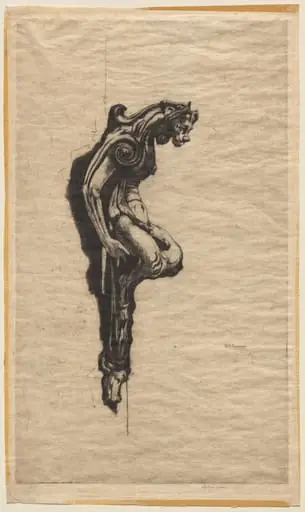 The Little Devil of Florence
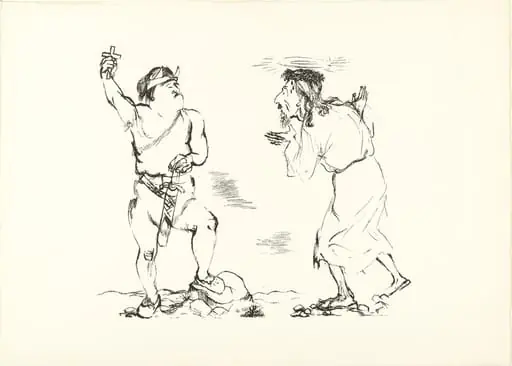 Untitled
 Kreuzigung, nach dem Altarbild in Tölz (Crucifixion, after the Altarpiece at Tölz)