Artwork
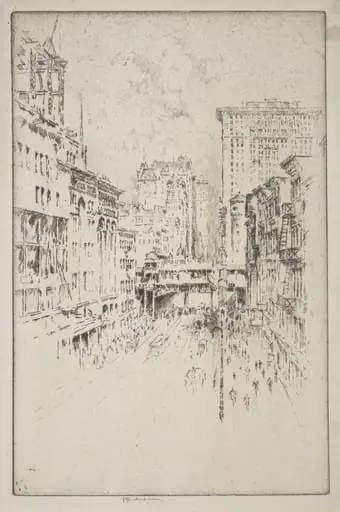
New York City: Battery Place
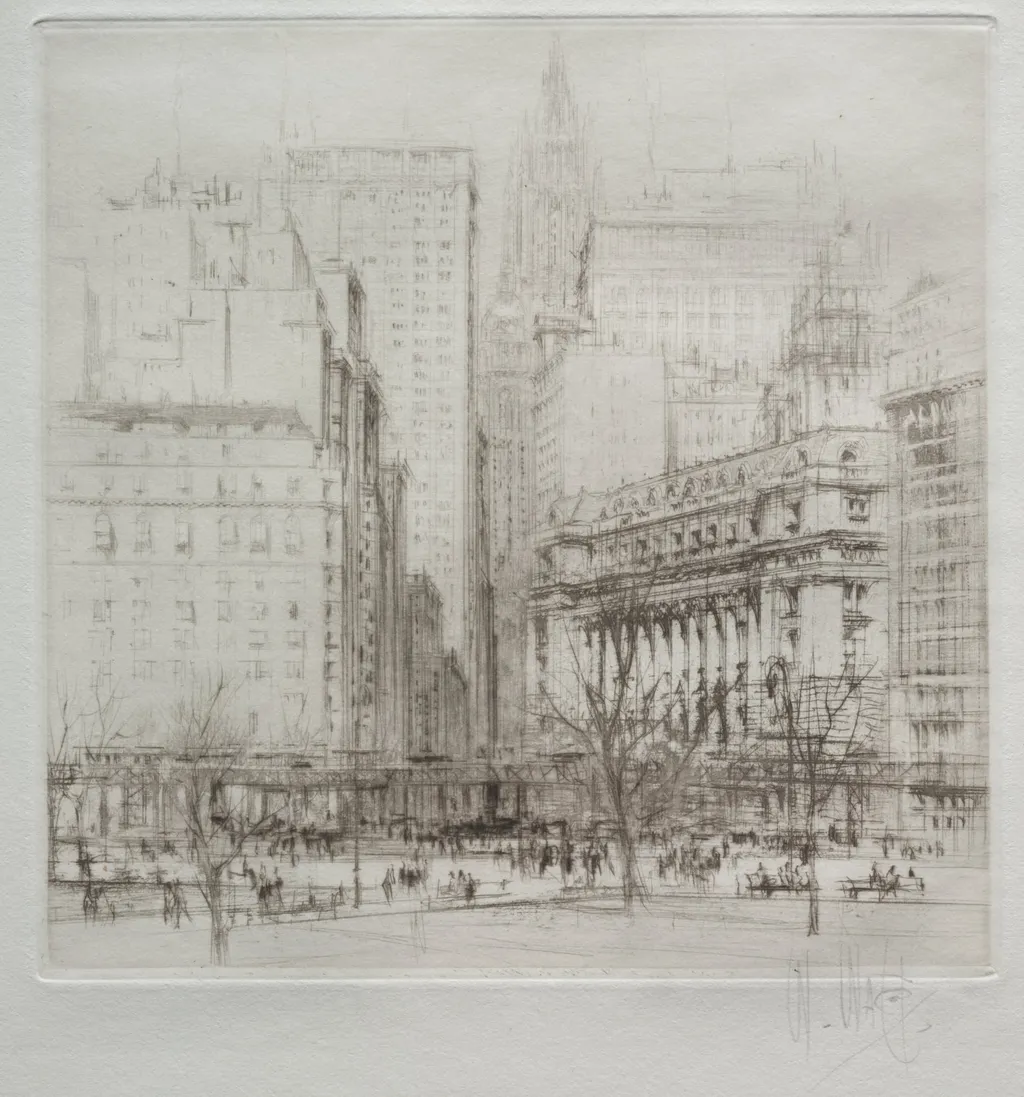
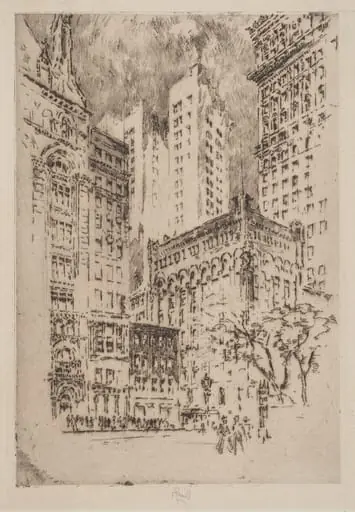
New York City: Battery Place is a print by William Walcot. It dates from 1923 and is held in the collection of the Cleveland Museum of Art.
About this work
Overview
Created in 1923 by William Walcot, this ink sketch captures a view of Battery Place in Manhattan. Executed in a spontaneous, gestural manner, the work conveys the energy of an urban moment rather than a refined architectural study. It is part of the collection at The Cleveland Museum of Art, where it is held as an example of early 20th-century urban observation through drawing.
Subject & Meaning
The scene juxtaposes late 19th-century masonry structures with emerging steel-frame skyscrapers, reflecting New York’s rapid architectural transformation.
The scene juxtaposes late 19th-century masonry structures with emerging steel-frame skyscrapers, reflecting New York’s rapid architectural transformation. Figures and trees in the foreground are rendered with minimal strokes, grounding the composition in human scale, while the towering buildings dominate the background, suggesting the city’s vertical expansion and shifting identity during the 1920s.
Technique & Style
Walcot employed loose, rapid ink lines to suggest form without detail, favoring movement over precision. Windows and cornices are hinted at with quick marks, while larger masses of buildings are defined by broad, confident strokes. The sketch’s unfinished quality emphasizes immediacy, as if drawn on the spot, capturing the transient character of the urban landscape rather than its permanence.
History & Provenance
The work was produced during Walcot’s time in New York, when he documented the city’s evolving skyline. It entered The Cleveland Museum of Art’s collection through a donation or acquisition in the mid-20th century, though specific provenance details prior to that are not widely documented. Its preservation reflects institutional interest in early modern urban sketches as cultural records.
Context
In the early 1920s, New York was undergoing intense construction, with new skyscrapers rising alongside older commercial buildings. Walcot’s sketch aligns with a broader artistic interest in capturing modernity through direct observation. Unlike formal architectural renderings, this work reflects a personal, fleeting encounter with the city’s changing fabric.
Legacy
Walcot’s sketch contributes to a genre of urban drawings that prioritize perception over polish. It stands as a quiet testament to the pace of change in American cities during the interwar period. While not widely exhibited, it remains a valuable example of how artists responded to modernization through direct, unembellished observation.
Own this work as a print
Artist & collection

Artist
William Walcot RE was a Russian-Scottish architect, graphic artist and etcher, notable as a architect of refined Art Nouveau in Moscow, Russia.

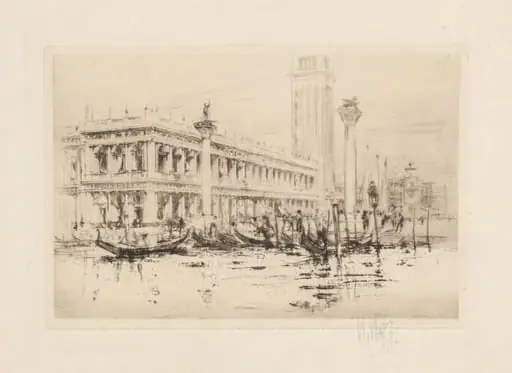 The Venice Set: The Library of St. Mark’s
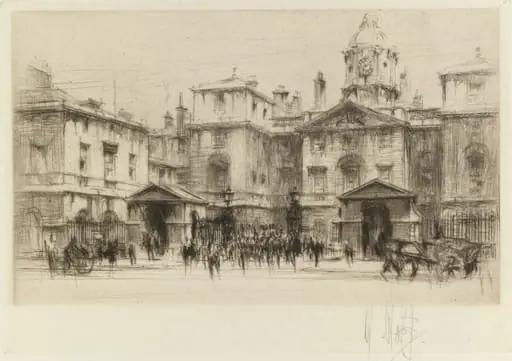 London Set: Horseguards
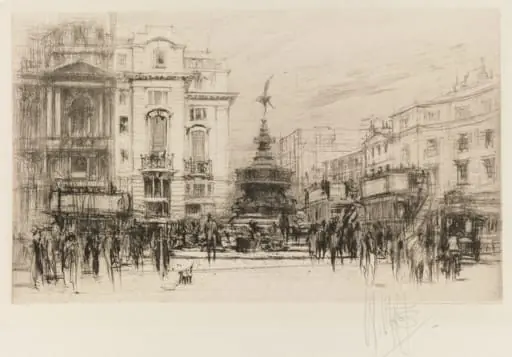 London Set: Piccadilly Circus (with Criterion Theatre)
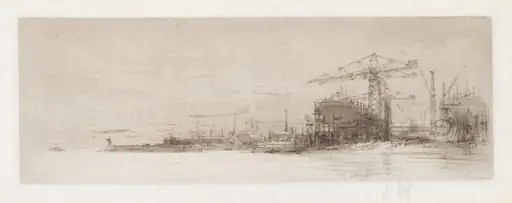 The Clyde from the series The Arteries of Great Britain
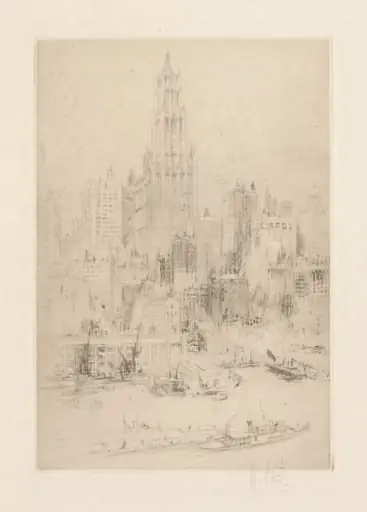 Downtown Manhattan from the East River, with the Woolworth Building
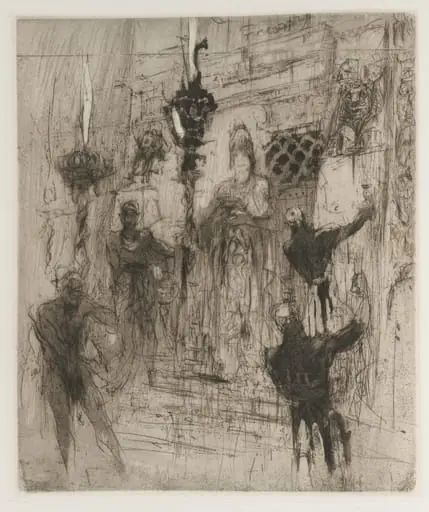 Herodias
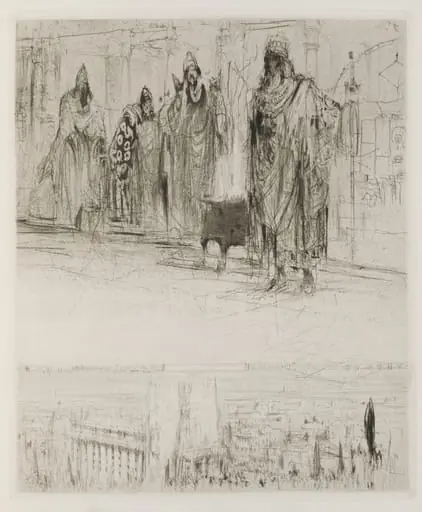 Herodias: Page 13, The tetrarch was awaited by several Galileans, the master of scribes, the chief of the land steward, the manager of the salt mines, and a Jew from Babylon commanding his troops on horse
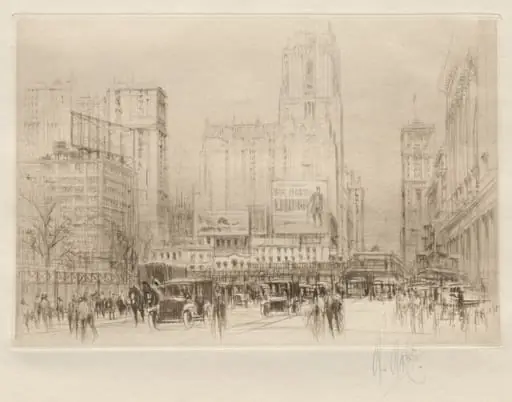 Forty-second Street NY