Artwork
Quai des Grands Augustins
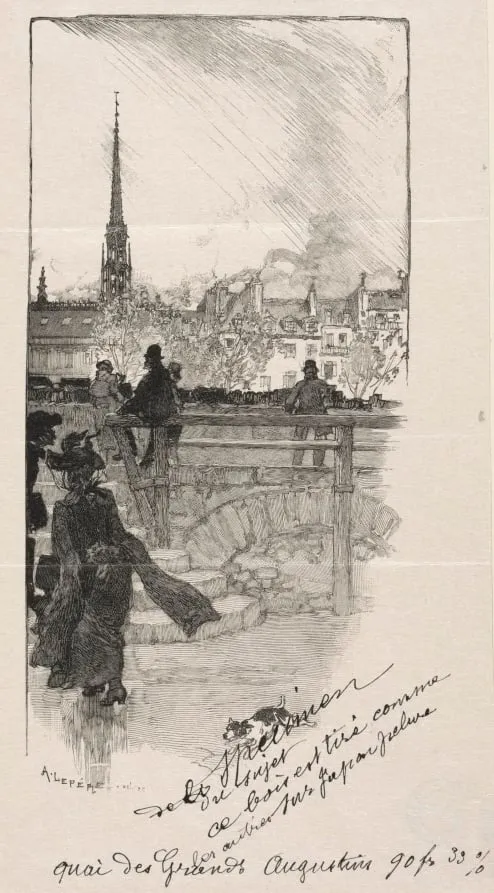
Quai des Grands Augustins is a print by the Impressionist artist Auguste Lepère. It dates from 1886 and is held in the collection of the Cleveland Museum of Art.
About this work
Overview
Created in 1886 by Auguste Louis Lepère, *Quai des Grands Augustins* is a wood engraving that captures a quiet moment along the Seine in Paris.
Created in 1886 by Auguste Louis Lepère, *Quai des Grands Augustins* is a wood engraving that captures a quiet moment along the Seine in Paris. Lepère, known for his revival of traditional woodcut techniques, used this medium to explore urban landscapes with precision and subtlety. The work stands as a quiet counterpoint to the oil paintings of his contemporaries, emphasizing texture and tonal nuance over color.
Subject & Meaning
The scene depicts the quay near the Church of Saint-Germain-des-Prés, with a bridge arching over the river and the church’s steeple rising in the distance. Figures on the bridge pause, their postures suggesting contemplation or rest. The composition avoids narrative drama, instead offering a restrained observation of daily life — a hallmark of Lepère’s interest in the rhythms of the modern city, rendered without sentimentality.
Technique & Style
Lepère employed wood engraving, carving fine lines into a hardwood block to produce a detailed monochrome image. He manipulated ink density and line weight to suggest atmospheric depth, using soft grays and muted browns to evoke a overcast sky and damp stone. The brushwork implied in the print’s texture conveys motion — rippling water, shifting clouds — achieved through controlled, deliberate carving rather than spontaneous brushstrokes.
History & Provenance
The print was made during a period when Lepère was actively promoting wood engraving as a fine art form in France, challenging the dominance of etching and lithography. It was likely produced in a small edition for collectors and art societies interested in print revival. Its early ownership remains undocumented, but it entered institutional collections by the early 20th century as interest in 19th-century printmaking grew.
Context
While often associated with Impressionism due to its urban subject and emphasis on light, *Quai des Grands Augustins* belongs more closely to the printmaking revival movement. Lepère’s focus on craftsmanship and materiality distinguished his work from the loose brushwork of painters like Monet. His approach aligned with broader European efforts to elevate handcrafted prints as serious artistic expressions, independent of painting traditions.
Legacy
Lepère’s work helped reestablish wood engraving as a respected medium in fine art circles. *Quai des Grands Augustins* exemplifies his technical rigor and quiet aesthetic, influencing later 20th-century printmakers who valued precision and tonal harmony. Though less widely known than his painter peers, his contributions to printmaking remain significant in the history of European graphic arts.
Artist & collection
Artist
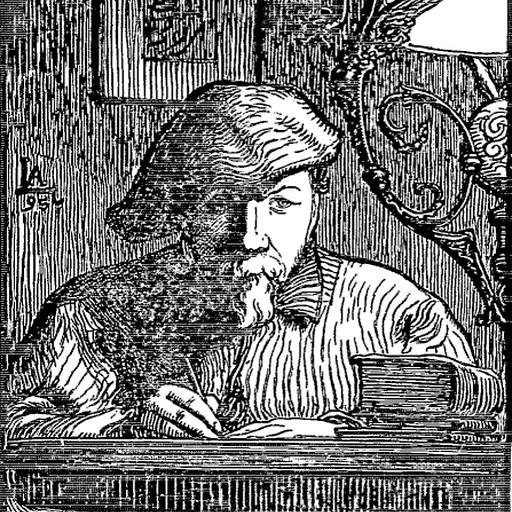
Louis-Auguste Lepère (30 November 1849 – 20 November 1918) was a French painter and etcher. Lepère is also considered a leader in the creative revival of wood engraving in Europe.

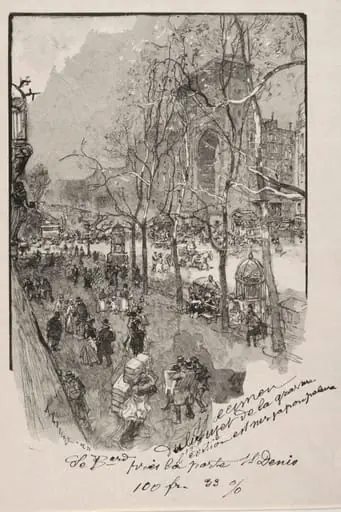 Les Boulevards, près de la Porte St. Denis
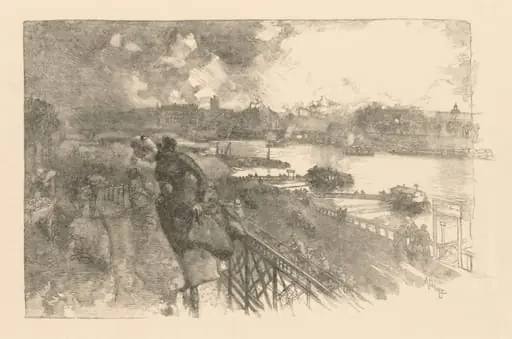 La Seine au Pont d'Austerlitz
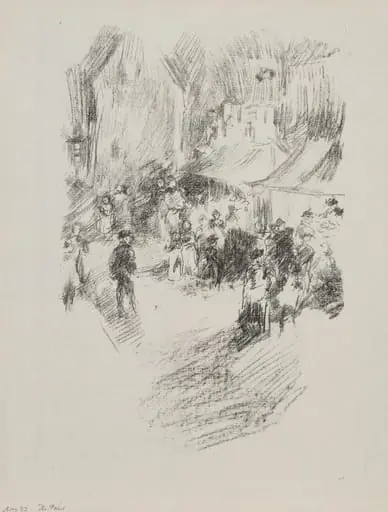 The Fair
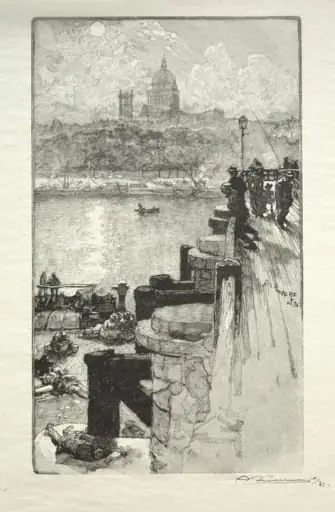 Montagne Ste. Genevieve
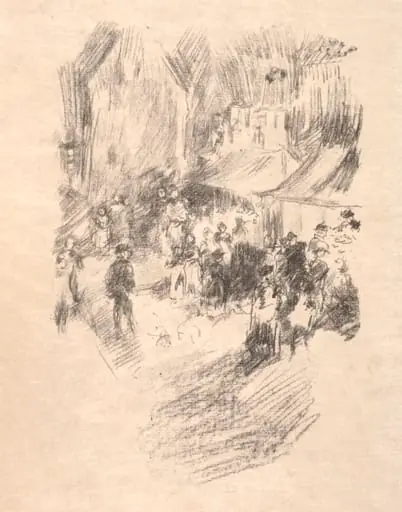 Fair, Lyme, -Regis
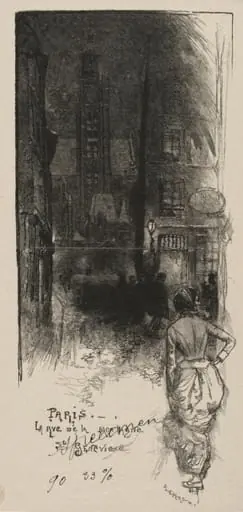 Rue de la Montagne, St. Geneviève
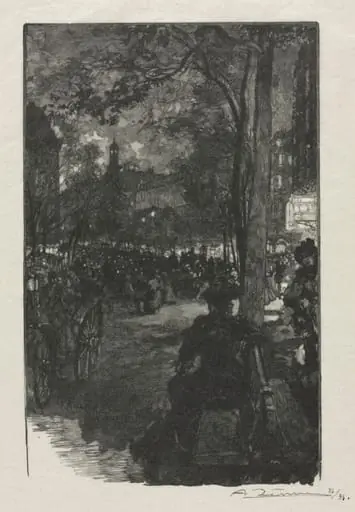 Boulevard Montmartre, Evening
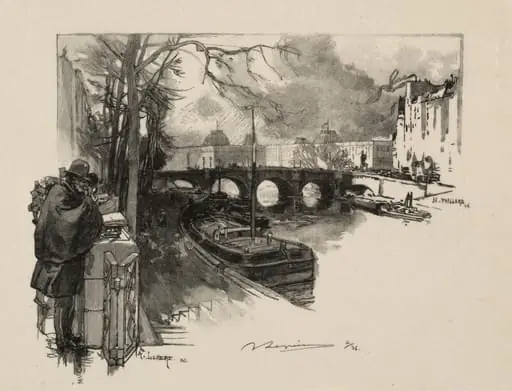 Petit bras de Seine au Pont Neuf
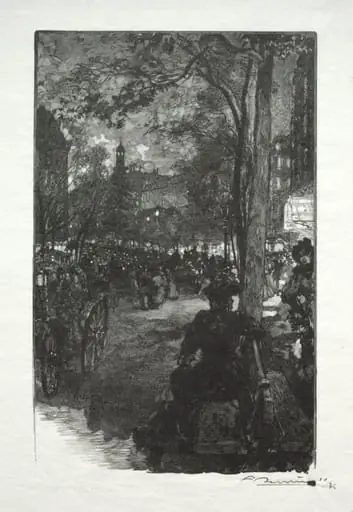 Le Boulevard Montmartre, le Soir
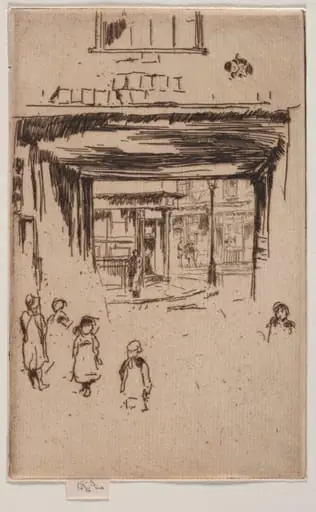 Drury Lane
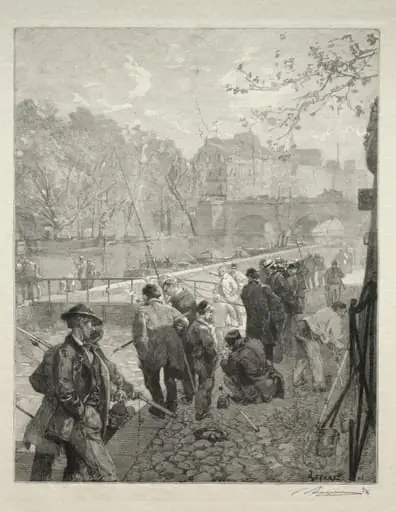 L'Ecluse de la Monnaie
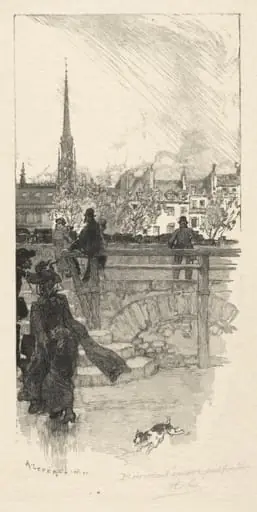 Quai des Grands Augustins, Paris