Artwork
Clelia Crossing the Tiber
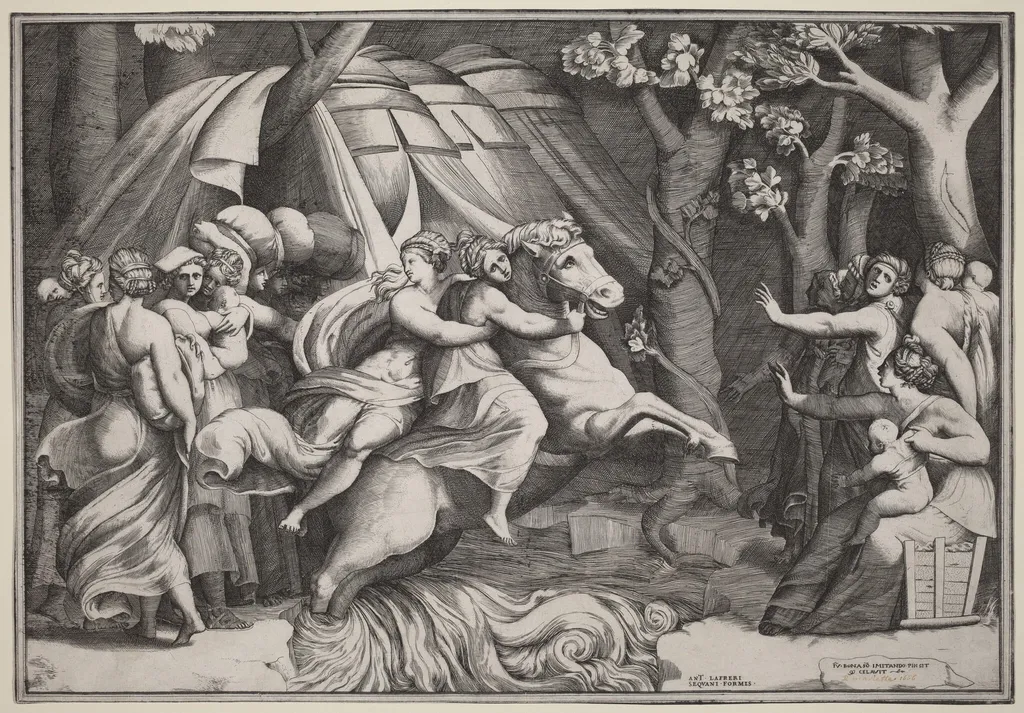
Clelia Crossing the Tiber is an ink print by the Renaissance artist Giulio Bonasone. It dates from 1545 and is held in the collection of the National Gallery of Art.
About this work
Overview
Clelia Crossing the Tiber is an engraving on laid paper created by Giulio Bonasone around 1545. The work depicts a pivotal moment from classical Roman history, showcasing Bonasone's skill in translating narrative into detailed printmaking.
Subject & Meaning
The engraving illustrates the legendary figure Clelia leading a group of hostages across the Tiber River near Rome. Based on an ancient Roman story, it highlights Clelia's bravery in escaping captivity by swimming the river with other girls, though the print notably depicts her on horseback.
Technique & Style
As a trained engraver under Marcantonio Raimondi, Bonasone employed his mastery of the medium to craft a visually detailed scene. The use of engraving on laid paper allowed for intricate lines and textures, characteristic of Bonasone's style, which often reproduced works by old masters and his own designs.
History & Provenance
Created circa 1545, the engraving reflects Bonasone's active career spanning Mantua, Rome, and Venice. While specific provenance details for this piece are not provided, it represents Bonasone's recognized work in these cities.
Context
Part of a broader Renaissance interest in classical themes, Clelia Crossing the Tiber situates Bonasone within a tradition of artists drawing inspiration from ancient Roman history and mythology.
Artist & collection

Artist
Giulio Bonasone (c. 1498 – after 1574) (or Giulio de Antonio Buonasone or Julio Bonoso) was an Italian painter and engraver born in Bologna. He possibly studied painting under Lorenzo Sabbatini, and painted a Purgatory…

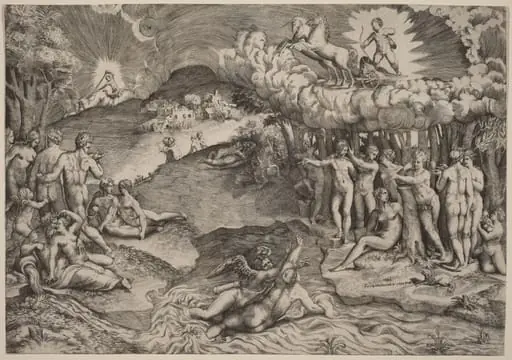
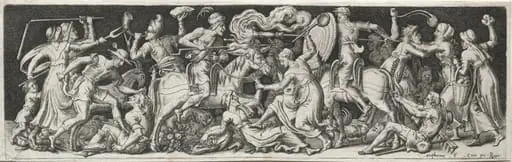 Combats and Triumphs
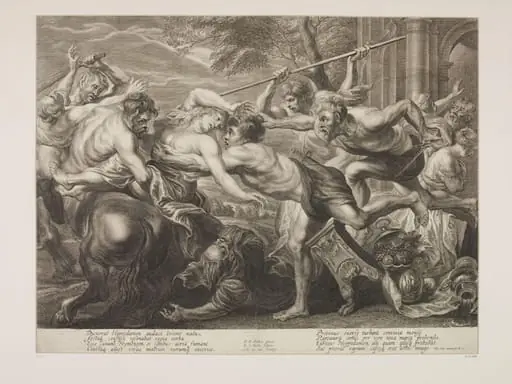 The Rape of Hippodamia
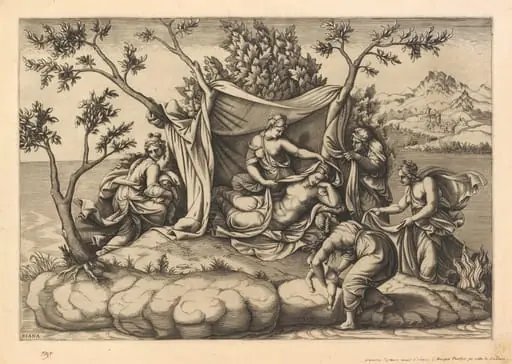 Latona Giving Birth to Apollo and Diana on the Island of Delos
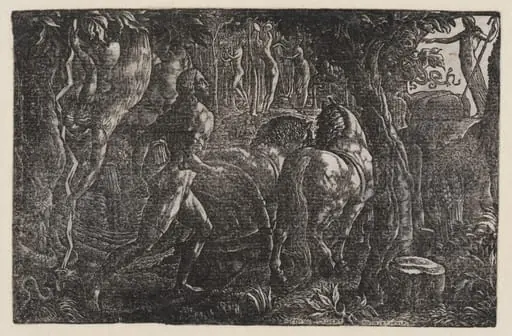 The Ploughman
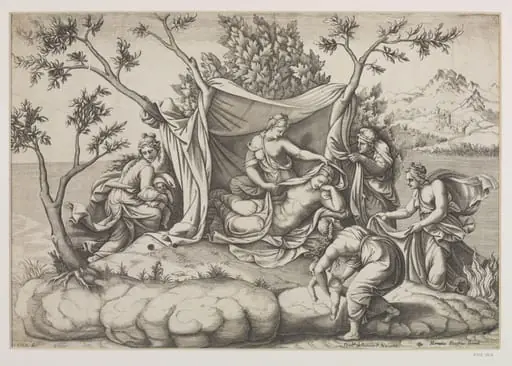 Birth of Diana and Apollo
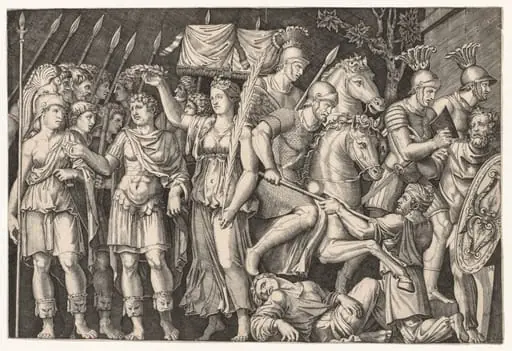 Speculum Romanae Magnificentiae: Trajan Between City of Victory and Rome (The Emperor Trajan)
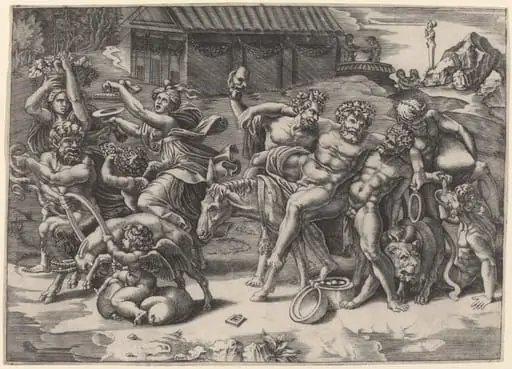 The March of Silenus
 Combats and Triumphs No. 11
 The Four Horsemen of the Apocalypse
 Jupiter, Neptune and Pluto
 The Triumph of Love
 The Judgment of Midas