Artwork
Piesă de ceramică cilindric realizat prin prelucrarea manuală la roată. Din bază plată pornesc pe vertical pereți arcuiți spre exterior ce se încheie prin îngustare printr-un gât drept și înalt cu buza rotunjită. De la jumătatea gâtului până la zona de bombare maximă, pe o parte este așezată o toartă rotunjită. Vasul este lustruit la exterior. Structura ornamentală este amplasată imediat sub gât până la baza toartei, trecând pe sub aceasta și este reprezentată prin motive geometrice, zig-zagul; pătratul; linia dreaptă. Cromatică: cărămiziu; negru.
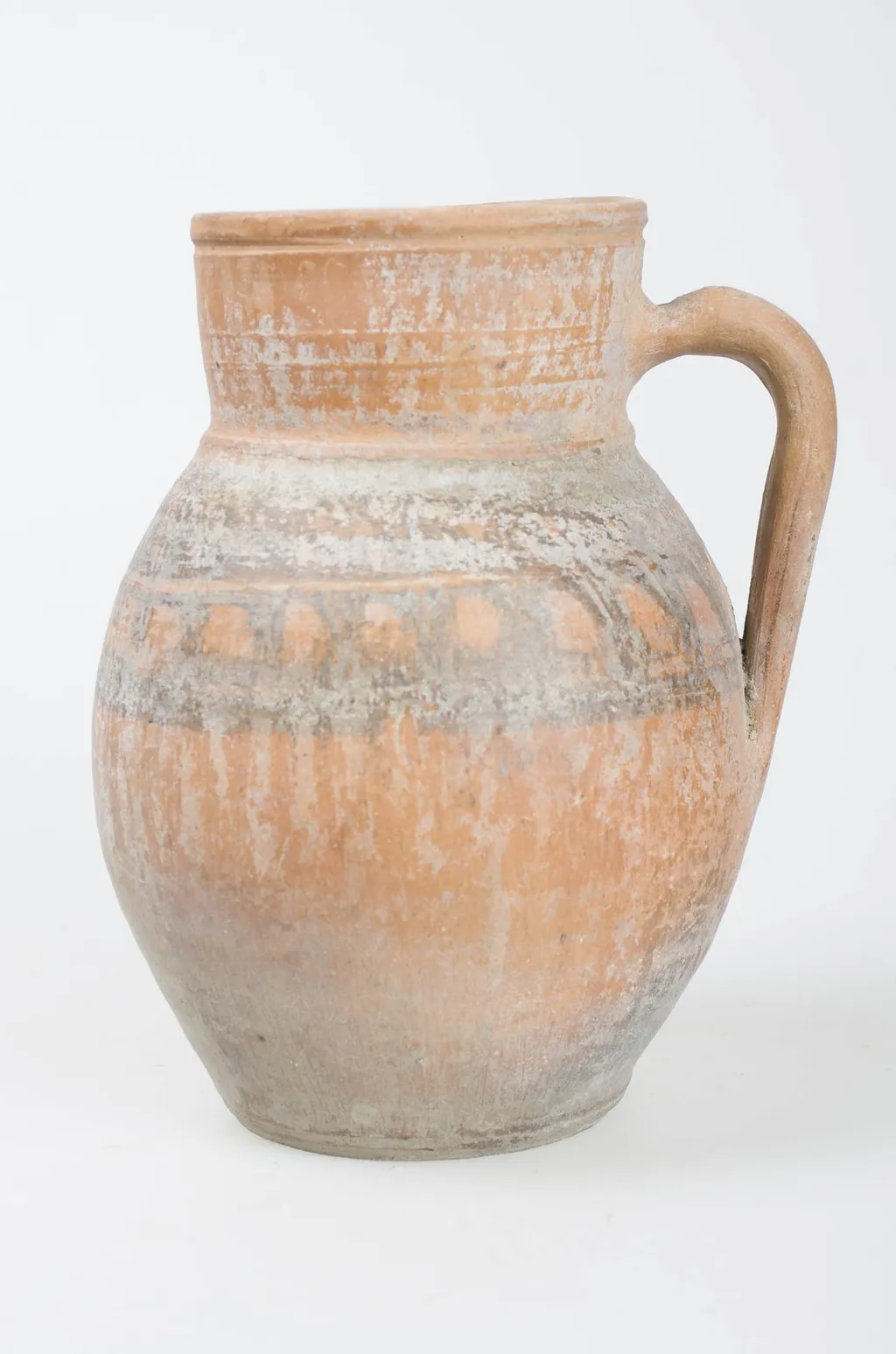
Piesă de ceramică cilindric realizat prin prelucrarea manuală la roată. Din bază plată pornesc pe vertical pereți arcuiți spre exterior ce se încheie prin îngustare printr-un gât drept și înalt cu buza rotunjită. De la jumătatea gâtului până la zona de bombare maximă, pe o parte este așezată o toartă rotunjită. Vasul este lustruit la exterior. Structura ornamentală este amplasată imediat sub gât până la baza toartei, trecând pe sub aceasta și este reprezentată prin motive geometrice, zig-zagul; pătratul; linia dreaptă. Cromatică: cărămiziu; negru. is a print by Brumar Anuța. It is held in the collection of the ASTRA National Museum Complex.
About this work
Overview
The object is a hand‑thrown ceramic vessel with a flat base that expands outward into curved walls, narrowing into a tall, straight neck capped by a rounded rim. A rounded handle is attached midway up the neck, and the exterior surface has been polished to a smooth sheen.
Subject & Meaning
The piece functions as a pitcher, its form designed for holding and pouring liquids. The decorative band below the neck, extending beneath the handle, consists of geometric motifs—zigzags, squares, and straight lines—suggesting a focus on order and rhythm in its visual language.
Technique & Style
Created on a potter’s wheel, the vessel displays a cylindrical silhouette achieved through manual shaping. After forming, the surface was burnished, giving it a glossy finish. The applied ornamentation is incised or painted in a limited palette of brick‑red, black, and occasional white highlights.
History & Provenance
The work originates from a tradition of hand‑crafted pottery, likely produced in a regional workshop where such geometric decoration was customary. No specific maker or date is recorded, but the style aligns with historic ceramic practices in Eastern European contexts.
Context
Geometric patterns such as zigzags and squares are common in folk ceramic traditions, often serving both aesthetic and symbolic purposes. The vessel’s utilitarian shape combined with modest ornamentation reflects everyday domestic use rather than ceremonial function.
Artist & collection
Artist

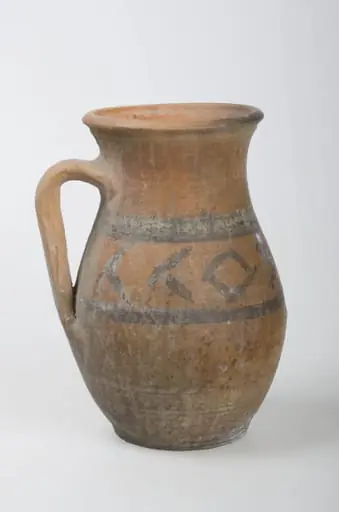 Recipient cilindric ușor bombat ce se îngustează în zona gâtului și apoi se continuă cu gura lată și buza evazată. Prezintă o toată ce pornește imediat din mijlocul gâtului și se termină în zona maximă de bombare. Structura ornamentala este realizată pe partea mediană, trecând pe sub toartă. Ornamentația se face cu ajutorul a două linii circulare, paralele între care sunt pictate motive geometrice de linii drepte așezate în unghi și romburi. Cromatică: cărămiziu; negru.
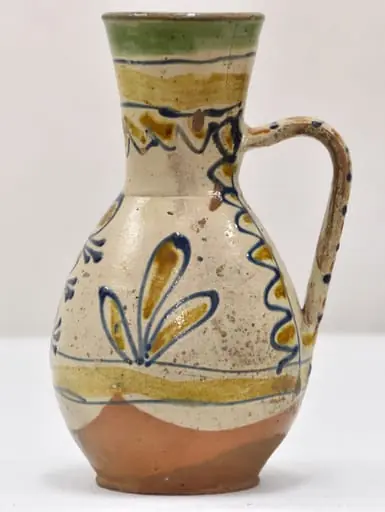 Piesa are o formă relativ cilindrică, fiind îngustată în jumătatea superioară și lărgită (bombată) în cea inferioară. Este dotată cu o toartă laterală. Suprafața exterioară este pictată (decorată), conținând motive decorative geometrice și vegetale: pete de culoare și linii orizontale pe toartă, cercuri de jur-împrejur atât în partea superioară cât și în partea inferioară, semicercuri separate prin câte câte trei liniuțe ramificate - de o parte și de cealaltă a unei linii verticale, două grupuri a câte trei frunze fiecare și linii șerpuite alături de câte o linie verticală (două). Partea de jos a obiectului nu este decorată având culoarea cărămizie. Culorile decorului sunt: alb-crem (fondul), albastru, verde și galben-ocru.
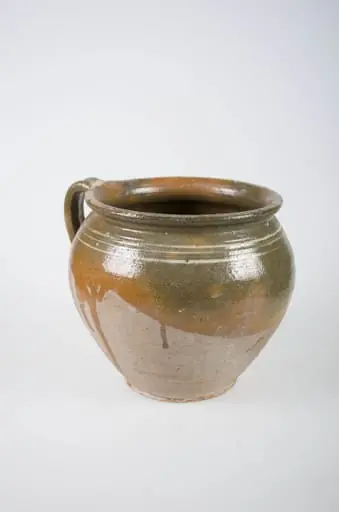 Vas cu corpul foarte bombat în partea superioară, cu un gât scurt și profilat, cu gura foarte lată, buza evazată și rotunjită. Din buză pornește o toartă care se unește cu corpul sub diametrul maxim. Vasul este smălțuit în interior și exterior (doar partea superioară). Este decorat cu motive geometrice: trei linii concentrice pe umăr și o linie scurtă orizontală pe toartă. Cromatica: fond: cărămiziu; motive: alb,.
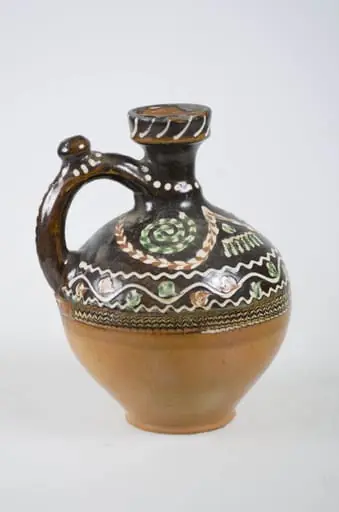 Vas ceramic sferic, ce prezintă baza plată din care pornesc pereții puternic arcuiți spre exterior, înalți, care în partea superioară se îngustează și se termină printr-un gât înalt cu marginea dreaptă ușor rotunjită. Ornamentul realizat cu cornul este dispus numai în partea superioară pe fond de angobă, realizat cu cornul. La diametrul maxim o porțiune jirăvită cu șarpe de o parte și de alta cu "altiță" și "boboci". Pe gât trei linii ondulate urmat de un șir de puncte. Pe marginea buzei linii. Mânerul prevăzut cu "țâță" are puncte. Jumătatea inferioară maro deschis. Smălțuit. Pe fundul vasului apare numele meșterului și localitatea "Ogrezeanu Stelian - Horezu". Cromatică: fond: maro închis partea superioară. Cărămiziu partea inferioară; motive: verde; alb; maro închis.
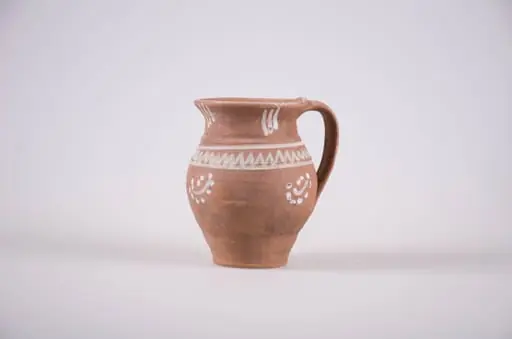 Recipient bitronconic cu gura largă. Prezintă toartă laterală care pleacă din buză până la diametrul maxim al vasului. Decor geometrizant pe partea superioară a vasului și pe toartă; linii paralele, cercuri, linie ondulată, puncte. Cromatică: fond: cărămiziu; motive trasate cu angobă albă. Vasul este nesmălțuit.
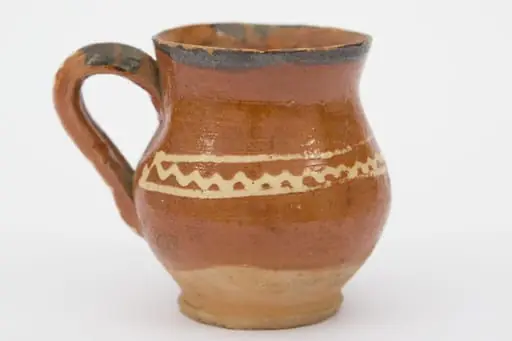 Recipientul este realizat din lut,având dimensiuni reduse, fiind de formă cilindrică, cu o gură largă și buza rotunjită. Acesta este prevăzut cu o toartă laterală având punctele de inserție în gatul și proeminența pântecului al vasului. Obiectul prezintă un decor median format din două linii orizontale de culoare albă, între acestea fiind realizată o linie sinusoidală de culoare albă, pictate pe fundalul maro cu care este decorat vasul. Obiectul este smălțuit la exterior. Cromatică: fond: maro; motive: alb.
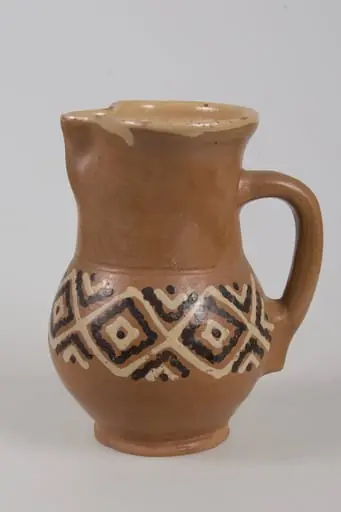 Vas din lut de formă sferoidală cu inel la bază, gât înalt și drept, cu toartă prinsă între gât și mijlocul vasului. Capătul inferior al toartei are un pinten. Angobat in interior cu smalț la exterior și interior. Decor cu motive geometrice: brâu de romburi pictat cu corn in hume naturale; două dungi imprimate cu piaptănul. Prezintă cioc de scurgere. Cromatică: fond: alb-crem în interior; cărămiziu în exterior; motive: alb; negre.
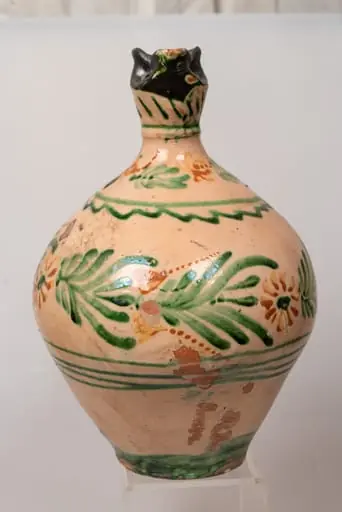 Piesă cu corp sfericl bombat, cu gât profilat, cu gât și gură îngustă, bilobată, cu cior. Din pântecul vasului pornește o toartă tubulară cu orificiu pronunțat pentru băut (cu țâță), care se unește cu vasul sub buza acestuia. Fața exterioară a ulciorului este angobată cu un strat de humă albă, peste care este pictat decorul, cu pensula și cu cornul, astfel: pe partea superioară a vasului, între două grupări de linii concentrice apare o bandă decorată cu motiv floral (o floare rotundă cu multe petale) alternând cu motivul fitomorf caracteristic centrului: frunze alungite, de culoare verde. Pe cant, delimitată de banda decorativă de pe burta vasului de către două linii concentrice, realizate drept și în valuri, este dispusă o bandă decorativă mai îngustă, cu motiv floral și motiv fitomorf delimitat de gât de un brâu colorat. Sub buza bilobată sunt realizate o serie de linii oblice paralele pictate, care continuă pe toată suprafața torții. Fundul vasului este marcat cu o bandă lată orizontală, pictată. Cromatica: alb, maro, verde. Vasul este acoperit cu un strat de smalț transparent.
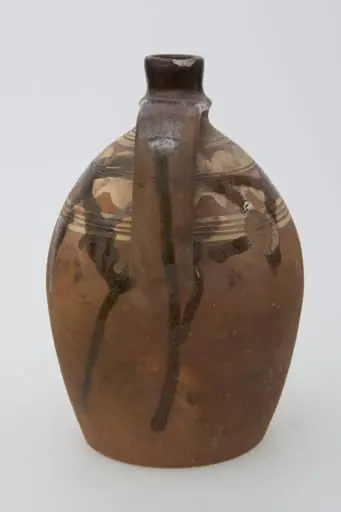 Ulciorul este realizat din ceramică. Pereții vasului sunt bombați și îngustați spre partea superioară unde se termină printr-un gât cu buza răsfrântă în exterior. Din partea superioară a gâtului aproape de buză pornește toarta vasului arcuită și prevăzută cu o "țâță". La baza gâtului și la diametrul maxim al ulciorului linii concentrice din angobă. Vasul este nears. Cromatică: maro deschis, maro închis, alb.
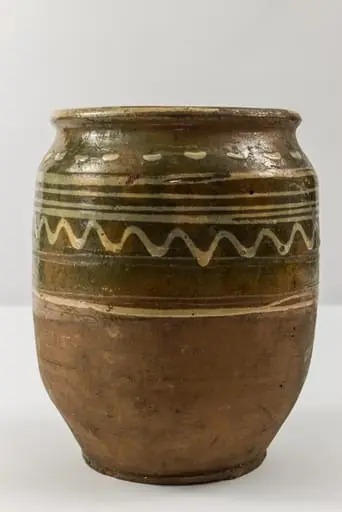 Piesă din lut modelat la roată, smălțuită în interior și parțial în exterior, de formă aproape cilindrică, cu pereții ușor îngustați spre bază, cu gură ușor răsfrântă. Decorul vasului este dispus pe suprafața exterioară, de la mijloc în sus, astfel: o dungă albă, un registru cu motivul valul, un grup de cinci cercuri concentrice, un registru cu motive liniare și punctiforme. Cromatică: maro, ocru, verde, alb.
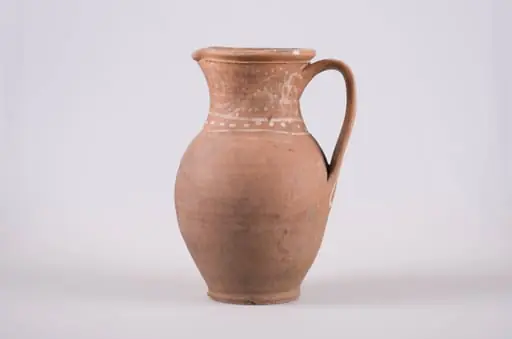 Recipient sferoidal cu gura largă și cioc. Prezintă toartă laterală. Decorul este floral și geometric pe toată suprafața gâtului format din linii, puncte, spirale. Decorat și pe toartă cu o linie de jur împrejur, iar pe buza vasului format din puncte. Cromatică: fond: cărămiziu; motive: alb.
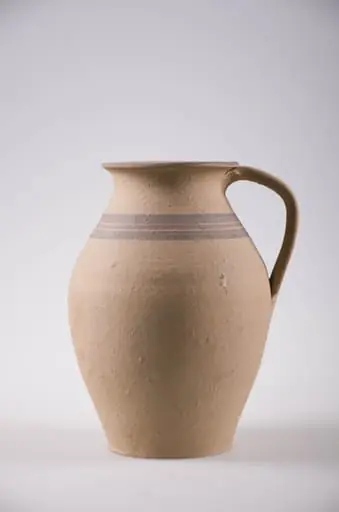 Oală borcan cu gât foarte pronunțat și buză evazată; de sub gât pleacă o toartă, unindu-se cu corpul în zona diametrului maxim; este decorată pe umeri cu cinci linii - două negre încadrează trei linii maro. Cromatică: fond: cărămiziu; motive: negru, maro închis.
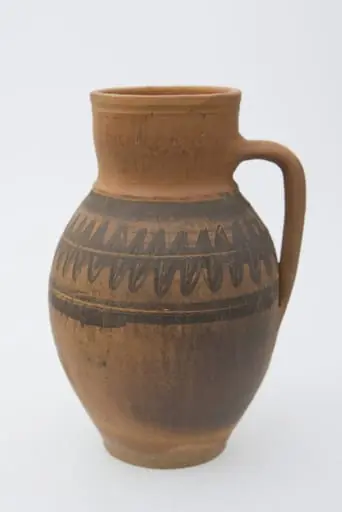 Recipient sferoidal, bombat în partea mediană, gât puțin adunat și gura largă. Prezintă toartă laterală ce leagă partea inferioară a gâtului cu partea de diametru maxim al ulciorului. Decor în partea superioară a vasului compus din linii orizontale dintr-o bandă zimțată neagră ce ilustrează motivul ”dintelui de lup'' (linie frântă în unghi ascuțit), încadratată de două linii dispuse circular. Peste linia zimțată se suprapune o linie trasată în humă, precum și incizii superficiale ce urmăresc conturul motivului decorativ. Cromatică: fond: rosu-cărămiziu; motive: negru.
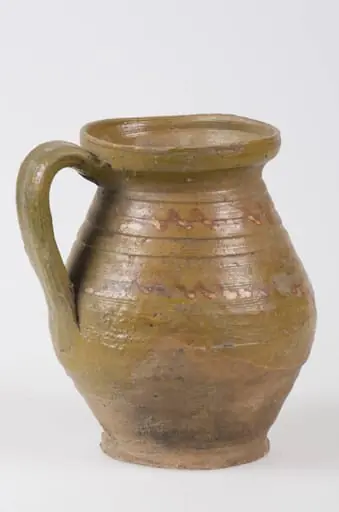 Vas bitronconic cu gât scurt și foarte profilat, cu gura înaltă și dreaptă. Prezintă o toartă care pleacă de sub buză și se unește cu corpul sub zona diametrului maxim. Este smălțuit în interior și la exterior (parțial nesmălțuit în partea de jos). În partea superioară prezintă un decor geometric realizat din cinci linii incizate și două linii în val pictate. Toarta este decorată cu puncte. Cromatică: fond: cărămiziu și pe alocuri verziu; motive: alb; maroniu. Prezintă uzură funcțională.
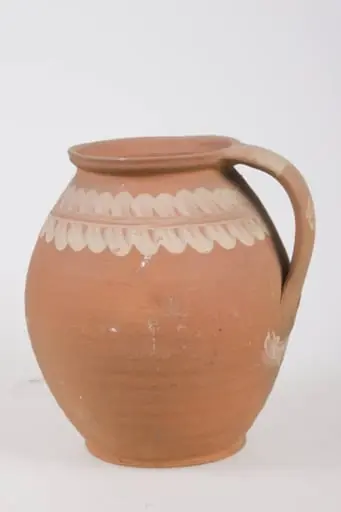 Oală ce are corpul bombat simetric cu diametrul maxim la mijlocul vasului, gâtul scurt și gura dreaptă. Buza este răsfrântă în exterior și toartă între buză și mijlocul vasului. Decor pe umăr cu linie ondulată realizată cu degetul și două linii paralele realizate cu fichieșul; dungi paralele pe toartă.
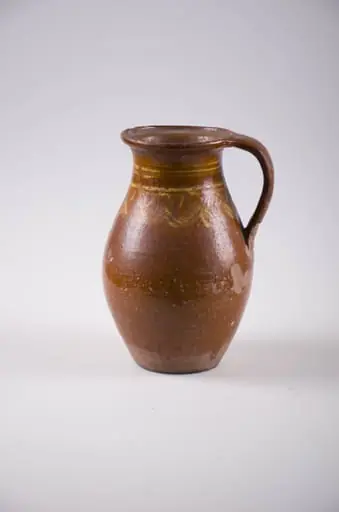 Oală de formă bitronconică cu buza evazată și cu o toartă. Decorată cu ornamente în formă de semicercuri dispuse în jurul gâtului. Este smălțuită pe toată suprafața exterioară. Cromatică: fond: cărămiziu; motive: galben.
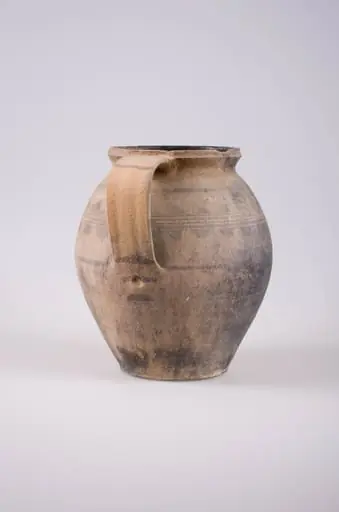 Oală borcan cu corp pântecos bombat cu gât profilat, cu buza evazată tăiată drept și toartă lată. Decorat în partea superioară cu cinci linii ușor adâncite realizate cu piaptănul care secționează un val pictat realizat cu degetul încadrate de două linii maro-roșcat. Toarta prezintă două caneluri este decorată cu o linie în partea superioară și trei linii în partea inferioară. Cromatică: fond: cărămiziu; motive: maro-roșcat. Prezintă urme de ardere secundară.
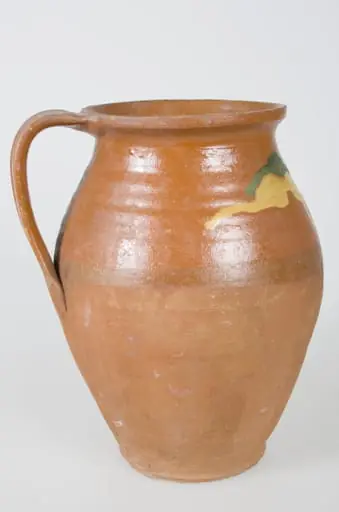 Vas bombat în partea mediană și cu buza evazată, smălțuit în jumătatea superioară. Prezintă o toartă ce leagă buza vasului de partea mediană. Decorații frontale realizate prin stropire, sub forma a două linii suprapuse și neregulate dispuse orizontal. Cromatică: fond cărămiziu; motive: verde; galben.
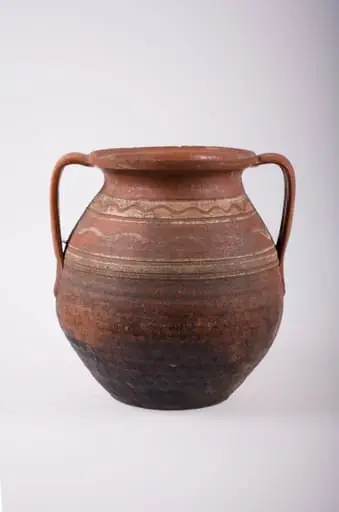 Oala bombată cu două toarte late, aplatizate, dispuse de o parte și de alta a gurii vasului; buză evazată; decorată în exterior cu motive geometrice: linii, linii vălurite pe un registru de cromatică albă. Cromatică: fond: maro; motive: alb-gălbui. Smălțuită pe gura vasului, interior și pe mânerul vasului.
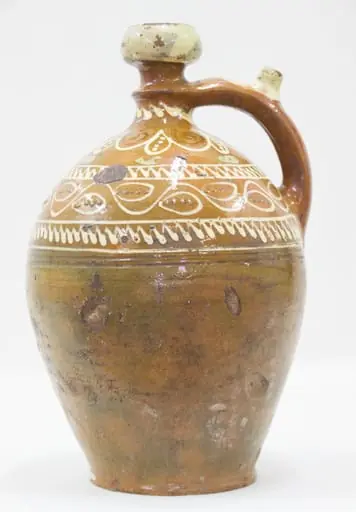 Ulcior de formă bitronconică cu gura îngustă și rotundă, cu o toartă și un orificiu pentru scurgerea lichidului, smălțuit și decorat pe jumătatea superioară cu motive vegetale (ghirlande) și geometrice (spirale; patru cercuri concentrice cu o linie șerpuită între ele).Cromatică: maro (fond), decor - galben, bej, alb, verde. Jumătatea inferioară a obiectului este nesmălțuită.
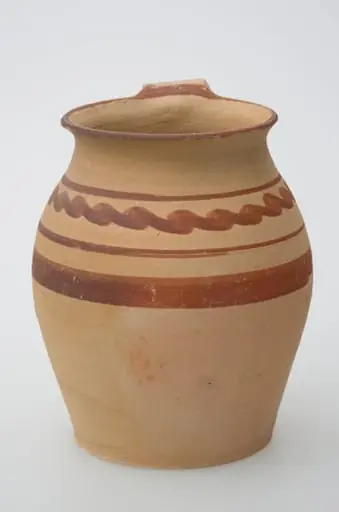 Oală de formă bitronconică, cu corpul alungit spre bază și buza ușor răsfrântă spre exterior. Prezintă o toartă plată ce pleacă de la buză și se unește cu corpul vasului în zona diametrului maxim. Decorul este format din linii drepte paralele, dublate de linii ondulate, plasate în zona mediană a vasului.
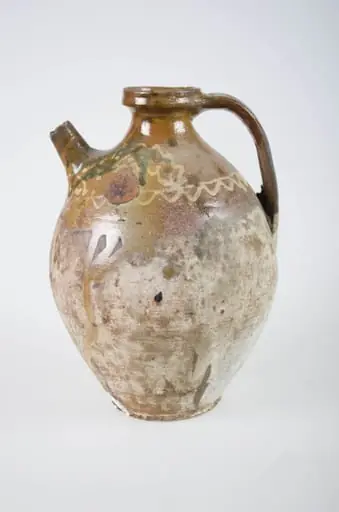 Vas de formă ovoidală cu gât lung, cu gura largă și buza înălțată. Prezintă o toartă care pleacă din gura vasului și se unește cu corpul în zona diametrului maxim. Din umăr, în partea opusă torții pleacă o țâță scurtă (burciuc). Vasul este smălțuit pe exterior în partea superioară unde prezintă și un decor format din motive geometrice: linie și linie în val deasupra cărora se regăsesc motive florale. Cromatica: fond: cărămiziu; motiver: alb-gălbui, verde. Prezintă uzură funcțională.