Artwork
Petit Pont, Paris
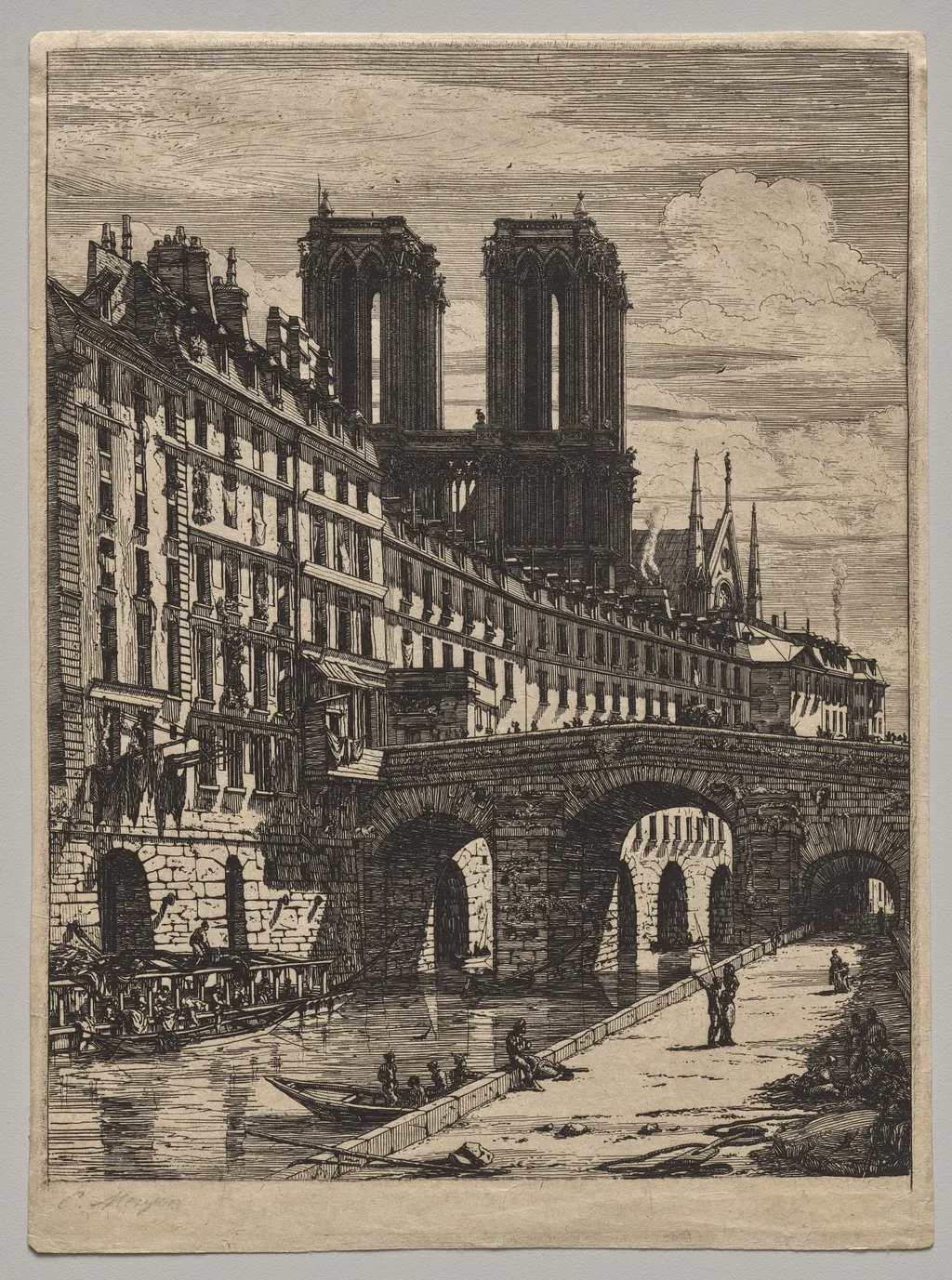
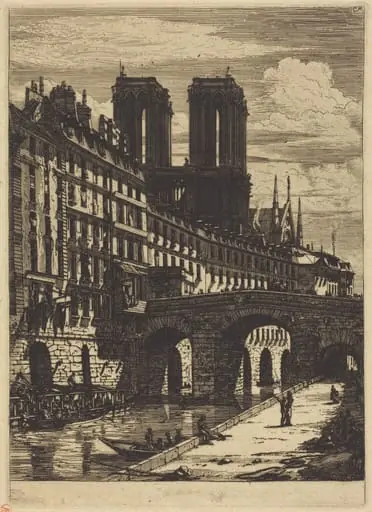
Petit Pont, Paris is a print by the Impressionist artist Charles Meryon. It dates from 1850 and is held in the collection of the Cleveland Museum of Art.
About this work
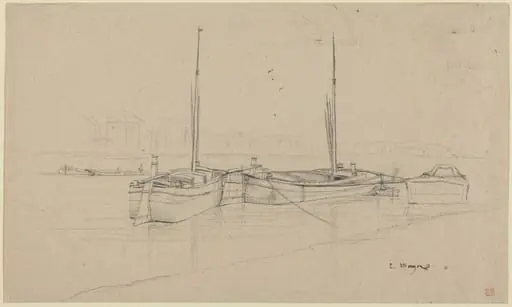
You see a detailed image of a Parisian scene with boats on the Seine River.
The boats are bateaux-lavoirs, or wash boats, where laundresses could do their washing. This was a common sight in 19th century Paris. The artist was fascinated by the city's transformation and the daily life of its people.
Check out the work of artist Charles Meryon to see more of his detailed city scenes.
Overview
Meryon’s focus on such mundane, transient scenes reflects his interest in the evolving fabric of Paris during the mid-19th century.
Charles Meryon’s etching Petit Pont, Paris captures a quiet moment along the Seine near the small bridge of the same name. Executed with fine, precise lines, the work documents a vanishing aspect of urban life: the bateaux-lavoirs, floating laundry stations where working women washed clothes. Meryon’s focus on such mundane, transient scenes reflects his interest in the evolving fabric of Paris during the mid-19th century.
Subject & Meaning
The print centers on the bateaux-lavoirs—wooden barges moored along the riverbank—used by laundresses to carry out their labor. These vessels were not merely functional but also social hubs, gathering women from the working class. Meryon’s depiction acknowledges their presence without sentimentality, framing them as integral yet increasingly marginalized elements of the city’s infrastructure, soon to be displaced by modernization.
Technique & Style
Meryon employed etching, using a needle to incise lines into a metal plate coated with wax. The resulting print reveals intricate detail—ripples in the water, the texture of wooden hulls, and the delicate silhouettes of figures—achieved through controlled cross-hatching and fine tonal gradations. His style favors clarity and precision over dramatic effect, emphasizing the quiet dignity of everyday urban activity.
History & Provenance
Created around 1854, the print belongs to Meryon’s series documenting Parisian architecture and street life during a period of rapid urban renewal under Napoleon III. The bateaux-lavoirs depicted were already under pressure from municipal authorities who deemed them unsanitary and visually disruptive. By the 1890s, most had been removed from central waterways, making Meryon’s record one of the last visual attestations of their presence.
Context
In mid-19th century Paris, public health reforms and aesthetic modernization led to the displacement of many traditional, informal practices. The bateaux-lavoirs, once common along the Seine, were pushed toward the city’s edges as part of broader efforts to sanitize and reorder urban space. Meryon’s prints serve as quiet counterpoints to official narratives, preserving scenes of daily life overlooked by official histories.
Legacy
Meryon’s etchings, including Petit Pont, are now valued for their documentary precision and emotional restraint. Though not widely celebrated in his lifetime, his work later influenced artists and historians seeking to understand Paris beyond its grand monuments. His focus on overlooked urban elements established a precedent for observing the city through the lens of its laboring inhabitants.
Artist & collection
Artist
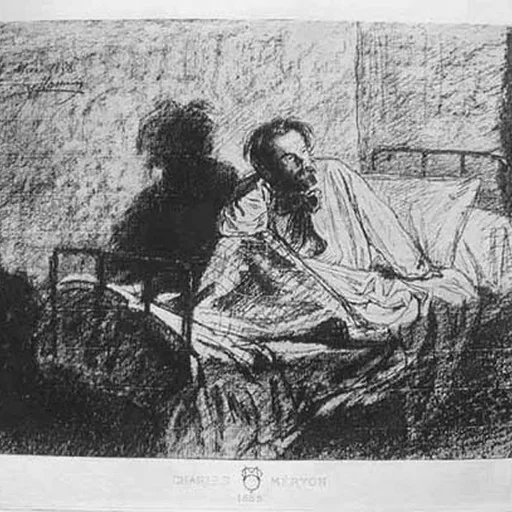
Charles Meryon (sometimes Méryon, 23 November 1821 – 14 February 1868) was a French artist who worked almost entirely in etching, as he had colour blindness.

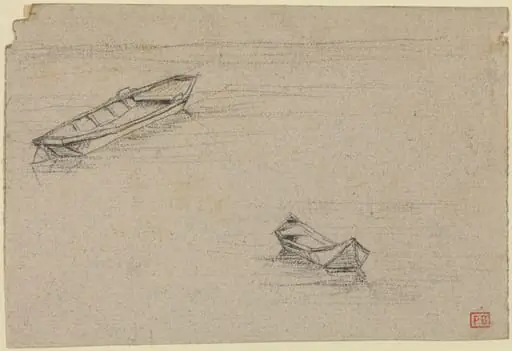
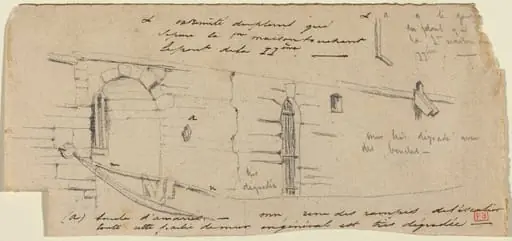
 Le Petit Pont, Paris
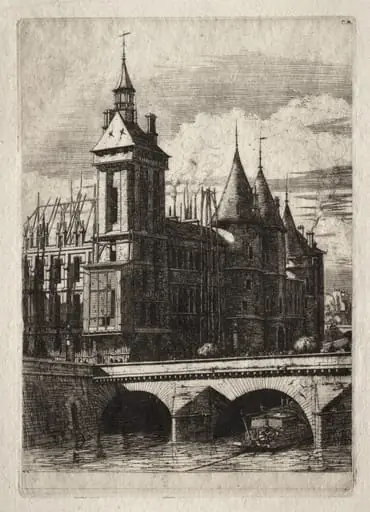 Etchings of Paris: The Clock Tower
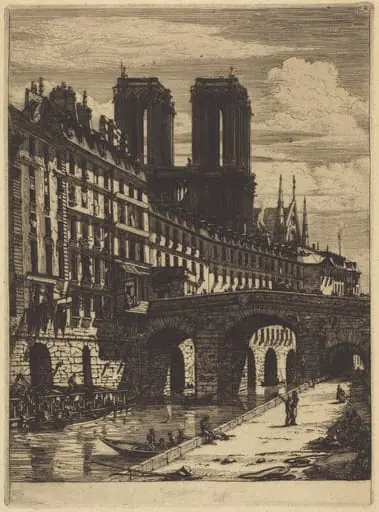 Le Petit Pont, Paris
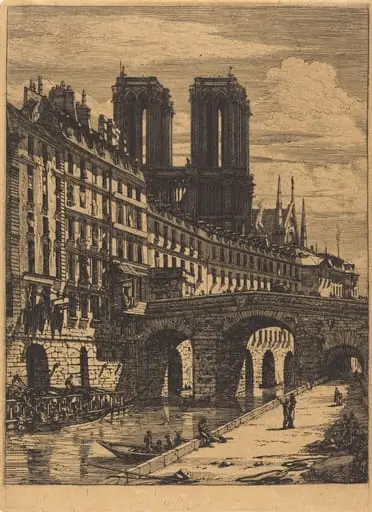 Le Petit Pont, Paris
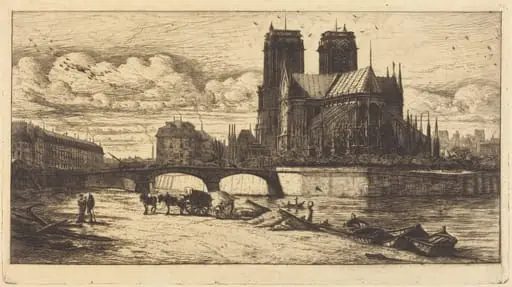 L'abside de Notre-Dame de Paris (The Apse of the Cathedral of Notre-Dame, Paris)
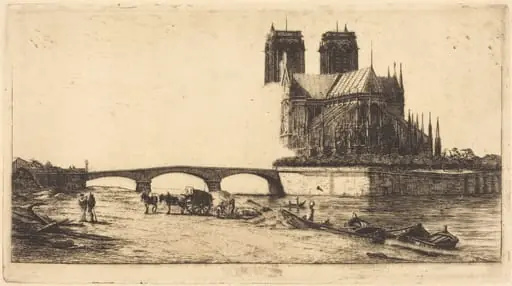 L'abside de Notre-Dame de Paris (The Apse ofthe Cathedral of Notre-Dame, Paris)
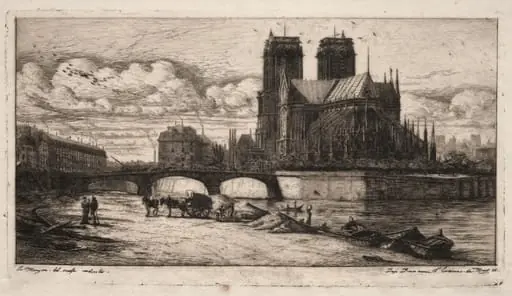 Etchings of Paris: The Apse of the Cathedral of Notre Dame
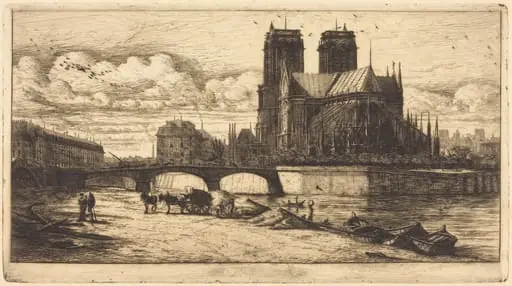 L'abside de Notre-Dame de Paris (The Apse of the Cathedral of Notre Dame, Paris)
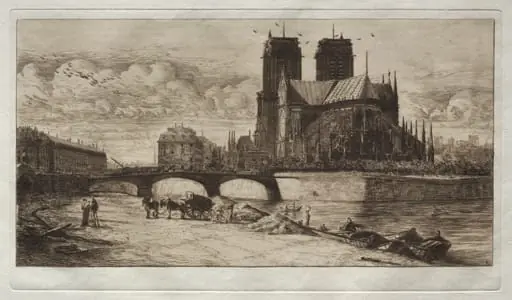 L'Abside de Notre Dame de Paris