Artwork
Arab tents at Ledgemeeat on the Khabour
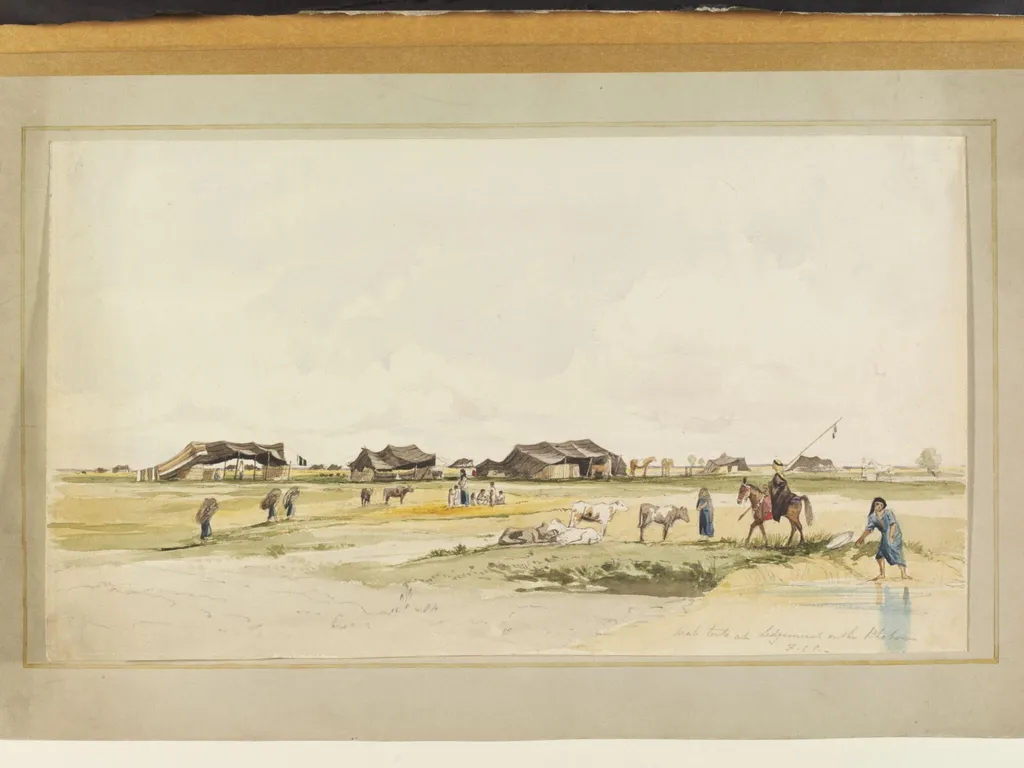
Arab tents at Ledgemeeat on the Khabour is a watercolor work on paper by the Impressionist artist Frederick Charles Cooper. It dates from 1850 and is held in the collection of the Victoria and Albert Museum.
About this work
Overview
Created between March and May of that year, the work is one of many field studies Cooper made while documenting archaeological sites and local life.
This watercolour by Frederick Charles Cooper captures a quiet encampment of Arab tents along the lower Khabour River, painted during the 1850 expedition led by Austen Henry Layard. Created between March and May of that year, the work is one of many field studies Cooper made while documenting archaeological sites and local life. Its modest scale and unadorned subject reflect the observational purpose of the journey, prioritizing record over ornament.
Subject & Meaning
The scene depicts temporary dwellings used by Jebouri laborers engaged in the expedition’s work. Figures in loose garments move among livestock, suggesting daily routines rather than ceremonial activity. The absence of monumental architecture shifts focus to the rhythms of nomadic and transient life, offering a quiet counterpoint to the ancient ruins the team sought. These human elements ground the expedition’s scholarly aims in lived reality.
Technique & Style
Cooper employed loose, rapid brushwork and a restrained palette of earth tones, pale blues, and muted greens to convey the arid landscape. The watercolour technique allows for transparency and spontaneity, avoiding fine detail in favor of atmospheric suggestion. This approach aligns with early Realist tendencies, emphasizing direct observation and the fleeting effects of light and terrain over idealized composition.
History & Provenance
The drawing originated in Cooper’s personal sketchbook, used during the 1850 expedition. Inscriptions within the book suggest it may have been among works lent to the London Institute in 1856. Related studies from the same journey are held in the British Museum’s Department of Western Asiatic Antiquities, indicating the group’s shared archival purpose. Its current location and ownership remain unconfirmed beyond these documented connections.
Context
Cooper’s watercolours were made in support of Layard’s archaeological mission to Mesopotamia, where visual documentation was essential before photography became widespread. These images served both scientific and public-facing roles, later informing published engravings. The depiction of local life alongside ruins reflects a broader 19th-century interest in ethnographic detail as part of historical inquiry.
Legacy
Though not widely exhibited today, Cooper’s field studies contribute to the visual record of 19th-century Near Eastern life and archaeological practice. Their unembellished nature offers valuable insight into the conditions and people encountered during early excavations. These works remain part of a larger corpus preserved in institutional collections, quietly shaping how we understand the region’s material and social landscape at the time.
Artist & collection
Artist
Frederick Charles Cooper painted watercolours of Ottoman-era landmarks he saw in 1849.

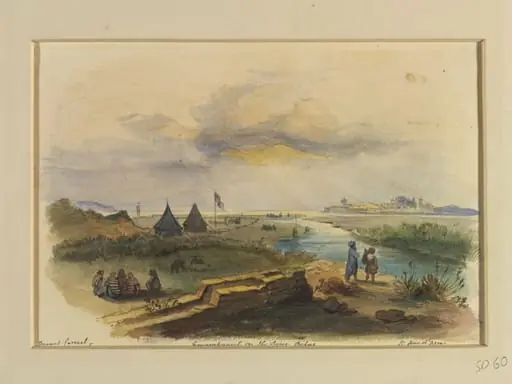 Encampment on the River Belus
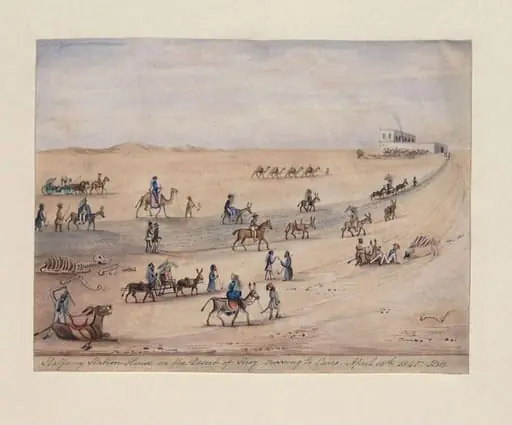 A halfway station house in the desert of Suez crossing to Cairo
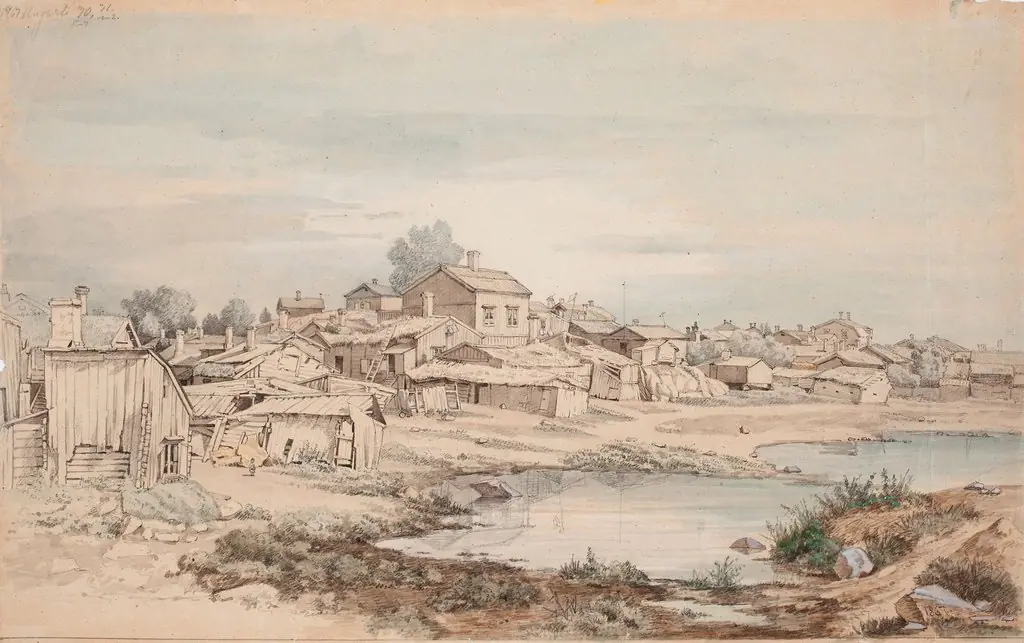 Katajanokka, luonnos
 Landskab med en smedje
 Camp at Aveen near Tehran
 Guards Tel-el-Mahouta 9.Sep.82.
 View of Frederikstad in Norway
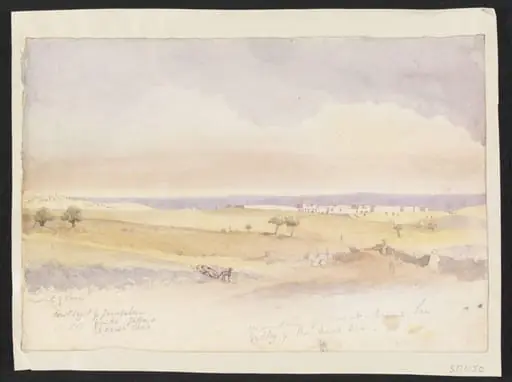 First sight of Jerusalem from the Jaffa & El Arish road
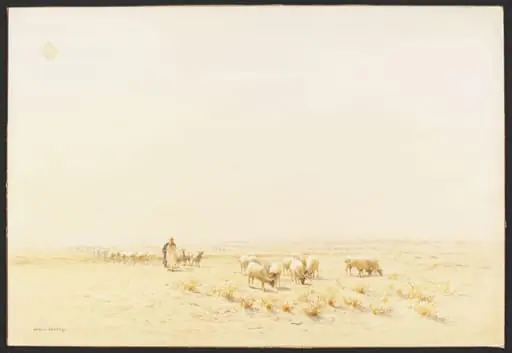 Morning
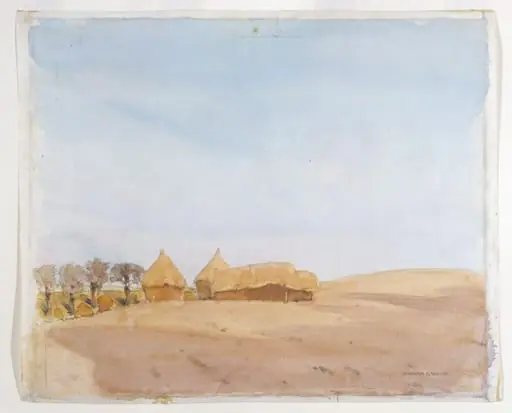 Glowing Evening
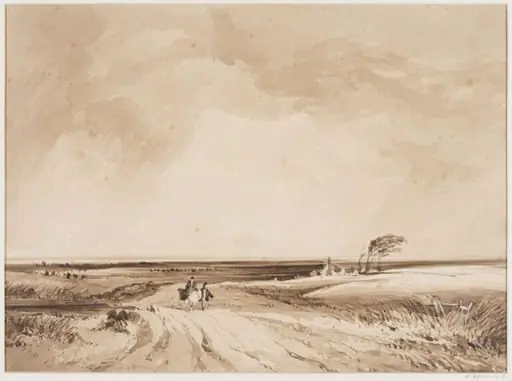 Solway Firth