Artwork
Dangers and Vices Accompanying Wealth
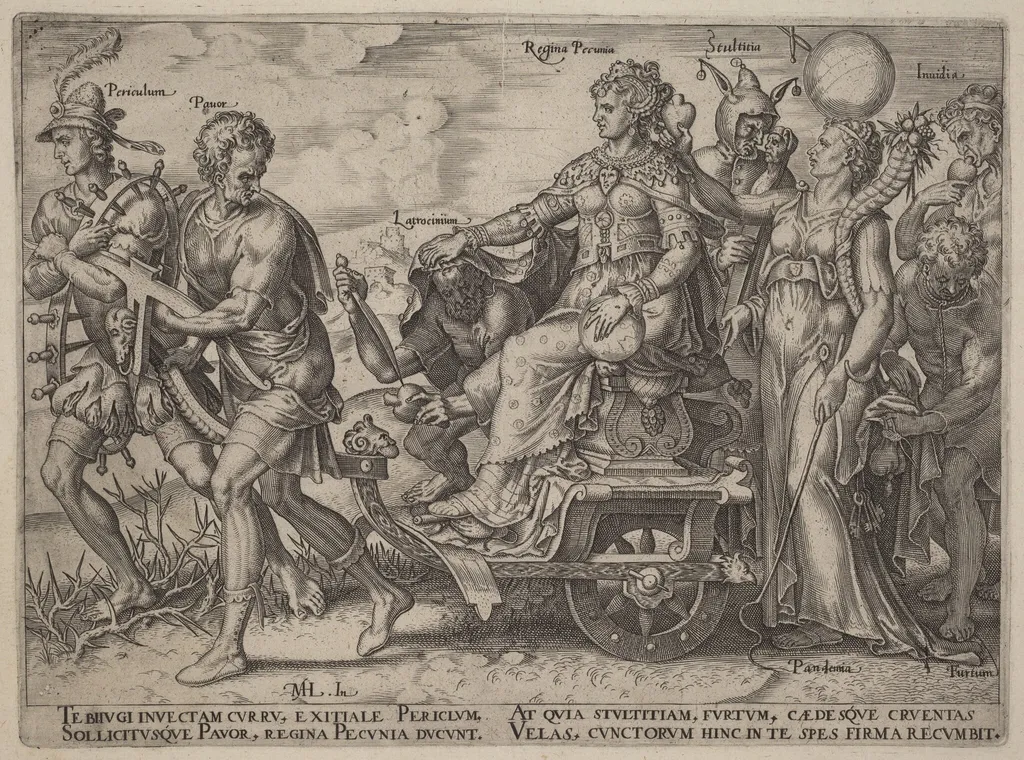
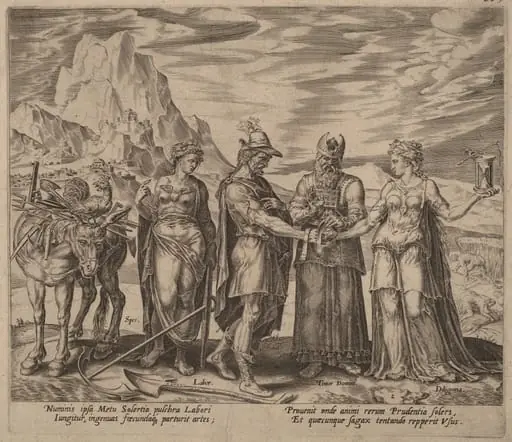
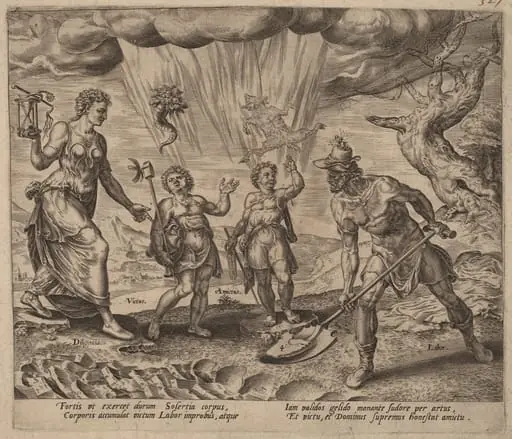
Dangers and Vices Accompanying Wealth is an ink print by the Renaissance artist Philip Galle. It dates from 1563 and is held in the collection of the National Gallery of Art.
About this work
Overview
Philip Galle’s 1563 engraving depicts a moralizing scene centered on the corrupting influence of wealth.
Philip Galle’s 1563 engraving depicts a moralizing scene centered on the corrupting influence of wealth. Created using the engraving technique on laid paper, the work belongs to a tradition of Northern European prints that translated ethical warnings into visual allegory. Galle, known for his reproductive prints, here crafts an original composition that blends symbolic figures with detailed urban and domestic settings to convey a cautionary narrative.
Subject & Meaning
The scene portrays individuals engaged in excess—gambling, gluttony, and idle luxury—amidst piles of coin and fine objects. Figures are arranged to suggest moral decay, with some oblivious to looming dangers like a skeleton or a falling structure. The composition functions as a visual sermon, warning viewers that material abundance invites spiritual and social ruin, a common theme in Protestant moral art of the period.
Technique & Style
Galle employed fine, precise lines to render textures of fabric, metal, and architecture, demonstrating mastery of the burin on copper. The engraving’s dense detail and controlled cross-hatching create depth and contrast without color, relying on tonal variation to guide the viewer’s eye. His style reflects the influence of Italian Renaissance composition, adapted to Northern European narrative clarity and moral urgency.
History & Provenance
Produced in Antwerp during the height of Galle’s publishing career, the print was likely circulated among educated urban audiences. As a prolific printmaker and publisher, Galle often disseminated works through his workshop, making such images accessible beyond elite collectors. No early ownership records are documented, but its survival in multiple institutional collections suggests widespread circulation in the late 16th century.
Context
This engraving emerged amid religious and social upheaval in the Low Countries, where Protestant reformers emphasized personal responsibility and warned against worldly indulgence. Similar themes appear in the works of Pieter Bruegel and other contemporaries. Galle’s print aligns with a broader visual culture that used printmaking to educate and admonish, leveraging the medium’s reproducibility to reach a broad public.
Legacy
Though not widely cited today, Galle’s engraving exemplifies the moralizing print tradition that shaped Northern European visual culture. His technical precision and narrative clarity influenced later engravers and contributed to the development of allegorical imagery in printmaking. The work remains a documented example of how art served as a vehicle for ethical instruction in the early modern period.
Artist & collection
Artist
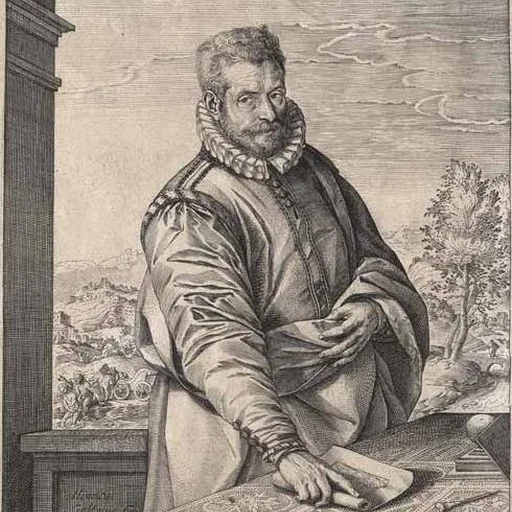
Philip (or Philips) Galle (1537 – March 1612) was a Dutch publisher, best known for publishing old master prints, which he also produced as designer and engraver. He is especially known for his reproductive engravings of paintings.

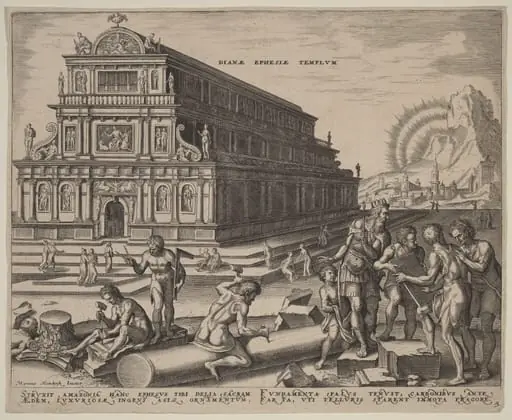 Dianae Ephesiae Templum (The Temple of Diana at Ephesus)
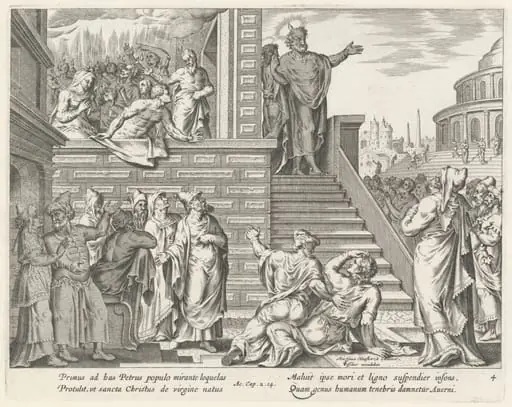 Saint Peter Speaks to the People about Christ
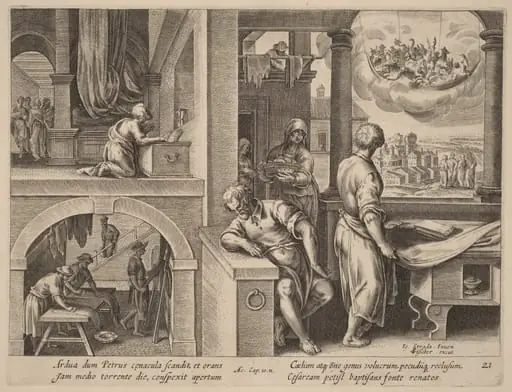 The Vision of Saint Peter
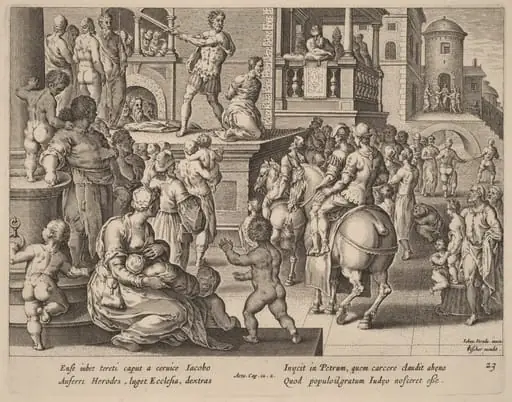 Beheading of Saint James
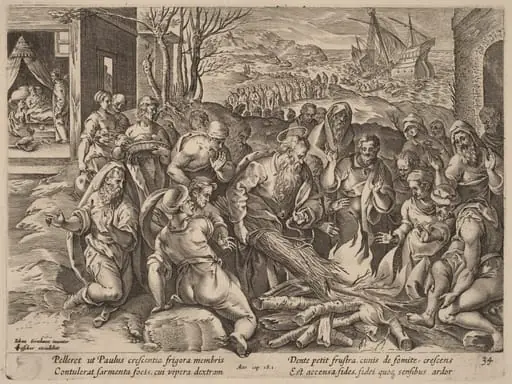 Saint Paul Shipwrecked on the Island of Melita
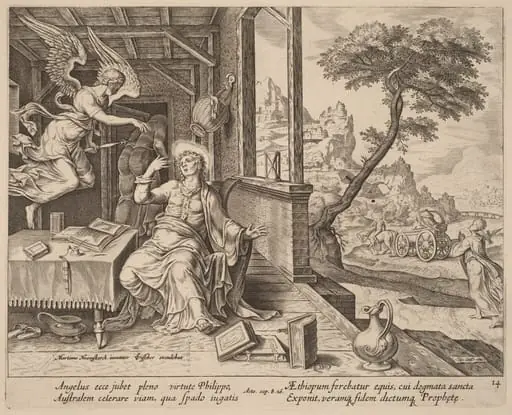 The Angel Orders Saint Philip to Accompany the Ethiopian Eunuch
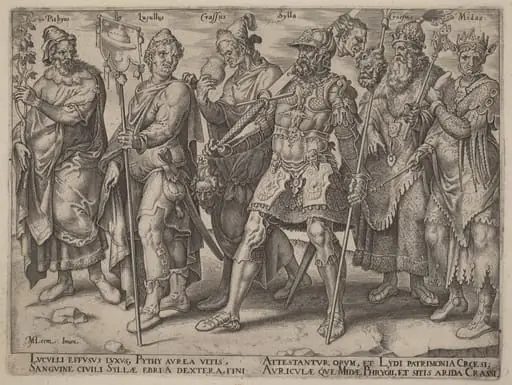 Notorious Examples of Wealth from Antiquity
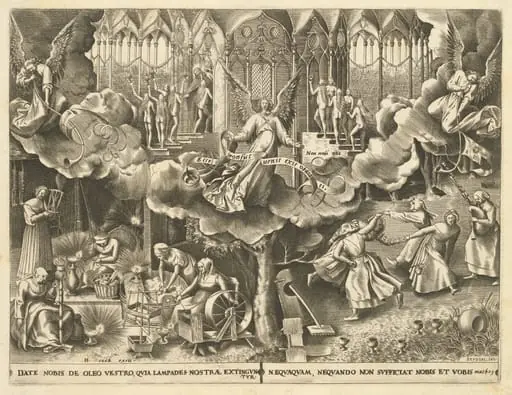 The Parable of the Wise and Foolish Virgins