Artwork
Ornamental fillet with the crucifixion and the virgin and child
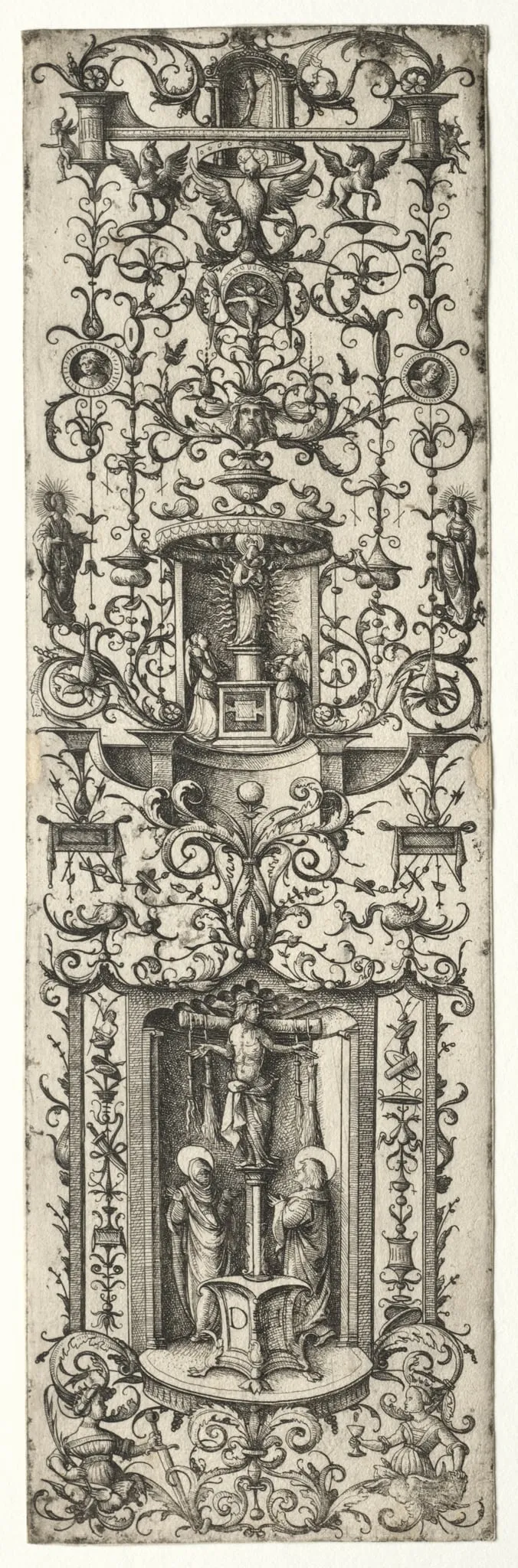
Ornamental fillet with the crucifixion and the virgin and child is a print by Daniel Hopfer. It dates from 1513 and is held in the collection of the Cleveland Museum of Art.
About this work
Overview
Its design functions as both decorative frame and devotional image, blending intricate patterning with a minimalist depiction of the Crucifixion.
This narrow vertical print, created around 1513 by Daniel Hopfer, combines etching and woodcut techniques to form an ornamental border enclosing a central religious scene. Made on iron, a material linked to Hopfer’s armor-making trade, the work reflects his technical innovation in printmaking. Its design functions as both decorative frame and devotional image, blending intricate patterning with a minimalist depiction of the Crucifixion.
Subject & Meaning
At the center, a small but distinct Crucifixion scene shows Christ on the cross, flanked by two figures—one kneeling in prayer, the other standing. This intimate portrayal contrasts with the elaborate surrounding ornamentation, which includes birds, foliage, and miniature architectural elements. The juxtaposition suggests a meditative focus: the sacred event is framed by the natural and constructed world, inviting contemplation within a decorative context.
Technique & Style
Hopfer employed etching on iron plates, a method derived from his experience in armor engraving. The print features fine, dense lines that create swirling vegetal and architectural motifs, forming a lace-like border. The central scene is rendered with simpler, bolder strokes, allowing it to emerge clearly from the ornate field. This contrast between detailed framing and restrained imagery defines Hopfer’s distinctive visual language.
History & Provenance
The work is held in the collection of The Cleveland Museum of Art, where it has been studied as an example of early German printmaking. Hopfer’s prints were among the first to be produced in series for commercial sale, marking a shift toward print as a marketable commodity. His use of iron plates and repetitive decorative motifs helped establish a new model for print distribution in the early 16th century.
Context
Created during a period of religious upheaval and rising demand for devotional imagery, this fillet reflects the blending of sacred content with secular decorative arts. Similar ornamental borders appear in metalwork and manuscript illumination, suggesting Hopfer’s work responded to broader artistic trends. His prints catered to both religious devotion and the growing taste for intricate, collectible objects among middle-class patrons.
Legacy
Hopfer’s innovations in etching on iron laid groundwork for later printmakers, influencing the technical and commercial development of the medium. His integration of ornamental design with religious subjects became a template for decorative prints across Europe. Though less celebrated than his contemporaries, his role in transforming printmaking into a reproducible, market-driven art form remains significant.
Artist & collection

Artist
Daniel Hopfer (c. 1470 – 1536) was a German artist who is widely believed to have been the first to use etching in printmaking, at the end of the 15th century. He also worked in woodcut. Although his etchings were…

 Interior of the Church of Saint Maria Magdalena with the Parable of the Offering of the Widow
 Emperor Charles V
 Emperor Charles V
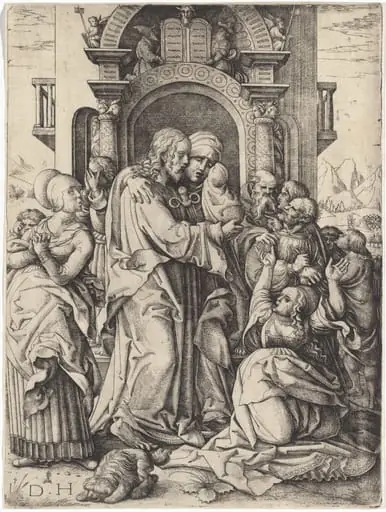 The Virgin Mary Taking Leave of Christ
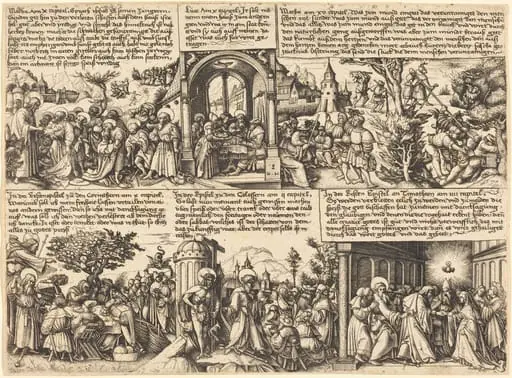 Jesus Christ Giving the Mission to the Apostles and Other New Testament Scenes
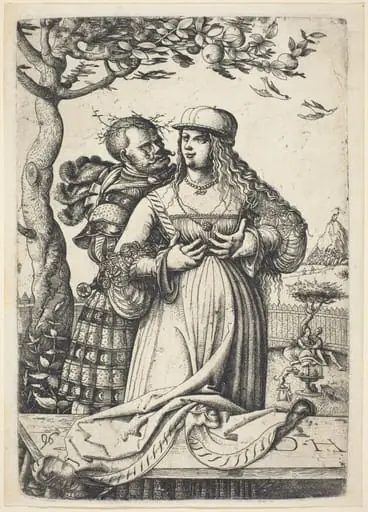 Soldier Embracing a Woman
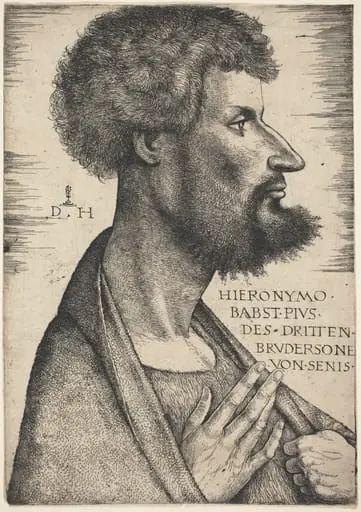 Girolamo da Siena
 The Virgin and Child with Saint Anne by a Portal
 Ornament Panel: Triton Ridden by a Child
 Coat of Arms of Lazarus Spengler
 High Ornament
 Head of Medusa
 Upright Ornament with Eight Naked Men
 Ornament with Flower and Eight Wild Folk
 Ornamental Panel Inscribed "Victoria Augusta"
 Female Figure
 Ornament Design with a Mask and an Eagle between Two Fauns Below
 Diana Standing
 Reliquary with Pietà
 Ornament Fillet