Artwork
Woman Seated on a Stool
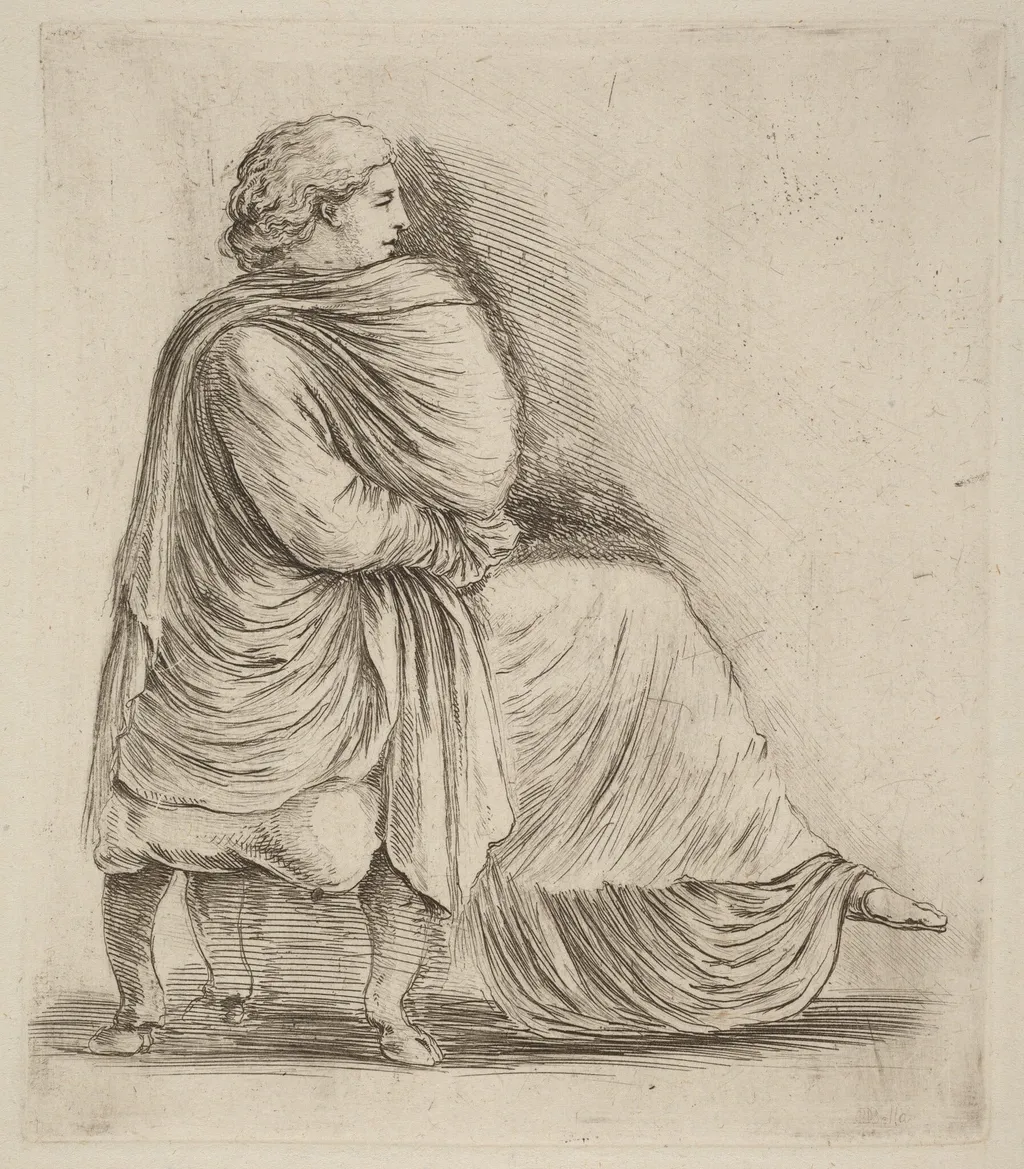
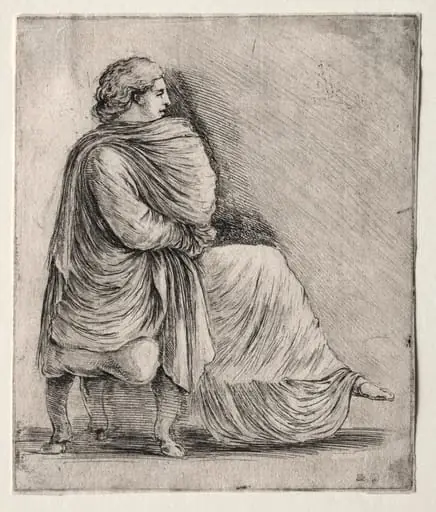
Woman Seated on a Stool is an ink print by the Baroque artist Stefano Della Bella. It dates from 1637 and is held in the collection of the National Gallery of Art.
About this work
Overview
This work belongs to his extensive body of genre subjects, capturing everyday moments with quiet observation rather than grand narrative.
Created in 1637 by Stefano della Bella, this etching on laid paper is a later impression made from the original copper plate. Della Bella, a Florentine artist renowned for his prolific print output, produced over a thousand etchings during his career. This work belongs to his extensive body of genre subjects, capturing everyday moments with quiet observation rather than grand narrative. The print’s status as a restrike indicates it was pulled decades after the plate’s initial creation.
Subject & Meaning
The image depicts a woman seated sideways on a simple stool, her back turned to the viewer. She wears a loose gown with a high collar and a shawl draped across her shoulders, her hair neatly gathered. One hand rests gently in her lap; the other supports the stool’s edge. The pose suggests a moment of stillness, unposed and unidealized. There is no overt symbolism—instead, the focus lies in the dignity of ordinary presence, a hallmark of della Bella’s approach to domestic life.
Technique & Style
Della Bella employed fine, layered etching lines to suggest texture and form, particularly in the folds of fabric and the weight of the shawl. The scratchy, deliberate strokes convey a sense of immediacy, typical of his draftsmanship. Unlike painted works, the medium allowed for rapid reproduction and subtle tonal variation through ink density and pressure. The lack of background emphasizes the figure, drawing attention to posture and gesture rather than setting.
History & Provenance
The original copper plate was created in 1637 and remained in use for subsequent printings over time. This impression is a restrike, likely made in the late 17th or early 18th century, when interest in della Bella’s work persisted among collectors. The paper type and watermark may help date the specific impression, though exact provenance of this copy is not documented. Such restrikes were common, preserving access to popular plates after the artist’s death.
Context
In mid-17th-century Florence, printmaking flourished as a medium for both artistic expression and dissemination of imagery. Della Bella’s work stood apart for its intimate scenes, contrasting with the grand religious or mythological themes favored by contemporaries. His etchings circulated widely across Europe, influencing how everyday life was rendered in graphic form. This piece reflects a broader trend toward secular, observational subjects in print culture.
Legacy
Della Bella’s etchings, including this one, contributed to the evolution of genre imagery in printmaking. His ability to capture quiet, unadorned moments influenced later artists interested in realism and informal portraiture. Though not widely exhibited in his lifetime, his plates were preserved and reprinted, ensuring his visual language endured. Today, his works remain valued for their technical precision and understated humanity.
Artist & collection
Artist
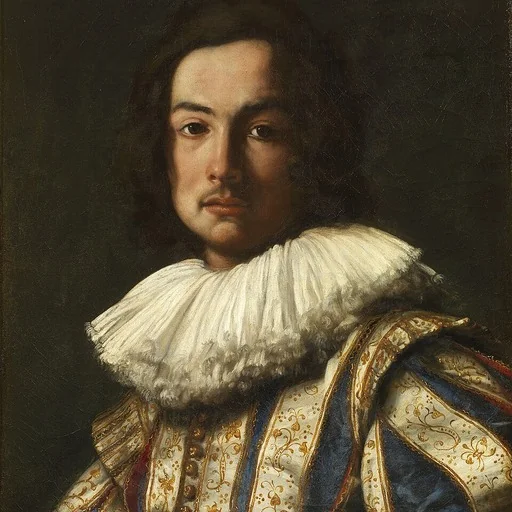
Stefano della Bella (18 May 1610 – 12 July 1664) was an Italian draughtsman and printmaker known for etchings of a great variety of subjects, including military and court scenes, landscapes, and lively genre scenes.

![The Flight into Egypt [verso], by Stefano Della Bella](https://artifactworldgallery.com/img/stefano-della-bella--the-flight-into-egypt-verso--3a100db72e6d25e3-w320.webp)
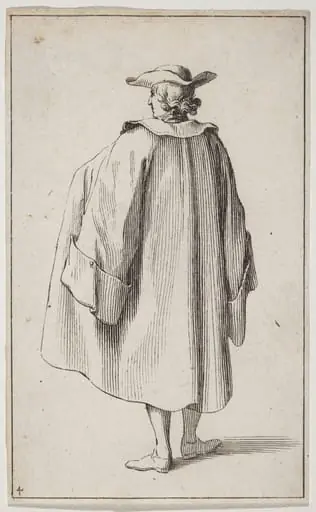 Standing Man Viewed from Behind
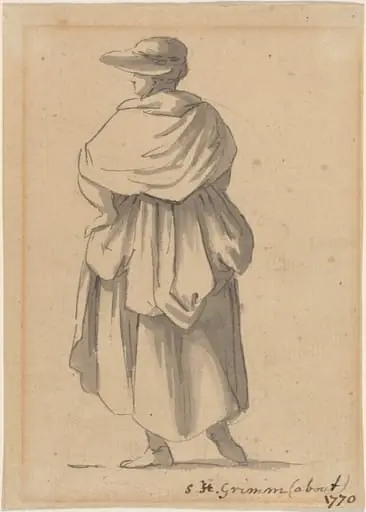 A Peasant Woman
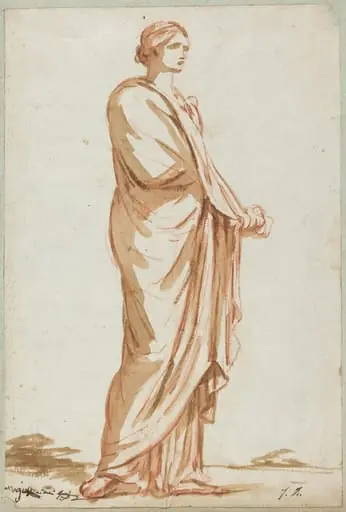 Roman Statue of a Standing Woman
 Beggar with Bare Head and Feet
 Beggar with Bare Head and Feet
 Figure Studies including Seated Mother and Child
 Standing Man
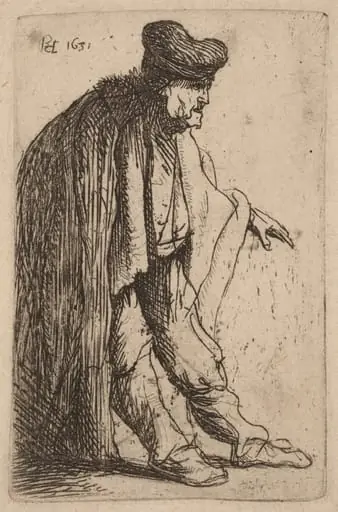 Beggar with His Left Hand Extended
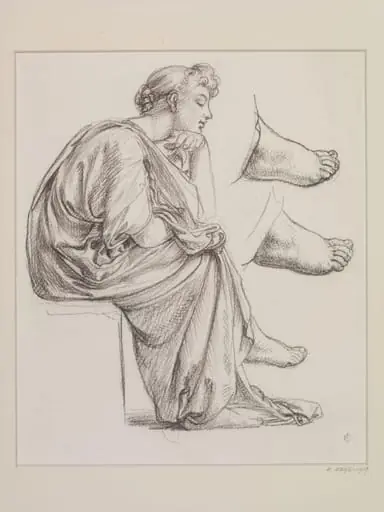 Studies for a Science Certificate, Department of Science and Art
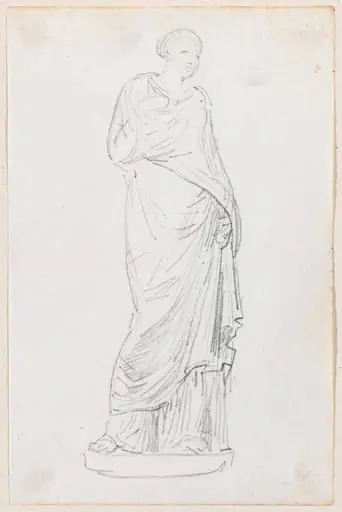 Statue of a Female in a Toga
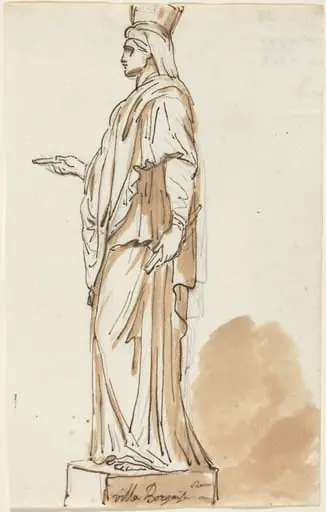 The Borghese Cybele
 Woman Seated on a Stool