Artwork
Edward, Lord Littleton
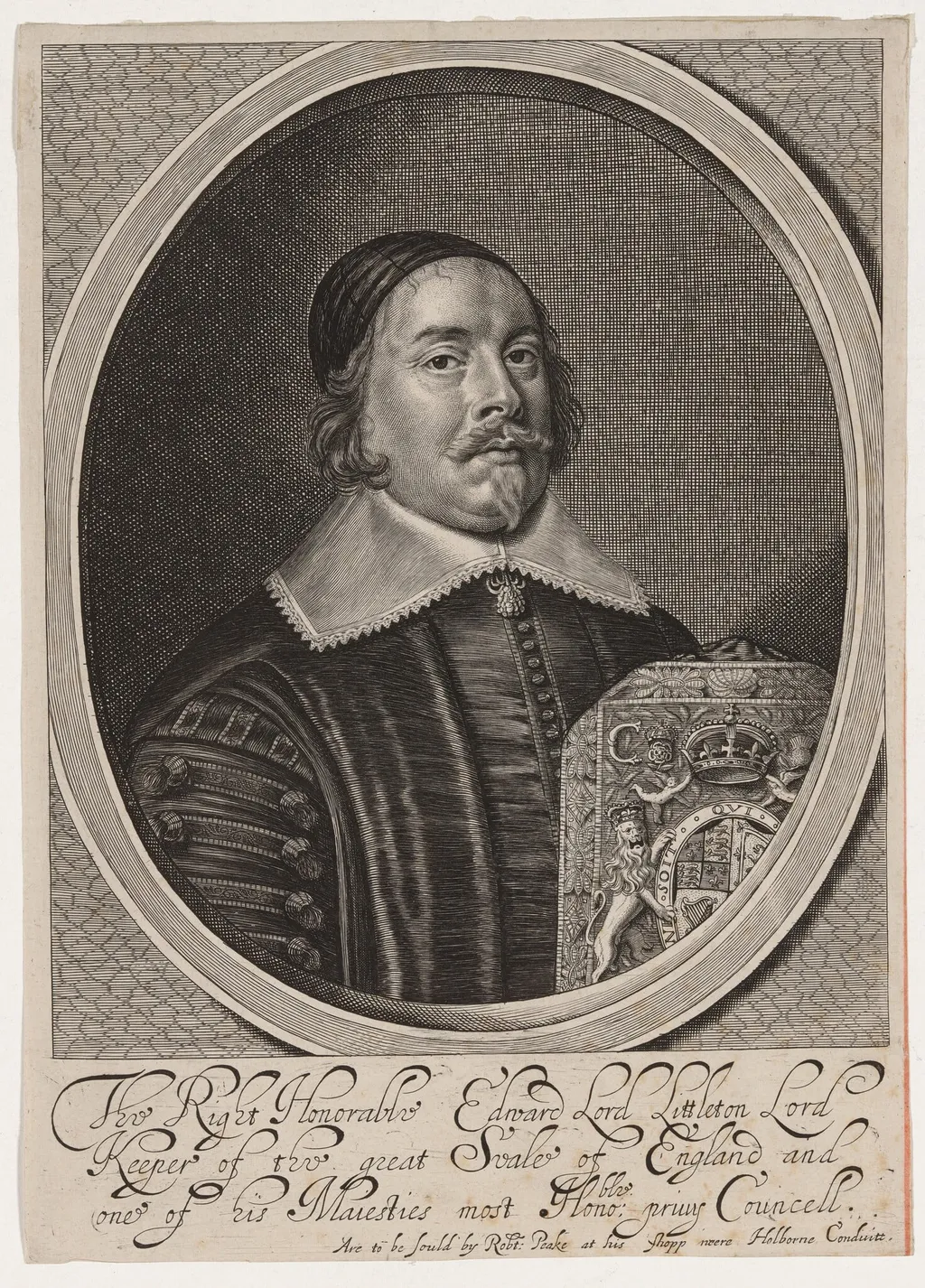
Edward, Lord Littleton is an ink print by the Baroque artist William Faithorne. It dates from 1659 and is held in the collection of the National Gallery of Art.
About this work
Overview
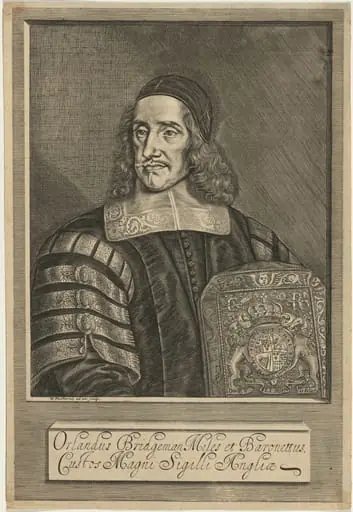
Created in 1659 by William Faithorne, this black-and-white engraving depicts Edward, Lord Littleton, a member of the royal council during the Interregnum.
Created in 1659 by William Faithorne, this black-and-white engraving depicts Edward, Lord Littleton, a member of the royal council during the Interregnum. The portrait is rendered in fine linear detail, confined within a rounded frame, and accompanied by an inscription identifying his title and role. Faithorne’s signature and the note of sale near Holborn indicate the print’s commercial circulation among London’s literate elite.
Subject & Meaning
Edward, Lord Littleton is portrayed with solemn dignity, his stiff collar and ornate chain signaling his status within the aristocracy. The prominent coat of arms on his chest, featuring a crown and heraldic symbols, reinforces his lineage and political authority. The plain background focuses attention on his identity and official role, reflecting the era’s emphasis on lineage and service to the crown despite the absence of a monarchy.
Technique & Style
Faithorne employed fine-line engraving to render texture and form with precision. The intricate details of the collar, chain, and heraldic emblem were achieved through carefully incised lines on a copper plate, then inked and pressed onto paper. The tonal range is subtle, relying on line density rather than shading, characteristic of mid-17th-century English portrait engraving and its emphasis on clarity over dramatic contrast.
History & Provenance
The print was produced during the Commonwealth period, when portraits of royalist figures were still circulated despite political upheaval. Faithorne’s note of sale near Holborn suggests the work was marketed to a private audience sympathetic to the old order. Its survival indicates continued interest in aristocratic imagery, even under republican rule, and points to a network of collectors preserving noble iconography.
Context
In the late 1650s, England was governed by Oliver Cromwell, yet portraits of royalist nobles like Littleton persisted as symbols of continuity. Engravings served as accessible alternatives to painted portraits, allowing elite identities to be reproduced and shared. This work reflects the tension between political change and cultural memory, where visual representation maintained social hierarchies beyond formal power structures.
Legacy
Faithorne’s engraving of Lord Littleton exemplifies the role of print in preserving aristocratic identity during turbulent times. It contributed to a broader tradition of portrait engraving that bridged the gap between courtly portraiture and public dissemination. The work remains a document of how status was visually sustained in England’s transitional political landscape.
Artist & collection
Artist
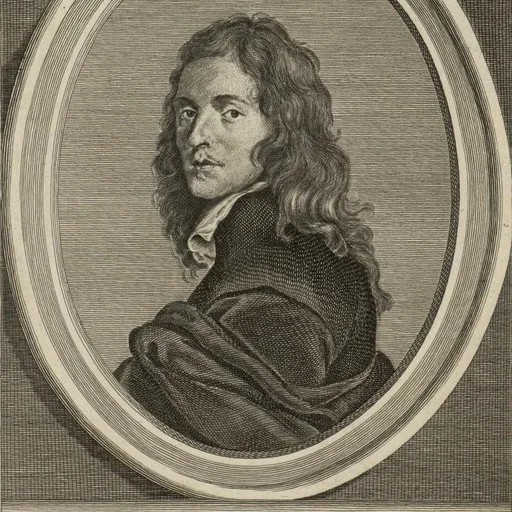
William Faithorne (1616–1691) was a British artist, born in Greater London.

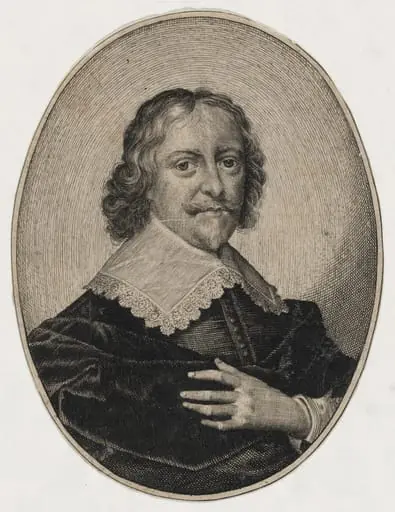 Portrait of a Man with a Broad Collar
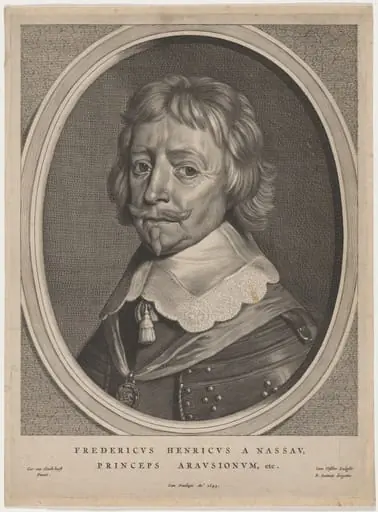 Frederick Henry of Orange
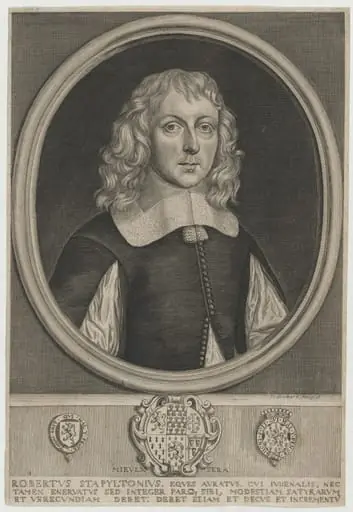 Sir Robert Stapylton, Dramatic Poet and Translator
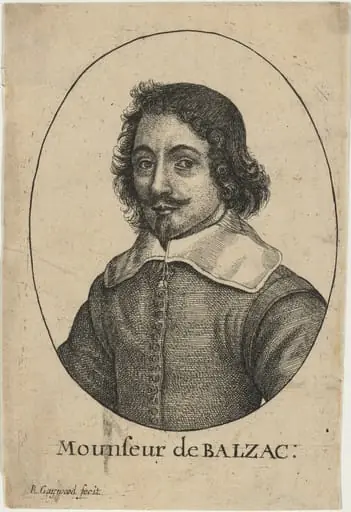 Jean Louis Guez, Sieur de Balzac
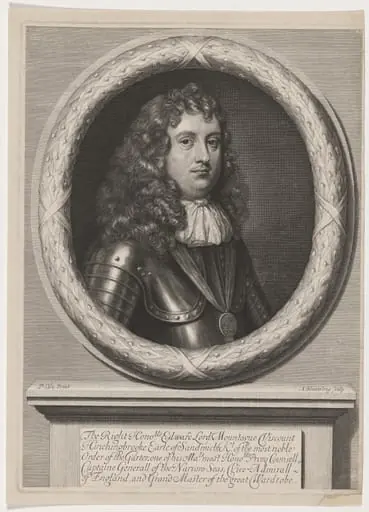 Edward Montagu, First Earl of Sandwich
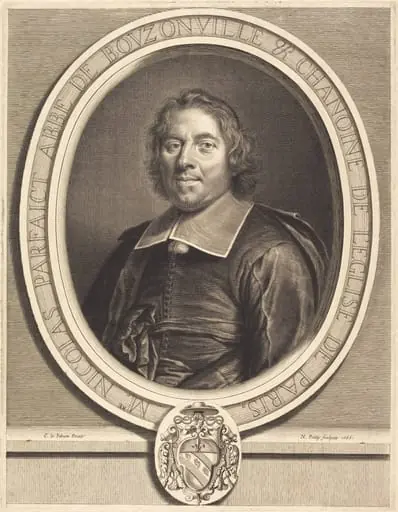 Nicolas Parfait
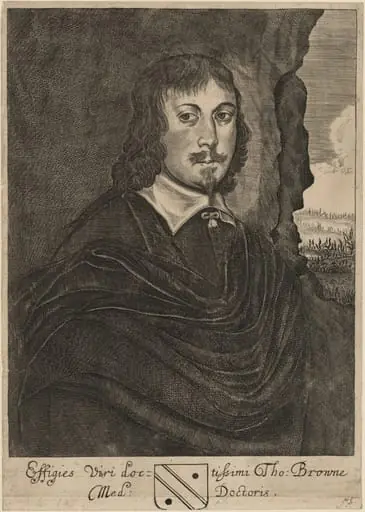 Tho. Browne, Med. Doctoris (Sir Thomas Browne, M.D.)
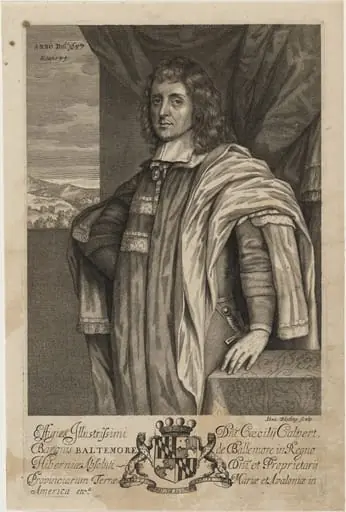 George Calvert, Lord Baltimore
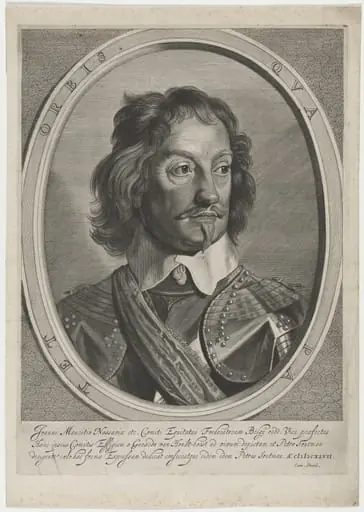 John Maurice, Count of Nassau
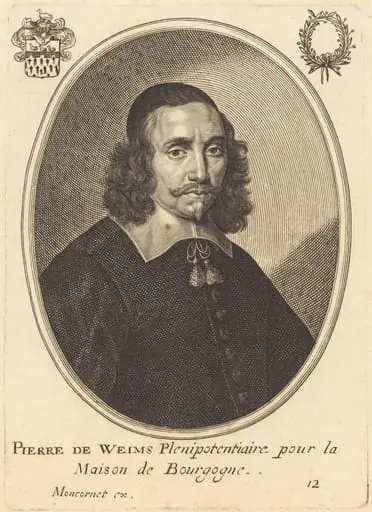 Pierre de Weims
 Gerrit van Honthorst
 Cardinal Jules Mazarin