Artwork
The Death of Saint Paul the Hermit
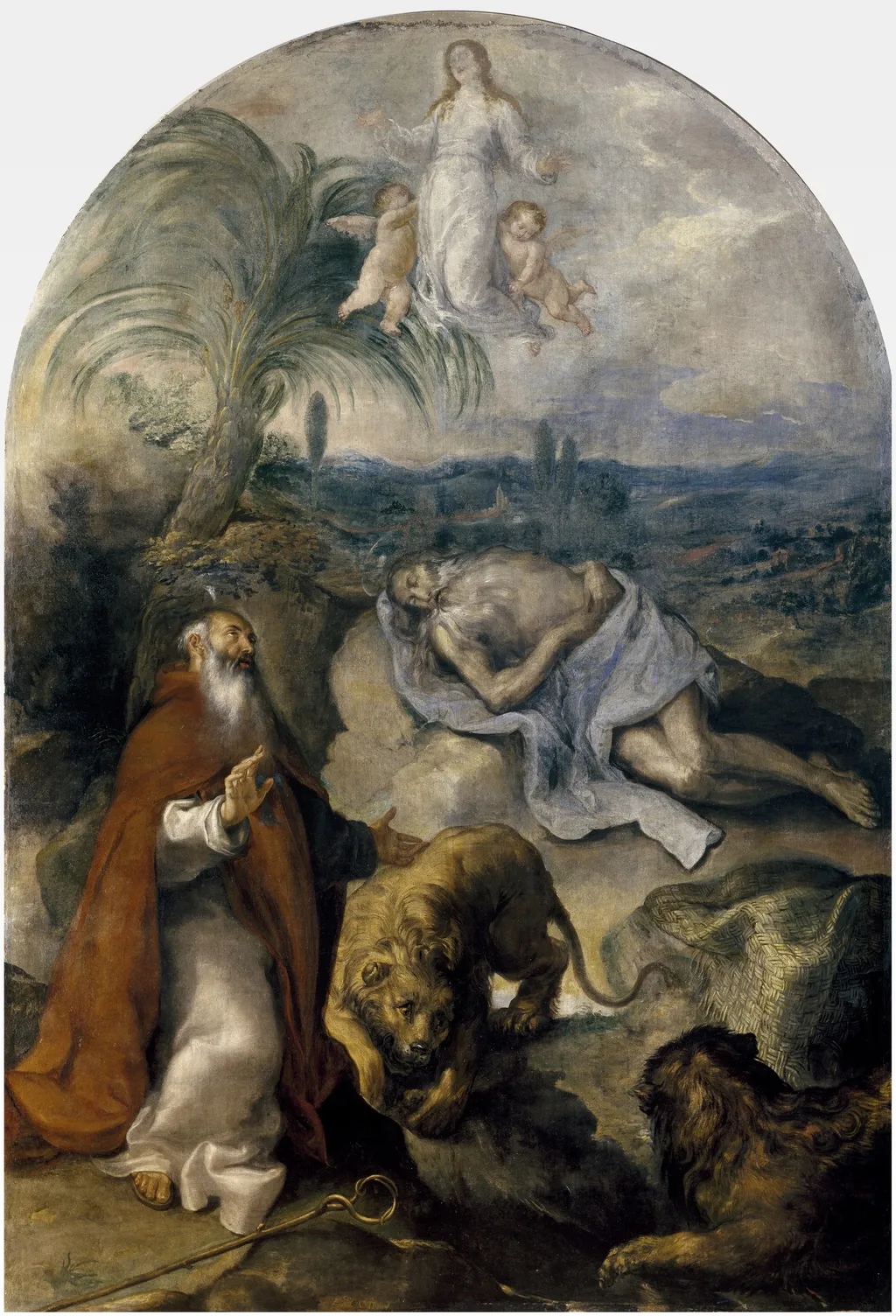
The Death of Saint Paul the Hermit is an oil painting by the Early Baroque Italian artist Francisco Camilo. It dates from 1649 and is held in the collection of the Museo del Prado.
About this work
Overview
Camilo, trained in Madrid under his stepfather Pedro de las Cuevas, produced this piece during a period of strong Italian Baroque influence.
Painted in 1649 by Francisco Camilo, this oil-on-canvas work depicts the death of Saint Paul the Hermit, an early Christian ascetic. Camilo, trained in Madrid under his stepfather Pedro de las Cuevas, produced this piece during a period of strong Italian Baroque influence. It is now held in the Museo del Prado, Madrid, as part of its Spanish Baroque collection. The composition balances earthly stillness with celestial presence, reflecting devotional themes common in Counter-Reformation art.
Subject & Meaning
The scene captures the moment of Saint Paul’s passing, shown lifeless beneath a white shroud, attended by two lions who, according to legend, dug his grave. Above, a celestial figure—likely the Virgin Mary—hovers with cherubs, symbolizing divine reception. A kneeling figure on the left, possibly Saint Anthony, prays in witness. The juxtaposition of mortal decay and heavenly ascent underscores the hermit’s spiritual triumph, aligning with hagiographic traditions that emphasized sanctity through solitude and death.
Technique & Style
Camilo employs chiaroscuro to model forms with dramatic light and shadow, enhancing the emotional gravity of the scene. The celestial figures are rendered with softer edges and luminous tones, contrasting with the heavier, textured application of paint on the earthly elements. Impasto is used subtly on the robe folds and the lions’ fur, adding tactile presence. The distant landscape, rendered in muted hues, recedes gently, reinforcing the sacred stillness of the foreground.
History & Provenance
Commissioned during Camilo’s mature period, the painting entered the Spanish royal collection before being transferred to the Museo del Prado in the early 19th century. Its attribution has remained consistent, supported by stylistic parallels to Camilo’s other religious works. No significant alterations or restorations are documented, preserving its original tonal balance and compositional intent as conceived in the mid-17th century.
Context
Created during Spain’s engagement with Counter-Reformation ideals, the painting reflects the Church’s emphasis on saintly models of piety and withdrawal from worldly life. Saint Paul the Hermit, as one of the first desert fathers, served as a spiritual exemplar. Camilo’s interpretation aligns with broader Iberian devotional art, where emotional restraint and celestial intervention coexisted to inspire contemplation among viewers.
Legacy
Though not widely known outside Spain, Camilo’s work contributed to the regional development of Baroque religious painting. His synthesis of Italian compositional gravity with Spanish solemnity influenced lesser-known contemporaries. The painting remains a quiet example of how devotional narratives were visually sustained in provincial courts and monastic circles, preserving the spiritual tone of early Christian asceticism through art.
Artist & collection
Artist
Francisco Camilo (Madrid 1610–Madrid 1671) was a Spanish painter, the son of an Italian immigrant who had settled in Madrid.

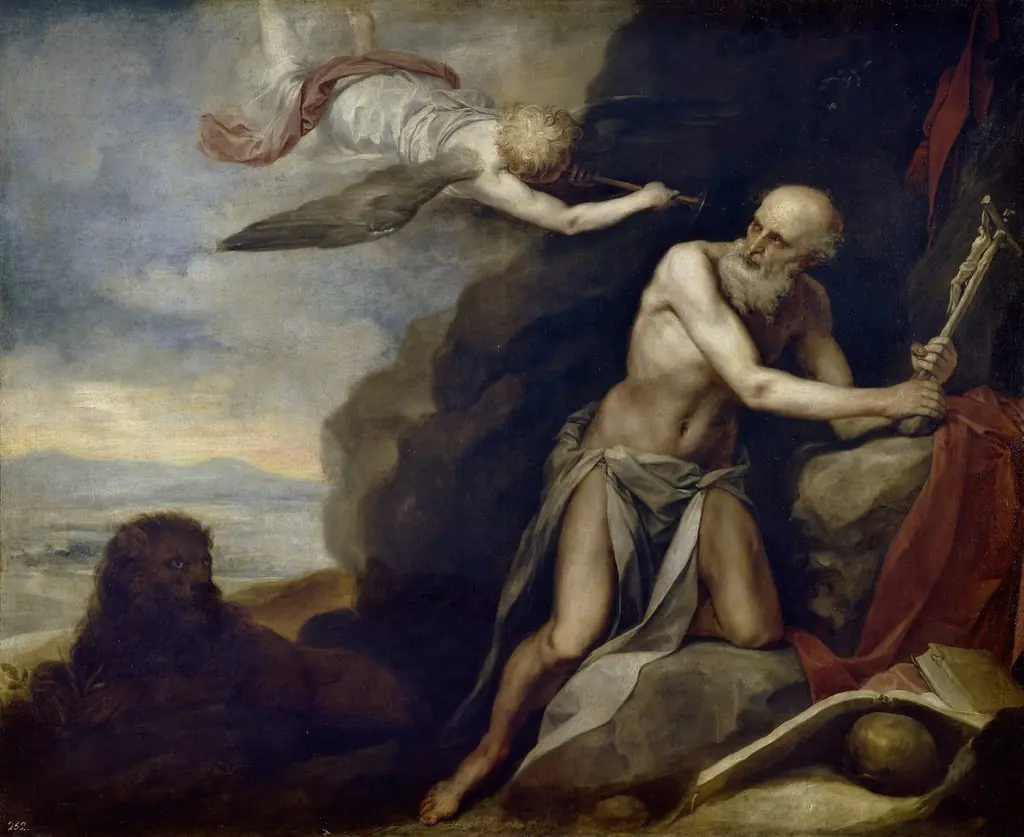 The penitent Saint Jerome
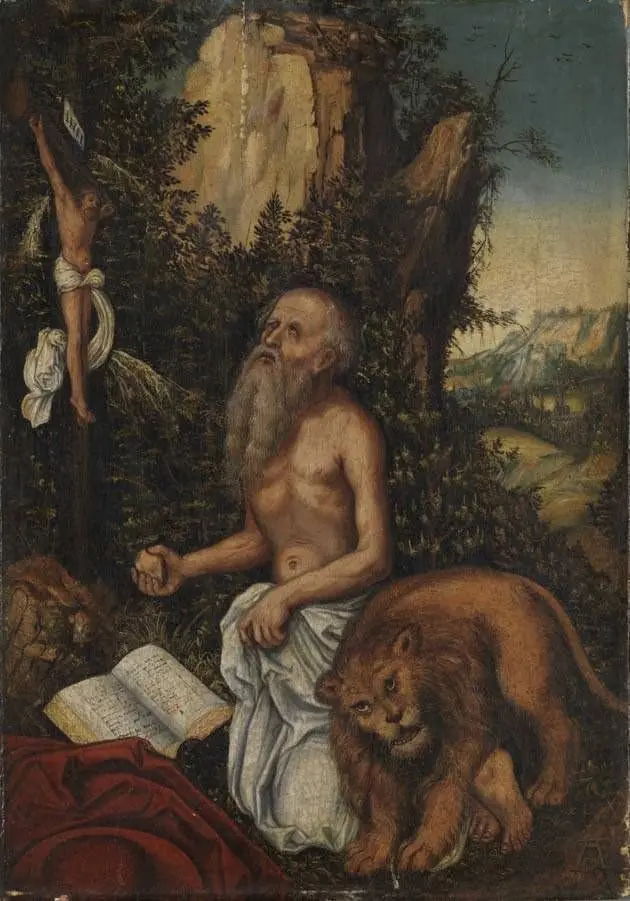 Saint Jerome
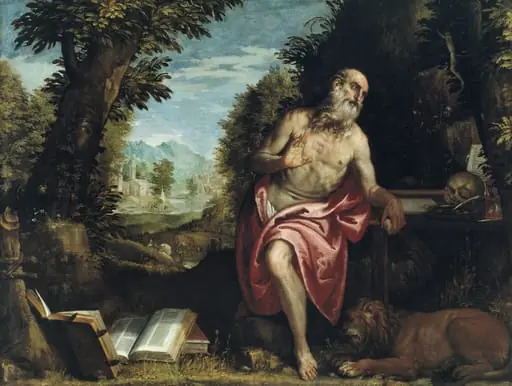 Saint Jerome in the Wilderness
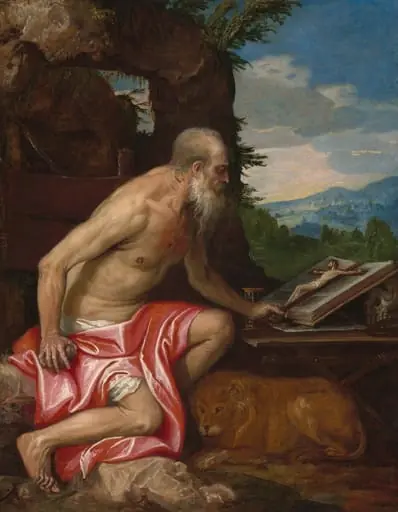 Saint Jerome in the Wilderness
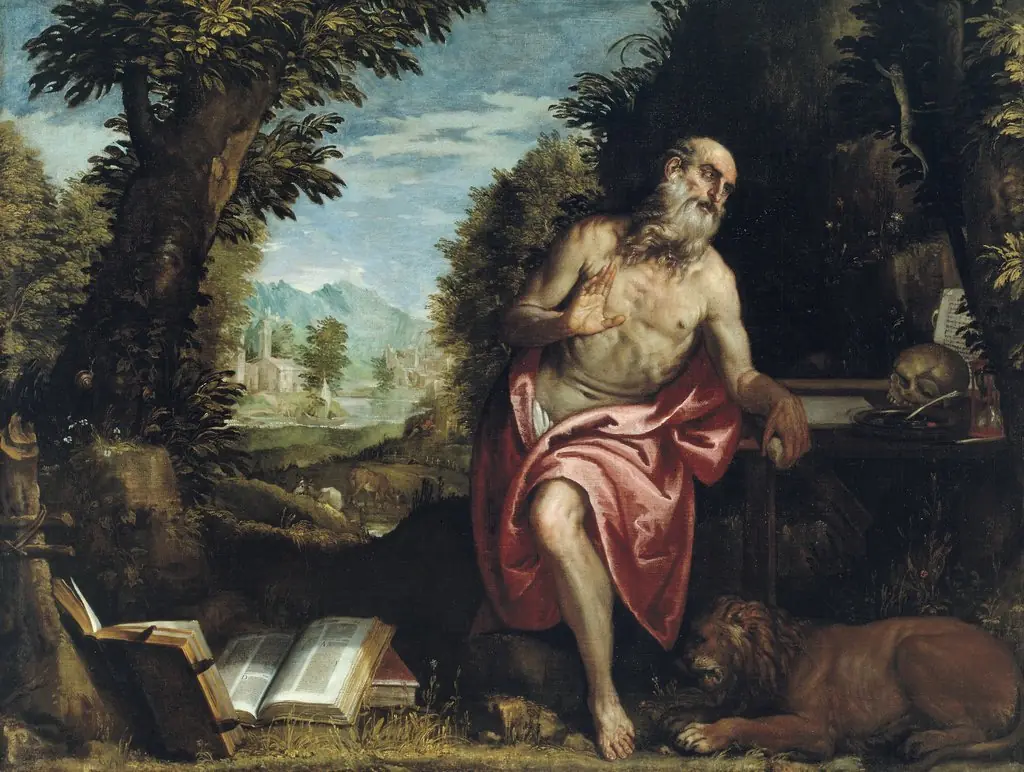 Saint Jerome in the Wilderness
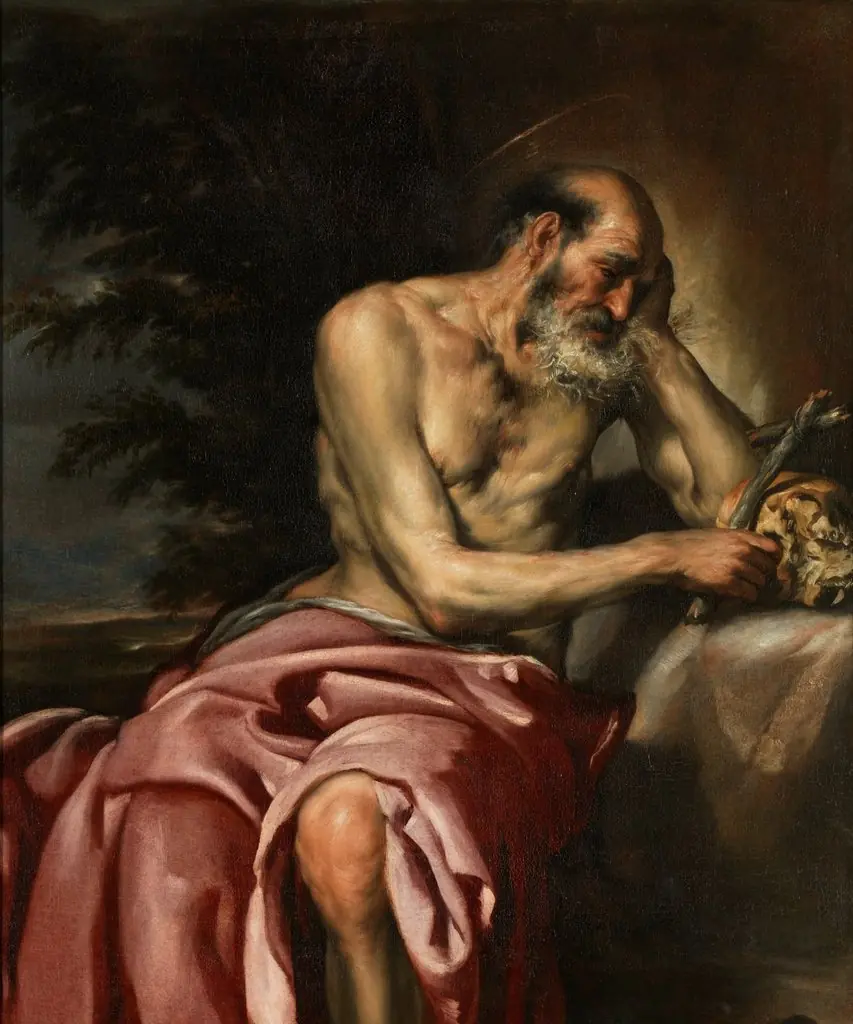 San Jerónimo penitente
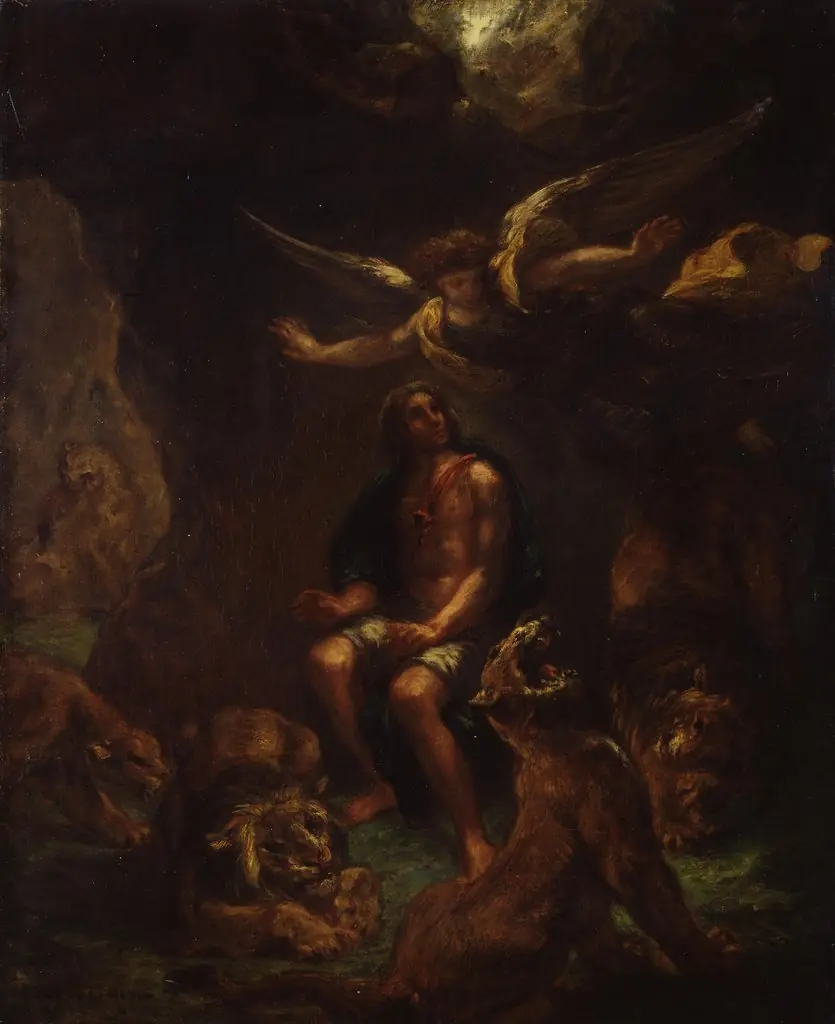 Daniel in the Lion's Den
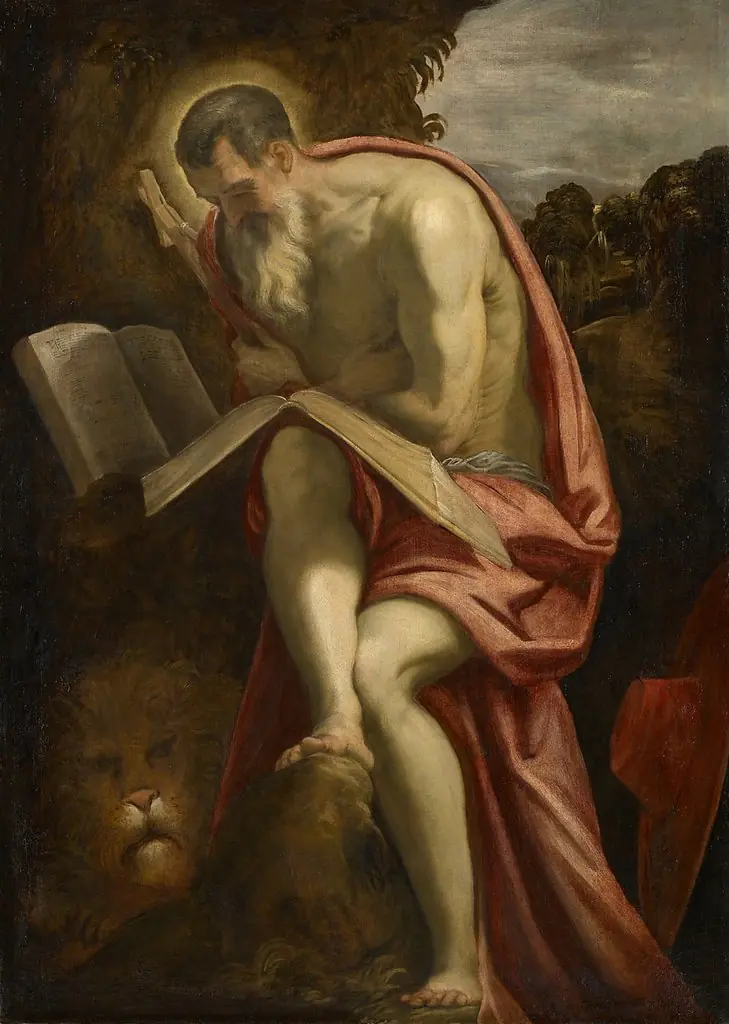 St. Jerome
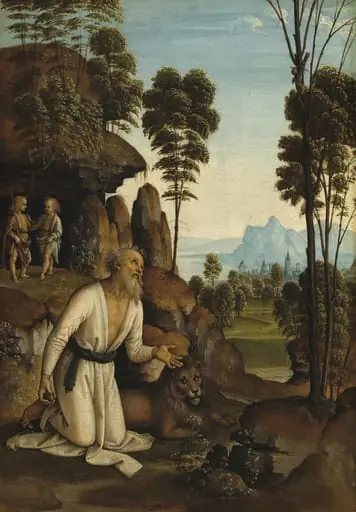 Saint Jerome in the Wilderness
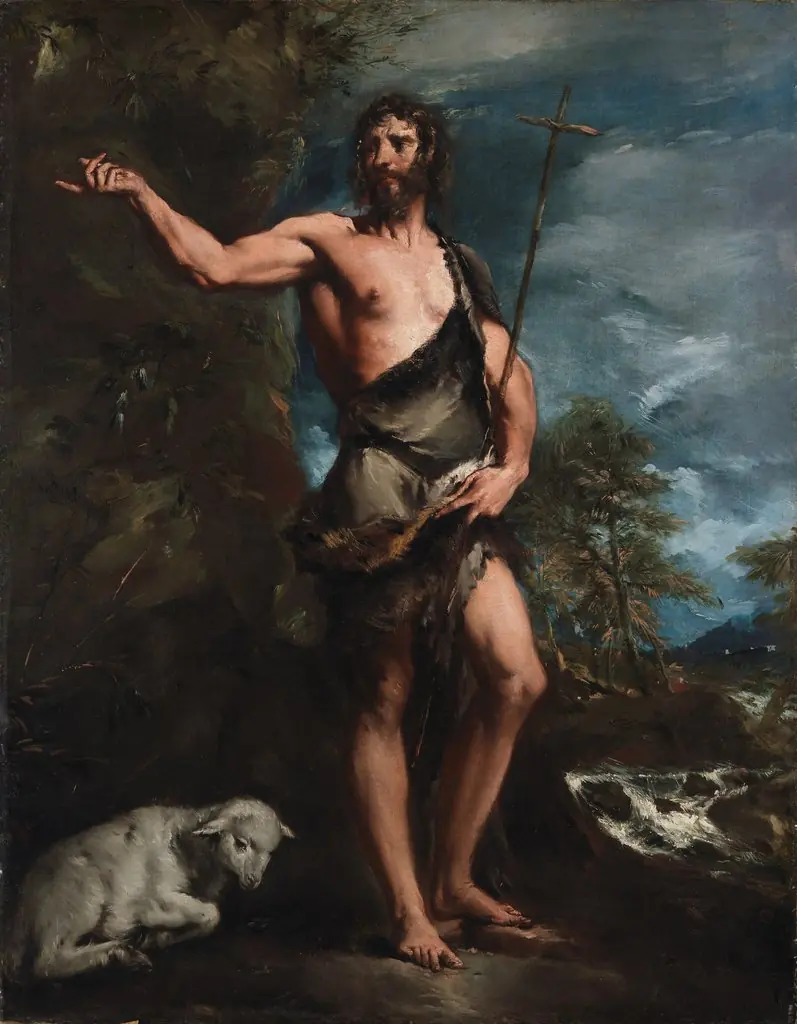 Saint John the Baptist in the Wilderness
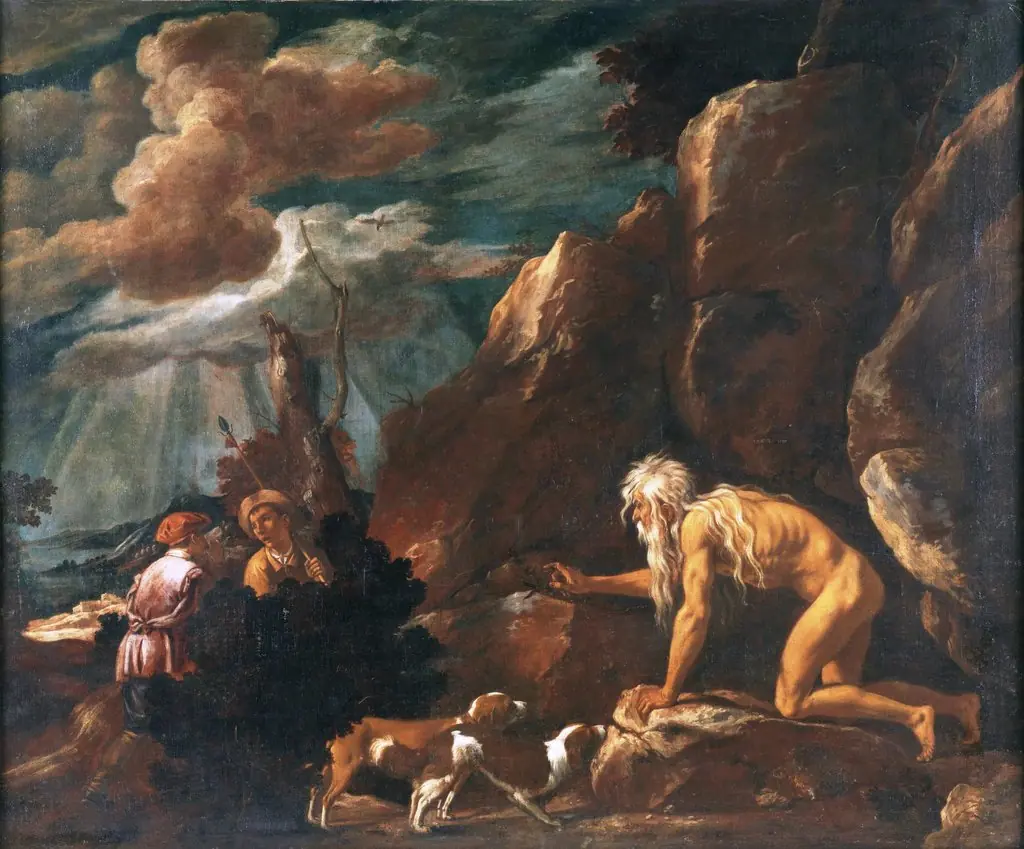 Saint John Chrysostom
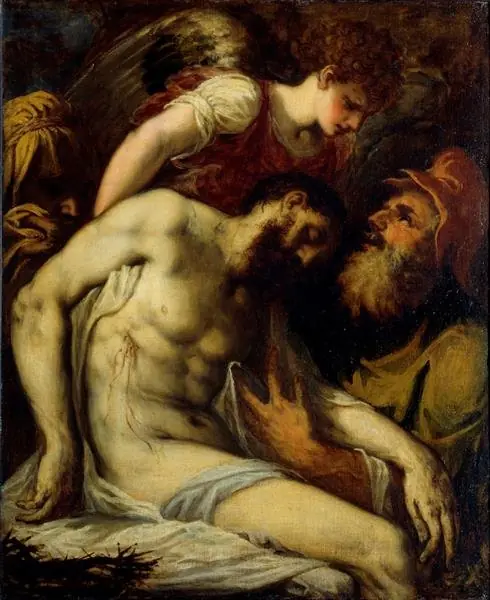 Dead Christ supported by Angels