Artwork
Seneca Standing in the Bath
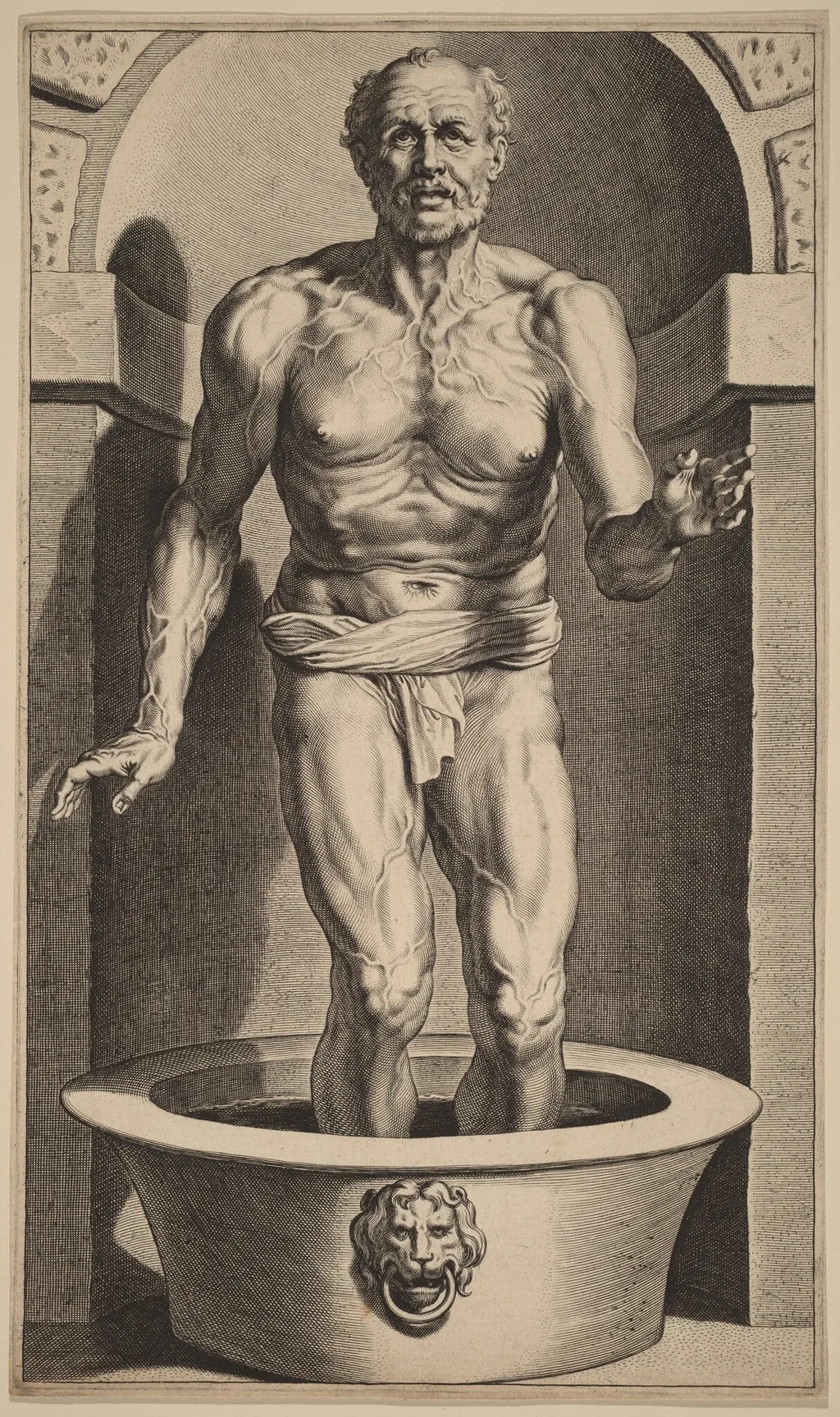
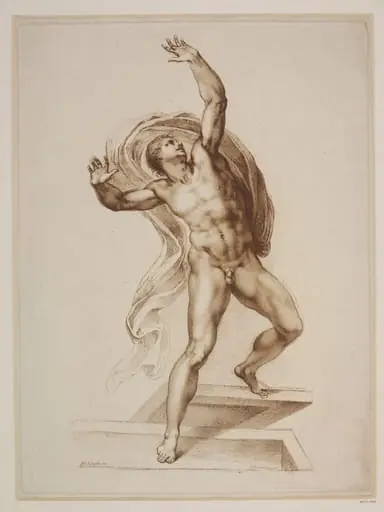
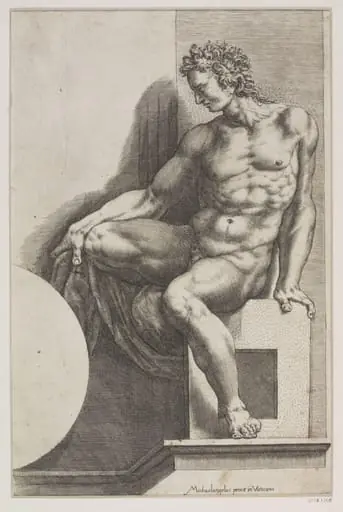
Seneca Standing in the Bath is an ink print by the Renaissance artist Cornelis Galle I. It dates from 1613 and is held in the collection of the National Gallery of Art.
About this work
Overview
Cornelis Galle the Elder, an Antwerp-born engraver active in the early seventeenth century, produced the print *Seneca Standing in the Bath* in 1613. Executed as a copper engraving, the image presents a nude male figure positioned in a marble tub, his arms extended and a modest cloth draped around his waist, set against a sparsely rendered architectural backdrop.
Subject & Meaning
The composition portrays a contemplative figure, his muscular form and furrowed expression suggesting a moment of philosophical reflection. The inclusion of a lion‑head faucet and classical architectural cues aligns the scene with antiquarian interests, evoking the Roman philosopher Seneca and the broader humanist preoccupation with the body as a vessel for intellectual inquiry.
Technique & Style
Galle employed fine cross‑hatching to model the anatomy, rendering muscle tone, veins, and the sheen of the skin with delicate line work. The engraving demonstrates his mastery of tonal gradation, using dense parallel lines for shadowed areas and lighter strokes for illuminated surfaces, a method refined during his stay in Rome and characteristic of early Baroque printmaking.
History & Provenance
Trained by his father Philip Galle, Cornelis spent several years in Rome before returning to Antwerp, where he combined his engraving practice with a thriving print‑selling business. The 1613 plate was likely produced for the Antwerp market, catering to collectors interested in classical subjects; surviving copies are found in European museum collections and private libraries.
Artist & collection

Artist
Cornelis Galle the Elder (1576 – 29 March 1650), a younger son of Philip Galle, was born at Antwerp in 1576, and was taught engraving by his father.

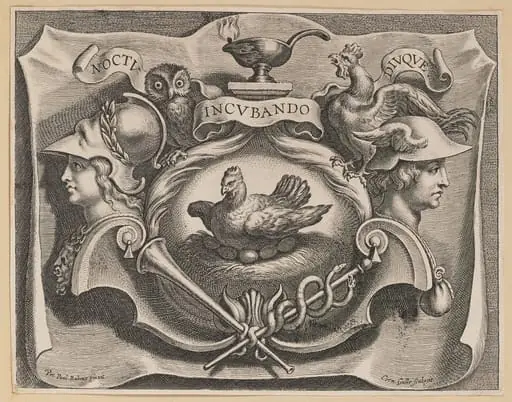 Vignette for the Title Page of Martinus Bonacina, Opera Omnia
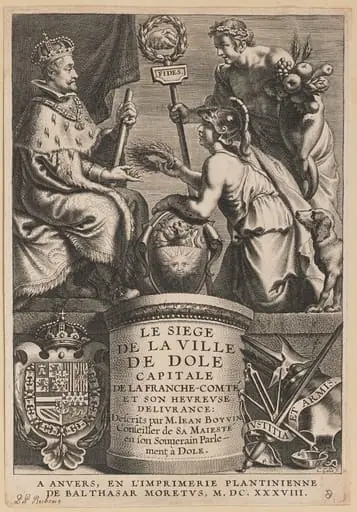 Title Page for Jean Boyvin, Le Siege de la Ville de Dole
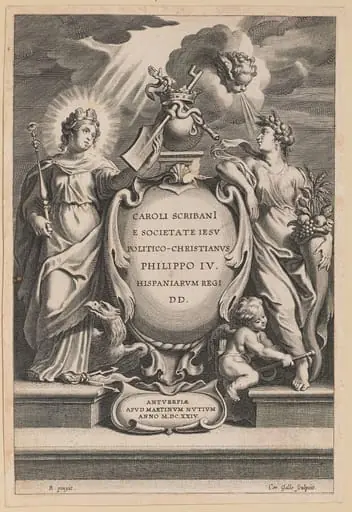 Title Page for Carolus Scribani, Politico-Christianus
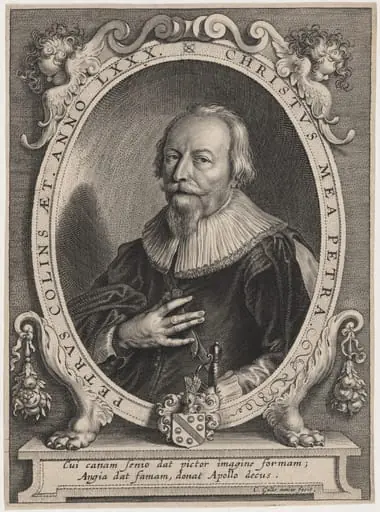 Petrus Collins
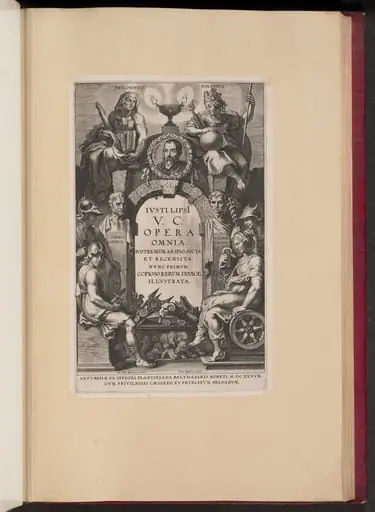 Title Page for Justus Lipsius, Opera Omnia, I
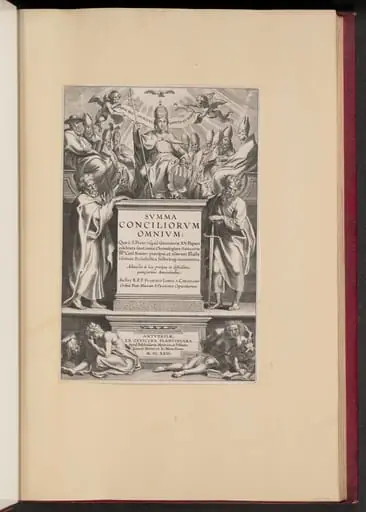 Title Page for F. Longo a Coriolano's "Svmma Conciliorvm Omnivm"
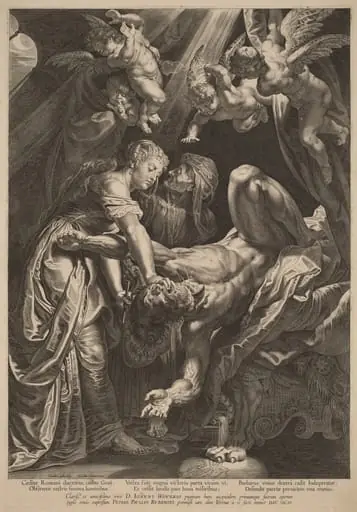 Judith Beheading Holofernes
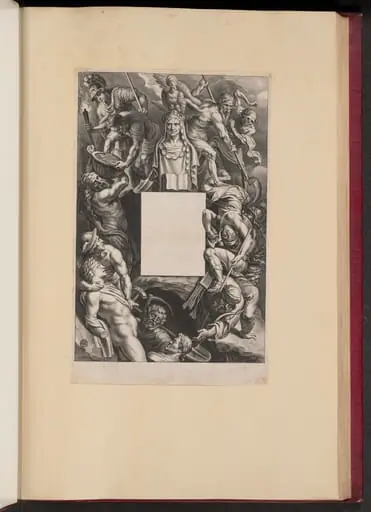 Title Page for Hubert Goltzius, Romanae et Graecae Antiqvitatis Monvmenta (Opera Omnia, I)
![The Borghese Gladiator, front view [plate 26], by François Perrier](https://artifactworldgallery.com/img/francois-perrier--the-borghese-gladiator-front-view-plate-26--5b649a5fe8c2f305-w320.webp)
![The Farnese Hercules, three-quarter view turned to left [plate 3], by François Perrier](https://artifactworldgallery.com/img/francois-perrier--the-farnese-hercules-three-quarter-view-turned-to-left-plate--b0564bebaad016fa-w320.webp)
![The Farnese Hercules, seen from behind [plate 4], by François Perrier](https://artifactworldgallery.com/img/francois-perrier--the-farnese-hercules-seen-from-behind-plate-4--075576b9459929be-w320.webp)