Artwork
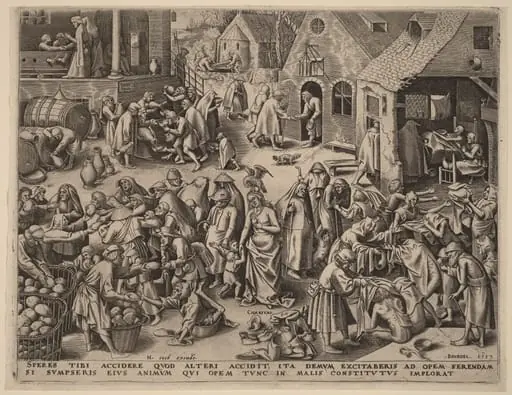
Charity [recto]
![Charity [recto], by Philip Galle, ink, 1559](https://artifactworldgallery.com/img/philip-galle--charity-recto--5c20ea2a094179e0-w1024.webp)
Charity [recto] is an ink print by the Renaissance artist Philip Galle. It dates from 1559 and is held in the collection of the National Gallery of Art.
About this work
Overview
As a leading Antwerp publisher and engraver, Galle specialized in translating paintings into printed form for wider distribution.
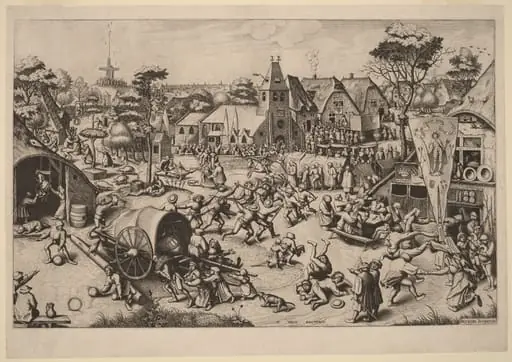
Philip Galle’s 1559 engraving *Charity* is part of a series reproducing designs by Pieter Bruegel the Elder. As a leading Antwerp publisher and engraver, Galle specialized in translating paintings into printed form for wider distribution. This work exemplifies the reproductive print culture of mid-16th-century Netherlandish art, where engraved plates allowed artistic compositions to reach audiences beyond original patrons.
Subject & Meaning
The engraving presents Charity as an allegorical figure, depicted with children gathered around her in a bustling urban setting. The scene illustrates acts of compassion—feeding the poor, caring for the ill, offering alms—interwoven with daily life: musicians play, laborers work, and bystanders observe. The composition transforms a moral ideal into a vivid social tableau, grounding spiritual virtue in the textures of contemporary Netherlandish community.
Technique & Style
Galle employed fine, precise engraving lines to render intricate detail across a densely packed composition. Overlapping figures, layered architecture, and subtle gradations of tone create spatial depth despite the lack of perspective. The meticulous cross-hatching and controlled line weight define textures—from fabric folds to stone surfaces—reflecting the technical rigor of Netherlandish printmaking and its emphasis on narrative clarity through detail.
History & Provenance
Created in Antwerp during the height of the print trade, the engraving was likely produced for sale to collectors and civic institutions. Galle’s workshop frequently collaborated with Bruegel’s circle, ensuring broad dissemination of his imagery. While the original painting by Bruegel is lost, Galle’s print survives in multiple impressions across European collections, serving as a key record of Bruegel’s lost compositions.
Context
In mid-16th-century Flanders, prints like this served both devotional and educational purposes, reinforcing Christian virtues through accessible imagery. The emphasis on communal charity aligned with Catholic teachings during the Counter-Reformation, even as Protestant regions questioned such visual allegories. Galle’s work reflects the tension between religious ideals and the growing urban middle class’s interest in moral and social order.
Legacy
Galle’s engraving preserved Bruegel’s vision for future generations, influencing how Charity was visually conceptualized in Northern European art. Its detailed realism and social observation became a model for later printmakers. Though no longer widely exhibited, the print remains a critical artifact for understanding the transmission of artistic ideas and the role of print in shaping public morality during the Renaissance.
Artist & collection
Artist
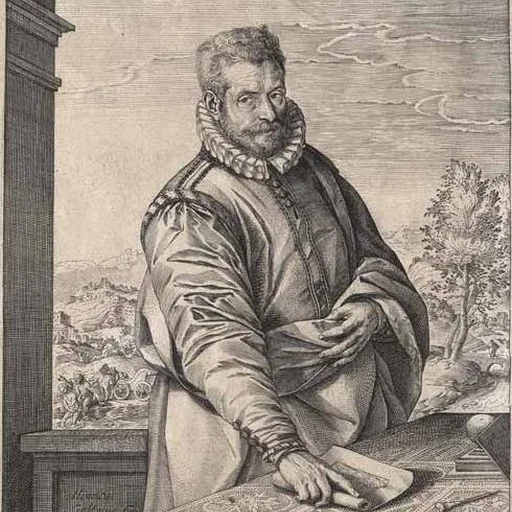
Philip (or Philips) Galle (1537 – March 1612) was a Dutch publisher, best known for publishing old master prints, which he also produced as designer and engraver. He is especially known for his reproductive engravings of paintings.

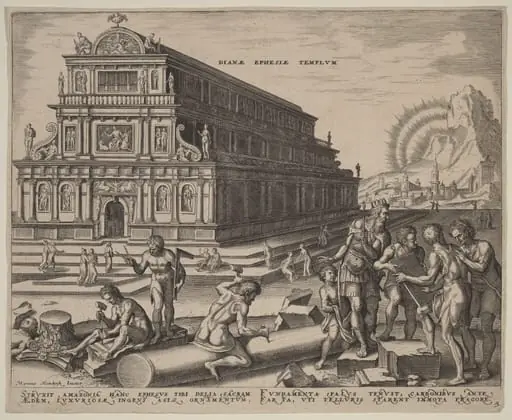 Dianae Ephesiae Templum (The Temple of Diana at Ephesus)
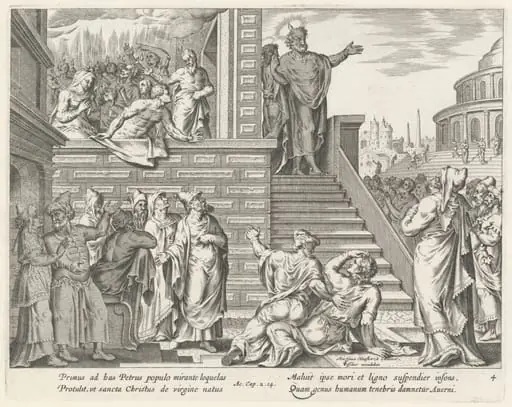 Saint Peter Speaks to the People about Christ
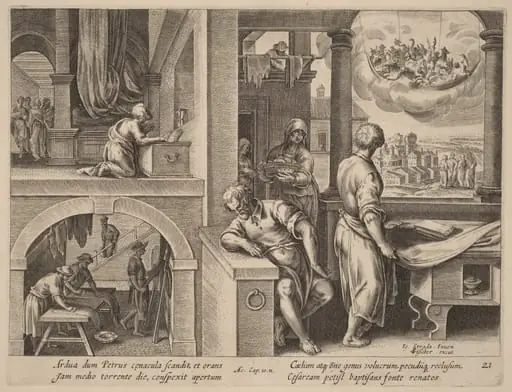 The Vision of Saint Peter
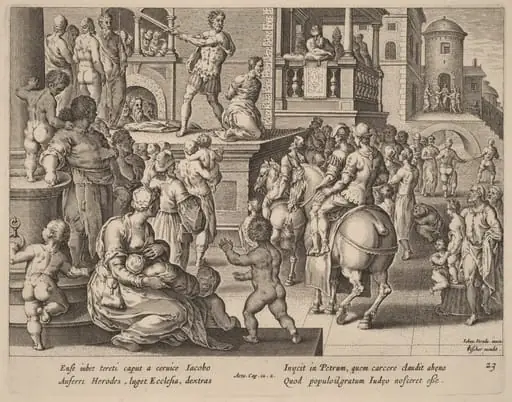 Beheading of Saint James
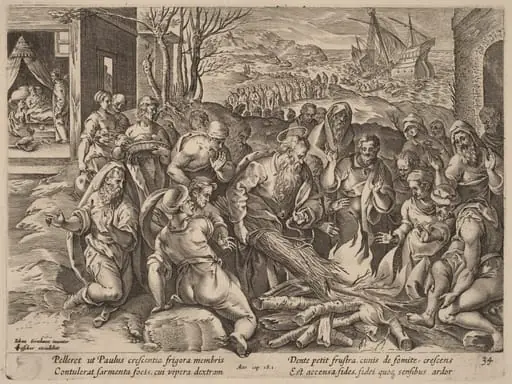 Saint Paul Shipwrecked on the Island of Melita
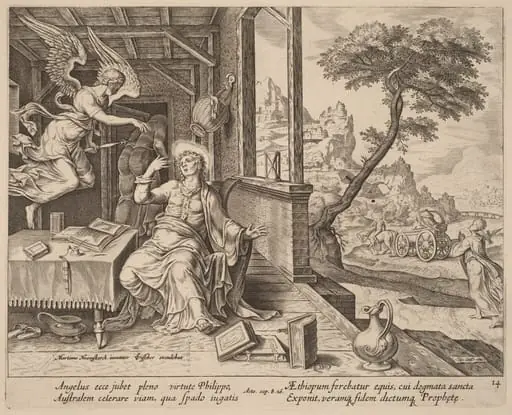 The Angel Orders Saint Philip to Accompany the Ethiopian Eunuch
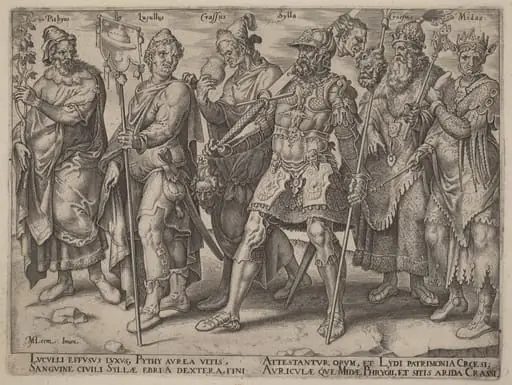 Notorious Examples of Wealth from Antiquity
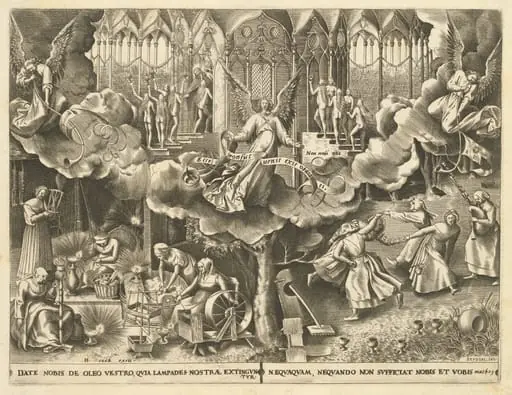 The Parable of the Wise and Foolish Virgins