Artwork
Title Page
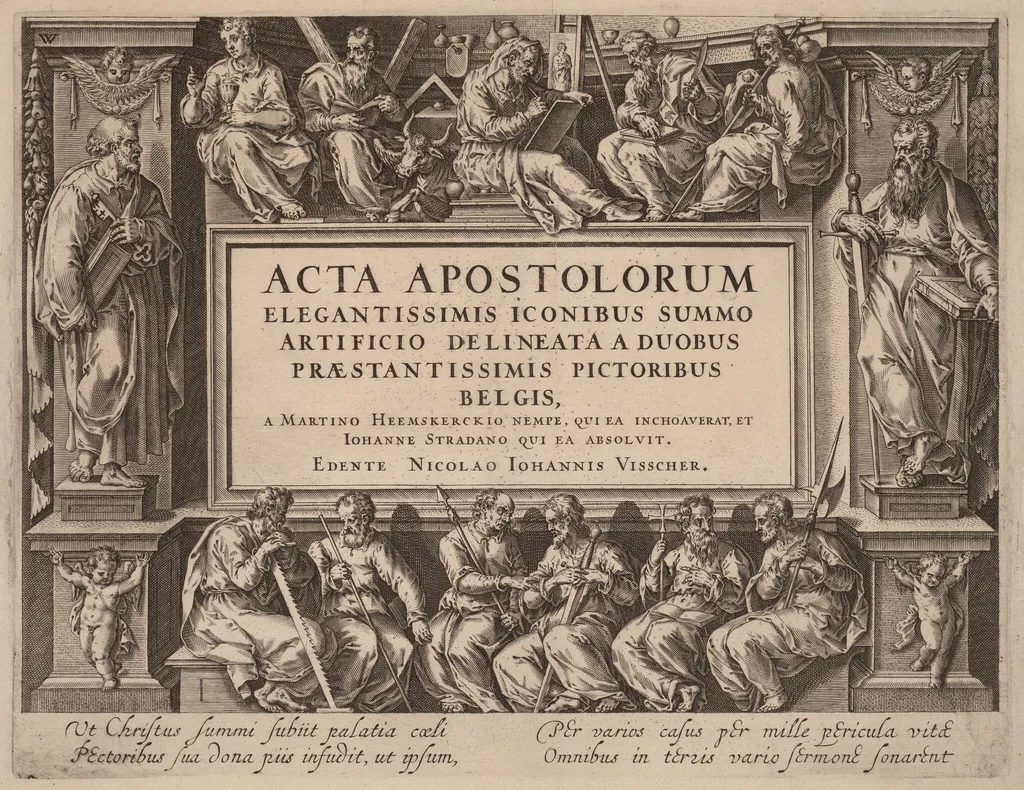
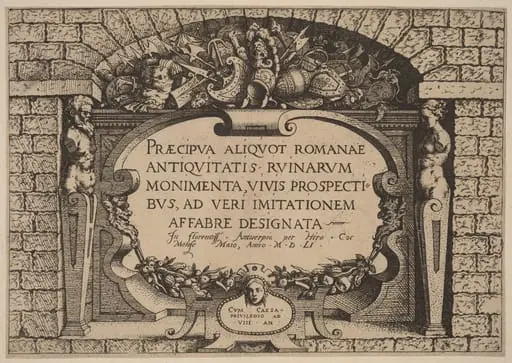
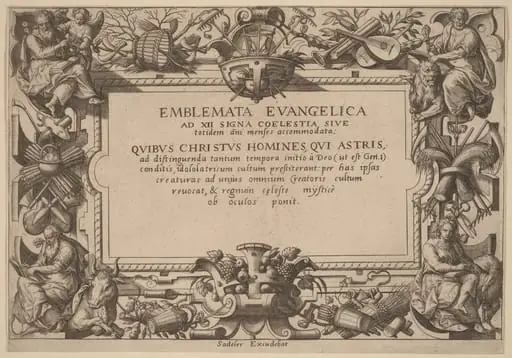
Title Page is an ink print by the Renaissance artist Philip Galle. It dates from 1574 and is held in the collection of the National Gallery of Art.
About this work
Overview
This work served as an introductory plate, a standard practice in Renaissance print culture to frame collections of images or scholarly projects.
Philip Galle, a Dutch printmaker active from 1537 to 1612, created this 1574 engraving as a title page for a printed series. Known for reproducing paintings and designing original compositions, Galle translated existing drawings into detailed intaglio prints. This work served as an introductory plate, a standard practice in Renaissance print culture to frame collections of images or scholarly projects.
Subject & Meaning
The composition divides into two horizontal scenes: upper and lower. Above, scholars and artisans sit on steps, holding books and instruments, suggesting intellectual pursuit. Below, musicians perform on period instruments, evoking the harmony of the arts. The figures, dressed in classical robes, imply a timeless ideal of learning and creativity, aligning the visual program with humanist values of the era.
Technique & Style
Galle employed fine-line engraving to render intricate details across the entire surface. Figures, drapery, and architectural elements are defined with precise, controlled strokes, characteristic of Northern Renaissance printmaking. The dense arrangement of forms and the uniform tonal range reflect the technical demands of reproductive engraving, prioritizing clarity and legibility over atmospheric depth.
History & Provenance
The design originated from drawings by Martino Heemskerck and Johannes Stradanus, both prominent artists associated with the Antwerp print trade. Galle, as publisher and engraver, adapted their work for mass circulation. The print was likely part of a larger series, common in the 1570s, where collaborative production allowed for the dissemination of artistic and scholarly imagery across Europe.
Context
In late 16th-century Antwerp, printmaking flourished as a medium for disseminating knowledge and art. Title pages like this one functioned as both advertisements and intellectual statements, linking visual culture with humanist ideals. The inclusion of classical attire and scholarly activity reflects the period’s reverence for antiquity and the belief in the unity of the arts and sciences.
Legacy
Galle’s engraving exemplifies the collaborative nature of Renaissance print production, where designers, engravers, and publishers each contributed to a shared cultural project. While not widely known today, such works were instrumental in shaping the visual language of scholarly publishing and helped standardize the role of the title page as a conceptual gateway to printed collections.
Artist & collection
Artist
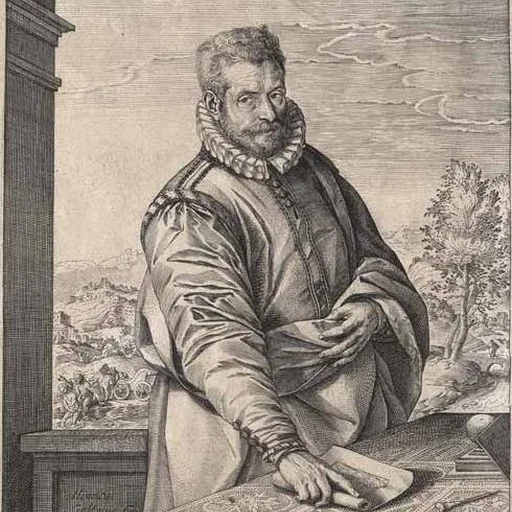
Philip (or Philips) Galle (1537 – March 1612) was a Dutch publisher, best known for publishing old master prints, which he also produced as designer and engraver. He is especially known for his reproductive engravings of paintings.

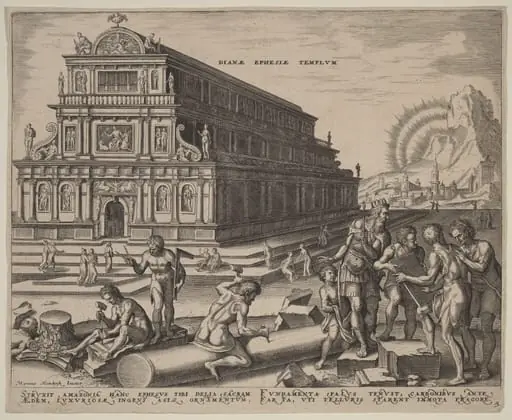 Dianae Ephesiae Templum (The Temple of Diana at Ephesus)
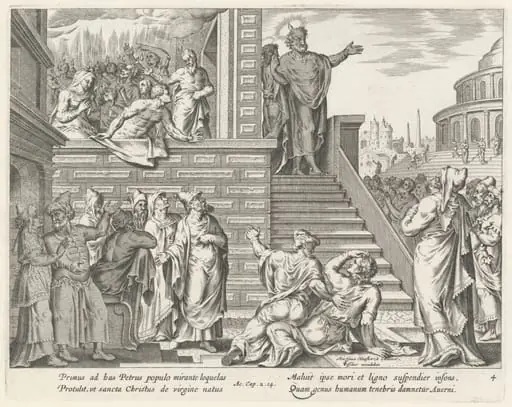 Saint Peter Speaks to the People about Christ
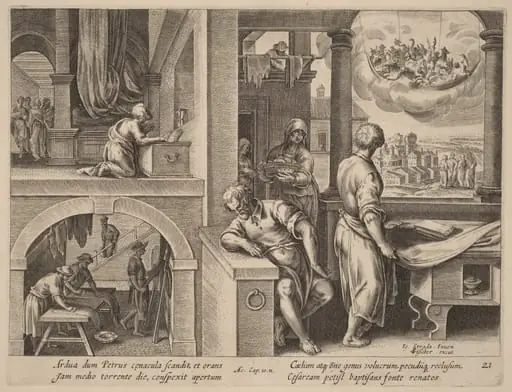 The Vision of Saint Peter
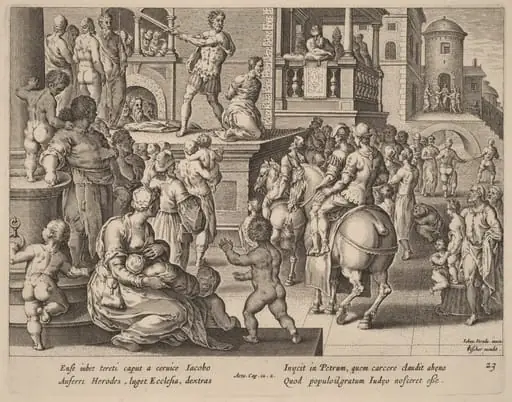 Beheading of Saint James
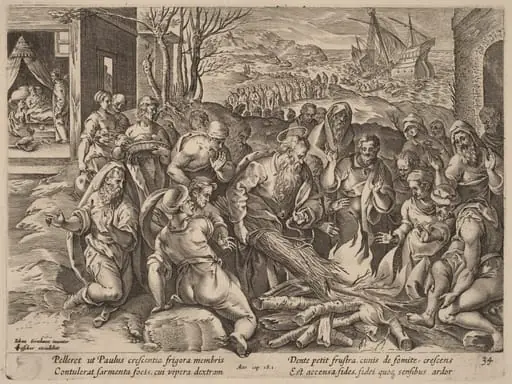 Saint Paul Shipwrecked on the Island of Melita
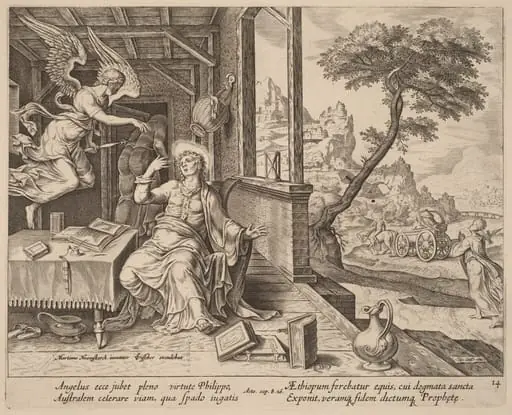 The Angel Orders Saint Philip to Accompany the Ethiopian Eunuch
 Notorious Examples of Wealth from Antiquity
 The Parable of the Wise and Foolish Virgins
 Title Page
 Title Page for Apostolicarvm PII Qvinti Pont. Max...
 Title Page
 Title Page for R.P. Jacobi Tirini's "Commentarius in Vetvs et Novvm Testamentvm"
 Maximilian Presented by His Patron Saints to the Almighty
 Title Page for Justus Lipsius, Opera Omnia, I
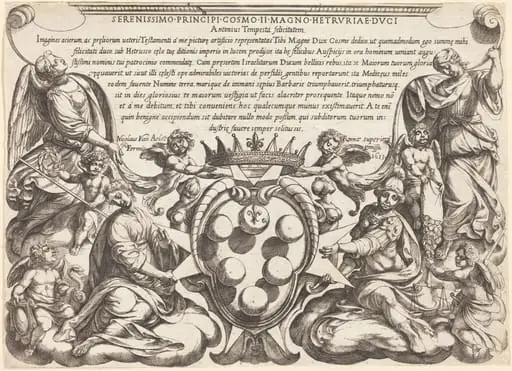 Frontispiece
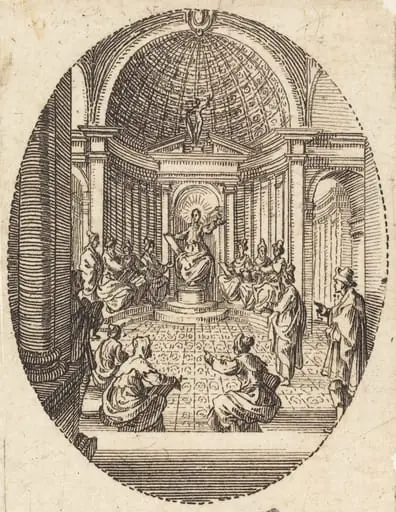 Christ among the Doctors
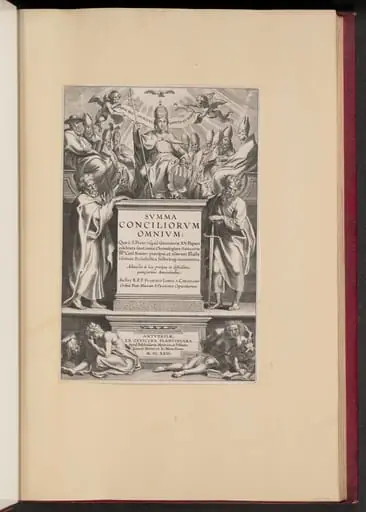 Title Page for F. Longo a Coriolano's "Svmma Conciliorvm Omnivm"
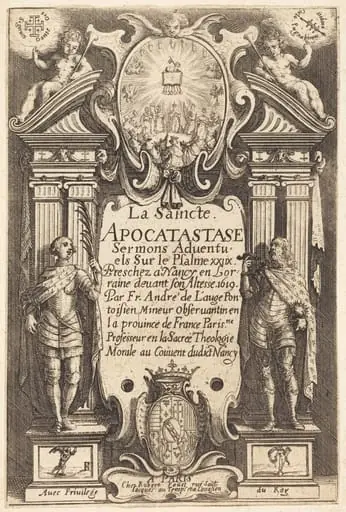 Frontispiece of the Holy Apocatastase
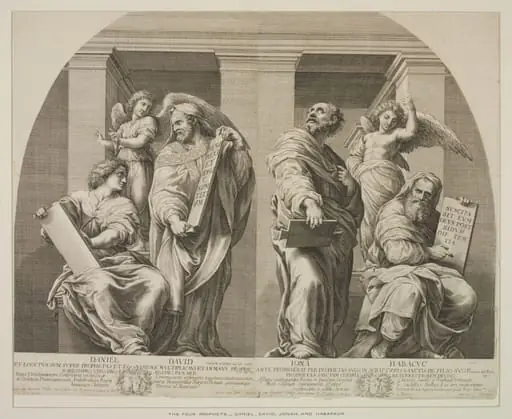 The Four Prophets, Daniel, David, Jonas and Habakkuk
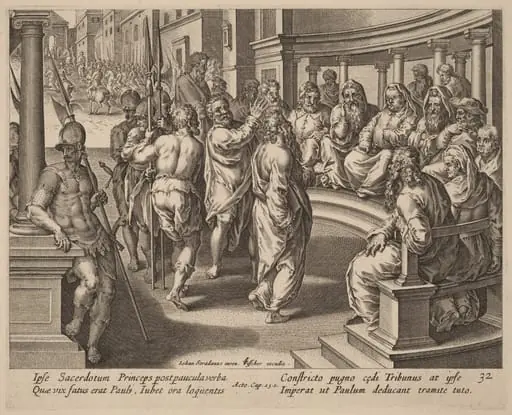 Saint Paul before the High Priest