Artwork
Saint Bernard of Clairvaux
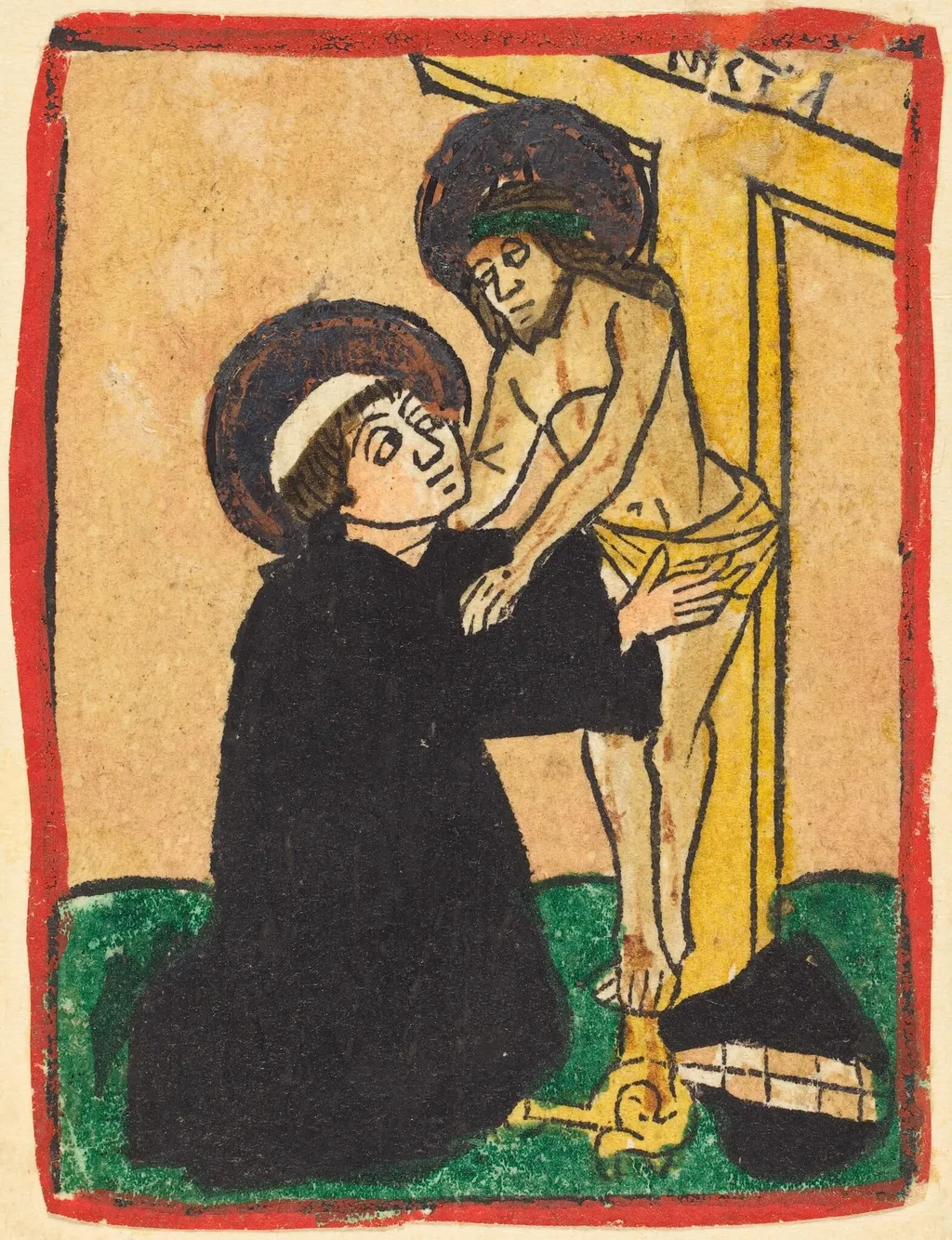
Saint Bernard of Clairvaux is an ink print by the Renaissance artist German 15th Century. It dates from 1472 and is held in the collection of the National Gallery of Art.
About this work
Overview
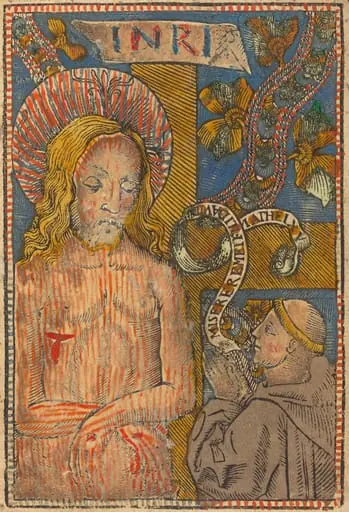
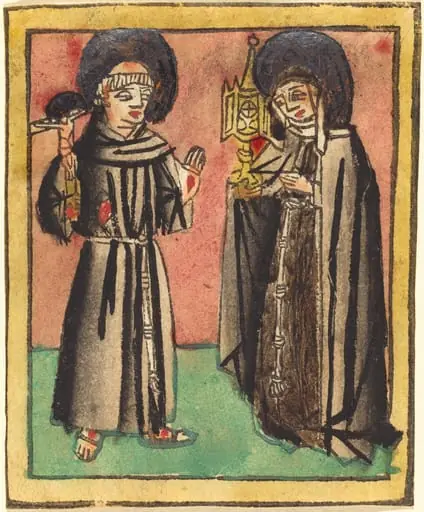
Saint Bernard of Clairvaux is a woodcut print, hand-colored with a palette of black, yellow, green, orange, gold, and red. The scene depicts two figures in a simple setting, distinguished by their attire and postures.
Subject & Meaning
The kneeling figure, identified by a halo and black robe, represents Saint Bernard of Clairvaux. The standing figure, anomalously dressed in a yellow loincloth and holding a scroll, contrasts with traditional Renaissance depictions of saints or biblical figures, suggesting an unconventional narrative or symbolism.
Technique & Style
Executed as a woodcut, the print reflects early Renaissance printmaking techniques. The hand-coloring adds depth, while the mix of stylized figures and simplistic background (yellow wall, green floor) exemplifies the eclectic style common in early Renaissance art.
Context
The artwork's stylistic blend of traditional and unconventional elements situates it within the transitional period of early Renaissance art, where artists began experimenting with new themes and representations alongside established motifs.
History & Provenance
No specific historical ownership or creation date details are provided for this woodcut, highlighting the need for further attribution research.
Legacy
As an early Renaissance woodcut, it contributes to the understanding of printmaking's role in disseminating religious and artistic themes during this period, though its unique stylistic choices may not have directly influenced a broader artistic movement.
Artist & collection

Artist
This 15th-century German artist carved vivid religious scenes into metal and wood, then hand-painted them in bright, symbolic colors.

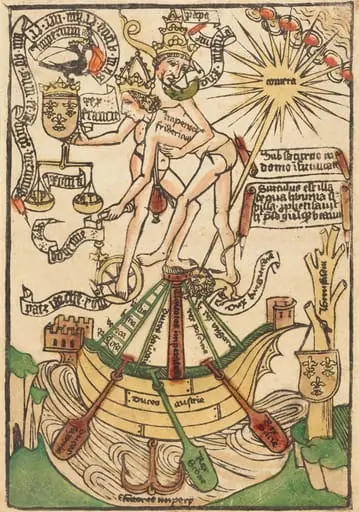 Allegory of the Meeting of Pope Paul II and Emperor Frederick III
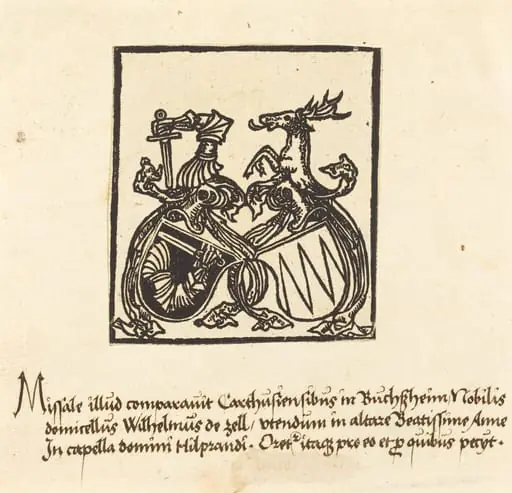 Bookplate of Wilhelm von Zell
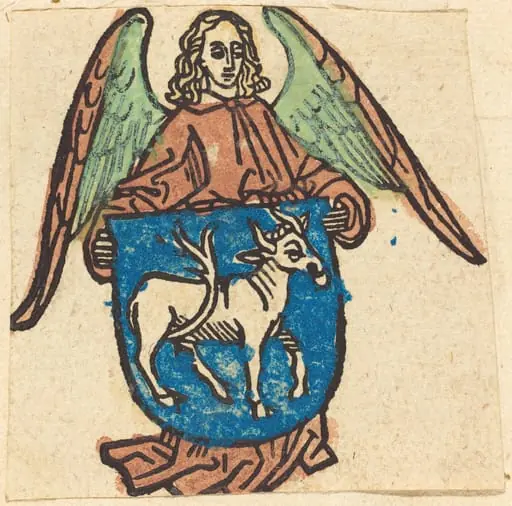 Bookplate of Hilprand Brandenburg of Bibrach
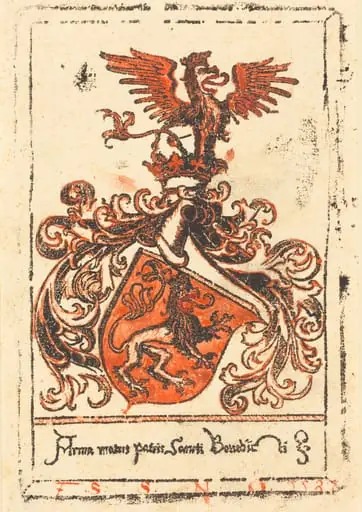 Bookplate of the Abbey of Ottobeuren
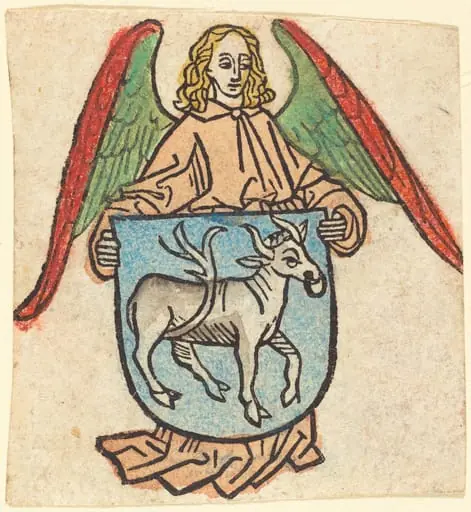 Bookplate of Hilprand Brandenburg of Bibrach
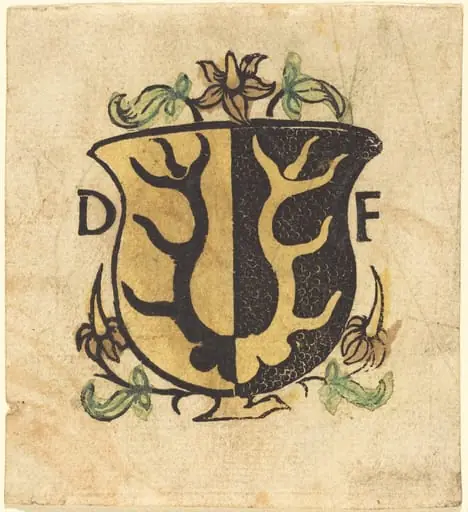 Bookplate of Dominicus Frauenfelder
![Studies for Six Figures (sheet from a model book) [recto], by German 15th Century](https://artifactworldgallery.com/img/german-15th-century--studies-for-six-figures-sheet-from-a-model-book-recto--4837429e0755bc3f-w320.webp) Studies for Six Figures (sheet from a model book) [recto]
Studies for Six Figures (sheet from a model book) [recto]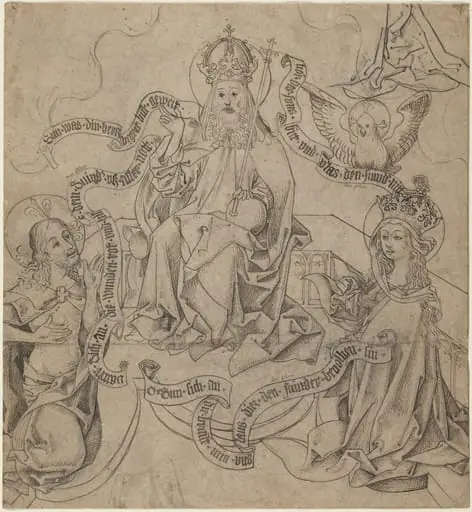 Christ and Mary Interceding with God the Father
![Ecce Homo [verso], by German 15th Century](https://artifactworldgallery.com/img/german-15th-century--ecce-homo-verso--355663726e7bd572-w320.webp)